Source Customized Racing Engine Valve Cover for Metal Casting, Metal Processing, and Metal Spinning
Find 30 listings for Customized Racing Engine Valve Cover suitable for metal casting, processing, and spinning machinery. Buyers can compare specifications, materials, and lead times to select the right component for their automotive lab or industrial equipment needs.
Key considerations
Products List
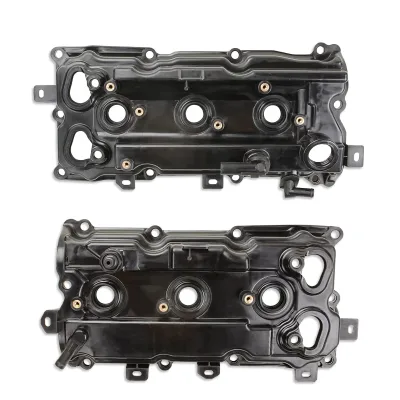


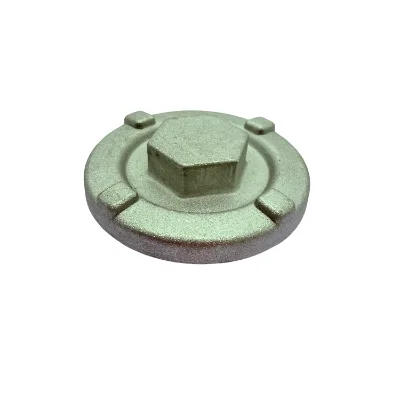
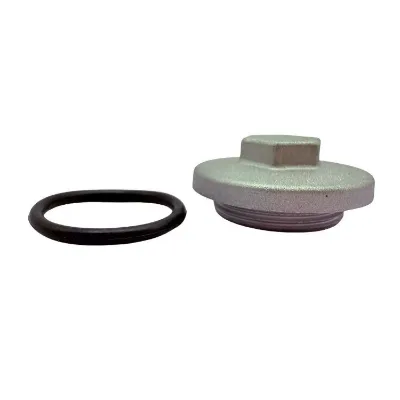


Comprehensive Sourcing Guide
Customized Racing Engine Valve Cover Sourcing Guide
Sourcing customized valve covers for racing engines requires a precise balance of aesthetic customization, material integrity, and functional performance. Unlike standard street car components, racing applications demand parts that can withstand extreme thermal cycles, high-RPM vibration, and aggressive chemical exposure from performance oils and coolants. The procurement process must focus on verifying that the supplier can deliver not just a cosmetic shell, but a structurally sound component that maintains seal integrity under pressure. Buyers must recognize that "customization" in this context often involves complex machining processes, such as billet aluminum fabrication, which significantly impacts both lead times and unit costs.
The market for these components is diverse, ranging from simple replacement gaskets to fully machined, anodized aluminum covers designed for specific high-performance builds. Procurement teams must navigate a landscape where product listings may mix general industrial metal parts with specific automotive applications. It is critical to distinguish between suppliers offering generic metal casting machinery parts and those specializing in automotive lab applications or specific engine types, such as 50cc motorcycle engines or high-displacement racing blocks. The goal is to identify suppliers who understand the tight tolerances required for racing environments, where even minor deviations can lead to catastrophic engine failure.
Product Scope and Observed Listing Signals
The observed product landscape for valve covers reveals a wide variance in material composition and intended application. Listings indicate the presence of components made from aluminum, plastic, and various metals including brass, copper, and stainless steel. Aluminum billet valve covers are frequently highlighted, often featuring anodic surface treatments to enhance durability and corrosion resistance. Buyers should note that some listings describe products with generic industrial applications, such as metal casting or spinning machinery, which may not meet the specific sealing or thermal requirements of a racing engine. It is essential to verify that the material grade and thickness are suitable for automotive use, as industrial-grade aluminum may lack the necessary fatigue resistance for high-stress racing conditions.
Packaging and model specifications also provide critical signals about the supplier’s focus. Observed data shows a range of packaging methods, from simple polybags and neutral boxes to standard export cartons with inner PP bubble bags, indicating varying levels of care in handling delicate machined parts. Model numbers such as HBY-985 or 2890820 suggest that some suppliers operate with specific OEM part numbers, while others offer fully custom solutions. The presence of "Customized" and "OEM/ODM" attributes confirms that many suppliers are equipped to handle bespoke requests, but buyers must ensure that the customization process includes rigorous engineering validation. The distinction between a standard replacement part and a custom racing component lies in the precision of the fitment and the quality of the sealing surface, which must be explicitly confirmed during the sourcing phase.
Technical Specifications to Verify
Tolerance and dimensional accuracy are paramount when sourcing customized valve covers for racing applications. Observed specifications mention tolerances as tight as 0.01mm, which is a critical benchmark for ensuring proper gasket seating and preventing oil leaks under high pressure. Buyers must verify that the supplier’s machining capabilities consistently achieve these tolerances, particularly for the mating surface where the cover meets the engine block. Additionally, the standard component status is often listed as "Non-Standard," reinforcing the need for custom tooling or CNC machining. It is vital to request detailed CAD drawings or 3D models to confirm that the internal baffling, oil pickup tube locations, and bolt hole patterns align perfectly with the specific racing engine architecture.
Material selection and surface treatment play a significant role in the longevity and performance of the valve cover. Aluminum is a preferred material due to its lightweight nature and excellent heat dissipation properties, but the specific alloy and heat treatment process must be verified. Anodic coating is a common surface treatment observed in listings, which provides a hard, corrosion-resistant layer that can withstand the harsh environment of an engine bay. However, buyers should confirm that the anodizing process does not compromise the dimensional tolerances of the sealing surface. Furthermore, the presence of gaskets or sealing elements, such as those described in listings for "valve cover gaskets," must be evaluated for material compatibility with high-performance synthetic oils and extreme temperatures.
Compliance and Safety Documentation
Certification status is a key indicator of a supplier’s quality management systems, though buyers must interpret these claims with caution. Observed listings mention various certifications, including ISO, TSCE, ISOCE, and standards such as Ts16949, ISO13485, SGS, RoHS, and Ce. While ISO 9001 is a common baseline for quality management, the specific automotive-related standards like Ts16949 (now IATF 16949) are more relevant for automotive components. Buyers should request valid, current certificates and verify that the scope of certification includes the manufacturing of automotive engine parts. It is important to note that some certifications may be listed generically across different product types, so due diligence is required to ensure the supplier’s certification applies specifically to the valve cover production line.
Safety and environmental compliance are also critical, particularly for materials that come into contact with engine fluids. RoHS compliance indicates that the materials used are free from certain hazardous substances, which is increasingly important for global supply chains. However, for racing applications, the primary safety concern is mechanical integrity rather than chemical toxicity. Buyers should ensure that the supplier provides material test reports or certificates of analysis for the aluminum or other metals used, confirming that the tensile strength and yield strength meet the requirements for high-stress engine environments. Additionally, any coatings or anodizing processes should be verified to ensure they do not off-gas harmful chemicals at high temperatures, which could affect engine performance or driver health.
Cost Drivers and Commercial Terms
The cost of customized racing valve covers is influenced by several factors, including material choice, machining complexity, and surface treatment. Aluminum billet machining is a subtractive process that generates significant material waste, leading to higher costs compared to casting methods. The observed price range of 0.01-52.47 USD suggests a wide variance, likely reflecting differences between simple gaskets, basic replacement covers, and high-end custom billet units. Buyers should be aware that the lowest prices may correspond to non-customized or lower-quality items, while true customization with tight tolerances and premium finishes will command a premium. It is essential to request detailed quotes that break down material, machining, and finishing costs to understand the value proposition.
Commercial terms such as MOQ (Minimum Order Quantity) and lead times are critical for planning production schedules. Observed MOQs range from 1 to 1000 units, indicating that many suppliers are flexible and can accommodate small-batch custom orders typical in the racing industry. Lead times vary significantly, with some listings indicating 2 weeks for standard items and others specifying 10-25 days for samples and 20-35 days for batch goods. Buyers must factor in these lead times when planning for race seasons or new model launches. Additionally, shipping methods such as UPS, DHL, or air freight may be offered, which can impact the total landed cost and delivery speed. Clear communication regarding payment terms, sample policies, and revision cycles is essential to avoid delays and unexpected costs.
Supplier Qualification and Quality Control
Supplier qualification should begin with a thorough review of their manufacturing capabilities and quality control processes. Observed data indicates that suppliers offer services such as laser cutting, stamping, and cutting, which are relevant for metal fabrication. However, for customized valve covers, CNC machining is the primary process, and buyers should verify the supplier’s experience with multi-axis CNC machines capable of handling complex geometries. The attribute "Sample Confirm Before Mass Production" is a positive indicator, suggesting that the supplier has a process for validating prototypes before committing to full production. Buyers should insist on receiving and testing samples to verify fitment, surface finish, and dimensional accuracy before approving bulk orders.
Quality control measures should extend beyond final inspection to include in-process checks. Buyers should inquire about the supplier’s use of coordinate measuring machines (CMM) or other precision measurement tools to verify tolerances. The presence of "Quality: Sample Confirm Before Mass Production" suggests a commitment to quality, but buyers should also ask about statistical process control (SPC) and defect rate monitoring. Additionally, the packaging method, such as plastic bags and carton boxes or neutral boxes, should be evaluated to ensure that the parts are protected from damage during transit. Suppliers who invest in proper packaging are more likely to have a robust quality management system in place. It is also advisable to conduct factory audits or request third-party inspection reports to verify the supplier’s claims regarding production capacity and quality standards.
Long-Term Procurement Checks
Long-term procurement success depends on establishing a reliable supply chain that can support ongoing racing program needs. Buyers should prioritize suppliers who demonstrate consistency in quality and delivery performance over time. The observed lead times and MOQ flexibility are important, but the ability to scale production up or down based on race season demands is equally critical. Suppliers who offer OEM/ODM services and have a track record of successful custom projects are better positioned to support long-term partnerships. It is essential to maintain open communication channels and regular performance reviews to address any issues promptly and ensure continuous improvement.
Sustainability and regulatory changes may also impact long-term sourcing strategies. As environmental regulations become stricter, suppliers may need to adapt their materials and processes to comply with new standards. Buyers should stay informed about changes in material regulations, such as restrictions on certain alloys or coatings, and ensure that their suppliers are proactive in adapting to these changes. Additionally, the availability of spare parts and after-sales support is crucial for maintaining racing vehicles. Buyers should confirm that the supplier can provide replacement parts or repairs in a timely manner, especially during critical race periods. By focusing on these long-term factors, buyers can build a resilient supply chain that supports the high-performance demands of racing engine applications.
FAQs
What material is used for the Customized Racing Engine Valve Cover?
The Customized Racing Engine Valve Cover is primarily made from aluminum. Some listings also indicate materials like brass, copper, or stainless steel are available. This ensures durability and heat resistance for high-performance applications.
Can I get a Customized Racing Engine Valve Cover with ISO certification?
Yes, you can source products with ISO certification. The available data lists certifications such as ISO, TSCE, and ISOCE. Buyers should verify specific certification documents during the supplier selection process to ensure compliance.
How long is the lead time for a Customized Racing Engine Valve Cover?
The lead time typically ranges from 2 weeks to 35 days depending on the order size. Sample delivery takes 10 to 25 days, while batch goods require 20 to 35 days. Customization availability may also affect the timeline.
Which standards apply to the Customized Racing Engine Valve Cover?
The product adheres to multiple standards including GB, ASTM, DIN, ANSI, and Ts16949. Additional standards like ISO13485, SGS, RoHS, and Ce are also referenced. These ensure the component meets international quality and safety requirements.
What is the minimum order quantity for a Customized Racing Engine Valve Cover?
The minimum order quantity ranges from 1 to 1000 units based on the supplier. Some listings allow single item purchases, while others may require higher volumes for batch goods. Buyers should confirm specific MOQs with the vendor.
Can the Customized Racing Engine Valve Cover be shipped via air freight?
Yes, shipping options include UPS, DHL, and air freight. The packaging typically consists of a polybag inside a carton box or a standard export carton with inner PP bubble protection. This ensures safe transit for the aluminum components.
Where is the Customized Racing Engine Valve Cover manufactured?
The products are manufactured in China, specifically in Guangdong. The place of origin is listed as China for most items. Buyers can expect the goods to originate from these established manufacturing regions.