Source Customized Railroad Sleeper Grabber for Excavators, Railways, and Yards
Compare 30 listings for the Customized Railroad Sleeper Grabber designed for crawler excavators and railway maintenance. Buyers can evaluate specifications like digging depth, weight, and customization options from verified manufacturers in China.
Key considerations
Products List


Railroad Track Laying Equipment Sleeper Change with Grab Replacement Sleeper Railway Machine
$100000.00 - $150000.00
MOQ: 1 Pieces

Railway Sleeper Handling Grab Excavator Machine for Handling Steel, Timber &Concrete Sleepers
$82000.00 - $123000.00
MOQ: 1 Pieces

Capable of Handling Both Sleepers and Rail Jg Sleeper Grabber for Raiload Machine on Track
$96000.00 - $140000.00
MOQ: 1 Pieces


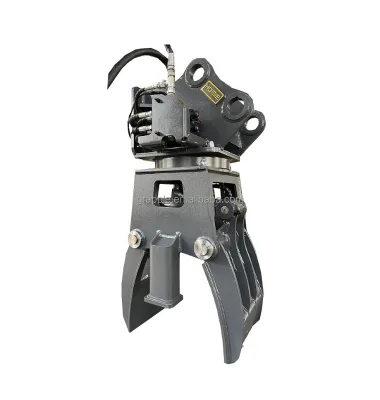


Sleeper Screw Railway Sleepers Steel Rail Sleeper
$15.00 - $28.00
MOQ: 100 Pieces
Shandong China Coal Industrial & Mining Supplies Group Co., Ltd.


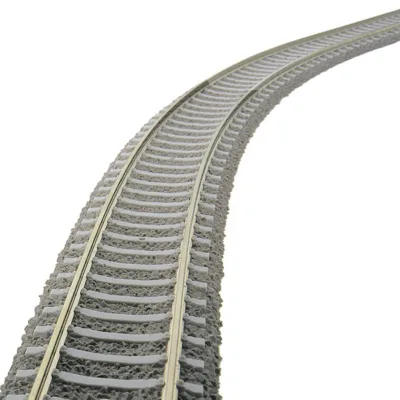
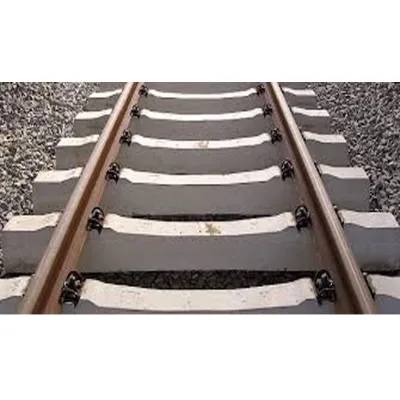


Durable Railway Sleeper Changing Tool for Long-Term Track Maintenance Field Operations
$6500.00 - $7000.00
MOQ: 1 Pieces


Comprehensive Sourcing Guide
Customized Railroad Sleeper Grabber Sourcing Guide
The Customized Railroad Sleeper Grabber represents a specialized attachment designed to enhance the efficiency of railway maintenance operations, specifically for the handling, lifting, and placement of concrete and steel sleepers. These machines are engineered to interface with standard crawler excavators, leveraging the carrier's hydraulic power to execute precise gripping tasks in challenging track environments. The core functionality relies on a robust grapple mechanism capable of accommodating various sleeper dimensions, ensuring that operators can manage different track types without frequent equipment changes.
Procurement of this equipment requires a strategic approach that balances mechanical specifications with the specific operational demands of the railway network. Buyers must evaluate how the grabber's dimensions and weight align with the excavator's capacity to prevent operational bottlenecks or safety hazards. The customization aspect allows for tailoring the grabber to specific sleeper profiles, such as normal sleepers or turnout sleepers, ensuring that the attachment meets the unique geometric requirements of the rail infrastructure being serviced.
Product Scope and Observed Listing Signals
The market for customized railroad sleeper grabbers presents a wide spectrum of product configurations, ranging from lightweight attachments to heavy-duty industrial units. Observed listings indicate that these products are available with varying minimum order quantities, often starting as low as a single set or piece, which facilitates procurement for smaller maintenance crews or pilot projects. The price range is equally diverse, reflecting differences in material quality, hydraulic complexity, and the level of customization required, with some units listed at entry-level prices while others command significantly higher values due to advanced engineering features.
A critical signal in product listings is the explicit mention of customization capabilities, which allows buyers to specify dimensions, colors, and functional adjustments to match their existing fleet. Suppliers frequently highlight their status as experienced manufacturers, suggesting a depth of industry knowledge that can be leveraged during the design phase. Additionally, the availability of remote technical support and video outgoing-inspection services provides buyers with a layer of assurance regarding the product's readiness for deployment before it leaves the factory.
Technical Specifications to Verify
When evaluating a Customized Railroad Sleeper Grabber, the primary technical focus must be on the compatibility between the grabber's weight and the excavator's maximum operating weight. Listings show units ranging from 590kg to 8000kg, necessitating a careful review of the carrier's load chart to ensure the attachment does not exceed safe lifting limits. The digging depth and height are also critical parameters, with observed specifications reaching up to 4080mm in depth and 7100mm in height, which directly impacts the machine's ability to access sleepers in deep or elevated track beds.
The physical dimensions of the grabber and the sleepers it handles must be verified against the specific track standards in use. Specifications such as sleeper length, width, and thickness vary, with observed data including lengths of 1830mm to 2500mm and widths around 220mm. Buyers should confirm that the grabber's core components, such as the motor and cylinder, are rated for the intended duty cycle and that the machine's standard dimensions, such as 6100mm by 2800mm, fit within the spatial constraints of the work site.
Compliance and Safety Documentation
Ensuring that the Customized Railroad Sleeper Grabber meets international safety and quality standards is a non-negotiable aspect of the procurement process. While some listings explicitly cite certifications like CE and ISO, buyers must verify the specific scope of these certifications to ensure they cover the manufacturing process and the final product's safety features. The presence of ISO 9001, a widely recognized quality management standard, is often a background indicator of a supplier's commitment to consistent production quality, though it should be confirmed as a current, valid certification for the specific model.
Documentation regarding the machine's origin and material composition is essential for regulatory compliance and long-term maintenance planning. Products originating from regions like Shandong, China, often adhere to standards such as BS, ASTM, DIN, and SGS, which provide a framework for material integrity and structural safety. Buyers should request detailed test reports and compliance certificates that validate the materials used, such as SAE1522 or St52.3 steel, to ensure they meet the mechanical strength requirements for heavy-duty railway applications.
Cost Drivers and Commercial Terms
The total cost of ownership for a Customized Railroad Sleeper Grabber is influenced by several factors beyond the initial purchase price, including the level of customization, material selection, and the complexity of the hydraulic system. The observed price range of 2 to 150,000 USD reflects the vast difference between basic models and highly engineered units with advanced features. Buyers should analyze the cost implications of specific customizations, such as unique color requirements or specialized packing methods, which can add to the overall expense.
Commercial terms, particularly regarding delivery and payment, play a significant role in the procurement strategy. Lead times are typically short, with many suppliers offering delivery within 5 to 10 days after payment, which is advantageous for urgent maintenance needs. However, the warranty period, often cited as one year, and the availability of after-sales support, such as remote technical assistance, are critical components that affect the long-term value of the investment. Buyers must clarify the terms of the warranty and the scope of support to avoid unexpected costs post-purchase.
Supplier Qualification and Quality Control
Selecting a qualified supplier for a Customized Railroad Sleeper Grabber requires a thorough assessment of their manufacturing capabilities and quality control processes. The presence of "experienced manufacturers" in product listings suggests a level of expertise, but buyers should verify this through site audits or detailed questionnaires regarding their production capacity and history. The ability to provide video outgoing-inspection is a valuable quality control tool, allowing buyers to visually confirm the assembly and finish of the unit before it is shipped.
Quality control extends to the packaging and shipping process, which must protect the equipment during transit. Listings indicate a range of packing options, from nude packing to export-standard carton boxes or wooden boxes, each offering different levels of protection. Buyers should ensure that the chosen packing method aligns with the shipping route and the fragility of the components, particularly the hydraulic cylinders and motors. Additionally, verifying the supplier's location, such as Jining City or other parts of Shandong Province, can help in assessing logistics costs and lead time reliability.
Long-Term Procurement Checks
Establishing a long-term procurement strategy for customized railroad sleeper grabbers involves regular performance reviews and maintenance planning. The warranty period of one year is a starting point, but buyers should plan for ongoing maintenance needs, including the replacement of wear parts and hydraulic fluid checks. The availability of remote technical support is a key factor in minimizing downtime, allowing operators to resolve minor issues quickly without waiting for on-site service visits.
Future procurement decisions should be informed by the performance of the initial unit, including its durability under actual working conditions and the responsiveness of the supplier to any issues that arise. Buyers should maintain a record of the specific model numbers, such as JG-LT or HM04, and the associated specifications to ensure consistency in future orders. Regular communication with the supplier regarding updates in standards, such as BS 500-2000 or ASTM, will help ensure that the equipment remains compliant with evolving industry requirements.
FAQs
Can customized railroad sleeper grabbers be sourced with CE and ISO certifications?
Yes, customized railroad sleeper grabbers are available with CE and ISO certifications. These certifications ensure compliance with international safety and quality standards for heavy machinery attachments. Buyers can verify these credentials directly with manufacturers to confirm regulatory adherence for their specific operational regions and project requirements.
What is the typical MOQ for purchasing a railway sleeper grab attachment?
The typical minimum order quantity is one set or one piece. This low MOQ allows buyers to test the equipment's compatibility with their existing crawler excavators before committing to larger volumes. It supports flexible procurement strategies for both small maintenance crews and large-scale infrastructure projects.
Which specifications define the standard dimensions of a concrete railway sleeper?
Standard concrete railway sleepers often measure 2500mm in length, 220mm in width, and 160mm in thickness. These dimensions align with common railway track standards. The grabber must be designed to accommodate these specific sizes to ensure secure handling and efficient loading operations on site.
How long is the delivery time for a customized sleeper grab unit?
Delivery time is typically 5-10 days after payment is received. This rapid turnaround is supported by experienced manufacturers with streamlined production processes. Buyers should confirm exact lead times with the supplier, as customization requests or high demand periods may slightly extend the manufacturing schedule.
What core components are used in a railway sleeper grab mechanism?
The core components include a high-performance motor and hydraulic cylinders. These parts drive the gripping action and ensure reliable operation under heavy loads. The motor provides power while the cylinders control the precise movement of the grab arms, allowing for secure handling of heavy concrete sleepers.
What is the maximum digging depth and height for this grabber model?
The maximum digging depth is 4080mm and the maximum digging height is 7100mm. These dimensions allow the attachment to reach deep into piles or high stacks of sleepers. This reach capability enhances operational efficiency by reducing the need for repositioning the carrier excavator frequently.