Source Cute Plush Toy for Children Gifts, Promos, and Retail
Find 30 options for a Cute Plush Toy for Children, including teddy bears and sitting animals. Compare customization, certifications like CE and ASTM, and packaging to select the best fit for gifts or promotions.
Key considerations
Products List




Comprehensive Sourcing Guide
Cute Plush Toy for Children Sourcing Guide
Sourcing cute plush toys for children requires a strategic approach that balances aesthetic appeal with rigorous safety compliance, as the target demographic demands products that are both engaging and secure. The market offers a diverse range of options, from standard sitting animals to fully customized designs, where the primary decision point often lies in selecting the right balance between off-the-shelf models and bespoke manufacturing. Buyers must navigate a landscape where customization is a standard offering, allowing for unique branding through logos, labels, and specific animal motifs like teddy bears, while ensuring that the final product meets the stringent safety expectations of parents and regulatory bodies.
The procurement process begins with a clear definition of the product scope, which in this category frequently includes soft, comfortable toys designed for children aged three years and older. These items are typically marketed as gifts or promotional tools, with production methods varying between hand-made and machine production depending on the desired texture and complexity. Understanding the specific attributes of the supply base, such as the availability of custom modeling sources and the ability to produce in various sizes from small to standard, is essential for aligning supplier capabilities with the specific needs of the retail or promotional campaign.
Product Scope and Observed Listing Signals
When evaluating the product scope, buyers should observe that the market presents a wide array of configurations, including specific models like HW000000 and PT-7, which serve different functional roles from standard promotional items to specialized baby toys. The observed listing signals indicate that suppliers are prepared to handle orders ranging from small batches of 50 units to large-scale productions of up to 5,000 units, suggesting a flexible supply chain capable of accommodating both trial runs and mass distribution. This variability in Minimum Order Quantity (MOQ) allows buyers to manage inventory risk effectively while still accessing the benefits of bulk pricing for larger commitments.
The physical characteristics of these toys are defined by a mix of standard and custom specifications, with materials consistently identified as plush and features emphasizing softness and comfort. Listings reveal that products can be sourced as sitting animals or generic cute types, with lengths varying from short plush toys to full-sized soft toys, all packaged in options ranging from individual poly bags to color boxes or custom cartons. Buyers must verify the specific packaging requirements for their target market, as the observed data shows a range of packing standards, including 30-40 pieces per carton or individual boxed units, which directly impacts logistics costs and shelf presentation.
Technical Specifications to Verify
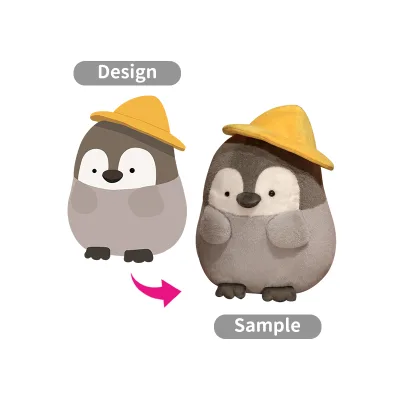
Technical verification for plush toys must focus on the production method and the resulting tactile quality, as the supply base includes both hand-made and machine-produced items that offer different levels of consistency and finish. Buyers should explicitly confirm whether the desired product is hand-made to ensure a unique, high-quality feel or machine-produced for uniformity and cost efficiency, as this distinction significantly influences the final product's texture and durability. Additionally, the modeling source, whether derived from custom designs or standard animal templates, must be clearly defined to ensure the final prototype matches the intended aesthetic and functional requirements of the brand.
Dimensional and weight specifications are critical variables that often require customization to meet specific market demands, with observed data indicating that weight and size can be tailored to the order. While some listings reference standard sizes, others offer custom modeling sources, meaning buyers must provide precise requirements for length, weight, and overall dimensions to avoid receiving products that do not fit their packaging or retail strategy. The production time, typically around 20 days or adjusted based on order quantity, and the sample time of 3-7 working days, are key logistical parameters that must be integrated into the project timeline to ensure on-time delivery for seasonal or promotional events.
Compliance and Safety Documentation
Compliance is the most critical aspect of sourcing children's plush toys, as the market demands adherence to a robust set of international safety standards including CE, EN71, ASTM, CPSIA, and REACH. Buyers must verify that every batch of products carries the necessary certifications, as the observed data confirms that suppliers often hold multiple certifications simultaneously, but the specific test results for each order must be validated against the target market's regulations. The presence of BSCI and ISO9001 certificates indicates a commitment to social responsibility and quality management, but these should be viewed as foundational requirements rather than substitutes for product-specific safety testing.
Documentation verification should extend beyond the initial certificate issuance to include specific test reports that confirm the product meets the ASTM and EN71 standards for mechanical and physical properties. Since the observed listings mention test standards like ASTM/EN71, buyers should request the actual test reports for the specific model being ordered to ensure that the materials and construction have been rigorously evaluated for hazards such as small parts, flammability, and chemical content. It is essential to treat these certifications as dynamic requirements that must be maintained throughout the production cycle, ensuring that any changes in materials or manufacturing processes do not compromise the safety compliance of the final goods.
Cost Drivers and Commercial Terms
Cost drivers in the plush toy sector are heavily influenced by the level of customization, with factors such as custom logos, unique modeling sources, and specialized packaging adding significant value to the base price. The observed price range of 0.8 to 6.3 USD reflects the variability between simple, standard items and complex, custom-designed products, meaning that buyers should expect a direct correlation between the degree of personalization and the unit cost. Understanding these drivers allows procurement teams to negotiate effectively by identifying which customizations are essential for brand differentiation and which can be standardized to reduce expenses without sacrificing market appeal.
Commercial terms regarding lead times and payment structures must be carefully aligned with the production capabilities of the supplier, as the observed production time of about 20 days can fluctuate based on order quantity and complexity. Buyers should clarify the sample time of 3-7 working days and how it fits into the overall timeline, ensuring that the approval process does not delay the final production run. Additionally, the flexibility in MOQs, ranging from 50 to 5,000 units, provides opportunities for cost optimization, but buyers must balance the benefits of larger orders against the risks of inventory holding and the potential for price increases if raw material costs rise during the production cycle.
Supplier Qualification and Quality Control
Supplier qualification should prioritize partners who demonstrate a proven track record in handling both OEM and ODM projects, as the ability to produce custom logos and designs is a key differentiator in this market. The presence of certifications like BSCI and ISO9001 suggests a baseline of operational maturity, but buyers must also assess the supplier's capacity to manage the specific technical requirements of plush toys, such as the distinction between hand-made and machine production. Verifying the supplier's experience with the specific age group, such as children aged 3-8 years, ensures that they understand the safety and durability standards required for this demographic.
Quality control protocols must be established early in the relationship, focusing on the consistency of materials, the accuracy of custom designs, and the integrity of the packaging. Buyers should implement a rigorous inspection process that covers the entire production cycle, from the initial sample approval to the final pre-shipment inspection, ensuring that the product matches the agreed-upon specifications for weight, size, and softness. Given the variability in packing methods observed in the market, from poly bags to custom boxes, quality control must also verify that the packaging protects the product during transit and meets the branding requirements of the end customer.
Long-Term Procurement Checks
Long-term procurement success relies on maintaining a dynamic relationship with suppliers that includes regular audits and continuous performance monitoring to ensure consistent quality and compliance. Buyers should establish a schedule for periodic reviews of the supplier's certification status, ensuring that their CE, EN71, and ASTM certifications remain valid and that they continue to meet the evolving safety standards of the global market. This proactive approach helps mitigate the risk of supply chain disruptions and ensures that the supplier remains capable of delivering products that meet the high expectations of parents and regulatory bodies.
Sustainability and adaptability are also critical factors for long-term partnerships, as the market for children's toys is increasingly sensitive to environmental and ethical considerations. Buyers should evaluate the supplier's ability to adapt to changing material requirements, such as the use of more sustainable plush fabrics, and their commitment to ethical labor practices as evidenced by their BSCI certification. By fostering a collaborative relationship that emphasizes transparency and continuous improvement, buyers can secure a reliable supply of high-quality plush toys that support their brand's reputation and long-term growth in the competitive children's toy market.
FAQs
What certifications are available for cute plush toys for children
Available certifications include CE, EN71, ASTM, CPSIA, and REACH. These standards ensure the toys meet safety requirements for materials and construction. Buyers should verify that the specific product batch holds the relevant certificates for their target market.
Can I customize the logo and packaging for plush toys
Yes, customization is available for logos, labels, hang tags, and packaging. Options include poly bags, color boxes, or customized packs. You can also request specific branding elements to match your brand identity before mass production begins.
What is the typical production time for custom plush toys
Production time is approximately 20 days, though this may vary based on order quantity. Sample lead time is typically 3 to 7 working days. Planning ahead for these timelines helps ensure timely delivery for seasonal or promotional campaigns.
What is the minimum order quantity for plush toys
The observed MOQ range is between 50 and 5000 units. Specific minimums depend on the product complexity and customization requirements. Buyers should confirm the exact MOQ with the supplier based on their specific design and volume needs.
What materials are used in these cute plush toys
The primary material is plush fabric, which provides a soft and comfortable feel. The toys are designed to be safe for children, with age recommendations typically starting from 3 years old. Material quality is tested to meet relevant safety standards.
How are the plush toys packed for shipping
Standard packing includes 30 to 40 pieces per carton. Individual items can be packed in poly bags or color boxes. Customized packaging options are also available to meet specific retail or promotional display requirements.
What age group are these plush toys suitable for
These toys are generally suitable for children aged 3 to 8 years, with some options for ages over 3. The design and safety features are tailored to this demographic. Always check specific product details for age-appropriate safety features.