Source Cute Rainbow Unicorn Plush Toy for Gifts and Promotions
Explore 30 listings for the Cute Rainbow Unicorn Plush Toy, comparing customization options, certifications, and pricing. Buyers can evaluate standing or sitting styles, various sizes, and global shipping details from verified Chinese manufacturers; compare the available evidence and request quotations based on your requirements.
Key considerations
Products List


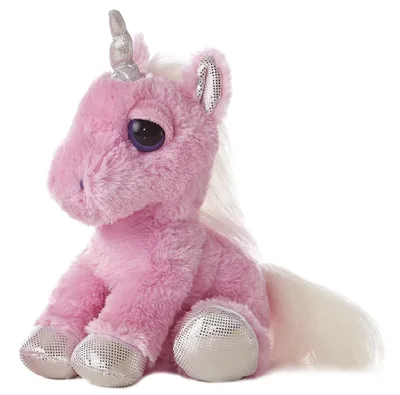
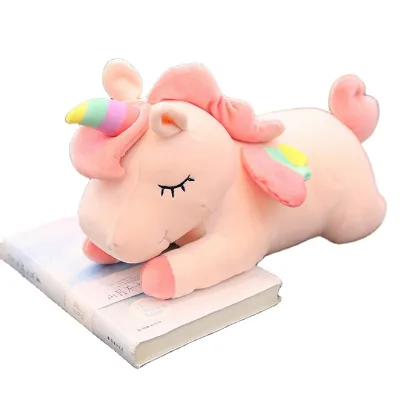
2020 Hot Gift Super Soft Plush Animal Various Colors Stuffed Cute Unicorn
$0.87 - $4.96
MOQ: 500 Pieces





Comprehensive Sourcing Guide
Cute Rainbow Unicorn Plush Toy Sourcing Guide
Sourcing cute rainbow unicorn plush toys requires a strategic balance between aesthetic appeal and rigorous safety compliance, particularly when targeting diverse global markets. Buyers must recognize that these items span multiple age demographics, ranging from infants under three years to adults seeking decorative or promotional gifts. This broad appeal necessitates distinct production standards for each segment, ensuring that materials and construction methods meet specific regulatory requirements. Understanding these nuances is critical for avoiding costly compliance failures and ensuring product suitability for the intended audience.
The procurement landscape for unicorn-themed plushies is characterized by significant variability in customization options and manufacturing origins. Suppliers often offer extensive personalization, including logo printing, embroidery, and custom sizing, which allows brands to differentiate their offerings in a crowded market. However, this flexibility introduces complexity in quality control and supply chain management. Buyers need to establish clear specifications early in the engagement process to ensure that the final product aligns with brand identity while maintaining consistent quality across large production volumes.
Product Scope and Observed Listing Signals
The observed market signals indicate a wide range of product configurations, with prices typically falling between $0.35 and $6.80 USD depending on size, material quality, and customization depth. Minimum order quantities vary significantly, ranging from small trial orders of 3 units to bulk commitments of 3,000 units, with a common baseline MOQ of 500 pieces for standard runs. This variability allows buyers to scale their procurement strategy based on demand forecasts, starting with smaller batches for market testing before committing to larger production runs.
Product listings reveal diverse styles, including standing and sitting animal figures, with modeling sources ranging from generic animals to specific cartoon characters. The primary material is plush fabric, often categorized as short or standard plush, with heights typically around 10cm or fully customized to meet specific design requirements. These variations suggest that buyers should carefully evaluate sample products to assess texture, stitching durability, and color vibrancy, as these factors directly influence customer satisfaction and brand perception in the competitive toy and gift sectors.
Technical Specifications to Verify
Technical verification begins with confirming the manufacturing method, which can be either machine-produced for consistency or hand-sewn for artisanal quality. Buyers must specify the desired production technique to align with their quality expectations and budget constraints. Additionally, the modeling source should be clearly defined, whether it is a generic unicorn design or a licensed character, to avoid intellectual property issues. Clear technical specifications ensure that the supplier understands the exact requirements, reducing the risk of miscommunication and production errors.
Packaging and logistics details are equally critical for efficient supply chain management. Standard packaging often involves individual polybags or PE bags, with carton quantities varying from 30 to 80 pieces per master carton. Buyers should verify the carton dimensions, which typically range from 52x48x58cm to 52x48x60cm, to optimize warehouse storage and shipping costs. Confirming these logistical parameters early in the negotiation process helps in planning freight arrangements and ensuring that the products arrive in pristine condition, ready for retail display or direct distribution.
Compliance and Safety Documentation
Compliance is non-negotiable for plush toys, especially those marketed to children under three years of age. Buyers must verify that suppliers hold valid certifications such as CE, EN71, ASTM, CPSIA, REACH, and Nm300, which demonstrate adherence to international safety and chemical standards. These certifications are essential for market access in regions like Europe, North America, and Asia, ensuring that the products are free from harmful substances and meet rigorous safety benchmarks. Without proper documentation, products may be rejected at customs or face legal liabilities.
In addition to certifications, buyers should request detailed test reports from accredited laboratories to validate the safety claims. These reports should cover physical and mechanical properties, flammability, and chemical composition, providing evidence that the products are safe for their intended use. For products targeting all ages, while safety standards may be less stringent, maintaining high-quality materials and construction is still crucial to prevent choking hazards or other injuries. Ensuring comprehensive compliance documentation protects the brand from reputational damage and legal risks.
Cost Drivers and Commercial Terms
Cost drivers for unicorn plush toys include material selection, customization complexity, and order volume. Higher-quality plush fabrics, intricate embroidery, and custom packaging solutions will increase the unit price, while larger order volumes typically result in economies of scale and lower per-unit costs. Buyers should negotiate pricing based on clear specifications to avoid hidden fees and ensure transparency in the cost structure. Understanding these drivers helps in budgeting accurately and identifying areas where cost savings can be achieved without compromising quality.
Commercial terms such as lead time and payment conditions are also significant factors in the procurement process. Typical lead times range from 25 to 45 working days, depending on the order size and customization requirements. Buyers should plan their inventory management accordingly to avoid stockouts or excess inventory. Additionally, negotiating favorable payment terms, such as a deposit followed by balance upon shipment, can help manage cash flow and mitigate financial risk. Clear commercial terms ensure a smooth transaction process and foster a collaborative relationship with the supplier.
Supplier Qualification and Quality Control
Supplier qualification involves assessing the manufacturer’s production capabilities, quality control systems, and past performance. Buyers should request factory audits or third-party inspection reports to verify the supplier’s ability to meet quality standards and delivery schedules. Suppliers located in key manufacturing hubs like Yangzhou and Guangdong, China, often have established supply chains and experienced workforces, which can contribute to consistent product quality. Evaluating these factors helps in selecting reliable partners who can deliver on promises and maintain high standards.
Quality control measures should be implemented throughout the production process, from raw material inspection to final product testing. Buyers should define clear acceptance criteria and conduct pre-shipment inspections to ensure that the products meet these standards. Implementing a robust quality control plan reduces the risk of defects and ensures that the final products are free from issues such as loose stitching, color bleeding, or material inconsistencies. Regular communication with the supplier during production can also help identify and address potential problems early, ensuring a successful outcome.
Long-Term Procurement Checks
Long-term procurement success depends on continuous monitoring of supplier performance and market trends. Buyers should establish key performance indicators (KPIs) to track metrics such as on-time delivery, defect rates, and responsiveness to issues. Regular reviews of these metrics help in identifying areas for improvement and maintaining a high standard of service. Additionally, staying informed about changes in safety regulations and consumer preferences ensures that the products remain compliant and relevant in the market.
Building a strong relationship with suppliers through open communication and mutual respect can lead to better pricing, priority production, and collaborative innovation. Buyers should engage in regular business reviews to discuss performance, address concerns, and explore opportunities for improvement. By fostering a partnership rather than a transactional relationship, buyers can secure a reliable supply chain and gain a competitive advantage in the plush toy market. Long-term checks and relationship management are essential for sustaining growth and profitability in this dynamic industry.
FAQs
Can I customize the logo on the plush unicorn?
Yes, logo printing and embroidery are available for customization. You can choose print, embroidery, or a fully customized design to match your brand identity. This service applies to the standing and sitting animal styles offered by the manufacturer in China.
What certifications do these unicorn plush toys have?
The products hold multiple safety certifications including CE, EN71, ASTM, CPSIA, REACH, and Azo Free. These standards ensure the toys meet international safety requirements for children of all ages. Specific models may also comply with Nm300 standards for additional quality assurance.
How long does it take to receive a sample?
Sample time is normally between one to five days for standard requests. Some specific models may require five to seven working days to prepare. This allows buyers to verify quality and design before committing to a larger bulk order for their business needs.
What is the minimum order quantity for these toys?
The standard minimum order quantity is 500 pieces for most models. However, observed ranges show options starting from as low as three units up to 3000 units depending on the specific supplier and product configuration. Buyers should confirm the exact MOQ for their selected model.
Where are these unicorn plush toys manufactured?
These toys are manufactured in China, specifically in Yangzhou and Guangdong provinces. The products are shipped from major ports like Shenzhen or Guangzhou to global markets. This location ensures efficient production capabilities for both machine and hand-made sewing products.
What are the packaging details for the plush toys?
Each toy is packed individually in a polybag or PE bag. These are then placed into corrugated cartons, with quantities ranging from 30 to 80 pieces per carton depending on the model. Standard carton dimensions vary to accommodate different plush lengths and styles effectively.
What is the typical lead time for bulk orders?
The normal lead time for bulk production is around 45 days. Some suppliers indicate a delivery window of 25 to 35 working days for specific orders. This timeline covers the manufacturing process from raw materials to final packaging ready for international shipment.