Source Decorative Metallic Floral Wire for curtains, florist, and decor
Compare 30 listings of Decorative Metallic Floral Wire with options for green, black, and blue finishes. Buyers can evaluate wire gauges from 18 to 22 gauge, surface treatments like PVC coating, and customization for window curtains or festival decorations.
Key considerations
Products List


22gauge Metal Florist Colorful Wire for Decoration Green Floral Spool Wire
$0.45 - $0.50
MOQ: 1500 Pieces
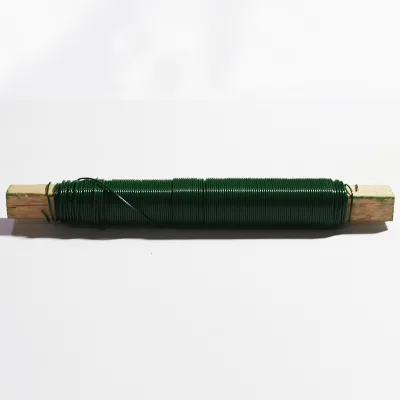


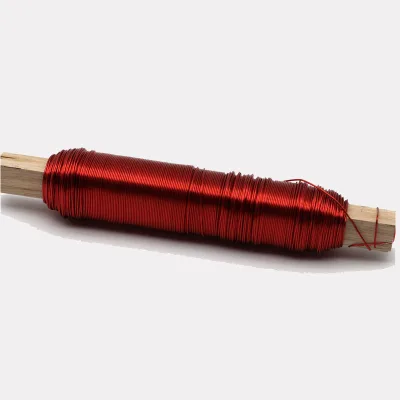
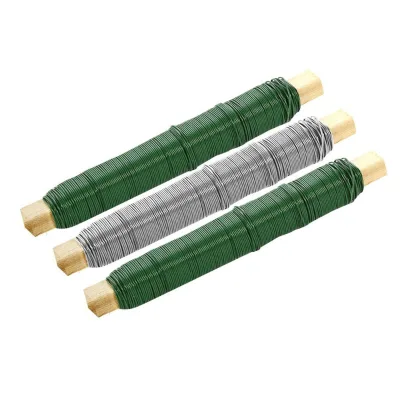
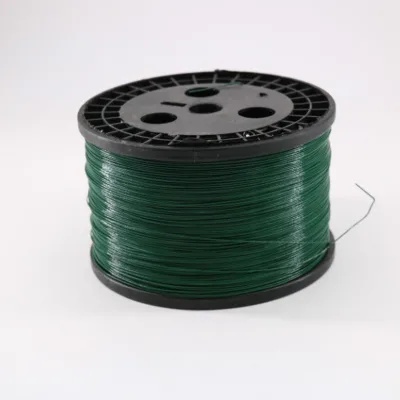
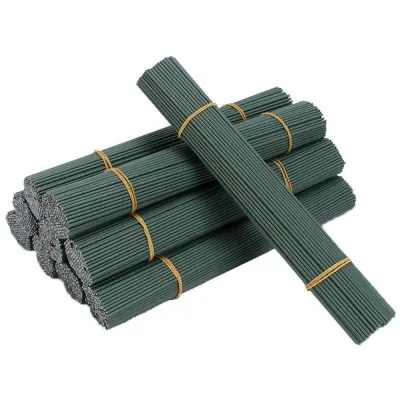
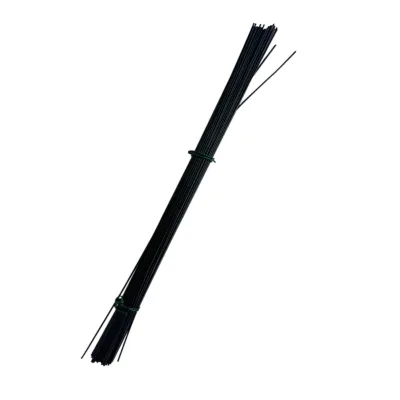
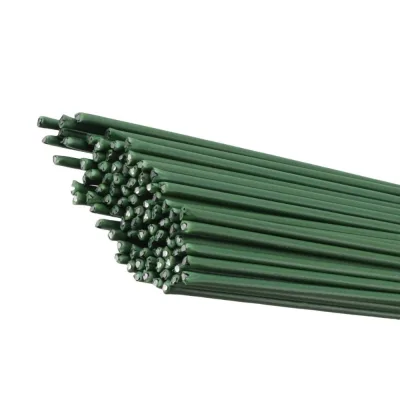


Enameled Floral Wire with Green Color for Florist and Binding Decorations
$0.60 - $1.50
MOQ: 100 Rolls


Comprehensive Sourcing Guide
Strategic Sourcing Guide for Decorative Metallic Floral Wire
Navigating the global market for Decorative Metallic Floral Wire requires a precise understanding of material science, manufacturing processes, and supply chain logistics. For procurement professionals, the core keyword "Decorative Metallic Floral Wire" encompasses a diverse range of products used in floristry, event decoration, and industrial binding. The supply landscape is characterized by significant variation in wire gauges, surface treatments, and mechanical properties. Buyers must distinguish between products designed for structural integrity, such as binding wire, and those intended for aesthetic purposes, such as color-coated decorative mesh. This guide synthesizes observed market data to provide a framework for evaluating suppliers and specifications without relying on unverified claims.
Technical Specifications and Material Composition
The technical foundation of Decorative Metallic Floral Wire lies in its raw material composition and physical dimensions. The supplied data indicates that the primary material base is often low-carbon iron wire or general iron wire, sometimes specified as steel wire depending on the application. A critical distinction in the market is the wire drawing process. Some products utilize cold drawing to achieve specific tensile properties, while others are processed as annealed wire to ensure flexibility. The status of the wire is frequently described as "soft state," which is essential for florists and decorators who require pliability for shaping without the risk of snapping.
Dimensions vary significantly across product models. The wire diameter is a primary specification, with observed ranges spanning from 0.3mm to 1.2mm, and specific gauges noted between 18gauge and 22gauge. Cross-sectional shapes are predominantly round, though flat wire options exist for specific decorative applications. Length specifications are equally varied; some products are offered as straight wires in lengths of 20cm to 60cm, while others are supplied as paddle wire with lengths reaching 38 yards or 33 yards. Width specifications for mesh applications can range from 0.3mm to 1.1 meters. Buyers must verify these exact dimensions against their project requirements, as a mismatch in diameter or length can compromise the structural integrity of the final floral arrangement or decorative piece.
Surface Treatments and Aesthetic Customization
A defining characteristic of Decorative Metallic Floral Wire is its surface treatment, which serves both protective and aesthetic functions. The most common treatment observed is color coating, which can be achieved through various methods including paint, PVC coating, or galvanization. The color palette is extensive, with standard offerings including green, black, yellow, blue, white, orange, silver, red, and gold. Green is frequently cited as a standard color for floral applications to mimic stems, while other colors are utilized for festive or artistic effects.
The standard for surface coating often involves metal wire surfaces coated in various colors, with some products specifically noted as "surface coated in various color" or "PVC coated." This treatment is crucial for preventing rust and ensuring the longevity of the wire in both indoor and outdoor environments. For instance, PVC-coated wires are often preferred for artificial flower applications due to their durability and resistance to environmental degradation. Customization is a key attribute available in the market, allowing buyers to request specific color combinations or finishes to match brand identities or event themes. However, buyers should verify the specific coating thickness and adhesion properties, as these are not always standardized across all suppliers.
Compliance, Certification, and Quality Standards
When sourcing Decorative Metallic Floral Wire, verifying compliance and certification is essential for ensuring product safety and quality. The market data indicates that some suppliers offer products that are SGS approved, a significant indicator of third-party quality verification. Additionally, specific product standards are noted, such as "metal wire surface coated in various color" or specific model numbers like MWN005 and MWN-WC06 which may imply adherence to internal or regional manufacturing standards.
Buyers must be cautious when interpreting certification claims. While "SGS approved" is a specific certification mentioned, other claims regarding standards should be validated through direct inquiry. The origin of the products is predominantly China Mainland, with specific production hubs noted in Anping, Hebei, and other regions. These locations are known for wire mesh and wire product manufacturing, but the presence of a specific origin does not automatically guarantee a specific quality level. Buyers should request current certification documents for the specific batch of wire being purchased, particularly if the wire is intended for use in food-related floral arrangements or children's crafts, where material safety is paramount.
Cost Drivers and Procurement Economics
The cost of Decorative Metallic Floral Wire is influenced by several factors, including raw material prices, processing complexity, and order volume. The observed price range in the market spans from $0.30 to $8.00 USD, reflecting the vast difference between basic iron wire and specialized, heavily coated, or custom-dimensioned products. The minimum order quantity (MOQ) is another significant cost driver, with observed ranges extending from 1 piece to 10,000 pieces. This flexibility allows small businesses to test products with low MOQs, while larger enterprises can leverage economies of scale with higher volume orders.
Production capacity is a critical factor in pricing and availability. Some suppliers report a producing capacity of 10,000 pieces per day, which suggests a robust supply chain capable of handling large orders. However, lead times and production schedules should be confirmed directly with the supplier, as these are not explicitly standardized in the general market data. Packaging also plays a role in the final cost; options range from simple OPP bags to master cartons and wooden cases or pallets. The choice of packaging affects shipping costs and the protection of the wire during transit, particularly for long lengths or heavy spools.
Typical Applications and Use Cases
The versatility of Decorative Metallic Floral Wire is evident in its wide range of applications. The primary use cases include decorative mesh, window curtains, and festival or Christmas decorations. In the floristry sector, the wire is essential for binding, creating artificial flowers, and constructing floral arrangements. Specific product types, such as "0.25 Pound Paddle Wire" or "Florist Wire," are tailored for these tasks. The wire's function is often described as "binding wire," highlighting its role in securing stems and maintaining the shape of bouquets.
Beyond traditional floristry, the wire is used in retail settings for shop displays and in the manufacturing of artificial flowers. The "Soft State" and "Round" cross-section make it ideal for intricate work where the wire must be bent and twisted without breaking. The availability of different colors allows for creative expression in event planning and interior design. For example, green wire is standard for mimicking natural stems, while silver or gold wires are used for high-end decorative accents. Buyers should match the wire's mechanical properties, such as tensile strength and flexibility, to the specific demands of their application to ensure optimal performance.
Supplier Evaluation and Quality Control
Evaluating suppliers for Decorative Metallic Floral Wire requires a systematic approach to verifying their capabilities and quality control measures. Key attributes to assess include the supplier's location, such as Anping, China, or Hebei, which are established manufacturing hubs. Buyers should also review the supplier's processing services, which may include cutting, painting, and galvanizing. The ability to offer customization is a strong indicator of a flexible and capable supplier.
Quality control should focus on the consistency of the wire's dimensions, coating quality, and mechanical properties. Buyers must verify that the wire diameter, length, and color match the specifications provided in the product listing. The "SGS approved" status mentioned in some listings serves as a benchmark, but buyers should request test reports for the specific product model. Additionally, the packaging method, whether it be box, master carton, or wooden case, should be evaluated to ensure the wire arrives in pristine condition. Suppliers with a stated producing capacity of 10,000 pieces per day may offer more consistent quality control due to their scale, but this should be confirmed through on-site audits or third-party inspections.
Long-Term Procurement Considerations
Sourcing Decorative Metallic Floral Wire is not merely a transactional activity but a strategic partnership that impacts long-term operational efficiency. Buyers should consider the scalability of the supplier's production capacity to meet future demand fluctuations. The availability of customization options ensures that the product can adapt to changing market trends and design requirements. Furthermore, the consistency of the surface treatment and material quality is vital for maintaining brand reputation, especially in the floral and event decoration industries where aesthetics are paramount.
Long-term procurement also involves managing the supply chain risks associated with raw material price volatility and logistics. Establishing a relationship with a supplier who offers flexible MOQs and reliable lead times can mitigate these risks. Buyers should also consider the environmental impact of the wire, particularly regarding the coatings used. While the data mentions "Color Coated" and "PVC Coated" options, inquiries into the sustainability of these materials and the supplier's compliance with environmental regulations are increasingly important. By focusing on technical specifications, compliance, and supplier reliability, buyers can secure a steady supply of high-quality Decorative Metallic Floral Wire that meets their specific needs.
FAQs
What materials are used for Decorative Metallic Floral Wire?
The primary materials are low-carbon iron wire or steel wire. Some products also use PVC coated wire for enhanced durability in artificial flower applications.
Which surface treatments are available for this wire?
Common treatments include color coating, PVC coating, and galvanization. These processes provide various colors like green, black, blue, and silver to suit different decorative needs.
Can I customize the wire dimensions and colors?
Yes, customization is available for wire diameter, length, and color. Buyers can request specific sizes ranging from 0.3mm to 1.2mm and choose from multiple standard colors.
What are the typical applications for this wire?
The wire is used for decorative mesh, window curtains, and festival decorations. It also serves as binding wire for floristry, artificial flowers, and shop displays.
How is the wire packaged for shipping?
Packaging options include OPP bags, master cartons, boxes, and wooden cases. The specific packaging depends on the product model and order volume requirements.
What certifications are available for these products?
Some products are SGS approved to verify quality standards. Buyers should request specific certification documents for the batch they intend to purchase.
What is the production capacity of the suppliers?
Some suppliers report a producing capacity of 10,000 pieces per day. This capacity supports large orders while maintaining consistent supply for ongoing projects.