Source Mn-Zn Ferrite Core for Transformers, Inductors, and Chokes
Explore 26 listings for Mn-Zn Ferrite Core components suitable for industrial and electronic applications. Compare specifications for block magnets, transformers, and choke inductors from suppliers in Fujian, China, to find the right fit for your manufacturing needs; compare the available evidence and request quotations based on your requirements.
Key considerations
Products List




Comprehensive Sourcing Guide
Mn-Zn Ferrite Core Sourcing Guide
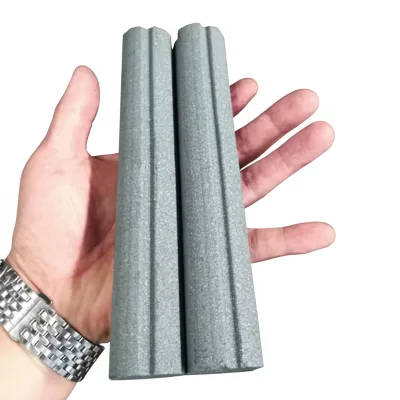
Procurement teams must first distinguish between the specific ferrite magnet blocks and the broader transformer or inductor assemblies often listed under similar search terms. The available data confirms the presence of anisotropic ferrite magnets in block shapes, alongside various transformer types like dry-type and rectifier units, and choke inductors with hive coil structures. Buyers should verify that the specific component required for their magnetic circuit is explicitly identified, as the listing signals a mix of permanent magnets, electronic transformers, and inductive components rather than a single uniform product line.
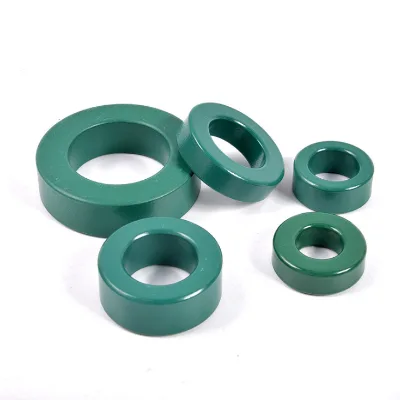
When evaluating the core keyword, it is critical to align the search with the actual physical attributes observed, such as the nickel coating on magnets or the specific winding forms like single-layer tight winds on transformers. The observed product models range from generic identifiers like "yx" and "ET" to specific core shapes like "EE19" and "OD" cores, indicating a diverse catalog. Sourcing strategies must account for this variety by requesting detailed datasheets that confirm the exact material composition, such as ferrite, and the intended application, whether for industrial protection, instrument usage, or resonance circuits.
Product Scope and Observed Listing Signals
The market signals indicate a wide spectrum of magnetic and electrical components, including permanent block magnets, dry-type transformers, and variable inductors, all originating primarily from Fujian, China. Buyers should note that while ferrite magnets are explicitly listed with anisotropic properties, other items like the "ET" model transformers and "FERRITE MAGNET" labeled inductors serve distinct functions in power frequency and high-frequency applications. This diversity requires precise filtering to ensure the selected item matches the specific electrical or mechanical requirements of the target assembly.
Listing observations reveal that packaging varies significantly, ranging from paper cartons with plastic foam for magnets to neutral packing with wooden cases for transformers. The presence of both single-phase and three-phase units, along with different winding types such as separated windings and hive coils, suggests that the supplier offers a broad portfolio rather than a specialized niche. Procurement teams must carefully cross-reference the observed shape, such as block or OD core, with the intended installation method, which is noted as active type for some units, to avoid compatibility issues in the final design.
Technical Specifications to Verify
Technical verification must begin with the magnetic circuit structure and the specific nature of the operation, as the data distinguishes between combined type circuits and choke coils used for resonance. Buyers should confirm whether the component is an anisotropic magnet or a core-type transformer, as the performance characteristics differ significantly between these categories. The observed winding forms, including single-layer tight winds and hive coils, directly impact the electrical efficiency and thermal management, making these parameters essential for validating the component's suitability for the specific voltage transformation or rectification needs.
Further scrutiny is required for the operating conditions and frequency characteristics, which range from power frequency to high-frequency applications depending on the specific model. The data indicates that some units are designed for indoor operation with insulating oil, while others function as rectifier transformers or general electronic components. It is imperative to verify the exact voltage transformation principle, such as the photoelectric type mentioned, and ensure the core structure, whether EE19 or OD, aligns with the required inductance values and magnetic flux density for the intended circuit design.
Compliance and Safety Documentation
Compliance verification should focus on the explicitly stated standards, which include ROHS, SGS, and CE certifications for the ferrite magnets and related components. These certifications are critical for ensuring that the materials used, particularly the nickel coating and ferrite composition, meet international environmental and safety requirements. Buyers must request current certification documents to confirm that the specific batch of products adheres to these standards, as the presence of these marks on the listing does not guarantee that every individual unit in a large order maintains the same level of compliance.
In addition to product-specific certifications, the documentation should address the broader safety protocols for handling electrical components like transformers and inductors. The observed usage for protection and rectification implies that the components must withstand specific electrical stresses without failure. Procurement teams should verify that the supplier provides test reports or safety data sheets that confirm the insulating medium, such as insulating oil, and the structural integrity of the core meet the necessary safety margins for the intended industrial or electronic application.
Cost Drivers and Commercial Terms
Cost structures are heavily influenced by the material composition, specifically the use of ferrite and the nickel coating, as well as the complexity of the winding and core structure. The observed MOQ range of 1 to 10,000 units suggests that pricing tiers will vary significantly based on order volume, with smaller orders likely incurring higher per-unit costs due to setup and handling fees. Buyers should anticipate that customizations, which are noted as available, will introduce additional variables into the pricing model, requiring a detailed breakdown of costs for any non-standard configurations.
Commercial terms must be carefully negotiated to account for the diverse packaging requirements, from standard export cartons to wooden cases for heavier transformers. The lead times and shipping costs will be affected by the origin location in Fujian, China, and the specific packing method chosen to ensure safe transit. Procurement teams should clarify whether the quoted price includes the cost of the paper carton and plastic foam or the neutral packing with wooden cases, as these packaging differences can significantly impact the total landed cost and the risk of damage during transit.
Supplier Qualification and Quality Control
Supplier qualification should prioritize manufacturers with a proven track record in producing ferrite magnets and electrical components that meet the observed standards of ROHS, SGS, and CE. The presence of multiple product models and types indicates a capable manufacturing base, but buyers must verify the supplier's ability to maintain consistency across different product lines, such as the transition from block magnets to complex transformer assemblies. Quality control processes should be audited to ensure that the anisotropic properties and magnetic circuit structures are consistently maintained across all batches.
Quality assurance protocols must include rigorous testing of the winding forms and core structures to prevent defects that could compromise the performance of the final assembly. The observed use of insulating oil and specific winding types like separated windings requires precise manufacturing controls to ensure electrical isolation and mechanical stability. Buyers should request evidence of in-process quality checks and final inspection reports that confirm the components meet the specified voltage transformation principles and frequency characteristics before shipment.
Long-Term Procurement Checks
Long-term procurement strategies should include regular audits of the supplier's ability to maintain the specified standards and product attributes over time. As the market evolves, the availability of specific ferrite grades and coating technologies may change, necessitating a proactive approach to ensure that the supply chain remains stable and compliant with updated regulations. Buyers should establish a schedule for periodic re-verification of certifications and material compositions to mitigate the risk of supply disruptions or non-compliance issues.
Sustainability and supply chain resilience are critical factors for long-term success, particularly given the reliance on specific raw materials like ferrite and the complex manufacturing processes involved. Procurement teams should monitor the supplier's inventory levels and production capacity to ensure they can meet fluctuating demand without compromising quality. Establishing a clear communication channel for updates on product changes, such as new winding forms or core structures, will help maintain the integrity of the supply chain and ensure that the components continue to meet the evolving needs of the application.
FAQs
What is the shape of the Mn-Zn Ferrite Core product?
The product is a block-shaped ferrite magnet. It is designed as an anisotropic magnet with a combined magnetic circuit structure. This form factor supports industrial magnet applications and instrument protection uses. The block shape allows for stable mounting in various electronic assemblies requiring specific magnetic field orientations.
Can the Mn-Zn Ferrite Core be customized for specific needs?
Yes, customization is available for this product. Buyers can request specific modifications to meet unique industrial or electronic requirements. The supplier supports tailored solutions for applications involving protection or instrument usage. This flexibility ensures the core fits precisely into diverse magnetic circuit structures and electronic device designs.
What certifications does the Mn-Zn Ferrite Core hold?
The product holds ROHS, SGS, and CE certifications. These standards ensure compliance with international safety and environmental regulations. The certifications verify the material quality and manufacturing processes. Buyers can rely on these documented standards for sourcing components that meet strict regulatory requirements in global markets.
Where is the Mn-Zn Ferrite Core manufactured?
The product originates from Fujian, China. This location is a known hub for electronic component manufacturing. The origin indicates the supply chain source for these ferrite cores. Buyers sourcing from this region can expect established logistics networks and competitive pricing structures for industrial and electronic components.
What is the coating on the Mn-Zn Ferrite Core?
The core features a nickel coating. This coating provides corrosion resistance and enhances durability in various operating conditions. The nickel layer protects the ferrite material from environmental degradation. This treatment is suitable for indoor operation and ensures long-term stability in electronic and industrial applications.
How is the Mn-Zn Ferrite Core packaged for shipping?
The product is packed in paper cartons and plastic foam. This packaging protects the cores from physical damage during transit. Some variants may use neutral packing with wooden cases. The secure packaging ensures the integrity of the ferrite material reaches the buyer without defects or breakage.