Source Decorative Single Layer Mesh Screen for cages, filters, and construction
Find 30 listings for Decorative Single Layer Mesh Screen suitable for cages, filters, and construction projects. Buyers can compare specifications like hole size, material, and thickness from verified suppliers in China.
Key considerations
Products List

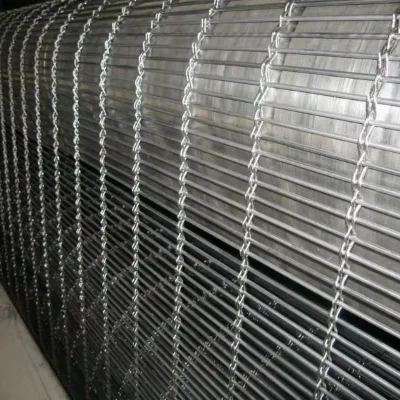


Top Quality Customized Designed Decorative Crimped Wire Mesh Screen
$3.00 - $20.00
MOQ: 10 Square Meters


Stainless Steel Metal Decorative Screen for Garden Partition Panel Decoration
$300.00 - $500.00
MOQ: 1 Square Meters


Comprehensive Sourcing Guide
Strategic Sourcing Guide for Decorative Single Layer Mesh Screen
Understanding Technical Specifications and Material Variants
When sourcing a Decorative Single Layer Mesh Screen, buyers must first navigate a complex landscape of technical attributes that define the product's functionality and aesthetic potential. The market offers a diverse array of configurations, ranging from perforated and stamped expanded metal to woven wire structures. A critical observation in the current supply base is the variation in hole shapes, which directly influences the decorative appeal and functional utility of the screen. Available configurations include fish scale patterns, typically associated with expanded metal techniques, and square hole geometries often found in woven or plain weave applications. The specific hole size can range from 1mm to 30mm, allowing for precise control over light transmission, airflow, and visibility.
Material selection is the second pillar of technical specification. The supply chain features products constructed from galvanized sheet plates, stainless steel wire, and brass wire. Each material offers distinct advantages; for instance, galvanized sheet plates are often processed with hot-galvanize surface treatments to enhance corrosion resistance, while stainless steel wire provides superior durability in harsh environments. Brass wire meshes are frequently marketed under keywords such as "Brass Mesh" or "Decorative Glass Wire Mesh," suggesting a specific aesthetic application. The thickness of these screens is equally variable, with observed specifications ranging from 0.3mm to 2.0mm, and in some standardized offerings, thicknesses between 0.5mm and 1.5mm. Buyers must verify the exact thickness required for their structural needs, as the weight classification can shift from middle-weight to heavy-weight depending on the gauge and material density.
Dimensional flexibility is another crucial technical factor. While some products adhere to standard dimensions such as 1000mm x 2000mm, many suppliers offer customization based on specific drawings. The width of the mesh is typically observed between 0.1m and 1.5m, with lengths extending up to 50m. For specialized applications, such as the "ags-brass glass mesh" model, dimensions may be more constrained, such as 200*300mm, or offered in standard lengths of 30m. The weave technique also plays a significant role; options include plain weave, stamping, and perforated techniques. Understanding these distinctions is essential before initiating a procurement process, as the wrong technical specification can lead to product failure or aesthetic mismatch.
Compliance, Certification, and Quality Verification
Ensuring that a Decorative Single Layer Mesh Screen meets industry standards and regulatory requirements is a fundamental step in the procurement process. While specific certification data varies by supplier, the presence of ISO certification is a notable attribute observed in certain product listings. Buyers should explicitly request proof of such certifications to verify that the manufacturing process adheres to recognized quality management systems. However, it is important to note that not every listed product may carry these certifications, and the absence of a stated certification in a product description does not necessarily indicate non-compliance, but rather a need for further verification.
Surface treatment is a critical area for quality verification, particularly regarding corrosion resistance. The supply base frequently mentions "Hot-galvanize" and "Galvanized" surface treatments, often achieved through wire annealing processes. For buyers operating in environments with high humidity or exposure to salt, verifying the thickness and uniformity of the galvanization is vital. Similarly, for stainless steel or brass variants, the purity and grade of the metal must be confirmed to ensure long-term performance. The "Weave Characteristic" of stamping or plain weave also impacts the structural integrity of the mesh. Buyers should request test results or mill certificates that confirm the mechanical properties of the material, such as tensile strength and elongation, especially for applications involving construction wire mesh or protective barriers.
In addition to material certifications, buyers must verify the origin of the product. The supply chain includes manufacturers from Hebei, Anping, and Shanghai in China. While these regions are known for wire mesh production, the specific origin can influence logistics costs and lead times. Anping, in particular, is historically significant for wire mesh manufacturing, but buyers should treat the origin as a logistical variable rather than a guarantee of quality. The packaging standards, which range from inner plastic film with wooden pallets to wooden cases or trays, also serve as an indicator of the supplier's attention to detail. Proper packaging is essential to prevent damage during transit, which can compromise the decorative finish of the mesh.
Cost Drivers and Pricing Dynamics
The pricing of decorative single layer mesh screens is influenced by a multitude of factors, creating a wide observed range from $0.5 to $980 per unit or batch. This variance is not arbitrary but is driven by the complexity of the material, the scale of the order, and the level of customization required. The material type is a primary cost driver; brass wire and stainless steel wire generally command higher prices than galvanized sheet plates due to the raw material costs and processing requirements. Furthermore, the thickness of the mesh directly impacts the weight and material usage, with heavier-weight options typically costing more than middle-weight variants.
Customization is another significant factor in pricing. While many suppliers offer OEM and ODM services, allowing for tailored hole shapes, sizes, and dimensions, these services often incur additional costs. The standard length of 30m or 50m may be more economical than producing custom lengths, although the ability to customize dimensions according to drawings is a key value proposition. The Minimum Order Quantity (MOQ) also plays a role in the unit price, with observed ranges spanning from 1 to 2000 units. Buyers ordering at the lower end of the MOQ spectrum may face higher per-unit costs, whereas bulk orders can leverage economies of scale to reduce the price.
Additional cost considerations include the surface treatment and packaging. Hot-galvanize techniques and specialized packaging in wooden cases or trays add to the overall cost. Buyers should also factor in logistics and shipping, which can vary significantly based on the product's weight and dimensions. The origin of the product, whether from Hebei, Anping, or Shanghai, will affect freight costs and lead times. It is advisable for buyers to request detailed quotations that break down these cost components to ensure transparency and avoid hidden expenses. Understanding these cost drivers allows buyers to make informed decisions that balance budget constraints with quality requirements.
Typical Applications and Functional Requirements
Decorative single layer mesh screens serve a wide array of applications, ranging from architectural aesthetics to industrial utility. The observed usage categories include road construction, railway construction, civil building, water conservancy construction, aquaculture, and protection. In the context of decorative applications, these screens are often utilized as protective mesh, filter screens, or sieving devices for diversified pellets. The versatility of the product is evident in its ability to function as a barbecue wire mesh, a cage, or a decorative element in building facades.
The specific application dictates the required technical specifications. For instance, in construction wire mesh applications, the mesh must provide structural support and protection, requiring a specific thickness and weave technique. In filtration or screening applications, the hole size and shape are critical for separating materials effectively. The "Fish Scale" hole shape is particularly noted for its decorative appeal and is often used in architectural cladding or interior design elements. Conversely, square hole shapes are common in industrial screening and filtration processes. The color of the mesh, such as the yellow variant observed in some listings, can also be a functional requirement for visibility or safety in certain environments.
Buyers must align the product's attributes with their specific project needs. For example, a project requiring a decorative glass wire mesh may prioritize the aesthetic qualities of brass or stainless steel, while a project focused on aquaculture protection may prioritize the durability and corrosion resistance of galvanized sheet plates. The ability to customize the mesh, including dimensions and hole patterns, allows for tailored solutions that meet diverse functional requirements. Understanding these applications helps buyers narrow down the vast array of available options to those that best suit their specific use cases.
Supplier Evaluation and Selection Criteria
Selecting the right supplier for decorative single layer mesh screens requires a rigorous evaluation process that goes beyond simple price comparisons. Buyers should assess the supplier's technical capabilities, including their ability to produce customized products with specific hole shapes, thicknesses, and dimensions. The availability of OEM and ODM services is a strong indicator of a supplier's flexibility and commitment to meeting client needs. Additionally, the supplier's production capacity and lead times should be evaluated to ensure they can meet project deadlines.
Quality control is another critical factor in supplier selection. Buyers should inquire about the supplier's quality assurance processes, including material testing, surface treatment verification, and final product inspection. The presence of certifications, such as ISO, can provide additional confidence in the supplier's commitment to quality. However, buyers should verify these certifications directly rather than relying solely on product descriptions. The supplier's experience in the specific niche of decorative mesh is also important, as it indicates a deeper understanding of the aesthetic and functional requirements of the product.
Logistics and packaging capabilities are also essential considerations. The supplier should demonstrate a clear understanding of how to protect the product during transit, utilizing appropriate packaging such as wooden pallets, wooden cases, or trays. The origin of the product, whether from Hebei, Anping, or Shanghai, can influence shipping costs and lead times, so buyers should factor this into their decision-making process. Finally, the supplier's responsiveness and communication skills are vital for a successful procurement relationship. Buyers should engage with potential suppliers to gauge their willingness to provide detailed information and support throughout the procurement process.
Long-Term Procurement Considerations and Quality Control
Sourcing decorative single layer mesh screens is not just a one-time transaction but a long-term relationship that requires careful planning and quality control. Buyers should establish clear quality control protocols that include pre-production samples, in-process inspections, and final product acceptance testing. These protocols should cover all critical aspects of the product, including material composition, dimensional accuracy, surface treatment quality, and packaging integrity. Regular audits of the supplier's manufacturing processes can help ensure consistent quality over time.
Long-term procurement also involves managing the supply chain's resilience. Buyers should consider the potential risks associated with supply disruptions, such as raw material shortages or logistical challenges. Diversifying the supplier base and maintaining open communication with multiple vendors can help mitigate these risks. Additionally, buyers should stay informed about market trends and technological advancements in mesh manufacturing to ensure they are always sourcing the most advanced and cost-effective solutions.
Sustainability is another growing consideration in long-term procurement. Buyers should evaluate the environmental impact of the materials and processes used by their suppliers. This includes assessing the recyclability of the materials, the energy efficiency of the manufacturing processes, and the supplier's commitment to reducing waste and emissions. By prioritizing sustainability, buyers can align their procurement strategies with broader corporate social responsibility goals and contribute to a more sustainable supply chain.
In conclusion, sourcing decorative single layer mesh screens requires a comprehensive understanding of technical specifications, compliance requirements, cost drivers, and supplier capabilities. By following a structured approach that emphasizes quality control, customization, and long-term relationship building, buyers can successfully navigate the complex market and secure high-quality products that meet their specific needs. The ability to verify product attributes, such as hole shape, material type, and surface treatment, is essential for making informed decisions and achieving optimal procurement outcomes.
FAQs
What materials are used for decorative single layer mesh screens?
Materials include galvanized sheet plate, stainless steel wire, and brass wire. Buyers can select based on corrosion resistance needs or aesthetic preferences like the yellow brass variant.
Which hole shapes are available for decorative single layer mesh screens?
Available hole shapes include fish scale patterns and square geometries. Fish scale shapes often suit decorative cladding, while square holes are common in industrial screening and filtration applications.
How can I customize the dimensions of a Decorative Single Layer Mesh Screen?
Customization is available based on specific drawings or standard sizes like 1000mm by 2000mm. Widths typically range from 0.1m to 1.5m, and lengths can extend up to 50m.
Can decorative single layer mesh screens be used for aquaculture protection?
Yes, these screens are suitable for aquaculture protection among other uses like road construction and civil building. The material choice, such as galvanized sheet, ensures durability in such environments.
What is the typical thickness range for decorative single layer mesh screens?
Thickness ranges from 0.3mm to 2.0mm, with some standardized options between 0.5mm and 1.5mm. Heavier-weight options are available for applications requiring greater structural integrity.
How are decorative single layer mesh screens packaged for shipping?
Packaging options include inner plastic film with wooden pallets, wooden cases, or trays. Proper packaging prevents damage during transit and protects the decorative finish of the mesh.