Source Decorative Shell Car Key Holder for protection, replacement, and customization
Find 30 options for the Decorative Shell Car Key Holder designed to protect and replace original cases. Buyers can compare alloy and leather materials, die-casting processes, and customization features across multiple models from Guangdong suppliers.
Key considerations
Products List


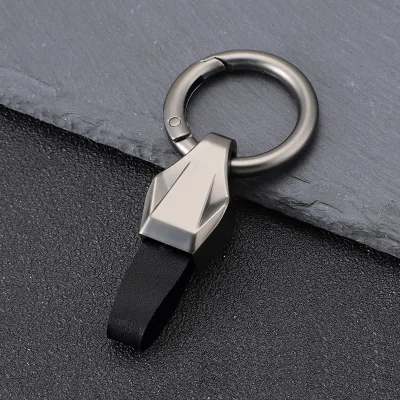


China Custom Metal Plastic Leather Enamel Printing Logo Character Car Key Holder
$0.10 - $0.50
MOQ: 100 Pieces


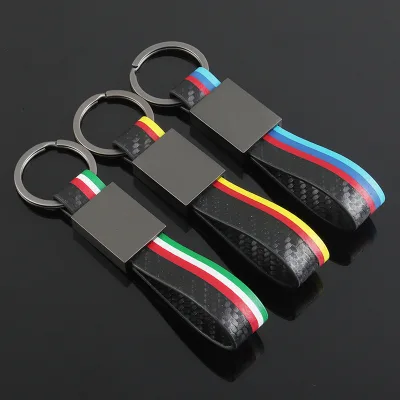


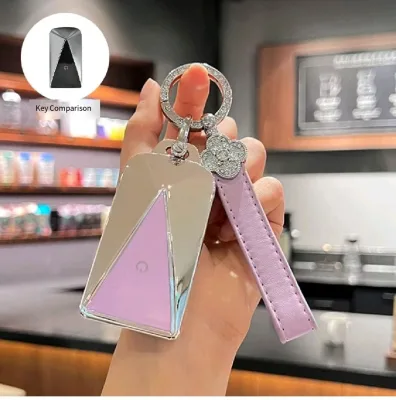


Comprehensive Sourcing Guide
Decorative Shell Car Key Holder Sourcing Guide
Sourcing decorative shell car key holders requires a nuanced understanding of the intersection between automotive accessory aesthetics and functional durability. These products serve as protective casings for vehicle keys, often integrating branding elements or unique design features to enhance the user experience. Buyers must navigate a market where materials range from industrial alloys to premium leathers, each offering distinct advantages in terms of weight, tactile feel, and resistance to environmental wear. The decision to source these items is often driven by the need for OEM customization, allowing brands to embed logos or specific design motifs directly into the shell structure.
The procurement landscape for these accessories is characterized by high variability in model numbers and material compositions. Suppliers frequently offer extensive catalogs, with some listing over two thousand distinct models to accommodate various key shapes and sizes. This breadth of selection necessitates a rigorous verification process to ensure that the selected shell fits the specific key mechanism it is intended to protect. Buyers should prioritize suppliers who provide clear dimensional specifications and compatibility data, as a mismatch in size can render the product unusable for the end consumer.
Product Scope and Observed Listing Signals
The observed market signals indicate a diverse range of product configurations, primarily centered around alloy and genuine leather materials. Listings frequently highlight zinc alloy construction, often processed through die-casting and electroplating to achieve a high-quality finish. These metal-based shells are marketed for their durability, with claims of resisting deformation after folding and offering a long service life. The aesthetic appeal is further enhanced by features such as car-shaped designs, business-style aesthetics, and the availability of custom logos, catering to both individual consumers and corporate gifting markets.
In contrast to metal options, some listings feature genuine leather constructions, emphasizing a more traditional and luxurious feel. These leather-based holders often come with specific dimensional constraints, such as leather widths designed to fit keys of varying thicknesses, typically ranging from 0.5cm to 1cm. The packaging for these items varies, with some suppliers using poly bags and others opting for OPP bags, which can impact the perceived value and protection during transit. Buyers should carefully review the packaging details to ensure they align with their retail or distribution requirements, as improper packaging can lead to damage or a diminished unboxing experience.
Technical Specifications to Verify
Verifying the physical dimensions and fitment of the key holder is the most critical technical step in the sourcing process. The product specifications often include precise measurements, such as a size of 7.5*3.5cm, but these must be cross-referenced with the actual key model to ensure a snug fit. The leather width is a particularly important variable, as it determines whether the key can be securely inserted without excessive play or force. Buyers should request detailed technical drawings or physical samples to confirm that the internal cavity of the shell matches the dimensions of their target key, preventing issues with key blade exposure or button accessibility.
Material composition and surface treatment are also key technical factors that influence the product's longevity and appearance. Zinc alloy shells typically undergo electroplating to provide a corrosion-resistant and visually appealing surface, while genuine leather options require treatment to maintain their texture and color over time. The weight of the product is another specification to note, with some models weighing as little as 0.045kg and others around 0.09kg. These weight differences can impact shipping costs and the overall user experience, so buyers should align the weight specifications with their target market's preferences for portability and perceived quality.
Compliance and Safety Documentation
While specific certification requirements for decorative key holders may vary by region, buyers should ensure that materials used in production comply with general safety standards for consumer goods. For metal components, this includes verifying that the electroplating process does not involve hazardous substances that could pose a risk to users. In the case of leather products, buyers should confirm that the tanning and finishing processes adhere to environmental and safety regulations, particularly regarding the use of chromium or other chemicals. Although specific certification statuses are not always listed, requesting material safety data sheets (MSDS) or compliance declarations from suppliers is a prudent step to mitigate liability.
Intellectual property and branding compliance are also essential considerations when sourcing customized key holders. Suppliers offering OEM/ODM services must have the legal right to produce designs that incorporate copyrighted logos or proprietary key shapes. Buyers should ensure that their own branding materials are properly licensed and that the supplier agrees to maintain confidentiality and exclusivity where required. Additionally, verifying that the supplier adheres to standard trade practices regarding product labeling and origin marking is crucial for smooth customs clearance and retail compliance in destination markets.
Cost Drivers and Commercial Terms
The cost of decorative shell car key holders is influenced by several factors, including material choice, customization complexity, and order volume. Zinc alloy shells with electroplating and die-casting processes tend to be more expensive than basic leather options due to the higher material and processing costs. Customization, such as adding a car logo or specific branding, can also increase the unit price, especially for smaller order quantities. Buyers should negotiate pricing based on tiered volume discounts, as suppliers often offer competitive rates for larger orders, with some listing minimum order quantities (MOQs) as low as 50 pieces and others requiring up to 5000 pieces.
Commercial terms, including payment methods and delivery times, play a significant role in the overall procurement strategy. Suppliers typically accept payments via PayPal, Western Union, or TT, and offer various shipping options such as DHL, UPS, EMS, TNT, and FedEx. Delivery times can vary, with some suppliers promising a production time of about 10 days and a delivery time of 3-7 working days, while others may have longer lead times depending on the complexity of the order. Buyers should clarify these terms upfront to ensure they align with their inventory planning and customer delivery expectations, avoiding potential delays that could impact sales.
Supplier Qualification and Quality Control
Evaluating supplier qualification involves assessing their production capacity, quality control processes, and after-sales support. Suppliers with a monthly production capacity of 50,000 pieces are likely to have robust manufacturing processes and consistent quality standards. Buyers should inquire about the supplier's quality assurance protocols, including how they handle defects and ensure that each product meets the specified standards. Additionally, checking the supplier's warranty policies, such as a half-year warranty, can provide insight into their confidence in the product's durability and their commitment to customer satisfaction.
After-sales service is another critical factor in supplier selection, with some providers offering 24-hour support to address any issues that may arise post-purchase. Buyers should verify the supplier's responsiveness and willingness to resolve problems, such as damaged goods or incorrect shipments, to ensure a smooth business relationship. It is also advisable to review the supplier's company profile and location, with many operating out of Guangdong, China, a hub for automotive accessories manufacturing. This geographic concentration can offer advantages in terms of supply chain efficiency and access to specialized materials and components.
Long-Term Procurement Checks
Establishing long-term procurement relationships requires ongoing monitoring of product quality, supplier performance, and market trends. Buyers should regularly review customer feedback and return rates to identify any recurring issues with the key holders, such as material degradation or fitment problems. This data can be used to negotiate improvements with suppliers or to switch to alternative models that better meet customer expectations. Additionally, staying informed about emerging trends in automotive accessories, such as new key designs or popular customization styles, can help buyers stay competitive and responsive to market demands.
Continuous improvement in the supply chain is essential for maintaining a competitive edge in the Decorative Shell Car Key Holder market. Buyers should explore opportunities for cost reduction through volume consolidation, improved packaging efficiency, or alternative material sourcing. Building a diversified supplier base can also mitigate risks associated with single-source dependencies, ensuring that production can continue even if one supplier faces disruptions. By maintaining a proactive approach to supplier management and market analysis, buyers can secure a reliable supply of high-quality key holders that meet the evolving needs of their customers.
FAQs
What material is used for the Decorative Shell Car Key Holder?
The product is primarily made of zinc alloy or genuine leather depending on the specific model selected. Some variants feature die-casting processing with electroplating surface treatment to ensure durability and a premium finish for car key protection.
Can I customize the logo on the car key cover case?
Yes, customization is available for logos, including car brand logos or other designs upon request. The supplier supports OEM and ODM services to meet specific branding needs while maintaining the high quality and business style of the product.
Which models fit the original car key specifications?
Over 2000 models are available to fit original car keys with various leather widths ranging from 0.5cm to 1cm. Specific model numbers like CMZ01, CMZ, and CMVR10 are listed to ensure compatibility with different key sizes and shapes.
How long is the production time for bulk orders?
The standard production time is about 10 days for manufacturing the car key covers. After production, the delivery time is typically 3 to 7 working days via shipping methods like DHL, UPS, or FedEx from the Guangdong origin.
What is the minimum order quantity for this product?
The minimum order quantity varies by supplier but can be as low as 2 pieces or as high as 5000 pieces depending on the specific listing. Some standard listings specify an MOQ of 50 pieces or 100 pieces for immediate procurement.
Does the car key holder come with a warranty?
Yes, the product includes a half-year warranty to cover potential defects or quality issues. The supplier also provides 24-hour after-sales service to address any concerns regarding the long service life and non-deforming features of the key case.
How is the product packaged for shipping?
Each car key cover is individually packed in a poly bag or OPP bag to ensure protection during transit. The single package size is approximately 8x3x0.5 cm, making it compact and suitable for efficient global shipping via various courier services.