Source Desktop Aromatherapy Humidify Air Purifier for Home, Hotel, and Car
Find and compare 30 Desktop Aromatherapy Humidify Air Purifier options for home, hotel, and car use. Evaluate features like USB power, UV sterilization, and ionizer technology to select the right unit for your sourcing needs.
Key considerations
Products List


New Air Purifier Electric Aromatherapy Air Humidifier Aromatherapy Diffuser
$84.00 - $108.00
MOQ: 1 Pieces


Ultrasonic Humidifier Air Purifier Aroma Diffuser Remote Control Aroma Diffuser
$120.00 - $125.00
MOQ: 100 Pieces


Ultrasonic Air Humidifier Filter Cool Mist Aroma Scent Diffuser Aromatherapy
$14.70 - $17.16
MOQ: 500 Pieces


Essential Oil Diffuser Air Purifier SPA Ultrasonic Aroma Diffuser Humidifier
$9.00 - $10.50
MOQ: 1000 Pieces


Office Desktop Humidifier Fragrance Flame Diffuser Essential Oil Ultrasonic Aroma Diffuser
$10.94 - $11.14
MOQ: 100 Pieces

USB Mini Humidifier Air Purifier Essential Oil Fragrance Aroma Diffuser
$11.42 - $16.97
MOQ: 200 Pieces
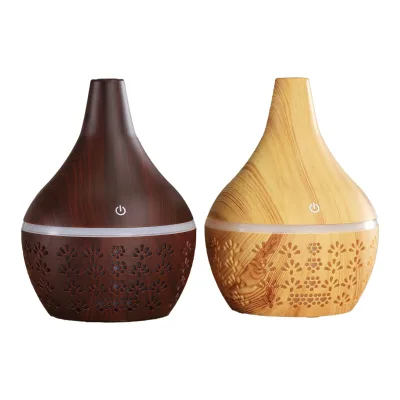
Comprehensive Sourcing Guide
Desktop Aromatherapy Humidify Air Purifier Sourcing Guide
Sourcing a Desktop Aromatherapy Humidify Air Purifier requires a nuanced understanding of how these hybrid devices integrate multiple environmental control functions into a single compact unit. Buyers must recognize that this category is not monolithic; it encompasses devices ranging from simple ultrasonic misters with basic ionization to complex units featuring HEPA filtration, UV sterilization, and advanced sensor systems. The primary value proposition for procurement teams lies in consolidating air quality management and ambient comfort into a footprint suitable for offices, hotel rooms, or small residential spaces. However, the convergence of these technologies introduces complexity in verification, as a device labeled as a "purifier" may rely solely on passive ionization, while another may utilize active mechanical filtration.
The decision to source these units often hinges on the specific operational environment and the desired balance between aesthetic integration and functional performance. For instance, a device intended for a medical or engineering setting may require industrial-grade multi-sensor systems and higher anion density outputs, whereas a unit for a hotel or household application might prioritize silent operation, USB power compatibility, and aesthetic portability. Procurement specialists must therefore define the exact use case before evaluating suppliers, as the technical specifications, certification requirements, and commercial terms can vary significantly between a consumer-grade portable unit and a professional-grade air treatment system.
Product Scope and Observed Listing Signals
The current market landscape for desktop aromatherapy humidify air purifiers reveals a diverse array of product configurations, with observed price points ranging from approximately $0.79 to $239 USD and minimum order quantities (MOQs) spanning from 1 to 3,000 units. This wide variance indicates that buyers can access both low-volume prototyping options and bulk industrial procurement, depending on their scale. The presence of products with an MOQ of just one unit suggests that suppliers are accommodating small-batch or sample orders, which is critical for initial quality assessment and market testing. Conversely, higher MOQs often correlate with more standardized, mass-produced models that may offer better economies of scale but less flexibility for customization.
Listing signals further highlight the functional diversity within this category. Some products are identified by specific model numbers such as "humidifier Z1" or "KJ-A9," indicating distinct product lines with potentially different internal architectures. Attributes such as "Non-mist" humidification versus "Mist Discharge" suggest that buyers must carefully distinguish between devices that release visible vapor and those that may use alternative methods to increase ambient humidity. Additionally, the presence of features like "UV sterilization," "Air Ionizer" technology, and "HEPA Filter" types points to varying approaches to air purification. Buyers should note that while some listings claim high anion densities (e.g., >4,000,000 pcs/m³) and specific sterilization rates (e.g., 99.99%), these are specific product attributes that must be verified against the actual unit received, rather than assumed as universal category standards.
Technical Specifications to Verify
When evaluating technical specifications, the first critical distinction is the humidification method and power source. Buyers must verify whether the device utilizes ultrasonic technology, which is common for desktop units, and whether it operates on USB power or standard electrical input. USB-powered units offer greater portability and safety for desktop use, while electric-powered models may provide higher output capacity. The presence or absence of a timing function is another key differentiator; some units operate continuously or rely on automatic humidity control, while others require manual intervention or specific timing settings. Additionally, the inclusion of water shortage power-off protection is a vital safety feature that prevents damage to the device and ensures user safety, particularly in unattended office or hotel environments.
Air purification capabilities vary significantly in their operating principles and output metrics. Procurement teams should investigate whether the device employs an active plus passive operating principle, which may combine ionization with physical filtration. The type of filter, such as HEPA, and the air volume output (e.g., >400m³/h) are crucial for determining the effective coverage area, which some listings specify as 31-40m². Furthermore, the lifespan of components like plasma lamps (e.g., 25,000 hours) and the running time of the device (e.g., ≥30 minutes) provide insights into maintenance requirements and operational durability. Buyers must also consider the physical dimensions and installation type, as desktop and floor-standing models have different spatial requirements and stability considerations.
Compliance and Safety Documentation
Compliance with international standards is non-negotiable for desktop devices that combine electrical, humidification, and air purification functions. Buyers must verify that suppliers provide valid certification documents, which may include ISO, CE, RoHS, GS, and CQC marks, depending on the target market. These certifications indicate adherence to specific safety, electromagnetic compatibility (EMF), and environmental standards. For instance, LFGB certification is particularly relevant for devices that may come into contact with food-grade materials or essential oils used in aromatherapy, ensuring that the materials are safe for human exposure. The presence of SASO certification is also critical for suppliers targeting the Middle Eastern market, highlighting the importance of aligning certifications with the destination country's regulatory requirements.
Beyond product-level certifications, buyers should assess the supplier's adherence to broader quality management systems and production standards. The origin of the product, often listed as Shenzhen, China, provides context for the manufacturing ecosystem, but it does not guarantee quality without proper documentation. Buyers must request test reports that verify the claimed performance metrics, such as the air natural bacteria sterilization rate or the anion density output. It is essential to ensure that the certifications provided are current and issued by recognized testing bodies. Additionally, the product standard dimensions (e.g., 171723.5cm) and packing methods (e.g., original package, color box, or cardboard box) should be documented to ensure that the product meets logistical and retail presentation requirements.
Cost Drivers and Commercial Terms
The cost structure of desktop aromatherapy humidify air purifiers is influenced by several factors, including the complexity of the internal components, the type of certifications required, and the volume of the order. Products with advanced features such as UV sterilization, multi-sensor systems, and HEPA filters typically command higher prices due to the increased manufacturing complexity and component costs. Conversely, simpler units with basic ionization and non-mist humidification may be more cost-effective. Buyers should also consider the impact of customization on pricing, as available customization options may incur additional tooling or setup fees, especially for low MOQ orders.
Commercial terms, including lead times and payment conditions, play a significant role in the total cost of ownership. Delivery times can vary, with some suppliers offering a standard lead time of 30 days, which must be factored into inventory planning and supply chain resilience strategies. Buyers should negotiate clear terms regarding packaging, as the choice between original packaging, color boxes, or cardboard boxes can affect shipping efficiency and product protection. Additionally, the acceptance of small orders by suppliers provides flexibility for initial procurement but may come with higher per-unit costs. It is advisable to establish a clear understanding of the total landed cost, including shipping, duties, and any potential tariffs, to ensure accurate budgeting and profitability analysis.
Supplier Qualification and Quality Control
Supplier qualification is a critical step in mitigating procurement risks, particularly when dealing with hybrid devices that combine multiple technologies. Buyers should conduct thorough due diligence on potential suppliers, verifying their manufacturing capabilities, quality control processes, and track record in producing similar devices. The presence of a "Featured Function" such as an industrial-grade multi-sensor system suggests a higher level of technical sophistication, which should be corroborated by the supplier's ability to provide detailed technical documentation and support. Buyers must also assess the supplier's responsiveness to customization requests, as this can indicate their flexibility and commitment to meeting specific buyer requirements.
Quality control measures should be integrated into the procurement process to ensure that the delivered products meet the specified standards. This includes implementing pre-shipment inspections to verify product functionality, safety features, and aesthetic quality. Buyers should establish clear acceptance criteria based on the observed product attributes, such as the presence of automatic humidity control, the effectiveness of water shortage power-off protection, and the accuracy of air quality displays (or the lack thereof). Regular audits of the supplier's production line and quality management systems can help maintain consistency and identify potential issues before they impact the supply chain. Additionally, establishing a feedback loop for post-delivery performance monitoring can provide valuable insights for future procurement decisions.
Long-Term Procurement Checks
Long-term procurement success depends on the ability to monitor product performance and supplier reliability over time. Buyers should establish key performance indicators (KPIs) to track metrics such as defect rates, customer satisfaction, and after-sales support responsiveness. For devices with specific components like plasma lamps or HEPA filters, tracking the lifespan and replacement frequency can provide insights into the durability and maintenance costs associated with the product. Regular reviews of supplier performance against these KPIs can help identify trends and inform strategic decisions regarding supplier relationships and product portfolios.
Furthermore, buyers should stay informed about evolving regulatory requirements and market trends that may impact the sourcing of desktop aromatherapy humidify air purifiers. This includes monitoring changes in certification standards, such as updates to RoHS or CE directives, and assessing the impact of new technologies on product design and functionality. By maintaining a proactive approach to compliance and innovation, buyers can ensure that their procurement strategies remain aligned with market demands and regulatory expectations. Continuous engagement with suppliers to discuss product improvements and future developments can also foster stronger partnerships and drive mutual growth in the competitive landscape of air quality management devices.
FAQs
How does the humidification method work for this device?
The device uses a non-mist humidification method to release moisture into the air. This ultrasonic type operates without creating visible mist, making it suitable for desktop or floor-standing installation in homes and hotels.
What certifications do these products typically hold?
Products often carry ISO, CE, RoHS, GS, and LFGB certifications. Some models also include SASO, UR, and CQC marks, ensuring compliance with international safety and environmental standards for various applications.
Can I customize the packaging for bulk orders?
Yes, customization is available for packaging options like original packages or color boxes. Buyers can request specific packing styles to meet branding needs while maintaining the standard product specifications and quality.
Which power source is used for operation?
The unit operates using an electric power source with USB connectivity. This allows for flexible power options, supporting both desktop and floor-standing setups in home, hotel, or industrial environments.
How long is the delivery time for orders?
The standard delivery time is 30 days from order confirmation. This lead time applies to accepted small orders and larger quantities, ensuring timely supply for various project requirements.
What is the minimum order quantity for purchase?
The minimum order quantity starts at 1 unit for small orders. Larger orders can go up to 3000 units, providing flexibility for buyers ranging from individual consumers to large industrial clients.
Does the device include water shortage protection?
Some models feature water shortage power-off protection to prevent damage. However, other variants operate without this specific safety function, so buyers should verify the specific model features before purchasing.
Where are these products manufactured?
These products originate from Shenzhen, China. The manufacturing location supports efficient logistics and ensures access to a wide range of specifications and customization options for global buyers.