Source China Mainland Air Freshener for Cars, Bathrooms, Offices
Compare 30 listings of China Mainland Air Freshener from verified suppliers. Buyers can review specifications like capacity, material, and customization options for liquid and aerosol types suitable for various indoor environments.
Key considerations
Products List




Comprehensive Sourcing Guide
China Mainland Air Freshener Sourcing Guide
Sourcing air fresheners from China mainland manufacturers offers a strategic advantage for buyers seeking scalable production of both aerosol and spray-based fragrance solutions. The region’s mature supply chain infrastructure supports a wide variety of product forms, including seat-type perfumes, fabric refresher sprays, and bathroom air fresheners. Buyers can leverage the availability of OEM and ODM services to customize scents, packaging, and functional attributes to meet specific market demands in Asia, Africa, the Middle East, and the Americas. This flexibility allows brands to differentiate their offerings through unique design elements and tailored fragrance profiles while maintaining competitive production costs.
However, the diversity of available products requires careful evaluation to ensure alignment with target market regulations and consumer expectations. Listings indicate a broad range of specifications, from small 10ml bottles to larger 250ml aerosol cans, each with distinct logistical and safety implications. Procurement teams must navigate variations in container materials, primarily plastic, and packaging configurations, such as cartons holding 24 to 120 bottles. Understanding these structural differences is critical for optimizing shipping volume, minimizing damage risks, and ensuring that the final product meets the functional requirements of the end-user, whether for automotive, home, or commercial use.
Product Scope and Observed Listing Signals
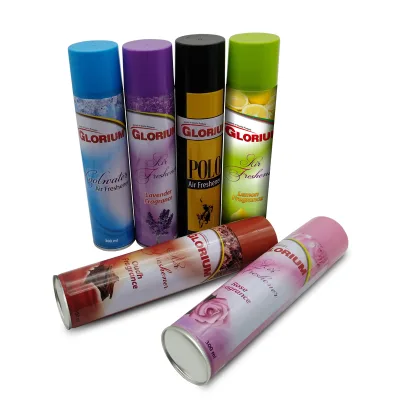
The current market landscape for China mainland air fresheners features distinct product categories defined by their application and delivery mechanism. One prominent segment includes seat-type perfumes designed for automotive interiors, often packaged in aerosol formats with capacities exceeding 200ml. These products are typically marketed for their long-lasting fragrance, with some listings claiming effectiveness for up to 24 hours. Another significant category comprises liquid fabric and bathroom refresher sprays, available in smaller volumes such as 10ml, 30ml, and 100ml. These sprays are often packaged in recyclable plastic bottles and are positioned as deodorizers that provide immediate odor neutralization for domestic or commercial spaces.
Observations from supplier listings reveal significant variability in customization options and service models. Many manufacturers offer free design services and accept both OEM and ODM orders, allowing buyers to create private-label products with specific branding and scent profiles. The target gender for these products is often listed as male, female, or unisex, indicating a broad appeal across different consumer demographics. Additionally, the shelf life of these chemical-based products is generally standardized at three years, providing buyers with ample time for distribution and inventory management. Buyers should verify these attributes directly with suppliers, as listing data may not always reflect the specific capabilities of every manufacturer.
Technical Specifications to Verify
Technical verification begins with confirming the physical dimensions and weight parameters of the product and its packaging, which directly impact logistics costs. For aerosol-based air fresheners, it is essential to verify the net weight of the can, often around 250g, and the gross weight, which may reach 300g per unit. The carton specifications are equally critical; for instance, a standard carton might measure 45x34x18 cm with a gross weight of 15kg and a volume of 0.0275 cubic meters. For spray bottles, buyers must confirm the bottle size, such as 100ml, and the packing density, which could range from 100 to 120 bottles per carton. These metrics determine the container load plan and freight charges, making precise verification a prerequisite for accurate cost modeling.
The chemical composition and functional claims of the air freshener must also be rigorously assessed to ensure product performance and safety. Buyers should request detailed ingredient lists to understand the chemical nature of the fragrance, noting that many products are classified as chemical-based refresher sprays. It is important to verify the duration of the fragrance effect, with some products claiming a 24-hour lasting power, and to confirm the specific usage claims, such as fabric refreshing or bathroom deodorizing. Additionally, the recyclability of the packaging materials, particularly plastic bottles, should be confirmed to align with sustainability goals. These technical details ensure that the product meets both functional expectations and environmental standards in the target market.
Compliance and Safety Documentation
Compliance with international safety standards is paramount when importing aerosol and chemical-based air fresheners. Buyers must verify that suppliers adhere to relevant transportation regulations for hazardous materials, as aerosol cans are often classified as dangerous goods due to their pressurized nature. This includes ensuring proper labeling, packaging, and documentation for sea or air freight. While some suppliers may claim certifications such as ISO 9001 for quality management or ISO 14001 for environmental management, these should be treated as background information rather than guaranteed facts. Buyers should request valid, up-to-date certification documents and verify their authenticity through independent bodies to ensure that the manufacturer maintains rigorous quality and safety protocols.
Furthermore, regulatory compliance in the destination market must be addressed, particularly regarding chemical safety and consumer product regulations. In regions like the European Union or North America, air fresheners may need to comply with specific labeling requirements, ingredient disclosures, and toxicity assessments. Buyers should inquire about the availability of Safety Data Sheets (SDS) and Material Safety Data Sheets (MSDS) for each product variant. These documents provide critical information on handling, storage, and emergency measures. Additionally, if the product is intended for use in specific environments, such as automotive interiors, buyers should verify that the fragrance does not leave residues or damage surfaces, a claim that requires empirical validation from the supplier.
Cost Drivers and Commercial Terms
The cost structure of air fresheners is influenced by several key factors, including raw material prices, packaging complexity, and order volume. Plastic containers and chemical ingredients are primary cost drivers, with prices fluctuating based on global market trends. The choice between aerosol and spray formats also affects pricing, as aerosol cans require more complex manufacturing processes and safety testing. Buyers should note that observed price ranges can vary significantly, from as low as $0.08 to $40 per unit, depending on the product type, customization level, and order quantity. Understanding these variations helps in setting realistic budget expectations and negotiating favorable terms with suppliers.
Minimum Order Quantities (MOQs) and payment terms are critical commercial considerations that impact cash flow and inventory management. Listings indicate MOQs ranging from 1,000 to 24,000 pieces, with some specific products requiring 3,000 or 10,000 pieces. Higher MOQs often result in lower unit prices, but buyers must balance this with their storage capacity and sales velocity. It is advisable to negotiate flexible MOQs for initial orders to test market response before committing to larger volumes. Additionally, buyers should clarify payment terms, such as deposits and balance payments, and ensure that contracts include clauses for quality assurance and defect resolution. Clear commercial terms reduce financial risk and foster a stable supplier relationship.
Supplier Qualification and Quality Control
Supplier qualification involves a thorough assessment of the manufacturer’s production capabilities, quality control systems, and track record. Buyers should prioritize suppliers located in established manufacturing hubs, such as Guangdong, China, where infrastructure and expertise in chemical and packaging industries are concentrated. It is essential to verify the supplier’s ability to handle both OEM and ODM projects, ensuring they have the technical expertise to customize products according to specific requirements. Requesting samples is a crucial step in evaluating product quality, scent accuracy, and packaging durability. Buyers should test these samples under real-world conditions to assess performance, longevity, and user experience.
Quality control processes must be clearly defined and agreed upon before production begins. Buyers should inquire about the supplier’s internal quality assurance measures, including raw material inspection, in-process checks, and final product testing. Establishing a clear acceptance criteria for defects, such as leakage, incorrect labeling, or fragrance inconsistency, is vital. Additionally, buyers may consider hiring third-party inspection services to conduct pre-shipment inspections, ensuring that the goods meet the agreed-upon specifications before leaving the factory. This proactive approach minimizes the risk of receiving substandard products and helps maintain brand reputation in the target market.
Long-Term Procurement Checks
Long-term procurement success depends on continuous monitoring of supplier performance and market dynamics. Buyers should establish key performance indicators (KPIs) to evaluate suppliers on metrics such as on-time delivery, product quality consistency, and responsiveness to issues. Regular communication and periodic audits can help identify potential problems early and foster a collaborative relationship. Additionally, buyers should stay informed about changes in regulations, consumer preferences, and raw material costs that may impact the air freshener market. Adapting to these changes ensures that the product portfolio remains competitive and compliant over time.
Sustainability and innovation are increasingly important factors in the air freshener industry. Buyers should explore opportunities to work with suppliers who are developing eco-friendly packaging solutions, such as recyclable or biodegradable materials. Additionally, staying abreast of new fragrance technologies and delivery mechanisms can provide a competitive edge. By maintaining a flexible and forward-thinking procurement strategy, buyers can mitigate risks, capitalize on new opportunities, and build a resilient supply chain that supports long-term business growth. This proactive stance ensures that the sourcing strategy evolves in tandem with market demands and regulatory landscapes.
FAQs
What customization options are available for air fresheners?
Customization is available for these products, allowing buyers to tailor designs. The service includes OEM and ODM options to meet specific branding needs. Buyers can request free design services for their unique requirements.
Which specifications are offered for the air freshener models?
Models are available in various specifications including 10ml, 30ml, 100ml, and 250ml capacities. The product form is liquid or aerosol spray. Specific models like FL-12 come with defined standard sizes for different usage scenarios.
Can buyers find suppliers with low minimum order quantities?
Minimum order quantities vary significantly across listings, ranging from 10 to 24,000 pieces. Some specific product entries list an MOQ of 3,000 pieces, while others require 10,000 pieces. Buyers should check individual supplier listings for exact thresholds.
How long does the air freshener scent last?
The product is designed to last for 24 hours per application. This duration is highlighted as a key advantage for fabric and room refresher sprays. The shelf life of the product itself is three years when stored properly.
What materials are used for the packaging and containers?
The containers are made of plastic and are noted as recyclable. Packaging typically consists of cartons containing 24 or 100 bottles depending on the specific product variant. The gross weight of a full carton is approximately 15 kilograms.
Where are these air fresheners manufactured?
The products originate from Guangdong, China, or generally from China. This location is specified for multiple product entries in the catalog. Buyers can expect manufacturing to take place within the mainland region of China.
What is the shelf life of the liquid air freshener?
The shelf life is three years for the liquid air freshener products. This duration ensures stability for storage and distribution before use. Buyers should verify the specific expiration details on the product label upon receipt.