Source Diesel Engine Shutoff Solenoid Valve for Generators, Engines, and Units
Find 30 Diesel Engine Shutoff Solenoid Valve options from verified suppliers. Compare specifications like voltage, model numbers, and warranty terms for applications in diesel generators and common units.
Key considerations
Products List
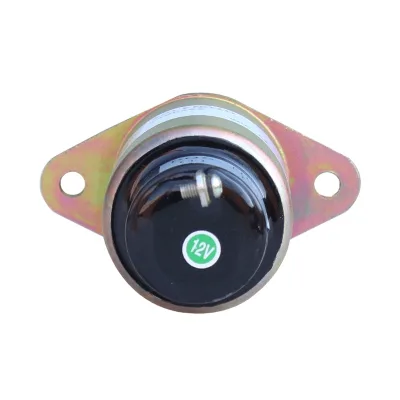


Fuel Shutoff Solenoid Valve 12V/24V for Diesel Engine Generator Set Replacement
$59.76 - $65.31
MOQ: 1 Pieces

Universal Fuel Shutoff Solenoid Valve for Generator, Excavator and Loader Equipment
$59.76 - $65.31
MOQ: 1 Pieces


Comprehensive Sourcing Guide
Strategic Sourcing Guide for Diesel Engine Shutoff Solenoid Valves
Procuring a Diesel Engine Shutoff Solenoid Valve requires a disciplined approach that balances technical compatibility with supply chain reliability. These components are critical safety devices designed to cut off fuel supply to the engine in the event of an emergency or during normal shutdown procedures. The market for these valves is characterized by a wide array of specifications, voltage requirements, and mounting configurations. Buyers must navigate a complex landscape where a single mismatch in part number or electrical rating can lead to equipment failure. This guide outlines the essential factors for sourcing these components effectively, relying on verified product attributes and industry standards to ensure a successful procurement process.
Technical Specifications and Compatibility Verification
The primary challenge in sourcing a Diesel Engine Shutoff Solenoid Valve lies in matching the specific technical requirements of the target engine. The product data indicates that these valves are not universal; they are often engineered for specific engine types, such as diesel generators or common units used in industrial applications. A critical variable is the operating voltage, which is observed to be available in both 12V and 24V configurations. Selecting the incorrect voltage can result in immediate failure or damage to the control circuitry.
Furthermore, the physical dimensions and mounting requirements must be verified against the existing engine housing. The observed specifications include a screw mounting hole distance of 55mm, a detail that is non-negotiable for proper installation. Buyers should also examine the product model numbers, which vary significantly across listings, such as 3906398, 1751-24, SA-3765-24, and 000-012. These identifiers are often linked to specific OEM part numbers, such as SA-3765-24, which serves as a crucial reference for cross-referencing compatibility. The functional mechanism is typically described as a "Push" type, indicating the actuation method, and the application is strictly defined as a fuel stop function.
When evaluating technical data, buyers must also consider the packaging and weight specifications, which can impact shipping costs and handling. Observed data points to a single package size of 20x20x20 cm and weights ranging from 0.8 kg to 1.0 kg. While these seem minor, they are essential for logistics planning. Additionally, the cooling method for the associated engine system, often air-cooled in portable applications, should be considered to ensure the solenoid operates within acceptable thermal limits. The availability of customization is another technical factor, allowing buyers to request specific modifications if standard models do not fit unique engine configurations.
Compliance, Certification, and Material Standards
Ensuring that the solenoid valve meets international safety and quality standards is a fundamental requirement for B2B procurement. The supply chain for these components often originates from manufacturing hubs in China, specifically Guangdong and Fujian provinces. While the region is a major producer, the presence of origin does not guarantee compliance. Buyers must actively verify certifications such as CE, which indicates conformity with health, safety, and environmental protection standards for products sold within the European Economic Area.
Material composition is another critical compliance aspect. The product attributes explicitly mention that the material is Copper, a standard choice for solenoid coils due to its high electrical conductivity and thermal properties. However, buyers should request material test reports to confirm the purity and grade of the copper used, as substandard materials can lead to overheating and premature failure. The product standard is sometimes listed as a "Standard Component," but this is a generic descriptor. Procurement teams should demand specific documentation regarding the manufacturing standard, such as ISO certifications, to ensure the production process adheres to rigorous quality management systems.
The warranty terms observed in the market vary, with listings offering 3 months, 1 year, or a range of 3 months to 1 year. While a warranty is a form of compliance assurance, it is not a substitute for independent certification. Buyers should treat the warranty period as a reflection of the supplier's confidence in their product rather than a guarantee of performance. It is imperative to verify if the product meets specific industry standards for diesel engine components, which often exceed general electrical safety requirements. The absence of a specific standard number in the general listing should prompt a direct inquiry to the supplier for the exact technical standard governing the product's design and testing.
Cost Drivers and Pricing Dynamics
The pricing of diesel engine shutoff solenoid valves is influenced by several factors, including voltage rating, material quality, and order volume. The observed price range in the market spans from 1 to 75 USD, a significant variance that reflects differences in quality, brand reputation, and technical complexity. Lower-priced items may correspond to generic models with standard specifications, while higher-priced units might include enhanced durability features, specific OEM certifications, or custom engineering.
Order Volume is a primary driver of cost. The Minimum Order Quantity (MOQ) observed ranges from 1 to 50 units. Buyers purchasing small quantities for maintenance or prototyping may face higher per-unit costs but benefit from the flexibility of low MOQs. Conversely, bulk purchasers can negotiate better rates, though the specific discount structures are not publicly standardized. The selling unit is typically listed as a "Single item," suggesting that the base price is for one valve, but bulk pricing tiers may be available upon negotiation.
Additional cost factors include packaging and shipping. The standard packing is listed as cartons, which are suitable for protecting the valve during transit. However, for international shipments, the weight of the product (0.8 kg to 1.0 kg) and the package dimensions (20x20x20 cm) will directly impact freight charges. Buyers should also consider the potential costs associated with customization. While customization is available, it often incurs additional tooling or engineering fees that are not reflected in the base price. Finally, the delivery timeline, observed as "After Paid 2 days" for some suppliers, can influence the total cost of ownership if expedited shipping is required to minimize equipment downtime.
Typical Applications and Operational Context
Diesel engine shutoff solenoid valves are integral to a variety of industrial and commercial applications. The primary use case identified is for diesel generators, where the valve serves as a critical safety mechanism to stop the engine in case of overspeed, low oil pressure, or other fault conditions. The application extends to "Common Units," which implies their use in general-purpose diesel engines found in construction equipment, agricultural machinery, and backup power systems.
The versatility of these valves is highlighted by their compatibility with various engine brands. The product attributes mention specific applications for Kubota and Lister Petter engines, indicating that these valves are often designed to fit well-known engine architectures. The "Engine type" is consistently listed as Diesel Engine, and the "Usage" is specifically noted as a solenoid for Kubota in some contexts, while others list it for Lister Petter. This suggests that while the core technology is similar, the physical interface and electrical characteristics may vary between different engine manufacturers.
The installation method is described as "Portable," which suggests these valves are designed for systems that may require frequent maintenance or relocation. The conditions of use are specified as "Land Use," indicating they are not intended for marine or extreme off-road environments without additional protection. The cooling method for the associated system is typically air-cooled, which is common for smaller to medium-sized diesel engines. Buyers must ensure that the solenoid valve is rated for the specific operating environment of their application, considering factors such as ambient temperature, dust exposure, and vibration levels.
Supplier Evaluation and Quality Control
Evaluating suppliers for diesel engine shutoff solenoid valves requires a rigorous assessment of their capabilities and track record. The brand name "Lixise" appears in the product data, but buyers should not rely on a single brand name as a proxy for quality. Instead, they should evaluate the supplier based on their ability to provide consistent quality, adherence to specifications, and responsiveness to technical queries. The availability of stock is a key indicator of supplier reliability, with many listings confirming "YES" for stock availability, which reduces lead times for urgent orders.
Quality control should be a central part of the supplier selection process. The product attributes list "High" as a quality descriptor, but this is a subjective claim. Buyers should request evidence of quality control processes, such as incoming material inspections, in-process testing, and final product validation. The "Standard Component" designation suggests that the valves are mass-produced, which can lead to consistency issues if the supplier does not have robust quality assurance protocols. Buyers should verify if the supplier conducts functional tests on the solenoid valves to ensure they operate correctly at the specified voltage and within the required temperature range.
Communication is another vital aspect of supplier evaluation. The product attributes mention "Multiple Language" support, which can be beneficial for international buyers. However, buyers should assess the depth of technical knowledge provided by the supplier's support team. Can they provide detailed wiring diagrams, installation manuals, and troubleshooting guides? The ability to offer customization is also a strong indicator of a supplier's technical capability, as it demonstrates their flexibility in meeting specific client needs.
Long-Term Procurement Considerations
Sourcing diesel engine shutoff solenoid valves is not just a one-time transaction but a long-term procurement relationship. The warranty terms, ranging from 3 months to 1 year, provide a baseline for product reliability, but buyers should consider the total cost of ownership over the life of the equipment. A lower upfront cost may result in higher maintenance costs if the valve fails prematurely. Therefore, investing in higher-quality components with longer warranty periods and better certifications can yield significant savings over time.
Supply chain resilience is another critical consideration. The lead time for delivery is observed as "After Paid 2 days" for some suppliers, which is excellent for immediate needs. However, buyers should plan for potential disruptions by maintaining a relationship with multiple suppliers. The location of the suppliers, primarily in Guangdong and Fujian, China, offers access to a robust manufacturing base, but geopolitical factors and logistics challenges can impact delivery times. Buyers should develop contingency plans to ensure a steady supply of these critical components.
Finally, the potential for future customization and upgrades should be factored into the procurement strategy. As engine technologies evolve, the requirements for shutoff solenoid valves may change. Suppliers that offer customization and have a history of adapting to new standards are better positioned to support long-term needs. Buyers should also monitor the market for new certifications and standards that may affect the compatibility and safety of their existing equipment. By maintaining a proactive approach to procurement, buyers can ensure the continued reliability and safety of their diesel engine systems.
Comparative Analysis of Key Product Attributes
To facilitate decision-making, the following table summarizes the key attributes observed in the market for diesel engine shutoff solenoid valves. This comparison highlights the variability in specifications and helps buyers identify the most suitable options for their specific needs.
| Attribute | Observed Range / Options | Significance for Procurement |
|---|---|---|
| Voltage | 12V, 24V | Critical for electrical compatibility; mismatch causes failure. |
| Mounting Hole Distance | 55mm | Physical fitment requirement; must match engine housing. |
| Model Numbers | 3906398, 1751-24, SA-3765-24, 000-012 | Essential for cross-referencing with OEM part numbers. |
| Material | Copper | Affects conductivity and thermal performance. |
| Warranty | 3 Months, 1 Year, 3mo-1yr | Indicator of supplier confidence and product durability. |
| Packaging | Cartons (20x20x20 cm) | Impacts shipping costs and product protection. |
| Weight | 0.8 kg - 1.0 kg | Influences freight charges and handling requirements. |
| Origin | Guangdong, Fujian, China | Indicates manufacturing hub; verify specific factory standards. |
| Certification | CE, ISO (implied) | Required for regulatory compliance in many markets. |
| MOQ | 1 - 50 units | Determines minimum order volume and cost efficiency. |
| Delivery Time | After Paid 2 days | Affects inventory planning and downtime management. |
This table serves as a reference for buyers to quickly assess the feasibility of different suppliers and products. By focusing on these core attributes, procurement teams can make informed decisions that align with their technical requirements and operational constraints. The variability in these attributes underscores the importance of thorough due diligence before finalizing any purchase.
FAQs
What voltage options are available for the Diesel Engine Shutoff Solenoid Valve?
The valve is available in both 12V and 24V configurations to match different engine electrical systems. Buyers must verify their specific engine requirements before ordering to prevent immediate failure or damage to the control circuitry.
Which mounting specifications should I check for compatibility?
The screw mounting hole distance is observed to be 55mm for compatible units. This physical dimension is non-negotiable for proper installation, so buyers must measure their existing engine housing against this specification.
Can I find suppliers offering customization for this solenoid valve?
Yes, customization is available for buyers who need specific modifications for unique engine configurations. This service allows for tailored solutions when standard models do not fit the specific technical requirements of the application.
What certifications are available for the copper material used in the valve?
Some listings indicate CE certification and ISO compliance for the copper material used in the solenoid coils. Buyers should request specific documentation to confirm the manufacturing standard and ensure the product meets international safety requirements.
How long is the delivery time after payment is made?
The delivery time is observed as two days after payment is made for some suppliers. This rapid turnaround supports urgent maintenance needs, though lead times may vary depending on stock availability and specific supplier policies.
What warranty periods are offered for the Diesel Engine Shutoff Solenoid Valve?
Warranty terms vary between 3 months and 1 year depending on the specific supplier and product listing. A longer warranty period often reflects the supplier's confidence in the product quality and durability over time.
Which engine brands are compatible with this solenoid valve?
The valve is compatible with specific engine brands such as Kubota and Lister Petter. Buyers should cross-reference the model number and part number to ensure the valve fits the specific architecture of their diesel generator or engine.