Source Diesel Engine Repair Valve Guide for Marine, Overhaul, and Replacement
Compare 30 listings for Diesel Engine Repair Valve Guide from verified Chinese suppliers. Options include steel and alloy materials with varying warranty periods and delivery times for machinery repair shops.
Key considerations
Products List
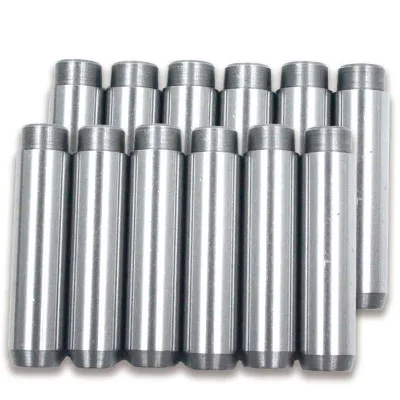
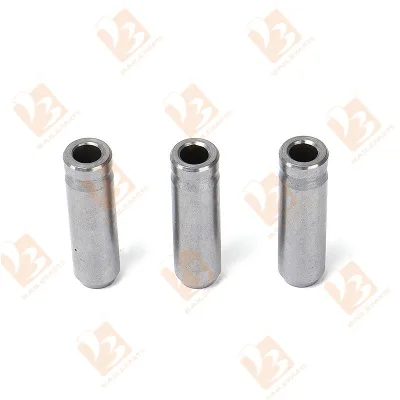


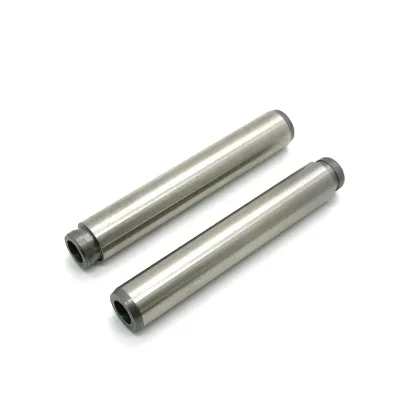
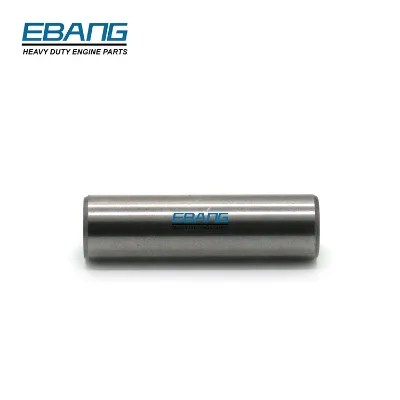


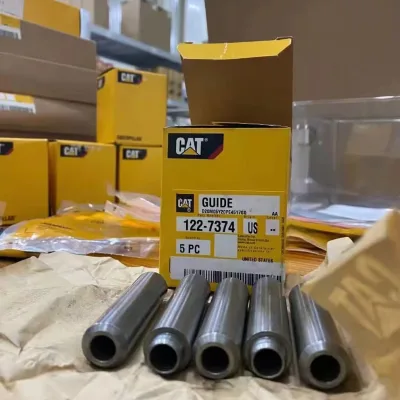

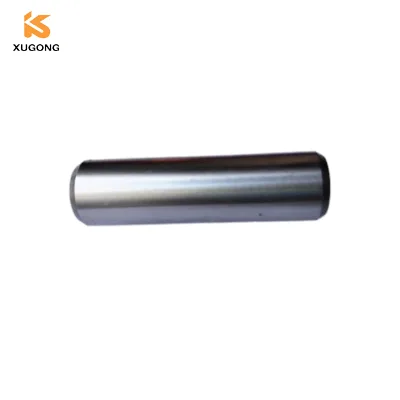


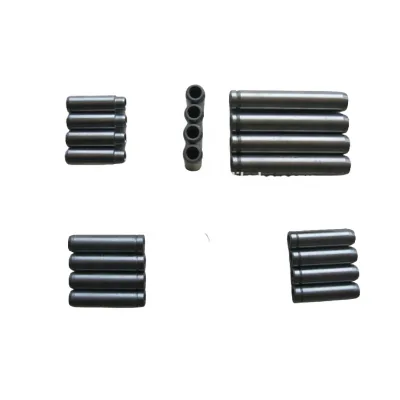


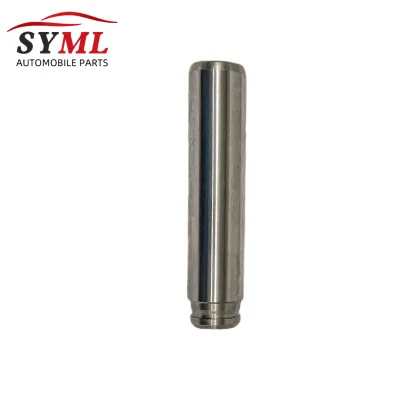
Comprehensive Sourcing Guide
Strategic Sourcing Guide for Diesel Engine Repair Valve Guides
Understanding Technical Specifications and Material Integrity
When sourcing a Diesel Engine Repair Valve Guide, the primary objective is to identify components that meet rigorous dimensional and material standards to ensure engine longevity. The valve guide serves as a critical interface, directing the valve stem and maintaining proper alignment within the cylinder head. Based on available market data, buyers must scrutinize the specific material composition, as the supply chain offers both Steel and Alloy variants. Steel is frequently cited for its durability in standard applications, while Alloy materials may be selected for specific thermal or wear-resistance requirements.
Dimensional precision is non-negotiable in this category. Procurement documents indicate that critical specifications often include an overall length of 65.0mm with a tolerance of ± 0.1mm. This tight tolerance range is essential for maintaining the correct valve train geometry. Furthermore, the surface finish is a key indicator of manufacturing quality. High-grade valve guides typically exhibit a surface roughness Ra of ≤ 0.8μm, a metric that ensures smooth operation and reduces friction-induced wear on the valve stem. Buyers should verify that the supplier can provide evidence of this surface finish capability, as it directly impacts the thermal efficiency and mechanical stability of the engine.
The manufacturing process also plays a significant role in the final product's integrity. Data suggests that Forging is a prevalent technique used in the production of these components. Forged parts generally offer superior grain structure and mechanical strength compared to cast alternatives, making them preferable for high-stress diesel engine environments. Additionally, the product standard is often listed as STD (Standard), but buyers must confirm if the specific part number, such as D902 or models designated for Russia 18/22 engines, aligns with the specific engine model requirements. The engine model designation, such as D902, is a crucial identifier that prevents the procurement of incompatible parts.
Compliance, Certification, and Quality Verification
Navigating the compliance landscape for industrial automotive components requires a disciplined approach to verifying certifications and quality assurance protocols. The market presents a mix of certification statuses, ranging from ISO 9001 and RoHS compliance to TSCE standards. However, it is imperative to note that not every listed product carries the same certification portfolio. Some listings indicate certifications such as ISO 9001:ISO 9001:RoHS,CE, while others may lack specific documentation or list certifications as "Not Available" for machinery test reports.
Buyers must distinguish between general company certifications and product-specific validation. For instance, while a supplier may claim ISO 9001 certification, the specific batch of valve guides must be verified for adherence to these standards. The presence of a "Machinery Test Report" is a significant differentiator; in some observed listings, this report is explicitly marked as "Not Available." In such cases, buyers should request alternative proof of quality, such as video outgoing-inspection records, which are available in certain supply chains. These video records provide visual verification of the production process and final inspection, offering a layer of transparency that static documentation may lack.
Furthermore, the distinction between standard and non-standard components is vital. Some products are categorized as "Non-Standard Component," implying that they may require custom tooling or specific engineering validation before integration. Buyers should verify if the supplier offers OEM/ODM customization services, as this capability often correlates with a higher level of quality control and the ability to meet unique engineering specifications. The absence of a machinery test report does not automatically disqualify a supplier, but it necessitates a more rigorous due diligence process involving sample testing and on-site audits to ensure the product meets the required performance criteria.
Cost Drivers and Pricing Dynamics
The pricing structure for diesel engine repair valve guides is influenced by a complex interplay of factors, including material costs, manufacturing complexity, and order volume. The observed market price range spans from $0.50 to $300.00 USD. This wide variance is not arbitrary; it reflects differences in material quality, dimensional precision, and the scale of the transaction. Lower-priced items often correspond to standard steel components with basic specifications, while higher-priced units may involve alloy materials, tighter tolerances, or specialized engineering for specific engine models like the D902.
Minimum Order Quantity (MOQ) is a significant driver of unit cost. The market data indicates an MOQ range of 1 to 60 units. A higher MOQ typically results in a lower per-unit cost due to economies of scale in production and logistics. Conversely, buyers requiring small quantities, such as single items or small batches for immediate repair needs, will face higher unit prices. The standard MOQ observed in many listings is 10 pieces, which serves as a baseline for balancing supplier efficiency with buyer flexibility.
Additional cost factors include packaging and shipping logistics. Products are typically shipped in cartons or wooden cases, with the latter often reserved for larger or more fragile shipments. The single package size can vary significantly, ranging from compact dimensions like 15x10x10 cm to larger configurations such as 500x500x500 cm. These dimensional differences directly impact freight costs and handling requirements. Buyers should also consider the payment terms, with T/T (Telegraphic Transfer) being a common method, which may influence cash flow planning and transaction costs. Understanding these variables allows buyers to negotiate more effectively and select the most cost-efficient option that meets their specific operational needs.
Typical Applications and Engine Compatibility
The application scope for diesel engine repair valve guides is broad, covering various sectors from general machinery repair to specialized marine operations. The primary purpose of these components is for replacement and repair, ensuring that engines can return to optimal performance after wear or damage. Specific applications include Machinery Repair Shops, where the demand for reliable, high-quality replacement parts is constant. Additionally, the marine diesel engine sector represents a critical market segment, where the reliability of valve guides is paramount due to the harsh operating conditions and the high cost of downtime.
Engine compatibility is the most critical factor in application selection. The valve guide must match the specific engine model to ensure proper fit and function. For example, the part number D902 is explicitly linked to the D902 engine model, which is a diesel engine type. Similarly, other listings reference specific regional or model designations such as "Russia 18/22." Buyers must cross-reference the part number and engine model with their existing inventory or repair requirements. Mismatched parts can lead to catastrophic engine failure, making it essential to verify the "Applicable Industries" and "Engine Type" details before purchase.
The working environment also dictates the suitability of the valve guide. Components designed for marine applications may require enhanced corrosion resistance or specific thermal properties. The working temperature range for some products is specified as -30℃ to +350℃, indicating their capability to withstand extreme thermal fluctuations. This range is crucial for engines operating in diverse climates, from arctic conditions to high-temperature industrial environments. Buyers should ensure that the selected valve guide meets the thermal and mechanical demands of their specific application to prevent premature failure.
Supplier Evaluation and Geographic Considerations
Evaluating suppliers for diesel engine repair valve guides requires a careful assessment of their geographic location, production capabilities, and logistical reliability. The primary regions of origin identified in the market include Shandong, China, and Hubei, China. These locations are known for their robust manufacturing bases in the automotive and machinery sectors. The choice of origin can influence lead times, shipping costs, and the overall supply chain resilience. For instance, suppliers located in Shandong may have different logistical advantages compared to those in Hubei, depending on the buyer's location and the destination port, such as Qingdao.
Supplier evaluation should also focus on their condition and warranty policies. Most listed products are described as "100% Brand-new" or "New," ensuring that buyers receive components in pristine condition. Warranty periods vary, with options ranging from 3 months to 6 months. A longer warranty period often indicates the supplier's confidence in the product's quality and durability. Buyers should carefully review the warranty terms to understand the coverage scope and the process for claims in case of defects.
The delivery time is another critical factor in supplier selection. The observed delivery window is typically 3-7 working days, which suggests a relatively efficient supply chain for standard orders. However, buyers should verify if this timeline applies to their specific order volume and customization requirements. Customization services, such as OEM/ODM, may extend the lead time, and buyers should factor this into their planning. Additionally, the availability of samples is a valuable indicator of a supplier's willingness to engage in a trial relationship, allowing buyers to test the product quality before committing to larger orders.
Quality Control and Long-Term Procurement Strategies
Implementing a robust quality control strategy is essential for ensuring the long-term success of diesel engine repair operations. Given the critical role of valve guides in engine performance, buyers should adopt a multi-layered approach to quality verification. This includes requesting detailed product specifications, such as the overall length and surface roughness, and verifying these against the supplier's documentation. The presence of a machinery test report, while not always available, should be prioritized when possible. In its absence, video outgoing-inspection records serve as a viable alternative for visual quality assurance.
Long-term procurement considerations involve building a sustainable relationship with reliable suppliers. This includes establishing clear communication channels for technical support and after-sales service. Buyers should also consider the scalability of the supplier's operations, ensuring they can meet fluctuating demand without compromising quality. The availability of customization services, such as OEM/ODM, can provide a competitive advantage by allowing buyers to tailor products to their specific needs. Furthermore, maintaining a diverse supplier base can mitigate risks associated with supply chain disruptions, ensuring a steady flow of critical components.
Finally, buyers should regularly review and update their procurement criteria based on market trends and technological advancements. The valve guide market is dynamic, with continuous improvements in materials and manufacturing processes. Staying informed about these developments allows buyers to make strategic decisions that enhance the efficiency and reliability of their diesel engine repair operations. By combining technical expertise, rigorous quality control, and strategic supplier evaluation, buyers can secure high-quality valve guides that meet the demanding requirements of modern diesel engines.
FAQs
What is the typical lead time for delivery?
The typical delivery time is 3-7 working days. This timeline applies to standard orders and may vary if customization services like OEM or ODM are requested.
Which certifications are available for these parts?
Available certifications include ISO 9001, RoHS, CE, and TSCE. However, not every listed product carries the same certification portfolio, so verification is required.
Can I order a single item as a sample?
Yes, samples are available and the selling unit is a single item. The minimum order quantity observed in the market ranges from 1 to 60 units depending on the supplier.
What material is used for the valve guide?
The valve guide is made from Steel or Alloy materials. Steel is frequently cited for durability, while Alloy variants may be selected for specific thermal requirements.
How long is the warranty period for the product?
The warranty period ranges from 3 months to 6 months. Buyers should carefully review the specific warranty terms to understand the coverage scope for defects.
What is the standard surface roughness requirement?
The standard surface roughness Ra is typically ≤ 0.8μm. This metric ensures smooth operation and reduces friction-induced wear on the valve stem during engine operation.
Which engine models are compatible with this part?
Compatible engine models include D902 and Russia 18/22 variants. Buyers must cross-reference the part number and engine model to ensure proper fit and function.