Source Dimpled Telecom Drop Wire Clamp for FTTH, Pole, and Cable Fixed
Find and compare 30 Dimpled Telecom Drop Wire Clamp options for FTTH drop cables, pole installations, and cable fixed applications. Review specifications including breaking load, material, and certifications to select the right strain relief solution for your network infrastructure.
Key considerations
Products List


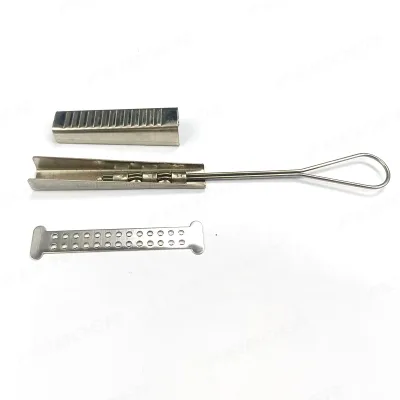
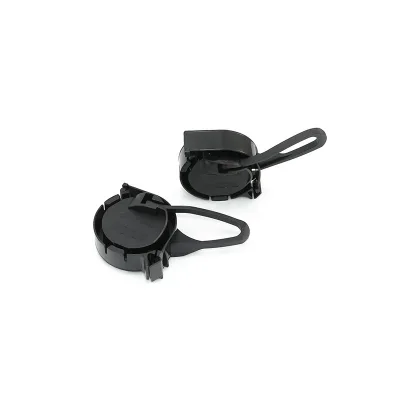


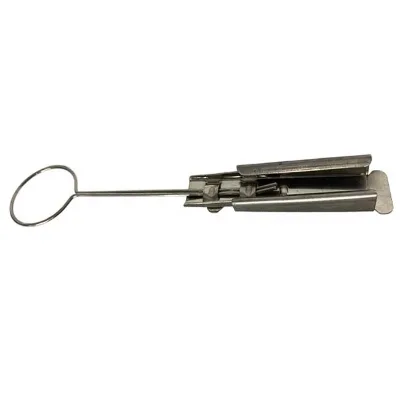


Comprehensive Sourcing Guide
Dimpled Telecom Drop Wire Clamp Sourcing Guide
Procuring dimpled telecom drop wire clamps requires a nuanced understanding of both the mechanical fastening principles and the specific environmental demands of fiber-to-the-home (FTTH) deployments. These components serve as critical interface points between aerial cables and supporting structures, ensuring that tension is managed without damaging the delicate optical fibers within. The "dimpled" characteristic refers to the internal gripping surface, which is engineered to bite into the cable jacket, providing superior holding power compared to smooth or serrated alternatives. This design minimizes slippage under wind load or thermal expansion, making it a preferred choice for long-span aerial installations where reliability is paramount. Buyers must recognize that while the term "drop wire clamp" is often used interchangeably with "anchor clamp" or "tension clamp," the specific dimpled mechanism offers distinct advantages in cable retention and stress distribution.
The sourcing landscape for these components is diverse, with manufacturers offering variations in material composition, such as stainless steel or ABS plastic, to suit different corrosion resistance and weight requirements. Observations from current market listings indicate a wide range of product models, including F21, F18, F17, and F16-B, each potentially tailored to specific cable diameters or installation methods. Furthermore, the availability of customization options suggests that buyers are not limited to off-the-shelf solutions but can engage suppliers to modify dimensions or surface treatments for specialized projects. Understanding these variations is essential for aligning procurement decisions with the technical specifications of the intended network infrastructure, ensuring that the selected clamps integrate seamlessly with existing drop cables and pole-mounted hardware.
Product Scope and Observed Listing Signals
The current market for telecom drop wire clamps exhibits a broad spectrum of product attributes, reflecting the varied needs of global telecommunications infrastructure projects. Listings frequently highlight certifications such as ISO, CE, RoHS, and GS, which serve as indicators of manufacturing quality and regulatory compliance. These certifications are particularly important for buyers operating in regions with strict environmental and safety standards, as they provide assurance that the materials used do not contain hazardous substances and that the manufacturing processes adhere to recognized quality management systems. Additionally, the presence of SGS and ISO 9001 certifications in some listings further reinforces the credibility of suppliers who prioritize consistent quality control and traceability in their production lines.
Material selection is a primary differentiator among available products, with stainless steel and ABS plastic being the most commonly observed options. Stainless steel variants, often treated with hot-dip galvanizing (HDG) or other surface treatments, are typically chosen for their durability and resistance to harsh environmental conditions, such as high humidity or coastal salt spray. In contrast, ABS plastic clamps, sometimes referred to as anchoring clamps, offer advantages in weight reduction and corrosion immunity, making them suitable for specific aerial or indoor applications. The color of these components also varies, with silver and white being the predominant finishes, which may influence aesthetic integration into urban or residential settings. Buyers should carefully evaluate these material and finish options against the specific environmental and mechanical demands of their installation sites.
Technical Specifications to Verify
When evaluating dimpled telecom drop wire clamps, the breaking load is a critical technical parameter that dictates the maximum tension the clamp can withstand before failure. Observed data indicates a breaking load of approximately 600 Newtons for certain models, which provides a baseline for assessing suitability for standard drop cable applications. However, buyers must verify if this rating applies to the specific dimpled variant they are considering, as load capacities can vary significantly based on material thickness, design geometry, and the type of cable being secured. It is essential to confirm that the selected clamp’s breaking load exceeds the expected operational tension of the drop cable, including a safety factor to account for dynamic loads such as wind or ice accumulation.
Dimensional compatibility is another vital aspect of technical verification, as clamps must fit the specific diameter and construction of the drop cable. Listings show a range of models, including CWC-2PRSD and various F-series codes, which may correspond to different cable pair counts, such as 1-2 pair or 6 pair configurations. The internal structure of the clamp, whether it is a suspension type or a fixed cable clamp, must align with the installation method, whether it is pole-mounted or used in other structural applications. Buyers should request detailed dimensional drawings or physical samples to ensure that the dimpled gripping mechanism engages correctly with the cable jacket, preventing slippage or damage. Additionally, the availability of customized sizes should be explored if standard dimensions do not match the project requirements.
Compliance and Safety Documentation
Compliance with international standards is a non-negotiable requirement for telecom hardware, ensuring that components meet safety, environmental, and performance benchmarks. Certifications such as CE and RoHS indicate that the products comply with European Union directives regarding electromagnetic compatibility and the restriction of hazardous substances, which is crucial for markets with stringent regulatory frameworks. ISO certifications, including ISO 9001, demonstrate that the supplier has implemented a robust quality management system, reducing the risk of defects and ensuring consistent product quality across batches. Buyers should request copies of these certificates and verify their validity with the issuing bodies to mitigate the risk of fraudulent documentation.
In addition to product-specific certifications, buyers should inquire about the standards under which the clamps are manufactured, such as HDG for galvanizing processes or other relevant industry standards. These standards govern the thickness and adhesion of protective coatings, which are critical for preventing corrosion and extending the lifespan of the hardware in outdoor environments. Documentation should also include test reports or material certificates that confirm the composition of the stainless steel or ABS plastic used, ensuring that the materials meet the specified mechanical and chemical properties. By thoroughly reviewing these compliance documents, buyers can ensure that their procurement decisions align with regulatory requirements and project specifications, avoiding potential legal or operational issues.
Cost Drivers and Commercial Terms
The cost of dimpled telecom drop wire clamps is influenced by several factors, including material costs, manufacturing complexity, and order volume. Stainless steel clamps, particularly those with specialized surface treatments like hot-dip galvanizing, tend to be more expensive than their plastic counterparts due to higher raw material costs and more intensive processing. However, the long-term durability and lower maintenance requirements of steel clamps may offer a better total cost of ownership in harsh environments. Buyers should consider the lifecycle costs rather than just the unit price, evaluating how the material choice impacts installation efficiency and replacement frequency over the project’s lifespan.
Commercial terms, such as minimum order quantities (MOQ) and packaging methods, also play a significant role in the overall procurement cost. Observed MOQs range from 10 to 10,000 pieces, allowing for flexibility in order sizes depending on the project scale. Packaging options vary from wooden cases to export-standard cartons and polybag combinations, which can affect shipping costs and handling requirements. Buyers should negotiate terms that align with their inventory management strategies, considering factors such as storage capacity and delivery schedules. Additionally, the availability of OEM services and customization options may incur additional costs, so it is important to clarify these charges upfront to avoid unexpected expenses.
Supplier Qualification and Quality Control
Selecting a reliable supplier is crucial for ensuring the quality and consistency of dimpled telecom drop wire clamps. Buyers should prioritize suppliers who have established quality control processes, including in-process inspections and final product testing, to minimize the risk of defects. The presence of ISO 9001 certification is a strong indicator of a supplier’s commitment to quality management, but buyers should also request information about their specific quality control procedures, such as sampling plans and acceptance criteria. Engaging with suppliers who offer sample units allows buyers to physically inspect the product quality, verify the dimpled gripping mechanism, and assess the overall build quality before committing to a larger order.
Geographic location and supply chain transparency are also important considerations when qualifying suppliers. Many suppliers are located in regions like Hebei, China, which is known for its manufacturing capabilities in telecom hardware. Buyers should assess the supplier’s ability to meet delivery timelines and their responsiveness to technical inquiries. Establishing a clear communication channel with the supplier’s technical team can help resolve any issues related to product specifications or installation requirements. Additionally, buyers should consider the supplier’s experience in the telecom industry and their track record of delivering products to similar projects, as this can provide insights into their reliability and expertise.
Long-Term Procurement Checks
Long-term procurement success depends on establishing a robust framework for ongoing supplier performance evaluation and product quality monitoring. Buyers should implement regular audits or reviews of supplier performance, focusing on metrics such as on-time delivery, defect rates, and responsiveness to issues. Maintaining a relationship with multiple suppliers can provide redundancy and leverage in negotiations, ensuring that the supply chain remains resilient against disruptions. It is also important to stay updated on any changes in industry standards or regulations that may affect the compliance requirements for telecom hardware, ensuring that future orders continue to meet current benchmarks.
Continuous improvement in procurement processes should be driven by feedback from installation teams and field performance data. If issues arise with the dimpled clamps, such as slippage or premature corrosion, buyers should work with suppliers to identify the root cause and implement corrective actions. This collaborative approach can lead to product improvements and better alignment with project needs. Additionally, buyers should periodically review the cost structure and commercial terms to ensure they remain competitive and aligned with market conditions. By maintaining a proactive and data-driven approach to procurement, buyers can optimize their sourcing strategies and ensure the long-term reliability of their telecom infrastructure.
FAQs
What certifications do dimpled telecom drop wire clamps have?
These clamps typically hold ISO, CE, RoHS, and GS certifications. Some models also include SGS or ISO 9001 standards. Buyers should verify specific certificates for each product model like F21 or F18 to ensure compliance with local regulations.
How is the breaking load defined for these clamps?
The breaking load for these clamps is specified as 600 Newtons. This value indicates the maximum tension the clamp can withstand before failure. It is a critical safety metric for FTTH drop cable applications requiring secure suspension.
Which materials are used for manufacturing these clamps?
Manufacturers use stainless steel or ABS plastic for these clamps. Stainless steel versions often feature galvanised surface treatment for corrosion resistance. Plastic options provide lightweight solutions suitable for specific electrical appliance or cable fixed applications.
Can I request custom sizes for these clamps?
Yes, customized sizes are acceptable for these products. Suppliers offer customization services to meet specific project requirements. Buyers can request dimensions like 130mm by 40mm or other tailored specifications depending on the installation needs.
What is the minimum order quantity for these clamps?
The minimum order quantity is typically 1000 pieces. However, observed ranges vary from 10 to 10000 pieces depending on the supplier. Buyers should confirm the exact MOQ with the vendor before placing an order for bulk procurement.
How are these clamps packaged for export?
Packaging options include wooden cases, carton boxes, or polybag plus carton with pallets. Export standard packing is commonly used to ensure safe transit. The specific method depends on the product model and the supplier's standard logistics practices.
Where are these clamps manufactured?
These clamps are manufactured in China, specifically in regions like Hebei. The origin is a key factor for logistics and sourcing decisions. Buyers should verify the exact location to assess shipping times and potential tariffs.