Source Indoor Car 4G Patch Antenna for GPS, IoT, and Fleet
Compare 30 Indoor Car 4G Patch Antenna options from verified suppliers. View specifications like impedance, gain, and connector types to find the right solution for GPS, IoT, and fleet communication needs; compare the available evidence and request quotations based on your requirements.
Updated
Key considerations
Products List
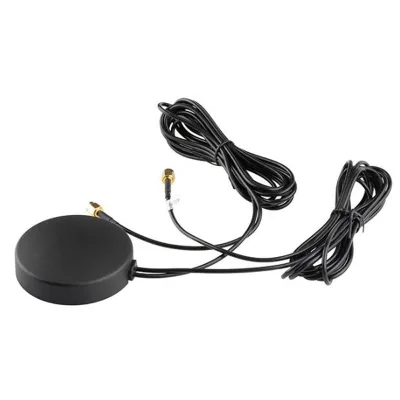
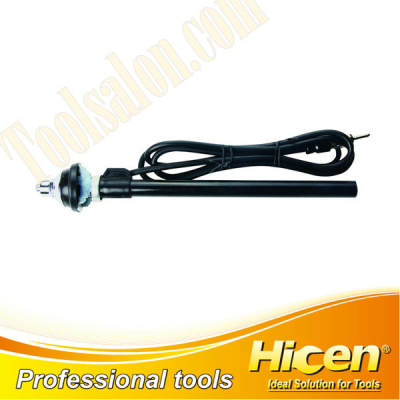


$1.30 - $2.60
MOQ: 500 Pieces


$10.50 - $11.50
MOQ: 500 Pieces

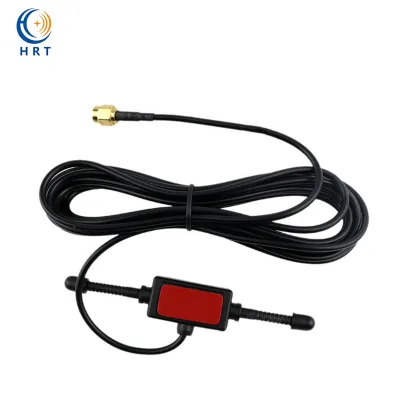
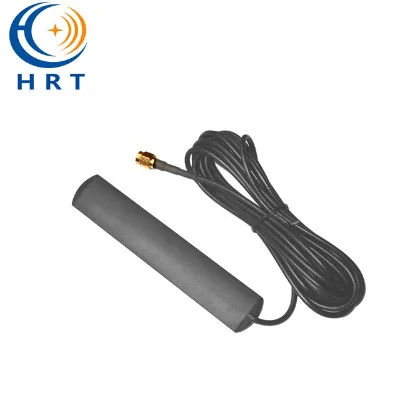
WiFi 2.4G 2400-2500MHz Sticker Antenna Wifi Flat Patch Car Antenna with Cable
$2.0599 - $5.1482
MOQ: 5 pieces

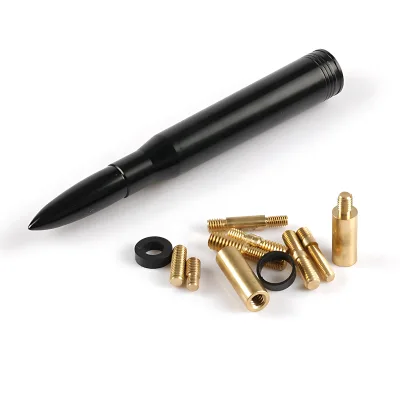
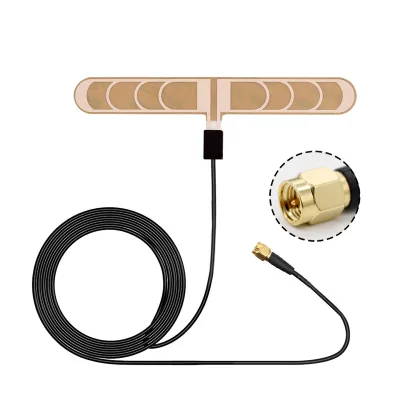
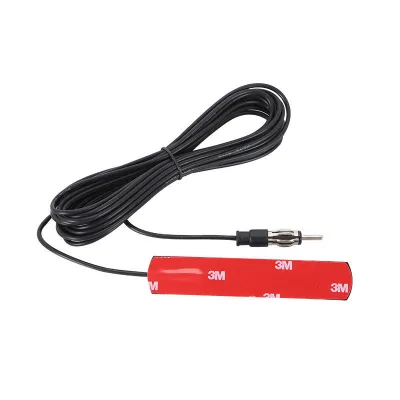
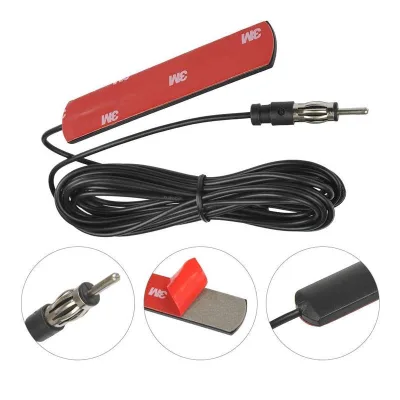
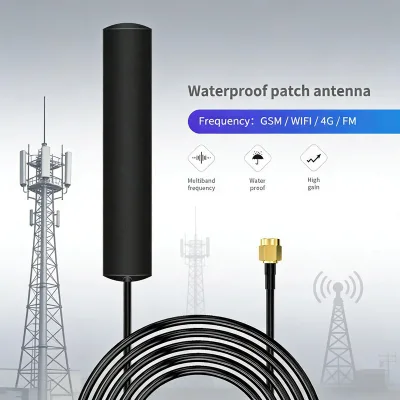
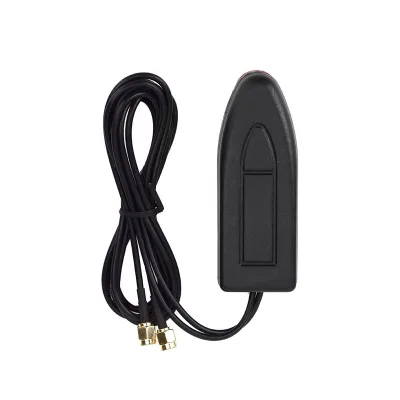
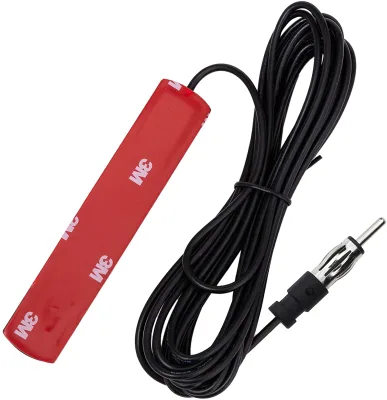
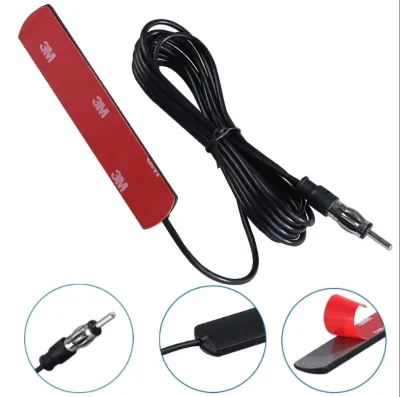
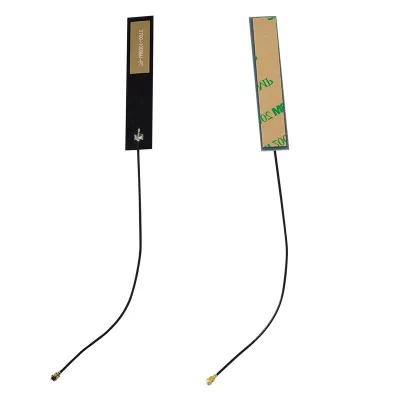

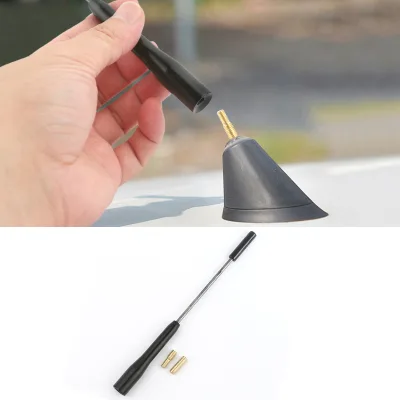
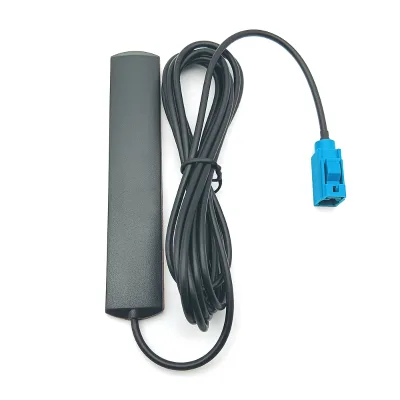
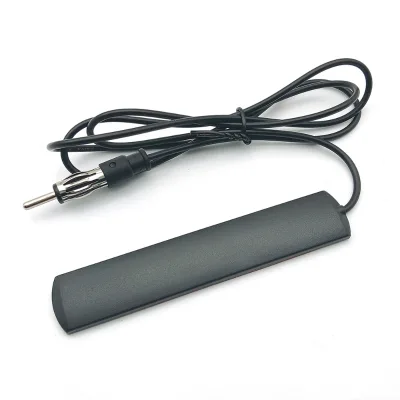
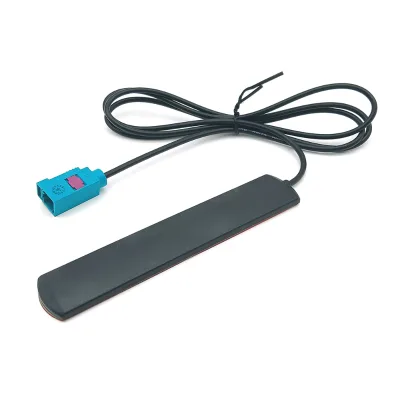
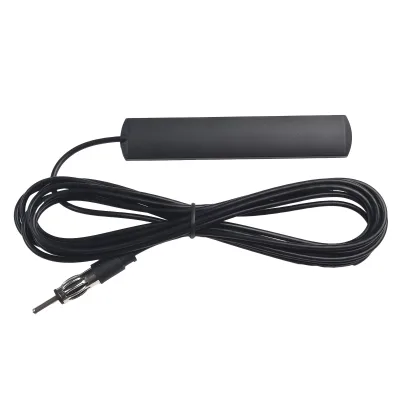


Comprehensive Sourcing Guide
Indoor Car 4G Patch Antenna Sourcing Guide
Indoor car 4G patch antennas serve a distinct niche in the vehicle communication component market: compact, internally mounted receiving antennas that avoid external drilling or roof installation. The listings observed here originate from Zhejiang, China, under brands such as OnTeck, with model families including GL-DY017F, GL-DY410, Gl-OAN01, GL-DY018, and GL060. Product structure is typically described as wire antenna or one-dimensional antenna configurations, sold as single items with customization available. Buyers should approach these listings as starting points for specification negotiation rather than finished products, since attributes vary across models and the listings themselves may not describe identical constructions. Observed selling units are single items, and packaging dimensions such as 43.53427cm appear for carton-level planning. Before committing to any listing, confirm that the antenna type, mounting method, and frequency coverage match your intended vehicle application, because the "universal" car-make attribute in these listings is a supplier's compatibility claim, not a verified fitment for every vehicle interior.
Product Scope and Observed Listing Signals
The observed listings cluster around communication and car antenna usage, with some models adding GPS functionality — the frequency range 698-2700 MHz alongside 1575.42±5 MHz indicates combined 4G and GPS coverage on certain models. Prices in the observed range span roughly USD 0.2 to 13, reflecting genuine differences in construction: a simple wire element with RG174 cable sits at one end, while multi-element or four-array (sihuan array) designs with higher gain sit at the other. Model numbers are the most reliable listing identifier, since titles can be inconsistent; use them to cross-reference specifications between listings from the same region.
MOQs in the observed range run from 1 to 500 pieces, which signals a mix of stock-sampling and volume-production sellers. A single-piece MOQ typically means you are buying an existing shelf item with no configuration changes, while higher MOQs usually unlock the customization these suppliers advertise. Directional and omnidirectional base-antenna descriptions both appear in the data, so filter listings carefully: an indoor patch or wire antenna behaves very differently from a directional external design, and conflating them is a common sourcing error at the quotation stage.
Technical Specifications to Verify
Frequency coverage is the first gate. The observed range of 698-2700 MHz covers mainstream 4G bands, and models with GPS add 1575.42±5 MHz — but you must match your specific deployment bands and regional carrier plan, not accept the listed span at face value. Verify VSWR next: listings show both <1.5 and >2 values, which represent materially different matching quality, so insist on the actual figure for the model you intend to buy rather than a generic datasheet. Gain is quoted as ≥3 dB and up to 27 dB in the data; clarify whether the higher figure refers to active amplification, since that changes power requirements and installation complexity.
Impedance appears as both 30 ohms and 50 ohms across listings — the note "Imandance: 50" appears on GL-DY410 — so match the impedance to your radio or telematics module and reject mismatches. Connector selection is flexible (SMA, Fakra, or other; SMA R/a male is cited), so confirm the exact connector gender, right-angle orientation, and pin count (single or dual is offered). Cable matters just as much: RG174 with a 2.5-meter length appears in the data, but route length inside a vehicle dictates the minimum you need, and longer runs increase loss. Physical dimensions like 115.621.75.8mm and 10*192mm should be checked against your mounting cavity before sampling.
Compliance and Safety Documentation
Because these antennas mount inside vehicles and connect to communication electronics, buyers should request the supplier's compliance documentation before scaling orders, even though the supplied listings do not state certification status. Ask specifically which radio-equipment approvals apply to the destination market, and request test reports covering the frequency bands the antenna is claimed to cover. Do not accept a certificate number in a listing description as proof; verify that the certificate references the exact model number you are purchasing, since customization options may invalidate an existing approval. The polarization (vertical) and receiving-only nature of operation should be documented, because a receiving antenna's regulatory burden differs from a transmitting one.
Safety documentation should also address materials and cabling. Metal construction is cited in the data, and RG174 cable insulation quality affects both performance and fire safety in a cabin environment. Request material declarations for the cable jacket, adhesive backing (if the patch mounts with tape), and any metallic elements that contact interior surfaces. If you are supplying into a regulated vehicle OEM or tier-one channel, ask whether the supplier can support the required component-level documentation workflows; inability to produce basic material declarations is a meaningful signal about the supplier's maturity even when the sample performs well.
Cost Drivers and Commercial Terms
Observed pricing from roughly USD 0.2 to 13 maps directly to specification tiers, so decompose a quotation into its drivers before comparing suppliers: antenna element type (simple wire versus four-array), gain figure, cable length and grade (RG174 is the cited baseline), connector choice (SMA versus Fakra, with Fakra typically commanding a premium), and pin configuration (single versus dual). Customization is listed as available, which means tooling or setup charges may apply at lower volumes — ask whether the quoted price assumes standard configuration or your modified one. Carton data such as 2000 pieces per carton at 14.2 kg helps you estimate freight cost per unit accurately.
Commercial terms in the data include FOB Guangzhou as a shipping port and payment via T/T, PayPal, or Western Union. FOB terms shift freight, insurance, and clearance responsibility to you, so budget for those separately rather than comparing FOB prices against delivered prices from other channels. Payment method choice affects both your risk exposure and the supplier's; larger custom orders deserve terms that protect staged payments. Selling units are single items, but MOQs of 1 to 500 determine your minimum cash outlay — reconcile the per-unit price against the MOQ-adjusted total before ranking suppliers, because a low unit price at a high MOQ can cost more in working capital than a higher price at low MOQ.
Supplier Qualification and Quality Control
Qualify suppliers by testing their specification discipline before their product. A capable supplier will answer precise questions — exact VSWR at your target band, gain measurement method, impedance tolerance, connector drawing, and cable loss per meter — without vague restatements of the listing text. The presence of both <1.5 and >2 VSWR claims and both 30-ohm and 50-ohm impedance figures across listings from the same region suggests that model-level verification is essential. Request samples from multiple suppliers, and test them in your actual vehicle environment rather than on a bench, since indoor mounting interacts with cabin metal structures and glass in ways bench tests do not capture.
Define a simple incoming quality control plan before production orders: dimensional check against cited standards like 115.621.75.8mm or 10*192mm, connector fitment with your mating part, cable pull test at the strain relief, and a network-analyzer sweep of VSWR across your deployment bands. Agree on the acceptance criteria in writing with the supplier before the first production run, and reference the agreed model number and configuration in the purchase order. For customized versions, keep a retained sample from the approved lot, because subsequent production comparisons depend on having a physical golden sample rather than only a datasheet.
Long-Term Procurement Checks
Long-term supply stability depends on whether the supplier treats your model as a maintained catalog item or a one-off listing. Confirm the intended production lifecycle of your chosen model number — GL-DY017F, GL-DY018, GL-DY410, Gl-OAN01, or GL060 — and ask what happens when components such as the cable grade or connector become unavailable. A supplier committed to the vehicle communication market should offer forward notice of discontinuation and a last-time-buy window, or an approved substitute with documented equivalence in frequency range, gain, and connector type. Lock the place of origin (Zhejiang, China in the observed listings) into your import documentation from the start to avoid customs reclassification later.
Build ongoing audits into the relationship rather than relying on the initial sample. Re-verify VSWR and dimensional conformance on each new lot, and track any drift in packaging carton dimensions or per-carton quantities (such as 2000 pieces, 14.2 kg, or the cited carton sizes), since changes there often signal silent product revisions. Revisit compliance documentation annually, especially if your destination market updates radio-equipment rules. Finally, review pricing against your annual volume: the customization capability these suppliers advertise is best leveraged as volumes grow, and renegotiating cable length, connector type, or packaging at higher quantities is often easier than switching suppliers once the design is validated.
FAQs
What frequency range does this Indoor Car 4G Patch Antenna support?
The listed antenna covers a frequency range of 698-2700 MHz, which spans the common 4G LTE cellular bands. Some listed variants also include a GPS receive path at 1575.42±5 MHz. Before ordering, confirm with the supplier that the exact model you need supports the bands used by your carrier, since frequency coverage can differ between models in this series.
Which connector options are available for the car patch antenna?
The antennas can be supplied with an SMA connector, a FAKRA connector, or other connector types on request, and some models list an SMA right-angle male option. Because vehicle head units and tracking devices use different interfaces, confirm your required connector and pin configuration, single or dual, with the supplier before placing an order so the cable terminates correctly for your device.
Can I customize the cable length or connector for my project?
Yes, customization is listed as available for these antennas. Standard configurations include a 2m cable and an RG174 cable of 2.5m, and connectors can be SMA, FAKRA, or other types. When requesting customization, provide your required cable length, connector type, and mounting details to the supplier, and confirm any effect on price and lead time before confirming the order.
What is the VSWR and gain of these 4G car antennas?
Listed specifications include a VSWR below 1.5 for some models and a gain of at least 3 dB, with amplifier options reaching 27 dB on active variants. VSWR values above 2 appear on other listed models, so specifications vary across the series. Ask the supplier for the datasheet of the specific model number, such as GL-DY017F, to verify electrical performance before purchasing.
How much does the Indoor Car 4G Patch Antenna cost and what is the MOQ?
Listed prices range from about 0.2 to 13 USD per unit, and minimum order quantities range from 1 to 500 pieces depending on the model and configuration. Simple passive antennas sit at the low end of the price range, while active or combination antennas cost more. Request a quotation for your exact specification, including connector and cable length, to get accurate pricing.
Where are these car patch antennas made and how are they shipped?
The antennas originate from Zhejiang, China, and one listed model shows FOB Guangzhou as the shipping port. Carton packing details include 43.5 by 34 by 27 cm with 2000 pieces per carton weighing 14.2 kg for some models. Payment terms listed include T/T, PayPal, and Western Union. Confirm packing size, carton quantity, and shipping terms with the supplier for your specific model and order volume.