Find DIN Standard Shelf Support for Cabinet, Chair, and Table
Source 30 verified options for DIN Standard Shelf Support tailored for cabinet, chair, and table applications. Buyers can compare steel and plastic models with nickel plating, adjustable styles, and varying sizes like 15x13mm and 19x9mm directly from Shunde, China.
Key considerations
Products List


Furniture Hardware Shelf Supports Shelf Bracket Wardrobe Supports Suppliers
$0.16 - $0.18
MOQ: 30000 Pieces

Cabinet Hardware Cabinet Shelf Support Zinc Alloy Shelf Support From China
$0.03 - $0.03
MOQ: 20000 Pieces


Cabinet Hardware Flat Metal Shelf Support Flat Metal Shelf Support Manufacturers
$0.03 - $0.03
MOQ: 10000 Pieces


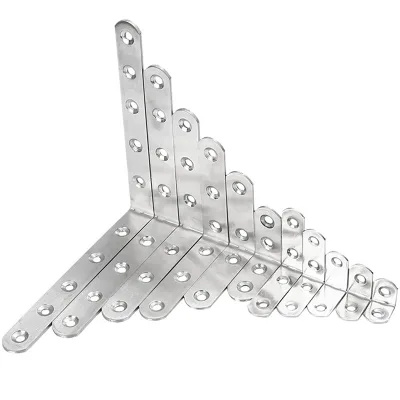
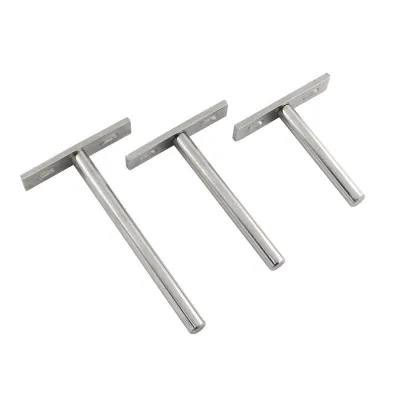


Comprehensive Sourcing Guide
Strategic Sourcing Guide for DIN Standard Shelf Support Components
Navigating the global market for shelf support components requires a disciplined approach that balances technical precision with supply chain reliability. For buyers searching for DIN standard shelf supports, the primary challenge lies in distinguishing between generic fasteners and components that meet specific structural and regulatory requirements. The market offers a diverse array of options ranging from simple plastic brackets to complex metal alloy assemblies. This guide synthesizes observed product attributes, material specifications, and compliance factors to provide a robust framework for procurement decisions. The focus remains on evidence-based evaluation, ensuring that every sourcing decision is grounded in verifiable data rather than marketing assertions.
Technical Specifications and Material Composition
The foundation of any successful procurement strategy for shelf supports is a rigorous understanding of technical specifications. The market data indicates a significant variation in material composition, which directly impacts load-bearing capacity and environmental resistance. Observed listings reveal products constructed from Steel, Plastic + Steel, Plastic + Zinc Alloy, and Iron. Each material presents distinct advantages depending on the intended application environment. For instance, Nickel Plated finishes are frequently observed on steel and iron components, suggesting a focus on corrosion resistance for environments prone to humidity or chemical exposure.
Dimensions are equally critical. The supply chain data highlights specific standard sizes such as 15x13mm, 15x11mm, 19x9mm, and 15x20mm. These measurements likely correspond to the mounting hole spacing or the overall footprint of the support bracket. Buyers must verify that the selected component matches the 15mm hole standard or other specific dimensional requirements of their shelving system. The SP03 and SS121S-S model numbers represent specific design iterations, while the SS004 series appears in multiple configurations, including variations like SS004-1.
The physical condition of the products is consistently listed as New, ensuring that buyers receive fresh inventory without prior wear. However, the distinction between Fixed and Adjustable styles is a crucial technical differentiator. Some listings explicitly note an Adjustable style, which offers flexibility for uneven shelving surfaces or varying load distributions. Conversely, Fixed units provide maximum rigidity for static loads. The Good Treating attribute observed in the data suggests that surface finishing processes are a key value proposition, likely referring to the electroplating or coating techniques used to enhance durability.
Compliance, Certification, and Standard Verification
When sourcing components labeled as "DIN standard," buyers must exercise extreme caution regarding certification claims. While the search keyword implies adherence to German Institute for Standardization (DIN) norms, the provided product data does not explicitly confirm compliance with specific DIN numbers for all listed items. The only specific standard explicitly mentioned in the high-confidence facts is SGS, which is a global inspection, verification, testing, and certification company. The presence of SGS as a standard attribute indicates that certain suppliers may have undergone third-party verification, but it does not automatically equate to a specific DIN product standard without further documentation.
Buyers should be aware that background knowledge often references standards such as ISO 9001:2015, DIN 68874-1, and EN 16337. However, these should be treated as general industry benchmarks rather than confirmed attributes of every product listed. The procurement strategy must involve a direct request for certification documents from the supplier. A buyer should verify if the specific model, such as JS20715 or SS6016B, has been tested against the relevant DIN or ISO standards for load capacity and material strength. Relying solely on the keyword "DIN standard" without verifying the specific standard number (e.g., DIN 68874 for shelf supports) can lead to the acquisition of non-compliant components that may fail under stress.
Cost Drivers and Economic Factors
The economic landscape for shelf support components is influenced by material costs, manufacturing processes, and order volume. The observed price range in the market is notably low, spanning from 0 to 1.03 USD per unit. This suggests a highly competitive market with significant economies of scale. However, the Minimum Order Quantity (MOQ) varies drastically, ranging from 1,000 to 2,000,000 units. This wide disparity indicates that the unit price is heavily dependent on the order volume. Buyers seeking smaller quantities may face higher effective costs or may need to consolidate orders with other buyers to meet the lower threshold of 20,000 PCS or 200,000 PCS observed in specific listings.
Material composition is a primary driver of cost. Components made from Plastic + Zinc Alloy or Plastic + Metal may carry different price points compared to pure Steel or Iron variants. The Nickel Plated finishing process adds a layer of cost due to the additional processing required. Furthermore, the Customization availability is a significant cost factor. While standard models like SS001 are likely produced at scale, Customized or Customized variants will incur higher tooling and setup costs. The Factory Standard Package versus Carton Box packaging options also influence the final landed cost, especially for international shipping where volume and weight are critical.
Typical Applications and Usage Scenarios
Understanding the intended application is essential for selecting the correct shelf support. The data reveals a broad spectrum of usage scenarios, including Cabinet, Chair, Table, and Sofa applications. This versatility suggests that the components are designed for multi-purpose furniture manufacturing. For Cabinet applications, the 15x13mm or 15x11mm dimensions are likely standard, providing secure mounting for shelving units in kitchens or offices. The Chair and Table applications may require the Adjustable style to accommodate different leg configurations or load requirements.
The Function of these components is primarily described as a Connector, indicating their role in joining structural elements. The Kind is listed as Fasten, reinforcing their role in securing parts together. The color options, ranging from Silver, Black, Beige+Grey, White, and Brown, allow for aesthetic integration with various furniture designs. For example, a White or Silver Grey finish might be preferred for modern office furniture, while Brown or Black could be suitable for traditional or industrial styles. The 100% Inspection Before Packing service mentioned in the data is particularly relevant for high-volume furniture production, where a single defective bracket could compromise the safety of a chair or table.
Supplier Evaluation and Quality Assurance
Evaluating suppliers requires a focus on their quality control processes and production capabilities. The data highlights a Class a quality rating for certain products, which serves as a positive indicator of manufacturing consistency. The Service attribute of 100% Inspection Before Packing is a critical differentiator, suggesting that the supplier implements a rigorous final check to ensure no defective units reach the customer. This is particularly important for components that bear structural loads.
Origin and location are also vital factors. The products are sourced from Shunde China and generally China, a region known for its extensive manufacturing ecosystem. Buyers should verify the specific factory location to assess logistics efficiency and potential risks. The Customization availability indicates that suppliers are capable of adapting to specific design requirements, but this capability must be validated through sample testing. The MOQ requirements of 20,000 PCS or 200,000 PCS suggest that these suppliers are geared towards large-scale industrial production rather than small-batch prototyping. Buyers must ensure their volume needs align with these thresholds to secure the best pricing and service levels.
Long-Term Procurement and Supply Chain Resilience
Sourcing shelf support components is not merely a transactional activity but a long-term strategic partnership. The Customization and Adjustable features observed in the market suggest a trend toward flexible manufacturing. Buyers should prioritize suppliers who can scale production in response to demand fluctuations. The Lead Time and MOQ values are critical for inventory management; a supplier with a high MOQ but short lead time may be preferable to one with a low MOQ but extended delivery windows.
The Standard attribute of SGS implies a commitment to international quality benchmarks. However, for long-term resilience, buyers should also consider the supplier's ability to maintain consistent material quality, especially regarding the Nickel Plated finish and Steel or Zinc Alloy composition. Variations in plating thickness or alloy ratios can significantly affect the lifespan of the shelf support. Additionally, the Product Packing method, whether Carton Box or 3000 PCS / CTN, impacts storage and handling efficiency. A standardized packing method reduces the risk of damage during transit and simplifies warehouse operations.
In conclusion, sourcing DIN Standard Shelf Support components requires a meticulous approach that integrates technical verification, compliance checks, and economic analysis. By focusing on the specific attributes observed—such as material types, dimensional standards, and quality inspection services—buyers can navigate the complex market with confidence. The low price range and high customization potential offer significant opportunities, provided that the buyer rigorously validates the supplier's ability to meet specific DIN or ISO standards and maintains the quality levels required for safe and durable furniture applications. The path to successful procurement lies in aligning the specific needs of the application with the verified capabilities of the supplier, ensuring that every component selected contributes to the structural integrity and aesthetic appeal of the final product.
FAQs
What materials are used for DIN Standard Shelf Support?
These supports are constructed from steel, iron, plastic, or combinations like plastic with zinc alloy. The specific material depends on the model, such as SP03 using steel or SS6016B using plastic and zinc alloy, ensuring durability for cabinet and chair applications.
Which dimensions are available for DIN Standard Shelf Support?
Common specifications include sizes like 15x13mm, 15x11mm, 19x9mm, and 15x20mm. Some models also feature a 15mm hole standard, allowing buyers to select the exact footprint required for their specific shelving system or furniture design.
Can DIN Standard Shelf Support be customized?
Yes, customization is available for many models to meet specific design needs. Buyers can request custom finishes or dimensions, though this may affect the minimum order quantity and pricing compared to standard items like the SS001 series.
How are DIN Standard Shelf Support units packaged?
Products are typically packed in carton boxes or factory standard packages. Specific listings indicate bulk packaging such as 3000 pieces per carton, ensuring efficient handling and protection during shipping for large industrial orders.
What is the minimum order quantity for DIN Standard Shelf Support?
Minimum order quantities vary significantly, ranging from 1000 to 2,000,000 units depending on the supplier and model. Some specific listings require 20,000 or 200,000 pieces, so buyers must verify the threshold before placing an order.
Where are DIN Standard Shelf Support products manufactured?
These components are primarily sourced from Shunde, China, and other regions within China. The origin location is a key factor for logistics planning, as most verified listings indicate a Chinese manufacturing base for these furniture hardware items.
What quality inspections are performed on DIN Standard Shelf Support?
Suppliers often provide 100% inspection before packing to ensure product integrity. Some listings also mention Class A quality ratings and third-party verification standards like SGS, confirming that the units meet specific durability and safety requirements.