Source DIN Standard Ratchet Wrench for Automotive, Industrial, and Home Use
Explore 30 listings for DIN Standard Ratchet Wrench options suitable for automotive repair, industrial maintenance, and home projects. Compare specifications including torque ratings, material types like carbon steel and chrome-vanadium, and various drive sizes to find the right tool for your needs.
Key considerations
Products List







Comprehensive Sourcing Guide
DIN Standard Ratchet Wrench Sourcing Guide
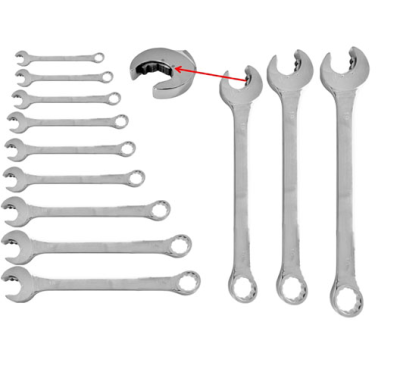
Procurement of DIN standard ratchet wrenches requires distinguishing between manual hand tools and electric impact variants, as the supplied data reveals a mixed inventory of both categories. Buyers must verify whether the specific listing targets the traditional manual operation defined by the "Manual" working mode or the electric "Brushless Electric Impact Wrench" with an 18V battery and 150N.M torque. This distinction is critical because the application environments, safety protocols, and maintenance requirements differ significantly between a standard combination wrench and a powered impact tool.
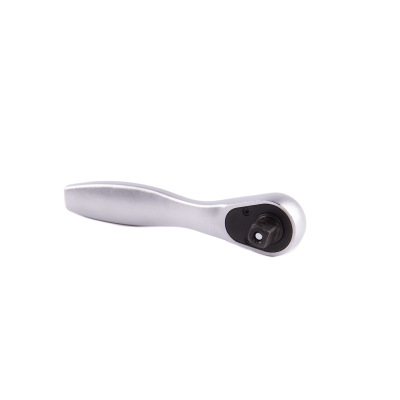
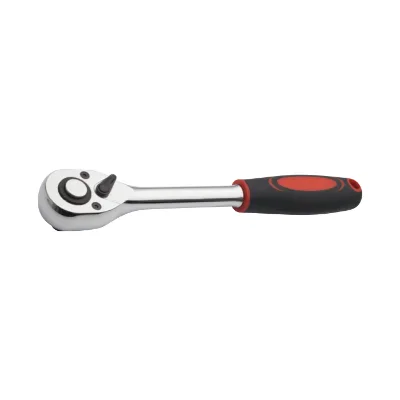
The observed product range includes models with specific head sizes like 3/8" and standard drive sizes ranging from 1/2" to 3/8", alongside metric and British type standards. Sourcing decisions should prioritize the material composition, noting that some units are constructed from Carbon Steel while others utilize Chrome-vanadium Steel for enhanced durability. Understanding these material differences helps buyers select the appropriate tool for specific industrial, commercial, or home applications without over-specifying or under-specifying the equipment for their operational needs.
Product Scope and Observed Listing Signals
The market listings indicate a diverse scope of ratchet wrenches, ranging from simple manual combination wrenches to complex electric impact drivers with rechargeable lithium power sources. Buyers should observe that the "Type" attribute varies between "Combination Wrench," "Torque Wrench," and "Other," which suggests that a single supplier page may aggregate multiple distinct product lines. This variety necessitates careful filtering to ensure the procurement matches the specific mechanical requirements, such as the need for an anti-slip handle or a specific torque capacity of 150N.M.
Listing signals also reveal variations in packaging and physical dimensions, with some items packed in plastic hang tags while others use sea packing or gunny bags. The observed length ranges from 160mm to 300mm, and widths vary between 9.6mm and 19.8mm, indicating that size standardization is not uniform across all listed models. Procurement teams must verify the exact "prod_model" codes, such as AM45011 or YW6027, to ensure the physical dimensions and drive sizes align with the existing tool inventory and the specific fastener standards required for the job.
Technical Specifications to Verify
Technical verification must begin with the drive size and standard compatibility, as the data lists standards including Metric, British, German, and American types. Buyers need to confirm that the selected wrench matches the specific fastener standards, such as the 1/2"-12T or 3/8"-24T configurations, to prevent tool damage or fastener stripping during operation. The presence of both manual and electric options requires a clear definition of the required power source, whether it is a DC12V supply or an 18V lithium battery, to ensure compatibility with existing charging infrastructure.
Performance metrics for electric variants include an unloaded speed of 1900ipm and an impact rate of 3000ipm, which are critical for high-torque applications. For manual tools, the focus shifts to material integrity, specifically the use of Chrome-vanadium Steel versus Carbon Steel, and surface treatments like Chrome plating which offer corrosion resistance. Buyers should also verify the handle characteristics, ensuring they are anti-skid and shockproof, as these features directly impact operator safety and control during extended use in industrial or commercial settings.
Compliance and Safety Documentation
Safety documentation is essential for electric tools, particularly those operating at 18V or 12V with lithium batteries. Buyers must request proof of electrical safety compliance, as the listed certifications include CE and ISO, which are standard indicators of adherence to international safety and quality management systems. It is vital to confirm that the specific batch of tools being procured carries these valid certifications, as the presence of a certification on a general product page does not guarantee that every individual unit in a shipment has been tested and approved.
For manual wrenches, safety relies heavily on material strength and structural integrity rather than electrical compliance. The "Anti-Explosion" and "Anti-Magnetic" features listed in the product attributes suggest specialized applications where spark generation or magnetic interference could be hazardous. Procurement teams should verify that these specific safety features are explicitly documented for the ordered model, ensuring that the tool is suitable for use in potentially explosive atmospheres or sensitive electronic environments where standard tools might pose a risk.
Cost Drivers and Commercial Terms
Cost drivers for these tools are heavily influenced by the power source and material composition, with electric impact wrenches generally commanding higher prices due to the inclusion of batteries and brushless motors. The observed price range of 0.1 to 1060 USD reflects this disparity, where basic manual wrenches sit at the lower end and high-torque electric units occupy the upper tier. Buyers must analyze the total cost of ownership, considering that electric tools require battery replacement and charging equipment, whereas manual tools have minimal ongoing operational costs.
Commercial terms are further affected by the Minimum Order Quantity (MOQ), which ranges from 1 to 1200 units across the observed listings. The "Selling Units" attribute indicates that single-item purchases are possible, but bulk orders may offer better pricing structures. Procurement strategies should account for the "prod_packing" variations, such as plastic hang tags versus wooden boxes, as packaging costs can significantly impact the final landed cost, especially for international shipments where volume and weight are critical factors in freight calculations.
Supplier Qualification and Quality Control
Supplier qualification should focus on the origin and manufacturing consistency, as the data confirms the products originate from China. Buyers must verify that the supplier maintains consistent quality control processes to ensure that the "New" condition and "Customized" options are delivered as specified. The presence of "Customization" availability suggests that suppliers can tailor products, but this requires a robust quality assurance framework to prevent defects in non-standard configurations or specific material requests like Stainless Steel for external fixators.
Quality control checks must include a physical inspection of the surface treatment and material hardness, particularly for tools claiming Chrome plating or Chrome-vanadium Steel construction. The "Condition" being listed as "New" is a baseline requirement, but buyers should implement incoming inspection protocols to verify that the tools meet the specified torque ratings and impact rates. For electric models, testing the battery voltage and power supply type is essential to ensure the tool performs at the advertised 1900ipm unloaded speed and delivers the required 150N.M torque without premature failure.
Long-Term Procurement Checks
Long-term procurement success depends on establishing a reliable supply chain for replacement parts and consumables, especially for electric tools with rechargeable lithium batteries. Buyers should verify the availability of spare batteries and chargers from the same supplier to ensure compatibility and maintain operational continuity. The "Rechargeable - Lithium" power supply type indicates a finite battery life, making it crucial to have a clear agreement on battery replacement cycles and warranty terms to manage the lifecycle costs of the electric impact wrenches.
Sustainability and standardization are also key factors for long-term planning, as the market offers a mix of Metric, British, and American standards. Procurement teams should aim to consolidate orders around a single standard, such as Metric, to simplify inventory management and reduce the risk of using incorrect tools. Regular audits of the supplier's ability to maintain the "CE, ISO" certifications and consistent material quality will ensure that the tools remain safe and effective for adult users in home, commercial, and industrial applications over the long term.
FAQs
What standards do din standard ratchet wrenches follow?
These tools follow multiple international standards including Metric, British, German Type, European Type, and American Type specifications. This variety ensures compatibility with different fastener systems used across global industries. Buyers can select the specific standard that matches their existing equipment and regional requirements for optimal performance and safety.
Can din standard ratchet wrenches be customized?
Yes, customization is available for these tools to meet specific operational needs. Manufacturers offer tailored solutions that may include unique handle colors, specialized surface treatments like chrome plating, or adjusted dimensions. This flexibility allows businesses to procure tools that align precisely with their brand identity or specialized industrial applications.
What materials are used in these wrenches?
Common materials include Carbon Steel and Chrome-vanadium Steel for durability. Some specialized variants may utilize Stainless Steel for corrosion resistance. These robust materials ensure the tools withstand high torque and frequent use in home, commercial, and industrial settings, providing long-term reliability and structural integrity under demanding working conditions.
What is the typical packaging for these products?
Packaging options vary by product type, including plastic hang tags, cartons, pallets, gunny bags, and wooden boxes. Specific items may use BMC packing or sea packing for bulk shipments. These methods protect the tools during transit and ensure they arrive in pristine condition, ready for immediate deployment in various professional environments.
Are there electric versions of these wrenches?
Yes, electric variants such as brushless impact wrenches are available. These tools often feature rechargeable lithium batteries, DC power supply, and high torque ratings like 150N.M. They offer manual and electric working modes, providing enhanced efficiency for heavy-duty applications while maintaining the precision and reliability expected from professional-grade equipment.