Source DIN6388 Collet for CNC Milling, Drilling, and Tapping
Find 30 DIN6388 Collet options from Chinese manufacturers. Compare stainless steel models like EOC and ER series for milling, drilling, and tapping applications. Check specifications, certifications, and pricing to select the right tooling for your CNC machine tools; compare the available evidence and request quotations based on your requirements.
Key considerations
Products List


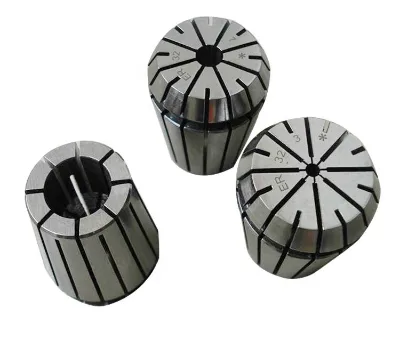
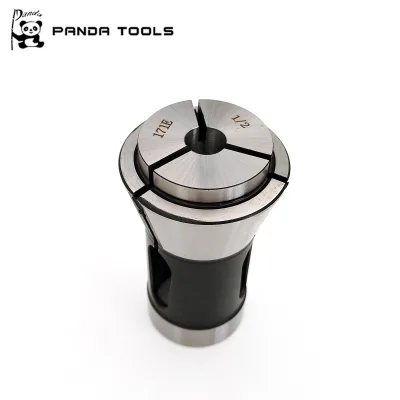


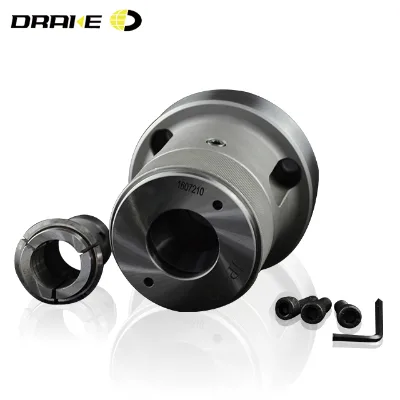
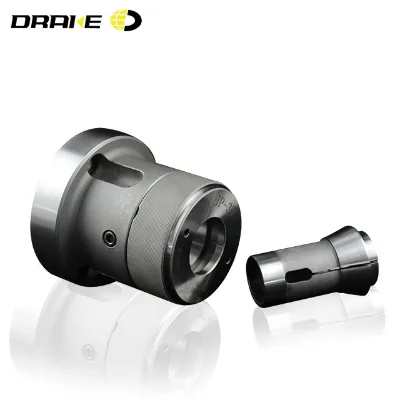


Comprehensive Sourcing Guide
DIN6388 Collet Sourcing Guide
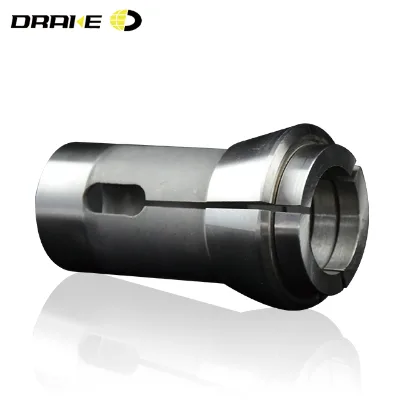
The DIN6388 Collet system is a standardized clamping solution widely adopted for CNC machine tools, specifically designed for milling and drilling applications where precision is paramount. Buyers should verify that the product name explicitly references DIN6388A or DIN6388B to ensure compatibility with standard tool holders. These components are essential for securing cutting tools in high-speed operations, and the observed market listings confirm their primary usage in industrial machining environments.
Procurement decisions must account for the specific model variations available, such as the EOC16B, EOC20B, and EOC25B series, which cater to different tool shank diameters. While some listings mention generic terms like "OZ Spannzange," the core requirement remains adherence to the DIN6388 standard for interchangeability. Sourcing guides should prioritize suppliers who clearly distinguish between these model codes to prevent mismatches in production lines that rely on strict dimensional tolerances.
Product Scope and Observed Listing Signals
Market observations indicate a significant price variance ranging from 0.50 to 783.64 USD, reflecting differences in material quality, brand reputation, and order volume. Buyers must scrutinize the listed price against the specified material, which is predominantly stainless steel or general metal, to ensure value alignment. The wide range suggests that low-cost options may lack the hardness or durability required for heavy-duty CNC operations, necessitating a careful review of material specifications before purchase.
Packaging and branding also serve as critical signals for product authenticity and handling safety. Listings frequently specify packaging types such as cartons, plastic boxes, or specialized Oz/Eoc series packaging, which can impact logistics costs and inventory organization. Additionally, the presence or absence of logo printing and the specific brand designation, such as Ht-Tools, can influence the perceived quality and traceability of the components within a supply chain.
Technical Specifications to Verify
Dimensional accuracy is the most critical technical factor, with observed standards citing specific measurements like 313121 or size classifications ranging from small to middle. Buyers must confirm that the listed model numbers, such as ER11, ER16, or ER32, align with their existing machine tool holders to ensure a secure fit. The hardness rating of HRC44-48 is a key performance indicator for wear resistance, and verifying this specification against the actual product data sheet is essential for longevity.
The model designation often includes specific series codes like EOC08/10/16/20/25/32/40A or OZ Pinza variants, which dictate the clamping range and compatibility. It is vital to cross-reference these codes with the machine's spindle requirements, as mismatches can lead to tool slippage or catastrophic failure during operation. Furthermore, the distinction between sealed collets like Er32 and standard versions should be clarified to match the specific environmental and precision needs of the application.
Compliance and Safety Documentation
Certification status is a primary indicator of manufacturing quality, with observed listings frequently displaying CE, GS, and ISO 9001:2008 marks. Buyers should request valid certificates to confirm that the supplier adheres to international safety and quality management systems, particularly for equipment used in regulated industries. The presence of multiple certifications suggests a robust quality control process, whereas a lack of documentation may indicate non-compliant manufacturing practices that could void insurance or safety warranties.
Documentation must also address the specific standard compliance, such as DIN6388 or ISO 10897, which governs the dimensional and functional integrity of the collets. While some listings mention customized certification statuses, buyers should insist on verified, non-customized standard compliance for critical applications. Ensuring that the product documentation explicitly states adherence to these standards protects the buyer from liability and ensures that the components meet the rigorous demands of industrial machining.
Cost Drivers and Commercial Terms
Minimum Order Quantities (MOQ) vary significantly, with observed ranges from 1 to 50 pieces, directly influencing the unit cost and cash flow requirements. Buyers with smaller production runs may find the 10-piece or 50-piece MOQs restrictive, while larger operations can leverage bulk pricing to reduce per-unit expenses. Understanding these thresholds is crucial for budgeting, as the cost per piece often decreases substantially once the order volume exceeds the initial MOQ limits.
Payment and delivery terms further dictate the total cost of ownership, with observed terms including T/T payments and lead times ranging from 7 to 30 days. The delivery time of 25 days mentioned in some listings highlights the potential for supply chain delays, which can disrupt production schedules. Buyers should negotiate clear shipment timelines and payment schedules to mitigate risks associated with late deliveries, ensuring that inventory levels remain sufficient to maintain continuous manufacturing operations.
Supplier Qualification and Quality Control
Supplier origin is a key factor in quality assurance, with most observed listings indicating production in Dezhou, Shandong, or general China regions. Buyers should verify the specific manufacturing location to assess the supplier's logistical capabilities and familiarity with export standards. Proximity to industrial hubs in Shandong may offer advantages in terms of supply chain efficiency, but it is essential to validate the supplier's track record in producing high-precision components for international markets.
Quality control processes must be rigorously evaluated, particularly regarding the customization options and logo printing capabilities. While some products are listed as non-customized, others offer customized branding, which requires strict oversight to maintain product integrity. Buyers should implement incoming quality inspections to verify that the hardness, material composition, and dimensional tolerances match the agreed-upon specifications, ensuring that every batch meets the required performance standards.
Long-Term Procurement Checks
Sustainability and consistency in supply are vital for long-term procurement success, requiring regular audits of the supplier's production capacity and quality consistency. Buyers should establish a schedule for periodic re-verification of certifications and material specifications to ensure that the supplier maintains their standards over time. This proactive approach helps prevent sudden quality drops or supply interruptions that could severely impact manufacturing schedules and product reliability.
Future-proofing the procurement strategy involves monitoring the evolution of standards and the availability of new model variants like the EOC40B or EOC50B series. As machining technologies advance, the demand for higher precision and larger capacity collets will likely increase, necessitating a flexible supplier relationship. Buyers should maintain open communication channels with suppliers to stay informed about new product developments and ensure that their inventory remains aligned with the latest industry requirements.
FAQs
What is the hardness rating for DIN6388 EOC collets?
The hardness rating for these collets is HRC44-48. This specification ensures durability during CNC machining operations. The stainless steel construction supports this hardness level. It provides reliable performance for milling and drilling tasks. Users should verify this rating against their specific tooling requirements to ensure optimal cutting efficiency and tool life.
Which certifications are available for DIN6388 Collet suppliers?
Available certifications include CE, GS, and ISO 9001. These standards indicate compliance with safety and quality management systems. Some listings may show customized certification options. Buyers should request valid documentation from suppliers. Verifying these credentials helps ensure the collets meet international manufacturing standards for industrial applications.
Can DIN6388 collets be customized with a logo?
Customization options vary by supplier. Some listings offer logo printing services, while others provide products without logo printing. The standard configuration is often non-customized. Buyers requiring branded tools should confirm availability with the manufacturer. This service allows for better inventory identification and brand visibility in professional workshop environments.
What is the typical MOQ for DIN6388 collets?
The minimum order quantity ranges from 1 to 50 pieces. Some suppliers specify an MOQ of 10 PCS or 50 PCS. This flexibility supports both trial orders and bulk procurement. Buyers should check specific supplier listings for exact requirements. Lower MOQs are ideal for testing product quality before committing to larger industrial purchases.
Where are DIN6388 collets typically manufactured?
These collets are typically manufactured in Dezhou, Shandong, China. This region is a known hub for tool production. The origin indicates the supply chain location for these items. Buyers should consider shipping logistics from this area. Knowing the origin helps in estimating delivery times and understanding the manufacturing context for quality control.
What packaging options are used for DIN6388 collets?
Packaging options include cartons, plastic boxes, and individual packages. Some suppliers use standard carton packing for bulk orders. Others provide plastic boxes for better protection. The packaging choice depends on the supplier's standard practice. Secure packaging is essential to prevent damage during transit and ensure the collets arrive in pristine condition.