Source Dinosaur Egg products for educational play and party favors
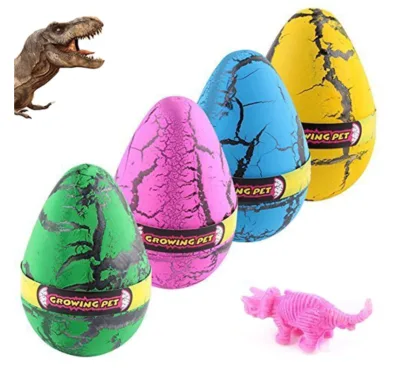
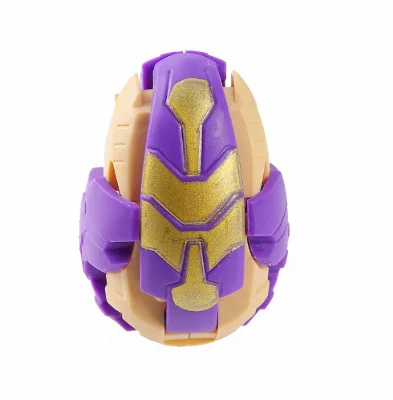
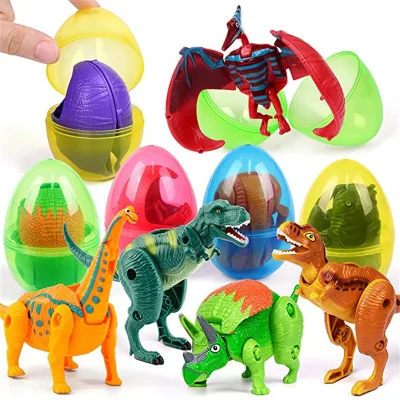
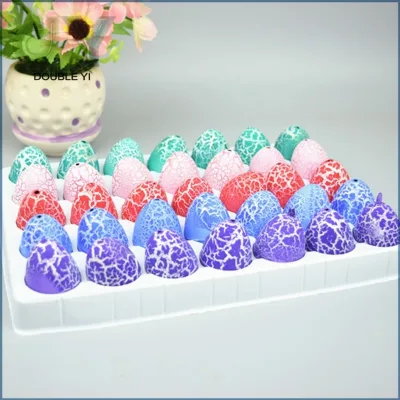
Explore 30 listings of Dinosaur Egg toys suitable for preschool education, party favors, and pretend play. Buyers can compare specifications like material, size, and MOQ to find the right supplier for their needs.
Key considerations
Products List
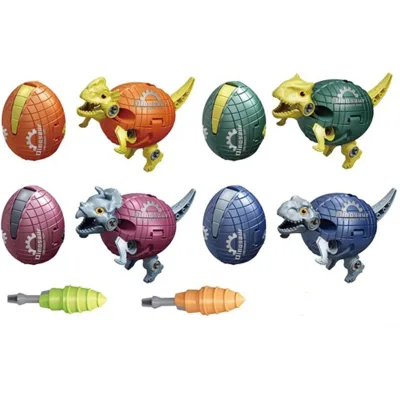
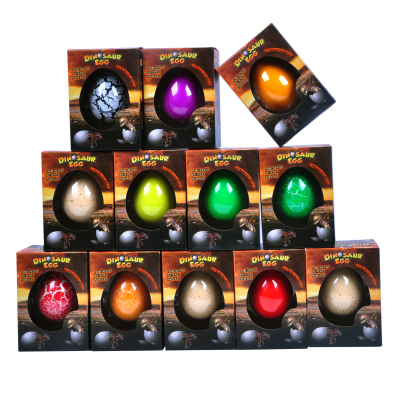
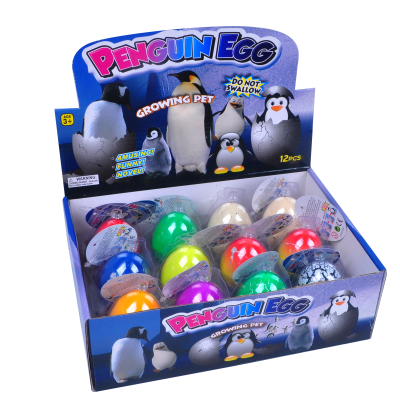
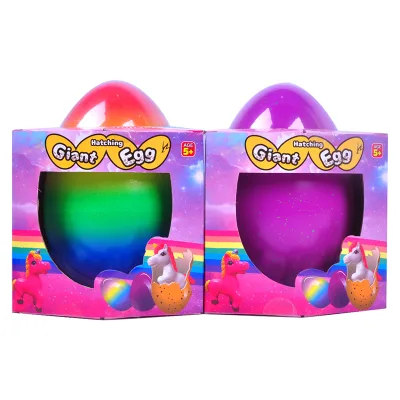
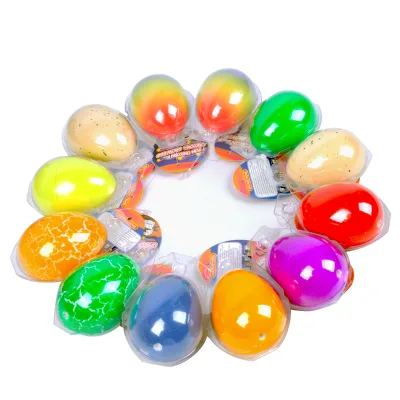
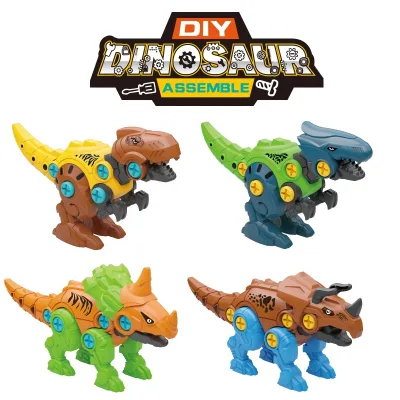
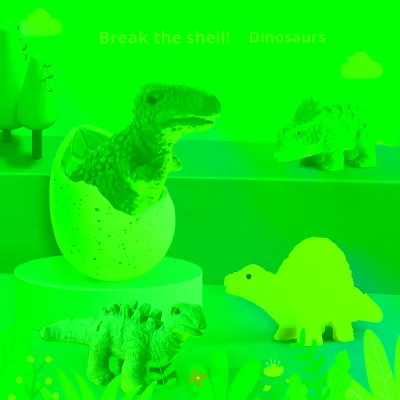
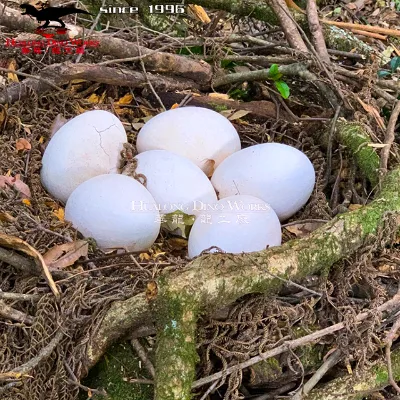
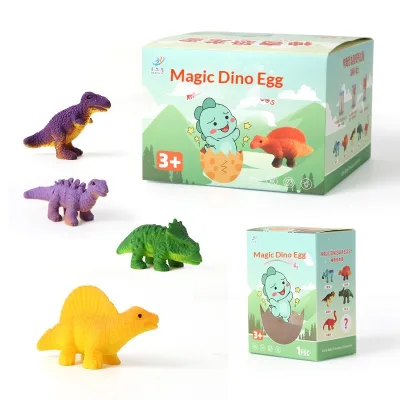


Dinosaur Egg Fossils Dinosaur Skeleton Museum Quality Dinosaur Skeleton
$300.00 - $8000.00
MOQ: 1 Pieces

Dinosaur Egg Fossils Indoor Children Playground Dinosaur Fossil Replica
$300.00 - $8000.00
MOQ: 1 Pieces

Realistic Model Fiberglass and Life Size Dinosaur Egg for Amusement Park
$1000.00 - $5000.00
MOQ: 1 Pieces

Baby Dino Eggs Educational Hatching Velociraptor Dinosaur Eggs for Exhibition
$500.00 - $10000.00
MOQ: 1 Pieces
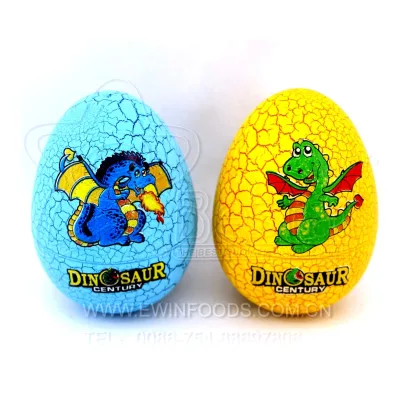

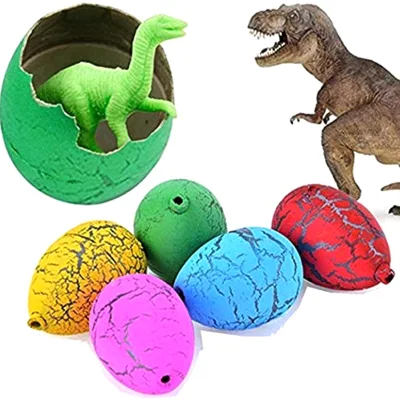
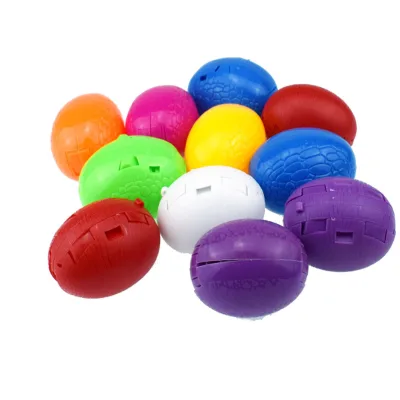


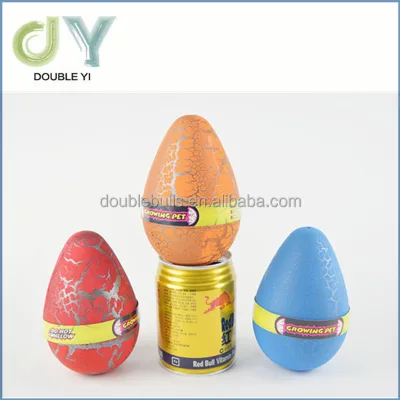
Comprehensive Sourcing Guide
Strategic Sourcing Guide for Dinosaur Egg Educational Toys
The global market for educational toys has seen a sustained surge in demand for interactive, hands-on learning tools, with the Dinosaur Egg category emerging as a particularly resilient segment. For procurement professionals and B2B buyers, navigating this sector requires a granular understanding of product variations, regulatory landscapes, and supply chain dynamics. The core keyword "Dinosaur Egg" encompasses a diverse array of items, ranging from small, single-item hatching toys to larger, multi-component educational kits. This guide provides a structured approach to sourcing these products, grounded in observed market data and technical specifications to ensure a compliant and cost-effective procurement strategy.
Technical Specifications and Product Variations
Understanding the technical attributes of dinosaur eggs is the first step in defining a precise specification sheet. The market presents distinct variations in size, material composition, and packaging dimensions, which directly impact logistics and shelf appeal. Based on current product listings, the physical dimensions of these items vary significantly. For instance, specific models such as the "Dianosaur Hatching growing egg" (Model ED0060N) feature a compact single package size of 11x8x6 cm with a gross weight of 0.06 kg per box. In contrast, the "row Penguin Egg" (Model ED06012) is even smaller, measuring 4x4x5.6 cm, while the "Giant Hatching Unicorn Egg" (Model UK09001) presents a substantially larger footprint at 17.5x17x16.8 cm and a single gross weight of 12.000 kg.
Material selection is another critical technical differentiator. The observed data indicates the use of diverse polymers, including EVA (Ethylene Vinyl Acetate) and ABS (Acrylonitrile Butadiene Styrene). The "penguin Hatching growing egg" (Model UK06012) is explicitly noted as being made from EVA, a material often chosen for its softness and durability in children's toys. Conversely, the "DIY Dinosaur Egg" (Model 1001) utilizes ABS, a rigid plastic suitable for structural components or harder shells. These material choices influence the product's tactile experience, safety profile, and manufacturing cost. Buyers must verify the specific material grade for each order, as the intended age range—ranging from 2 to 4 years to 8 to 13 years—dictates the necessary durability and safety standards.
Compliance and Certification Verification
Regulatory compliance is non-negotiable in the toy industry, particularly for products targeting children. The observed product data highlights a cluster of certifications that serve as indicators of a supplier's adherence to international safety standards. High-confidence facts from the market include ASTM, EN71, CE, CPC, and BSCI. ASTM and EN71 are critical for physical and mechanical safety, ensuring the toy does not pose choking hazards or contain sharp edges. CE marking indicates conformity with health, safety, and environmental protection standards for products sold within the European Economic Area. CPC (Children's Product Certificate) is a specific requirement for products imported into the United States, while BSCI (Business Social Compliance Initiative) addresses social compliance and ethical labor practices within the supply chain.
When evaluating potential suppliers, buyers should not assume that all listed products automatically possess these certifications. Instead, the procurement strategy must involve a rigorous verification process. Buyers should request valid, up-to-date test reports from accredited third-party laboratories for each specific model number. For example, a supplier offering the "DIY Dinosaur Egg" must provide evidence that the ABS material used meets the specific phthalate and heavy metal limits required by the relevant jurisdiction. The presence of a BSCI audit report is equally important for assessing the ethical integrity of the manufacturing facility, particularly given the origin of many of these products in Guangdong, China.
Cost Drivers and Pricing Dynamics
The pricing structure for dinosaur eggs is influenced by a complex interplay of factors, including material costs, packaging complexity, and order volume. The observed price range in the market spans from $0.04 to $30,000, a variance that reflects the difference between a single small unit and a bulk container of large, specialized items. The Minimum Order Quantity (MOQ) is a primary driver of unit cost. Data indicates MOQs ranging from 1 piece to 7,200 pieces. For instance, the "Dianosaur Hatching growing egg" carries an MOQ of 7,200 pieces, whereas the "Giant Hatching Unicorn Egg" has an MOQ of 600 sets.
Buyers must analyze the relationship between MOQ and unit price to optimize their inventory investment. High MOQs typically result in lower per-unit costs but require significant capital outlay and storage capacity. Conversely, lower MOQs offer flexibility but often come with a higher price point. The packaging method also plays a role in cost; products like the "Dianosaur" are packed in color boxes with 18 sets per carton, while the "row Penguin Egg" is packed with 144 pieces per carton. These packing densities affect the cost of freight and warehousing. Additionally, the option for OEM/ODM services and customized logos, which are highly welcomed in this sector, will introduce additional tooling and setup costs that must be factored into the total landed cost.
Typical Applications and Target Demographics
The utility of dinosaur eggs extends beyond simple play; they are increasingly recognized as tools for early childhood development and STEM education. The product descriptions frequently categorize these items as "Other Educational Toys" or "Preschool Educational Toys," with functions centered on "Playing" and "Pretend." The "DIY Dinosaur Egg" is explicitly described as a "Pretend Educational Toy," suggesting its use in role-playing scenarios that foster imagination and social skills.
The target demographic is clearly segmented by age. The data shows products designed for children aged 2 to 4 years, as well as those for the 5 to 7 years and 8 to 13 years brackets. This segmentation implies a need for varying levels of complexity. Younger children may benefit from the tactile experience of hatching a small egg, while older children might engage with the educational content associated with the dinosaur or animal species. The "Giant Hatching Unicorn Egg" targets the 5 to 13-year range, likely offering a more elaborate unboxing or assembly experience. Buyers should align their product selection with the specific developmental goals of their target market, ensuring the toy's complexity matches the cognitive abilities of the intended age group.
Supplier Evaluation and Sourcing Strategy
Selecting the right supplier requires a multi-faceted evaluation process that goes beyond price comparison. The geographic origin of the products is a significant factor, with the majority of observed listings originating from Guangdong, China, or the region abbreviated as "GUA." This region is a global hub for toy manufacturing, offering a mature supply chain but also requiring careful vetting to ensure quality consistency.
Key evaluation criteria should include the supplier's ability to handle customization. The market data indicates that OEM/ODM services and customized logos are highly welcomed, suggesting that many suppliers are flexible in adapting products to brand requirements. However, buyers must verify the supplier's capacity to maintain quality during customization. The "Brand Name" field shows a mix of established names like "Ukenn" and generic "OEM ODM" labels, indicating that some suppliers operate as white-label manufacturers while others have their own brand identity.
Furthermore, the supply ability is a critical metric. One observed product lists a supply ability of 2,000 pieces per month. For buyers with large volume requirements, this capacity might be insufficient, necessitating a supplier with higher production throughput. Buyers should request detailed production schedules and capacity audits to ensure the supplier can meet peak demand periods without compromising quality or delivery timelines.
Quality Control and Long-Term Procurement
Implementing a robust quality control (QC) regime is essential for mitigating risks associated with toy manufacturing. Given the variations in materials like EVA and ABS, and the diverse packaging formats, a standardized QC checklist is necessary. This checklist should include checks for material integrity, color consistency, and packaging durability. For example, the "Giant Hatching Unicorn Egg" has a single gross weight of 12.000 kg, which requires careful handling during shipping to prevent damage. The "Dianosaur" egg, with a much lighter weight of 0.06 kg, presents different handling challenges.
Long-term procurement considerations involve building a sustainable relationship with suppliers. This includes negotiating favorable terms for repeat orders, establishing clear communication channels for quality feedback, and ensuring that the supplier remains compliant with evolving international standards. The "Selling Units" field indicates that many products are sold as single items, which simplifies the initial procurement process but requires careful management of inventory turnover. Buyers should also consider the environmental impact of packaging, as the industry is increasingly moving towards sustainable materials.
Comparative Analysis of Product Attributes
To facilitate decision-making, the following table summarizes key attributes of the observed product models, highlighting the differences in specifications, materials, and compliance markers.
| Product Name | Model Number | Material | Size (Single Package) | Gross Weight | MOQ | Certification |
|---|---|---|---|---|---|---|
| Dianosaur Hatching growing egg | ED0060N | Not Specified | 11x8x6 cm | 0.06 kg | 7200 pcs | ASTM, EN71, CE, CPC, BSCI |
| Penguin Hatching growing egg | UK06012 | EVA | 6 cm (approx) | Not Specified | 3000 pcs | Not Specified |
| Giant Hatching Unicorn Egg | UK09001 | Not Specified | 17.5x17x16.8 cm | 12.000 kg | 600 set | Not Specified |
| Row Penguin Egg | ED06012 | Not Specified | 4x4x5.6 cm | 0.620 kg | Not Specified | Not Specified |
| DIY Dinosaur Egg | 1001 | ABS | Not Specified | Not Specified | Not Specified | Not Specified |
This comparison underscores the diversity within the category. While the "Dianosaur" model lists comprehensive certifications, other models do not explicitly state them in the provided data. This reinforces the necessity for buyers to conduct independent verification for every product line. The significant variation in MOQs and weights also highlights the need for tailored logistics planning. A buyer sourcing the "Giant Hatching Unicorn Egg" must account for the heavy weight and lower MOQ, whereas the "Row Penguin Egg" requires high-volume handling due to its small size and high packing density (144 pcs/CTN).
In conclusion, sourcing dinosaur eggs requires a balanced approach that integrates technical knowledge, regulatory diligence, and strategic supplier management. By focusing on the specific attributes of each model and maintaining a rigorous verification process, buyers can secure high-quality products that meet the demands of the modern educational toy market. The key to success lies in treating product attributes as observations to be verified rather than guaranteed claims, ensuring that every procurement decision is grounded in factual evidence and compliance.
FAQs
What certifications do Dinosaur Egg toys typically hold?
Many products hold ASTM, EN71, CE, CPC, and BSCI certifications. Buyers must verify specific test reports for each model, as not all listed items automatically possess these marks regardless of the general category trends.
Which materials are used for hatching dinosaur eggs?
Common materials include EVA and ABS plastics. EVA is used for soft durability in some models, while ABS provides rigidity for others, directly influencing the tactile experience and safety profile for different age groups.
How does MOQ affect the unit price of these toys?
Higher MOQs generally lower the per-unit cost but require significant capital. Orders range from 1 to 7,200 pieces, so buyers must balance inventory investment against the flexibility offered by lower minimum order quantities.
Can suppliers provide customized logos for these products?
Yes, customized logos are highly welcomed by manufacturers. This OEM and ODM service allows buyers to adapt products to brand requirements, though it may introduce additional tooling and setup costs into the total price.
Where are most Dinosaur Egg manufacturers located?
The majority of observed listings originate from Guangdong, China. This region is a global hub for toy manufacturing, offering a mature supply chain that requires careful vetting to ensure consistent quality and ethical labor practices.
What is the typical age range for these educational toys?
Products target children from 2 to 13 years old. Younger children benefit from tactile hatching experiences, while older age groups engage with more complex educational content or pretend play scenarios associated with the dinosaur theme.