Source Eco-Friendly Educational Kids Drum for Playrooms, Schools, and Homes
Find 30 Eco-Friendly Educational Kids Drum options from China. Compare plastic and aluminum models with CE and En71 certifications. View specs for RFD series and yindu brands to select suitable percussion instruments for early learning; compare the available evidence and request quotations based on your requirements.
Key considerations
Products List


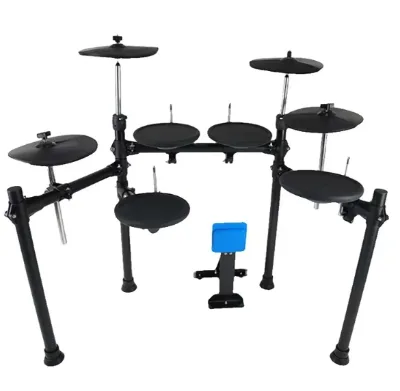
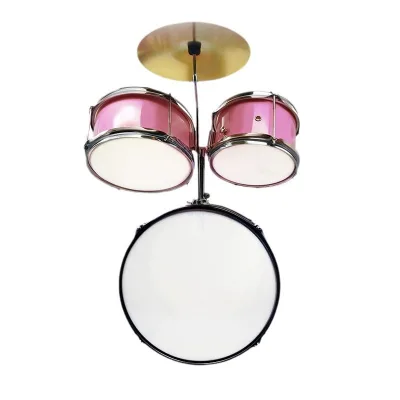


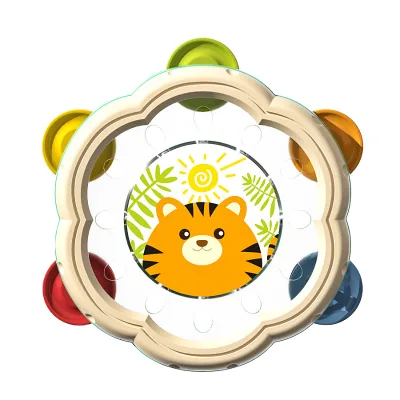
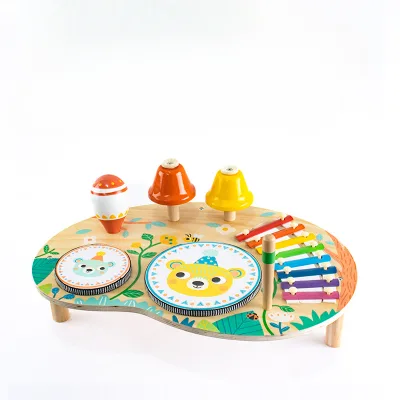
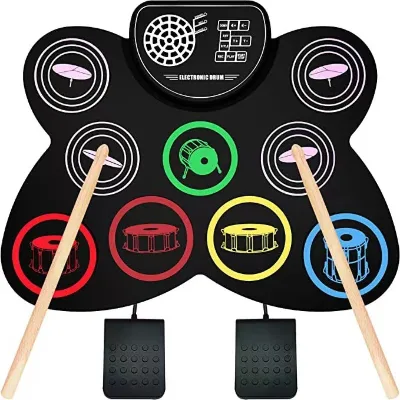


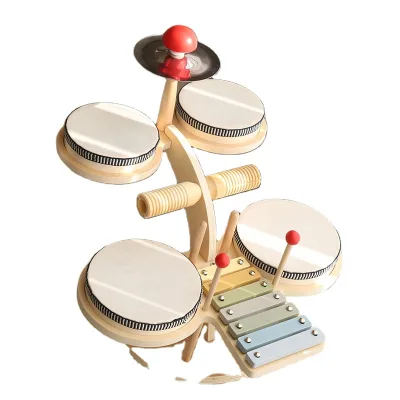

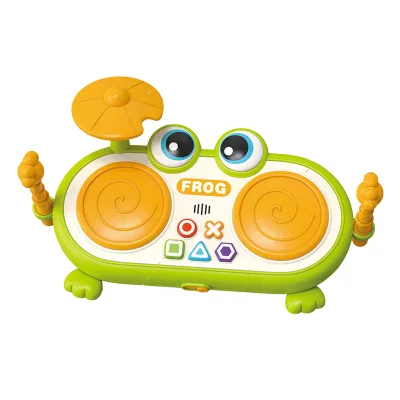
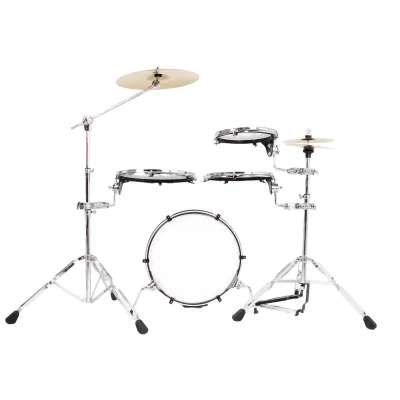
Comprehensive Sourcing Guide
Eco-Friendly Educational Kids Drum Sourcing Guide
Sourcing eco-friendly educational drums for children requires balancing safety, durability, and pedagogical value. Buyers must prioritize materials that are non-toxic and sustainably sourced, ensuring the instruments withstand frequent use by young learners. The market offers various options, from plastic-based kits to hybrid designs, each presenting distinct advantages for classroom or home environments. Understanding these material differences is crucial for selecting products that align with both educational goals and environmental standards.
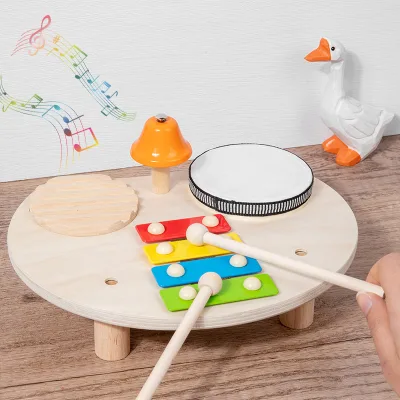
Educational value is often embedded in the design, such as color-coded keys or intuitive layouts that facilitate early music learning. Procurement teams should evaluate how the instrument’s features support cognitive development and motor skill refinement. Additionally, the aesthetic appeal and tactile feedback of the drums play a significant role in engaging young users. By focusing on these functional and educational attributes, buyers can ensure that the selected instruments not only entertain but also contribute meaningfully to early childhood music education programs.
Product Scope and Observed Listing Signals
The current market landscape for educational drums includes a diverse range of products, with observed price points spanning from $0.76 to $450 USD. This wide variance reflects differences in complexity, material quality, and brand positioning. Buyers should note that minimum order quantities (MOQs) typically range from 1 to 5,000 units, offering flexibility for both small-scale retailers and large institutional buyers. Understanding these commercial signals helps in aligning procurement strategies with budget constraints and inventory turnover expectations.
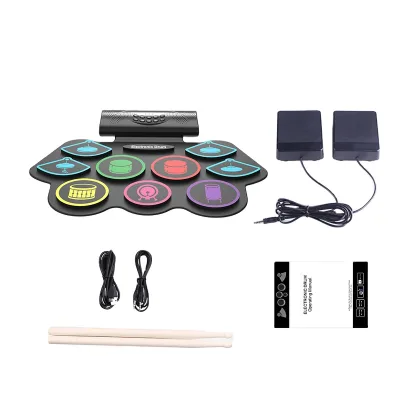
Product attributes frequently highlight customization options, with many suppliers offering OEM/ODM services to tailor designs for specific markets. Common materials include plastic and aluminum, with drum heads made from polyester or other durable synthetics. Colors vary widely, including white, red, and colorful options, catering to different aesthetic preferences. Some listings specify models like RFD307266 or YD-0001, indicating a structured product catalog. Buyers should verify these specifics to ensure the products meet their exact technical and branding requirements.
Technical Specifications to Verify
Technical verification begins with confirming physical dimensions and packaging details, which impact shipping costs and storage efficiency. Observed specifications include standard sizes such as 20.520.520.5cm for individual units and larger box sizes like 6754.576cm for bulk shipments. Buyers must also check single package weights, which have been observed at 15.000 kg and 20.000 kg, to calculate accurate freight charges. These metrics are critical for logistics planning and ensuring that the products fit within standard container or pallet configurations.
Model numbers and origin locations provide additional context for quality and supply chain reliability. Products originate from regions like Shantou and Tianjin, China, with specific models such as RFD253916 and RFD352244 identified in listings. Buyers should verify the drum head materials, noting observations of polyester and other types, to ensure durability and sound quality. Additionally, confirming the presence of features like "Direct Play" functionality can help assess the ease of use for children. Accurate specification verification prevents mismatches between ordered and delivered goods.
Compliance and Safety Documentation
Safety compliance is paramount when sourcing products for children under three years old. Buyers must ensure that all drums meet relevant safety standards, such as CE and En71 certifications, which are commonly observed in the market. These certifications indicate that the products have undergone rigorous testing for mechanical, physical, and chemical hazards. Verifying these documents is essential to mitigate liability risks and ensure that the instruments are safe for young users, particularly those who may put parts in their mouths.
Beyond certifications, buyers should request detailed material safety data sheets to confirm the absence of harmful substances like lead or phthalates. The use of plastic and aluminum in construction should be accompanied by proof of non-toxic finishes and coatings. Additionally, checking for age-appropriate design features, such as rounded edges and secure assembly, is crucial. Ensuring that all documentation is up-to-date and verifiable helps maintain trust with parents and educational institutions, reinforcing the brand’s commitment to child safety and well-being.
Cost Drivers and Commercial Terms
Cost drivers in the educational drum market include material selection, customization complexity, and order volume. Products with OEM/ODM capabilities often carry higher unit costs due to the additional engineering and branding efforts involved. Buyers should analyze the trade-off between customization and cost, determining whether unique features justify the premium. Additionally, the weight and packaging size significantly influence shipping costs, making efficient design a key factor in total landed cost calculations.
Commercial terms such as MOQs and payment structures vary widely among suppliers. While some suppliers accept orders as low as one set, others may require bulk purchases to achieve economies of scale. Buyers should negotiate flexible terms that align with their cash flow and inventory needs. It is also important to clarify responsibilities for shipping, insurance, and customs clearance. Understanding these commercial dynamics allows buyers to optimize their procurement strategy and avoid unexpected expenses that can erode profit margins.
Supplier Qualification and Quality Control
Supplier qualification involves assessing manufacturing capabilities, quality management systems, and past performance. Buyers should verify that suppliers have experience in producing educational instruments and adhere to strict quality control protocols. Observing certifications like CE and En71 is a good starting point, but on-site audits or third-party inspections can provide deeper insights into production processes. Ensuring that suppliers have robust QC measures in place helps prevent defects and ensures consistent product quality across batches.
Quality control should also extend to post-production checks, including packaging integrity and labeling accuracy. Buyers should specify requirements for window boxes or cartons that protect the drums during transit. Additionally, verifying that the products meet the specified model numbers and material compositions is essential. Implementing a sampling plan for incoming goods can help detect issues early. By prioritizing supplier qualification and rigorous quality control, buyers can build a reliable supply chain that supports long-term business success.
Long-Term Procurement Checks
Long-term procurement success depends on continuous monitoring of supplier performance and market trends. Buyers should establish key performance indicators (KPIs) for delivery times, product quality, and customer satisfaction. Regular reviews of these metrics help identify potential issues before they escalate. Additionally, staying informed about changes in safety regulations and material standards is crucial for maintaining compliance. Proactive engagement with suppliers ensures that they remain aligned with evolving market demands and regulatory requirements.
Sustainability should also be a key consideration in long-term strategy. Buyers should encourage suppliers to adopt eco-friendly practices, such as using recyclable materials and reducing waste. This not only enhances brand reputation but also aligns with growing consumer demand for sustainable products. Building strong, collaborative relationships with suppliers fosters innovation and resilience in the supply chain. By focusing on these long-term checks, buyers can ensure that their procurement strategy remains competitive, compliant, and aligned with their corporate social responsibility goals.
FAQs
What certifications do Eco-Friendly Educational Kids Drum products carry?
Certifications listed for these products include CE and En71, which are common requirements for toy imports into European markets. Certification can vary by model, so confirm the specific certificate for the drum set you plan to order. Ask the supplier to provide current test reports matching the exact model number before placing a bulk order.
Can I customize the color and design of a kids drum set order?
Yes, customization is available, and some listings explicitly accept OEM and ODM requests with free custom color options. Drum heads can be specified in white, black, or transparent. Customization usually affects minimum order quantity and lead time, so discuss your artwork, color, and branding requirements with the supplier before confirming production.
What is the minimum order quantity for educational kids drum sets?
Minimum order quantities vary across listings, ranging from 1 set to 5,000 units depending on the model. At least one drum set listing states an MOQ of 1 set, which suits sample testing or small retail trials. Larger custom production runs typically require higher volumes, so verify the MOQ for your chosen model before quoting.
Which age groups are these kids drum products designed for?
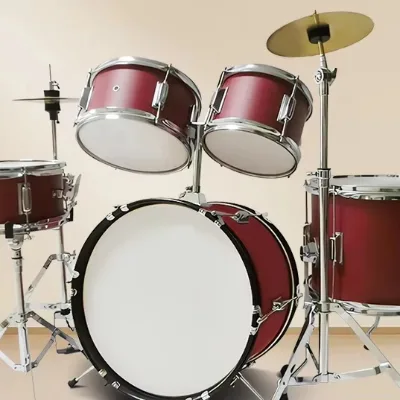
Listings cover two age ranges: some rattle-drum style products are designed for children under 3 years, while jazz drum and drum set products target ages 3 to 8 years. Age suitability affects safety requirements and small-parts design. Always confirm the recommended age marking on the specific product before importing for your market.
How are the drum sets packed for shipping?
Packing options listed include window boxes and cartons. One model ships in a window box with dimensions around 20.5 by 20.5 by 20.5 centimeters, while larger sets use cartons with box sizes around 67 by 54.5 by 76 centimeters. Single gross weights range from about 15 to 20 kilograms for bigger drum sets, so plan freight accordingly.
Where are these educational kids drum products manufactured?
The listed products originate from China, with specific origins noted in Shantou and Tianjin. Shantou is a major toy production hub, while Tianjin listings include larger drum sets weighing around 61 kilograms. Your choice of origin can influence freight costs and production capacity, so compare suppliers in both regions for your target specification.
What materials are used in the kids drum products offered?
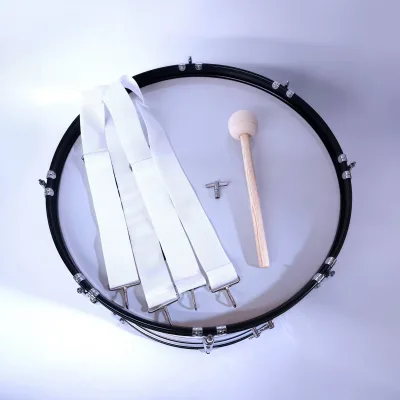
Materials listed include plastic for toy percussion items and polyester drum heads with aluminum drum chambers on certain drum sets. Material choice affects durability, sound quality, and safety compliance for young children. Request the material breakdown for your specific model, especially if your market restricts certain plastics in children's products.