Source Diphenylphosphine Oxide for Organic Crystals, catalysts, and synthesis
Find 30 verified listings for Diphenylphosphine Oxide for Organic Crystals applications. Buyers can compare purity levels, molecular weights, and packaging options from multiple Chinese suppliers to match specific synthesis needs; compare the available evidence and request quotations based on your requirements.
Key considerations
Products List








Comprehensive Sourcing Guide
Diphenylphosphine Oxide for Organic Crystals Sourcing Guide
Procuring diphenylphosphine oxide requires careful attention to its classification as a substituted benzene and an organic analytical reagent. Buyers must distinguish between industrial-grade intermediates and high-purity variants suitable for sensitive organic crystal synthesis. The observed market data indicates a wide range of product specifications, with purity levels varying significantly across listings. Some suppliers offer products with a purity of 99%, while others provide analytical-grade materials with gas chromatography purity exceeding 99.9%. This variance directly impacts the suitability of the material for precise chemical applications, necessitating rigorous verification of the specific grade required for your synthesis process.
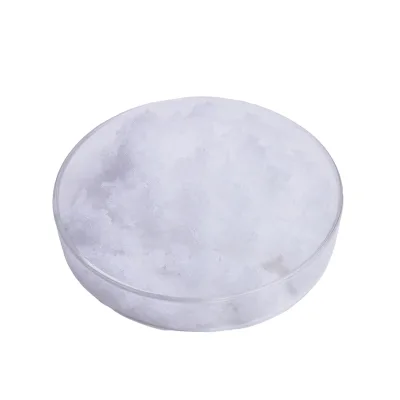
The physical appearance of the product serves as an initial indicator of quality, with white crystalline solids being the standard expectation. However, some listings describe the material as a white to pinkish brown crystalline powder or flake, which may suggest variations in purity or storage conditions. Buyers should prioritize suppliers who explicitly state the appearance as a white crystalline solid to ensure consistency. Additionally, the molecular weight is a critical identifier, with observed values including 154.2, 202.19, and 278.28, highlighting the need to confirm the exact chemical identity. Misidentification can lead to significant errors in stoichiometry and reaction outcomes, making precise specification verification essential before placing any order.
Product Scope and Observed Listing Signals
The product scope for diphenylphosphine oxide encompasses a variety of industrial and analytical applications, primarily as a synthesis material intermediate and catalyst. Listings frequently highlight its role in organic reagent processes, with some specifying its use in catalyst applications. The observed product models and identifiers, such as 20S-3 and 791-28-6, provide crucial reference points for buyers. It is imperative to cross-reference these model numbers with the corresponding CAS number, 791-28-6, to ensure the correct chemical entity is being sourced. The presence of multiple identifiers suggests a diverse supplier base, requiring buyers to carefully match the listed model with their specific technical requirements.
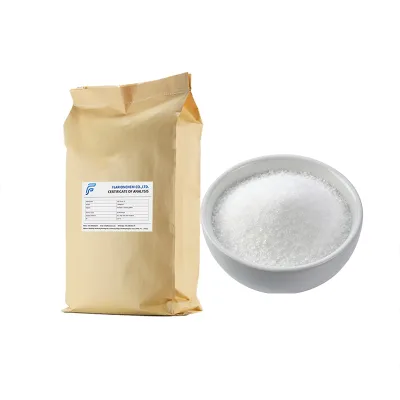
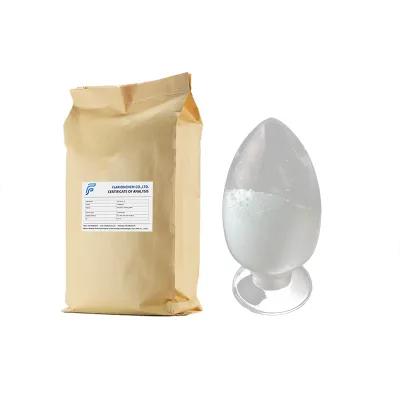
Packaging and shipping terms vary considerably among suppliers, reflecting different logistical capabilities and customer needs. Common packaging options include paper plastic composite bags, drums, and 25kg paper bags, with some suppliers offering customization. The standard packaging of 25kg per unit is prevalent, but buyers should verify if the packaging material is suitable for their storage conditions. Shipping terms are often negotiated, indicating flexibility in logistics arrangements. Buyers should assess the supplier’s ability to provide samples, as this is a common offering that allows for preliminary quality assessment. Understanding these logistical details helps in planning inventory management and ensuring the material arrives in optimal condition.
Technical Specifications to Verify
Verifying technical specifications is paramount when sourcing diphenylphosphine oxide, particularly regarding molecular weight and formula. The supplied data presents conflicting molecular weights, including 154.2, 202.19, 278.28, and 348.37, which necessitates immediate clarification with the supplier. The correct molecular formula, such as C18H15OP, must be confirmed to ensure the product matches the intended chemical structure. Discrepancies in these fundamental properties can indicate different chemical entities or potential errors in listing data. Buyers should request a Certificate of Analysis (CoA) that explicitly states the molecular weight and formula to avoid receiving an incorrect substance.
Physical properties such as melting point, density, and appearance are also critical verification points. The observed melting point range of 150-157°C is a key identifier for diphenylphosphine oxide, and buyers should verify that the supplier’s product falls within this range. Density values, such as 1.12g/ml at 25°C, provide additional confirmation of the material’s identity. The appearance should be consistent with a white crystalline solid, and any deviation, such as a pinkish brown hue, should be investigated. Buyers must ensure that the supplier provides accurate and up-to-date technical data sheets, as these documents are essential for quality control and regulatory compliance in chemical procurement.
Compliance and Safety Documentation
Compliance with safety and regulatory standards is a non-negotiable aspect of sourcing diphenylphosphine oxide. Buyers must ensure that suppliers provide necessary safety data sheets (SDS) that detail handling, storage, and emergency procedures. The EINECS number, 212-338-8, is a critical identifier for regulatory compliance in many jurisdictions, and its presence in supplier documentation confirms the product’s registration status. Buyers should verify that the supplier adheres to relevant industrial grade standards, as these standards dictate the acceptable levels of impurities and contaminants. Failure to comply with these standards can result in legal liabilities and safety hazards in the workplace.
Storage requirements are another vital compliance consideration, as improper storage can degrade the product or create safety risks. The observed storage instructions indicate that specific conditions are necessary to maintain product integrity. Buyers should confirm that their storage facilities meet these requirements, including temperature and humidity controls. Additionally, suppliers should provide documentation regarding the product’s origin, with China being a common source. Buyers must ensure that the supplier’s origin claims are accurate and that the product has been manufactured in facilities that adhere to international quality and safety standards. This due diligence helps mitigate risks associated with supply chain disruptions and regulatory non-compliance.
Cost Drivers and Commercial Terms
Cost drivers for diphenylphosphine oxide include purity levels, packaging options, and order volume. The observed price range of 0.5 to 2480 USD reflects significant variation based on these factors. Higher purity grades, such as those with 99.9% GC purity, typically command higher prices due to the additional processing and quality control required. Packaging also influences cost, with customized packaging or specialized containers like drums potentially increasing the overall price. Buyers should evaluate the total cost of ownership, including shipping and handling, rather than focusing solely on the unit price. Negotiating volume discounts can also help reduce costs, especially for large-scale procurement.
Commercial terms, including minimum order quantities (MOQ) and payment terms, vary among suppliers. The observed MOQ range of 1 to 1000 units indicates flexibility, but buyers should align their order size with their inventory needs and cash flow constraints. Payment terms are often negotiated, and buyers should seek favorable conditions that balance risk and convenience. Suppliers may offer sample support, which can be a valuable tool for assessing quality before committing to a larger order. Buyers should also consider the supplier’s lead times and shipping terms, as delays can impact production schedules. Clear communication of commercial expectations helps establish a transparent and mutually beneficial procurement relationship.
Supplier Qualification and Quality Control
Supplier qualification is essential to ensure the reliability and consistency of diphenylphosphine oxide supplies. Buyers should assess the supplier’s manufacturing capabilities, quality control processes, and track record in the industry. Suppliers with a brand name, such as bosschemical, may offer additional assurance of product consistency and customer support. Buyers should request references or case studies to verify the supplier’s performance in similar applications. Additionally, suppliers should have robust quality control measures in place, including regular testing of raw materials and finished products. This diligence helps ensure that the product meets the specified purity and physical property requirements.
Quality control extends to the verification of product documentation and certifications. Buyers should require suppliers to provide batch-specific certificates of analysis that confirm the product’s identity, purity, and physical properties. These documents should be reviewed by technical personnel to ensure they meet the buyer’s specifications. Suppliers should also have a system for tracking and tracing products, allowing for quick identification and resolution of any quality issues. Buyers should establish clear communication channels with suppliers to address any concerns promptly. Regular audits or inspections of the supplier’s facilities can provide additional assurance of their commitment to quality and compliance.
Long-Term Procurement Checks
Long-term procurement checks involve continuous monitoring of supplier performance and market trends. Buyers should establish key performance indicators (KPIs) to evaluate suppliers on metrics such as delivery reliability, product quality, and responsiveness. Regular reviews of these metrics help identify potential issues early and facilitate corrective actions. Buyers should also stay informed about market trends, including changes in supply and demand, pricing fluctuations, and regulatory updates. This awareness enables proactive adjustments to procurement strategies and helps mitigate risks associated with market volatility. Building strong relationships with suppliers can also provide access to valuable market insights and collaborative opportunities.
Sustainability and ethical sourcing are increasingly important considerations in long-term procurement. Buyers should assess suppliers’ environmental practices and commitment to sustainable manufacturing processes. This includes evaluating their waste management, energy consumption, and carbon footprint. Ethical sourcing involves ensuring that suppliers adhere to labor standards and human rights principles. Buyers should incorporate these criteria into their supplier evaluation process and prioritize suppliers who demonstrate a strong commitment to sustainability and ethics. By integrating these considerations into their procurement strategy, buyers can contribute to a more responsible and resilient supply chain while maintaining high standards of product quality and compliance.
FAQs
What is diphenylphosphine oxide used for in organic crystal applications?
Diphenylphosphine oxide is used as an organic reagent and synthesis material intermediate in producing organic crystals and functional compounds. It also serves in catalyst-related applications. Buyers should confirm purity grade, typically industrial grade at 99 percent or higher, matches their crystal synthesis requirements before ordering samples or bulk quantities.
What purity grade is available for diphenylphosphine oxide?
Listed industrial-grade material shows purity of 99 percent, with gas chromatography purity reported at 99.9 percent or higher for some listings. Purity levels can vary by specification, so buyers should request certificates of analysis and confirm the exact grade required for organic crystal work before committing to a purchase order.
What does diphenylphosphine oxide look like on delivery?
It is typically supplied as a white crystalline solid or powder, sometimes appearing white to pinkish brown in crystalline powder or flake form. Appearance can vary slightly by batch and grade. Buyers should inspect received material against the agreed specification and raise any visible deviation with the seller before acceptance.
How is diphenylphosphine oxide packaged for shipment?
Common packaging includes 25kg bags or drums, with paper plastic composite bags also used depending on the listing. Custom packaging is often available since customization is supported. Buyers should confirm the packaging format, net weight per unit, and shipping terms with the seller before arranging logistics or storage.
Can I request a sample before placing a bulk order?
Sample support is available for many listings, allowing buyers to evaluate material quality first. Samples typically ship in small quantities while production lots are packed in 25kg units. Confirm sample availability, quantity, and shipping terms with the seller, and use the sample to verify purity against your crystal synthesis needs.
Which physical properties matter when sourcing diphenylphosphine oxide?
Key properties include a melting point around 150 to 157 degrees Celsius for some listings, molecular weight around 202.19, and crystalline appearance. Verifying these against reference literature values helps confirm identity and quality. Request analytical documentation from the seller to ensure the material suits your organic crystal application requirements.
Can diphenylphosphine oxide orders be customized?
Yes, customization is available on many listings, covering packaging formats, specifications, and order arrangements. Buyers needing non-standard purity, alternative packaging, or specific labeling should discuss requirements with the seller early. Customized orders may affect minimum order quantities and lead times, so confirm all details in writing before confirming production.
How should diphenylphosphine oxide be stored after delivery?
Proper storage conditions should be confirmed with the seller, as storage handling is a standard part of product documentation. Keep the crystalline material sealed in its original packaging, protected from moisture and contamination, in a cool dry area. Always follow the safety data sheet and supplier instructions specific to the delivered batch.