Source IP67 Waterproof Bluetooth Smartwatch for Fitness, Travel, Work
Compare 30 models of IP67 Waterproof Bluetooth Smartwatch featuring TFT and IPS displays, long battery life, and multi-language support. Buyers can evaluate specifications for communication, detection, and daily usage across diverse applications.
Key considerations
Products List

1.76 Inch Bluetooth Smartwatch with IP67 Waterproof Blood Pressure Monitor
$12.96 - $13.09
MOQ: 100 Pieces


Waterproof Sports Smart Watch with Minimalist Design & Bluetooth Calling
$11.53 - $11.93
MOQ: 100 Pieces


Mechanical-Design Sports Bluetooth Smart Watch: Multi-Language & IP68 Waterproof
$18.77 - $19.17
MOQ: 10 Pieces


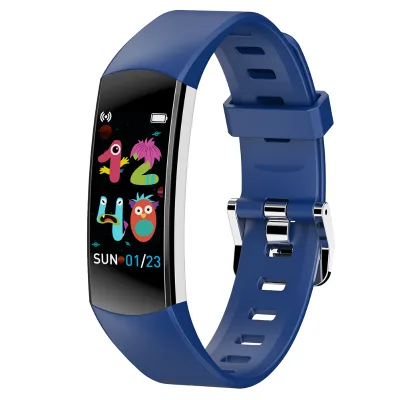
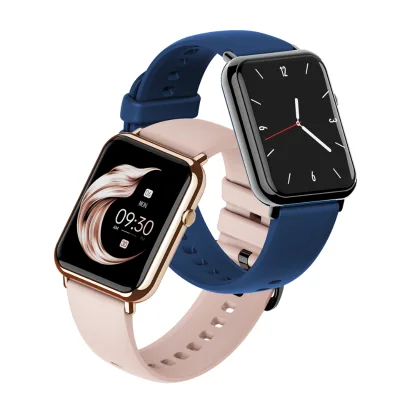
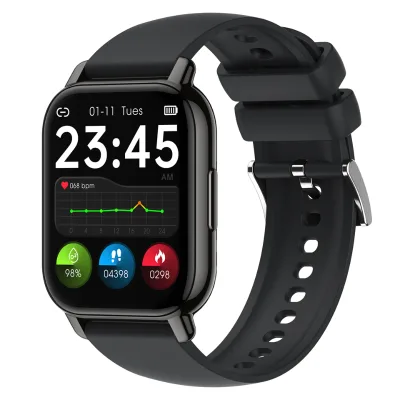


Waterproof Smartwatch with Bluetooth Calling and Multiple Sports Modes
$10.00 - $13.00
MOQ: 100 Pieces


Comprehensive Sourcing Guide
Strategic Sourcing Guide for IP67 Waterproof Bluetooth Smartwatches
Understanding the Core Product Architecture and Technical Specifications
When sourcing IP67 waterproof Bluetooth smartwatches, buyers must first establish a clear understanding of the underlying hardware architecture that defines performance and durability. The product category is characterized by a convergence of communication capabilities and ruggedized design. The primary display technology observed in this segment is the TFT (Thin Film Transistor) panel, which offers a balance between cost-efficiency and visual clarity. In specific high-end configurations within this market, IPS (In-Plane Switching) panels are also utilized to enhance viewing angles and color reproduction.
The physical dimensions of the display are a critical differentiator. Market data indicates a range of screen sizes, with common specifications including 1.76-inch and 2.01-inch displays. Correspondingly, screen resolutions vary to match these form factors, with observed specifications ranging from 240296 pixels to 320396 pixels. Buyers should verify that the selected unit offers a "Full Touch" interface, as this is a standard expectation for modern smartwatches to ensure responsive interaction without physical buttons.
Connectivity is the defining feature of this category. The core keyword "Bluetooth" implies the presence of Bluetooth calling capabilities, allowing the device to function as a standalone communication tool. Some advanced units in this space also integrate WiFi connectivity to expand network access. The battery architecture is equally vital for operational longevity. Observed battery capacities range from 230mAh to 300mAh. These capacities translate into specific usage times; for instance, some models support approximately 3 days of active usage with a standby time of 30 days, while others may offer extended battery life of 7-10 days depending on the usage profile and power management algorithms.
Compliance Verification and Water Resistance Standards
The "IP67" designation in the core keyword represents a specific ingress protection rating that buyers must rigorously verify. The IP67 standard indicates that the device is dust-tight (the first digit '6') and can withstand immersion in water up to 1 meter for 30 minutes (the second digit '7'). It is crucial to distinguish this from higher ratings like IP68, which offers protection against deeper or longer immersion. While some products in the broader smartwatch market may claim IP68, the specific focus on IP67 requires suppliers to demonstrate that the sealing mechanisms meet the 1-meter threshold.
Buyers should not assume that a listed IP rating is a permanent guarantee. The integrity of the seal can degrade over time due to physical impact, temperature fluctuations, or chemical exposure to soaps and lotions. Therefore, procurement strategies must include a request for specific test reports from accredited laboratories that validate the IP67 claim under controlled conditions. Although certifications such as CE and RoHS are often associated with this product category, their presence should be confirmed on a per-shipment basis rather than assumed as a blanket attribute of the entire product line. The absence of a specific certification in a supplier's initial catalog does not necessarily indicate non-compliance, but it does necessitate a formal audit of the manufacturing facility's quality management systems.
Cost Drivers and Pricing Dynamics in the Smartwatch Market
The pricing structure for IP67 waterproof Bluetooth smartwatches is influenced by a complex interplay of component costs, feature sets, and order volumes. The observed price range in the current market spans from approximately $1 to $130.71 USD. This wide variance suggests that the category encompasses everything from basic communication devices to feature-rich wearable computers. The lower end of the spectrum typically corresponds to models with smaller screens (e.g., 1.76 inches), lower resolutions (240*296 pixels), and more basic battery capacities (230-280mAh). Conversely, the higher price points are associated with larger displays, higher resolution TFT or IPS panels, and enhanced connectivity features like WiFi.
Minimum Order Quantity (MOQ) is another significant cost driver. The market data indicates an MOQ range of 1 to 100 units. Suppliers offering an MOQ of 1 are often targeting prototyping or small-batch testing, while those requiring 100 units are geared toward bulk distribution. Buyers must align their procurement volume with the supplier's tiered pricing structure. Additionally, the packaging type influences the final landed cost. Standard configurations may come in a "Giftbox," which adds a premium for retail-ready presentation, whereas bulk shipments might utilize "Cartonbox" or simple "Box" packaging to reduce material costs. Customization options, such as logo printing or custom firmware, are available but will invariably increase the unit cost and potentially extend the lead time.
Typical Applications and Usage Scenarios
The versatility of IP67 waterproof Bluetooth smartwatches makes them suitable for a diverse range of applications, primarily driven by their communication and detection capabilities. The primary use case is personal communication, where the device serves as a hands-free extension of a smartphone. The Bluetooth calling feature allows users to make and receive calls directly from the wrist, a critical feature for professionals in mobile roles or individuals who prefer to keep their phones secure while exercising.
Beyond communication, these devices are heavily utilized for detection and monitoring. The "Detection" usage category implies the inclusion of sensors for health metrics, activity tracking, or environmental monitoring. The water resistance rating of IP67 makes these devices particularly suitable for sports and outdoor activities where exposure to sweat, rain, or accidental splashes is common. However, buyers must note that IP67 is not suitable for high-pressure water activities like swimming or diving, distinguishing it from dedicated swim watches.
The integration of smart features also extends to home and industrial environments. While the primary focus is on the wearable itself, the ecosystem often includes app control and voice interaction. Some models support multiple languages, including Chinese, English, Traditional Chinese, French, and German, facilitating global deployment. The battery life, ranging from 2-3 days to 7-10 days, ensures that the device remains a reliable tool for continuous monitoring without the burden of frequent charging, which is essential for users who require constant connectivity.
Supplier Evaluation and Quality Assurance Protocols
Evaluating suppliers for IP67 waterproof Bluetooth smartwatches requires a multi-faceted approach that goes beyond price comparison. The first step is verifying the origin of the product. Most devices in this category originate from China, a global hub for electronics manufacturing. Buyers should request detailed information regarding the specific manufacturing location and the factory's capacity to handle custom orders. The standard dimensions of the packaging, often cited around 20.811.32.1 cm or 20.911.42.2 cm, can serve as a baseline for logistics planning, though these figures should be confirmed for the specific model.
Quality assurance is paramount, especially given the water resistance claims. Buyers should implement a rigorous incoming quality control (IQC) process that includes random sampling for water immersion testing. The supplier's ability to provide a "Full Touch" screen with high resolution (320*396 pixels) and a robust battery (300mAh) must be validated through functional testing. Furthermore, the availability of customization is a key differentiator. Suppliers that offer customization services should be evaluated on their ability to maintain quality standards while integrating custom elements. The "Standard" of the product, often defined by physical dimensions or internal specifications, must be consistent across batches to ensure compatibility with accessories and packaging.
Long-Term Procurement Considerations and Lifecycle Management
Sourcing IP67 waterproof Bluetooth smartwatches is not merely a transactional event but a strategic partnership that requires long-term planning. The lifecycle of these devices is influenced by software support, battery degradation, and supply chain stability. Buyers should inquire about the supplier's policy on firmware updates, as the longevity of the "Smart Features" and "APP Languages" depends on continued software maintenance. A device that cannot receive updates may become obsolete quickly, even if the hardware remains functional.
Battery life is another critical long-term consideration. While initial battery life may be rated at 3 days or 7-10 days, the capacity will degrade over time. Buyers should assess the supplier's warranty terms regarding battery performance and their ability to source replacement batteries or refurbished units if the original supply chain is disrupted. The "Standby Time" of 30 days or approximately 65 days, as observed in different models, provides a baseline for expected performance, but real-world usage patterns will dictate the actual lifespan.
Finally, the procurement strategy must account for the variability in product models. The market features distinct models such as the V68, V11, and SK10, each with unique specifications. A successful procurement strategy involves maintaining a diversified supplier base to mitigate the risk of single-source dependency. By understanding the specific attributes of each model, such as the 2.01-inch screen on the V11 or the 1.76-inch screen on the V68, buyers can tailor their inventory to meet specific market demands. This approach ensures that the procurement process remains agile and responsive to changing consumer preferences and technological advancements in the wearable electronics sector.
FAQs
What display technologies are available for these smartwatches?
The available display technologies include TFT and IPS panels. These screens typically range from 1.76 inches to 2.01 inches in size, with resolutions such as 320x396 or 240x296 pixels, ensuring a full touch interface for responsive user interaction.
Can these devices support Bluetooth calling features?
Yes, the devices support Bluetooth calling capabilities. This feature allows users to make and receive calls directly from the wrist, serving as a primary communication tool alongside detection functions for health and activity monitoring.
What is the water resistance rating of these smartwatches?
The smartwatches feature an IP67 water resistance rating. This indicates they are dust-tight and can withstand immersion in water up to 1 meter for 30 minutes, making them suitable for sweat and rain but not high-pressure swimming.
How long does the battery last on a single charge?
Battery life varies by model, ranging from 2 to 10 days of usage. Specific capacities like 300mAh or 280mAh support usage times of approximately 3 days or 7-10 days, with standby times reaching up to 65 days depending on the model.
Which models offer customization options for buyers?
Customization is available for various models including the V68, V11, and SK10. Buyers can request custom packaging such as giftboxes or cartonboxes, and some suppliers offer firmware or logo customization, though this may affect unit costs and lead times.
What is the minimum order quantity for these products?
The minimum order quantity ranges from 1 to 100 units. Suppliers with an MOQ of 1 are suitable for prototyping, while those requiring 100 units cater to bulk distribution, allowing buyers to align their procurement volume with specific needs.
Where are these smartwatches manufactured?
These smartwatches originate from China. This region is a global hub for electronics manufacturing, offering a wide range of models with varying specifications, ensuring a diverse supply chain for buyers seeking competitive pricing and customization.