Source Direct-Flow Aluminum Oil Cooler Kit for Generators
Compare 30 Direct-Flow Aluminum Oil Cooler Kit options for marine diesel generators and industrial cooling units. Evaluate specifications like tube materials, certification, and customization to find the right fit for your application; compare the available evidence and request quotations based on your requirements.
Key considerations
Products List


Universal 30 Row Engine Oil Cooler + Filter Relocation Adapter Hose Kit
$130.00 - $170.00
MOQ: 1 Pieces

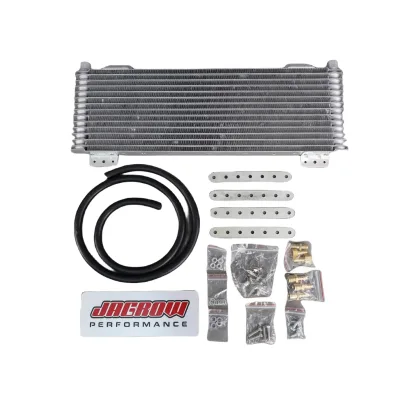
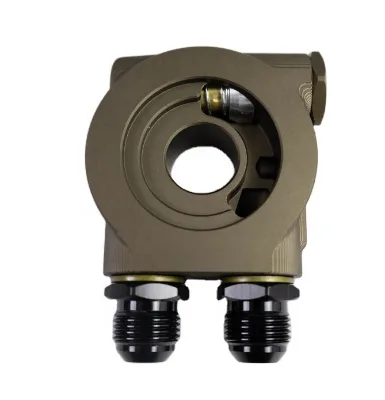


4row 6 Row 8 Row Tube Fin Oil Cooler Kit with An8 An10 Fitting Black Color
$12.00 - $23.00
MOQ: 100 Pieces

Comprehensive Sourcing Guide
Direct-Flow Aluminum Oil Cooler Kit Sourcing Guide
Procuring a Direct-Flow Aluminum Oil Cooler Kit requires a precise understanding of thermal management dynamics and material compatibility. Buyers must evaluate whether the kit’s design aligns with specific engine or transmission requirements, ensuring that the aluminum construction offers optimal heat dissipation without compromising structural integrity under pressure. The direct flow architecture typically minimizes pressure drop compared to traditional cross-flow designs, making it suitable for high-performance applications where consistent fluid velocity is critical for cooling efficiency.
Sourcing decisions should also account for the physical dimensions and mounting configurations available in the market. Since many suppliers offer customized sizes and OEM-standard dimensions, verifying the exact fitment against existing chassis or engine bay constraints is essential. Buyers should prioritize suppliers who provide detailed dimensional drawings and allow for minor adjustments to inlet and outlet port locations, ensuring that the final installation does not require extensive fabrication or modification of surrounding components.
Product Scope and Observed Listing Signals
The current market landscape for oil coolers includes a diverse range of products, from simple plate-type units to complex tube-and-fin assemblies. Observed listings indicate that products are often categorized under broader headings such as heat exchangers, generator coolers, or refrigerator parts, which can complicate direct searches. Buyers should look for specific keywords like "aluminum," "tube and fin," and "transmission oil cooler" to filter out unrelated industrial heat exchange equipment that may not meet automotive or marine performance standards.
Listing signals also reveal variations in packaging and shipping weights, which impact logistics costs. Some suppliers package units in wooden cases or hard boxes, suggesting robust protection for heavier or more delicate assemblies, while others use standard carton packing for lighter units. Understanding these packaging differences helps buyers estimate total landed costs and ensures that the product arrives without damage, particularly when sourcing from international suppliers where handling practices may vary significantly.
Technical Specifications to Verify
Material selection is a primary technical consideration, with aluminum being the dominant choice for its lightweight properties and excellent thermal conductivity. Buyers must verify the specific alloy used and the quality of the brazing process, as poor brazing can lead to leaks under high pressure. Additionally, the tube material may vary, with options including copper nickel, carbon steel, or stainless steel, each offering different corrosion resistance and durability profiles that should be matched to the operating environment and fluid type.
Port configuration and flow rate capabilities are equally critical for system performance. Inlet and outlet ports often come in standard sizes such as AN10 or 8AN, but buyers must confirm thread types and sealing mechanisms to ensure compatibility with existing hoses and fittings. The number of rows and the core depth also influence cooling capacity, so verifying these specifications against the heat load requirements of the specific application is necessary to prevent overheating or excessive pressure loss.
Compliance and Safety Documentation
Certification status provides a baseline assurance of manufacturing quality and regulatory compliance. Many suppliers offer products with CE and RoHS certifications, indicating adherence to European safety and environmental standards. Buyers should request copies of these certificates to verify that the materials used do not contain hazardous substances and that the manufacturing processes meet recognized quality benchmarks, which is particularly important for exports to regulated markets.
Testing reports and warranty terms offer additional layers of protection for the buyer. Suppliers that provide machinery test reports or claim 100% testing before shipment demonstrate a commitment to quality control, reducing the risk of receiving defective units. A standard one-year warranty is common, but buyers should clarify the scope of coverage, including whether it covers material defects, workmanship, or performance failures, to ensure adequate recourse in case of early product failure.
Cost Drivers and Commercial Terms
Pricing for oil cooler kits varies widely based on complexity, material quality, and order volume. Observed price ranges can span from low-cost basic units to high-performance custom assemblies, reflecting differences in manufacturing precision and testing rigor. Buyers should avoid selecting based on price alone, as significantly lower prices may indicate inferior materials or lack of quality control, potentially leading to higher long-term costs due to premature failure or system damage.
Minimum order quantities (MOQ) and lead times are key commercial factors that influence procurement planning. While some suppliers offer low MOQs of just one piece, allowing for easy sampling, others may require larger orders to achieve competitive pricing. Delivery times typically range from one to two weeks, but buyers should confirm whether this refers to production time or shipping time, and account for potential delays in international logistics when planning inventory replenishment.
Supplier Qualification and Quality Control
Evaluating supplier capability involves assessing their production capacity and quality management systems. Suppliers with stated supply abilities, such as 1000 pieces per week, are better positioned to handle bulk orders without compromising quality or delivery schedules. Buyers should inquire about the supplier’s experience in manufacturing oil coolers and their ability to provide customization, as this indicates a higher level of technical expertise and flexibility in meeting specific client requirements.
Quality control processes should be transparent and verifiable. Buyers should ask for details on inspection procedures, including whether units undergo pressure testing, leak checks, or dimensional verification before shipment. Suppliers that provide detailed packing information and use protective packaging like wooden cases or hard boxes demonstrate a concern for product integrity during transit, which is a strong indicator of overall professionalism and reliability in their operations.
Long-Term Procurement Checks
Establishing a reliable supply chain requires ongoing monitoring of supplier performance and product consistency. Buyers should track key performance indicators such as on-time delivery rates, defect rates, and responsiveness to technical queries. Regular audits or requests for updated test reports can help ensure that the supplier maintains their quality standards over time, especially if the product is used in critical applications where failure is not an option.
Building a long-term relationship with a supplier can also facilitate better support for future needs, such as custom modifications or rapid replacements. Buyers should maintain open communication channels and provide feedback on product performance to help the supplier improve their offerings. Additionally, staying informed about industry trends and new technologies in heat exchanger design can help buyers make informed decisions about upgrading or replacing existing cooling systems in the future.
FAQs
What materials are used in the Direct-Flow Aluminum Oil Cooler Kit?
The kit utilizes aluminum for the main body and features tube materials including copper nickel, copper, carbon steel, and stainless steel. The cover material is available as either a casting or welding part. These material choices ensure durability and effective heat transfer for marine and generator applications.
Can the Direct-Flow Aluminum Oil Cooler Kit be customized?
Yes, customization is available for this product. Buyers can request customized sizes and specific product standards to meet unique operational requirements. The manufacturer supports OEM standard sizes and offers flexible packaging options such as wooden cases or cartons to accommodate different logistical needs and storage constraints.
What certifications does the Direct-Flow Aluminum Oil Cooler Kit have?
The product holds CE and RoHS certifications, ensuring compliance with relevant safety and environmental standards. Additionally, the units are 100% tested before delivery, and machinery test reports are provided. These credentials verify the quality and reliability of the heat exchanger components for industrial use.
How long is the delivery time for the Direct-Flow Aluminum Oil Cooler Kit?
The standard delivery time ranges from 7 to 15 days. This lead time applies to new condition units ready for shipment. Buyers should note that the minimum order quantity is one piece, allowing for flexible procurement without requiring large bulk commitments for initial testing or replacement needs.
What is the warranty period for the Direct-Flow Aluminum Oil Cooler Kit?
The product comes with a one-year warranty. This coverage applies to the new condition units supplied. The warranty ensures that buyers receive reliable performance for their generator cooler or transmission oil cooler applications, backed by the manufacturer's commitment to quality and customer satisfaction for the specified duration.
What is the operating voltage for the Direct-Flow Aluminum Oil Cooler Kit?
The kit operates at 380/400 VAC with an AC single-phase output type. It is designed for fixed installation in common units such as diesel generators. This voltage specification ensures compatibility with standard industrial power supplies, facilitating straightforward integration into existing marine or mechanical systems without complex electrical modifications.