Source Aluminum Radiator for Accent II for Cars, Trucks, and Machinery
Compare 23 verified listings for Aluminum Radiator for Accent II from Chinese manufacturers. Buyers can evaluate specifications like cooling type, material, and certifications to find suitable options for automotive and industrial applications; compare the available evidence and request quotations based on your requirements.
Key considerations
Products List




Comprehensive Sourcing Guide
Aluminum Radiator for Accent II Sourcing Guide
Sourcing an aluminum radiator for the Hyundai Accent II requires careful alignment of physical dimensions and thermal performance with your specific vehicle configuration. The market offers various models, including those labeled with codes like KF1018 and KF1012, which may correspond to different engine variants or production years. Buyers must verify that the selected unit matches the exact mounting points and hose connections of their specific Accent II model to ensure a direct fit without requiring extensive modification.
The available inventory often includes universal or semi-custom options that claim compatibility through adjustable features or included adapters. However, relying on "universal" labels can lead to installation errors if the core size or fin density does not match the original equipment manufacturer specifications. It is crucial to cross-reference the part number with the vehicle’s VIN or engine code to confirm that the aluminum construction provides adequate cooling for the specific thermal load of the Accent II’s engine bay.
Product Scope and Observed Listing Signals
Current market listings indicate a wide price range, typically between $10 and $199 USD, reflecting significant variations in quality, brand, and included accessories. This disparity suggests that lower-priced items may be generic replacements with standard aluminum cores, while higher-priced units might offer enhanced features such as improved fan integration or superior soldering techniques. Buyers should scrutinize product descriptions to understand what is included in the package, as some listings may exclude necessary mounting brackets or hoses.
Minimum order quantities (MOQ) vary from single units to bulk orders of up to 100 pieces, catering to both individual repair shops and large-scale distributors. The presence of OEM services and customization options indicates that suppliers are willing to tailor products for specific fleet requirements or aftermarket modifications. However, buyers should be cautious of listings that do not clearly specify the radiator type, such as direct-flow or tube-fin structures, as these technical details directly impact cooling efficiency and durability.
Technical Specifications to Verify
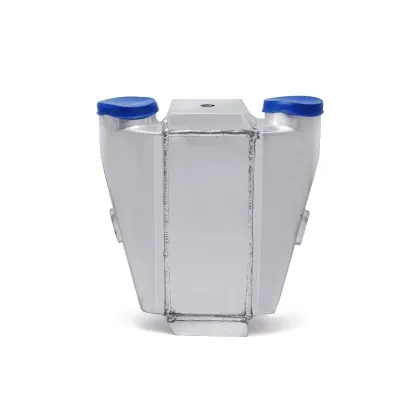
The core material is predominantly aluminum, chosen for its lightweight properties and efficient heat dissipation capabilities. Buyers must verify the specific construction type, such as tube-fin or direct-flow designs, to ensure compatibility with the Accent II’s cooling system architecture. Additionally, the presence of features like double-speed fans or integrated water-to-air intercoolers in some listings suggests that buyers should confirm whether these components are essential for their specific performance goals or if a standard radiator suffices.
Dimensional accuracy is critical, with observed sizes including configurations like 12" x 12" x 4.5". These measurements must be compared against the original radiator’s footprint to ensure proper clearance within the engine bay. Furthermore, the structure type, whether sealed or screw-type, affects maintenance accessibility and leak resistance. Buyers should request detailed technical drawings or CAD files from suppliers to validate these physical attributes before placing an order.
Compliance and Safety Documentation
Certifications such as ISO, CE, and CCC are frequently cited in product listings, indicating adherence to international quality and safety standards. Buyers should request copies of these certificates to verify that the supplier maintains a robust quality management system. While ISO 9001:2015 is a common benchmark, it is essential to confirm that the specific production batch meets these standards, as certification does not guarantee consistent quality across all units.
Safety documentation should also include material safety data sheets (MSDS) for any cooling fluids or coatings used in the manufacturing process. Although some listings mention powder coating in black or silver, buyers should ensure that these finishes are compatible with the operating environment and do not degrade under high temperatures. Verifying that the product meets relevant automotive industry standards helps mitigate risks associated with premature failure or safety hazards.
Cost Drivers and Commercial Terms
The final cost of an aluminum radiator is influenced by several factors, including the complexity of the design, the quality of the aluminum alloy, and the level of customization required. Suppliers offering professional design teams and custom packaging may charge a premium for these services. Buyers should evaluate whether these additional features provide sufficient value to justify the higher price, especially for standard replacement units where off-the-shelf options are available.
Commercial terms such as delivery time and warranty periods are also significant considerations. Typical delivery times of around seven days suggest efficient logistics, but buyers should confirm lead times for custom orders, which may be longer. A one-year warranty is commonly offered, providing some protection against manufacturing defects. However, buyers should clarify the terms of the warranty, including coverage for shipping damage and the process for claiming replacements.
Supplier Qualification and Quality Control
Evaluating supplier reliability is crucial for ensuring consistent product quality. Buyers should assess the supplier’s experience in manufacturing automotive cooling components and their ability to provide OEM services. The presence of a professional design team and good quality welding practices are positive indicators, but buyers should request samples or reference projects to verify these claims. Additionally, checking for customer reviews and testimonials can provide insights into the supplier’s reputation and service quality.
Quality control processes should be transparent and well-documented. Buyers should inquire about the testing procedures used to ensure the radiator’s performance and durability, such as pressure testing or thermal cycling tests. Although specific test results are not always provided, suppliers with robust quality control systems will be able to describe their inspection protocols. Establishing a clear communication channel for addressing quality issues is also essential for long-term procurement success.
Long-Term Procurement Checks
Establishing a long-term relationship with a reliable supplier requires ongoing monitoring of product performance and service quality. Buyers should track the performance of the radiators in the field, noting any issues related to cooling efficiency, leaks, or premature failure. This data can be used to negotiate better terms or switch suppliers if necessary. Regular audits of the supplier’s quality control processes can also help ensure that product standards are maintained over time.
Continuous improvement in the supply chain can be achieved by providing feedback to suppliers and collaborating on product enhancements. Buyers should stay informed about advancements in aluminum radiator technology, such as new fin designs or improved coating materials, that could offer better performance or durability. By maintaining a proactive approach to supplier management, buyers can ensure that their procurement strategy remains aligned with their operational needs and market demands.
FAQs
What certifications are available for aluminum radiators?
Certifications such as ISO, CE, and CCC are available for these aluminum radiators. These credentials indicate compliance with international quality and safety standards. Buyers can verify specific documentation during the sourcing process to ensure the products meet regulatory requirements for their target markets and applications.
Can I request custom packaging for orders?
Customization is available for packaging requirements. While standard export carton packing or neutral cardboard boxes are commonly used, buyers can specify their preferred packaging solutions. This flexibility helps protect the aluminum radiators during transit and aligns with the branding or logistical needs of the purchasing organization.
What is the typical delivery time for orders?
The typical delivery time is seven days for standard orders. This lead time applies to the production and preparation of the aluminum radiators. Buyers should confirm specific timelines with suppliers, as complex customizations or large volume orders may require additional processing time before shipment.
Which materials are used in the radiator construction?
The radiator body is constructed from high-quality aluminum material. This material choice ensures efficient heat dissipation and durability. The aluminum construction is complemented by professional design teams and good quality welding, resulting in a robust component suitable for various machinery and automotive cooling applications.
What is the minimum order quantity for these radiators?
The minimum order quantity is one piece. This low MOQ allows buyers to test product quality or order small batches for specific projects. It provides flexibility for businesses that need to evaluate the aluminum radiator performance before committing to larger procurement volumes for their operations.
Are OEM services provided for these components?
OEM services are provided for these aluminum radiators. Buyers can utilize these services to customize specifications or branding according to their requirements. This option supports retrofit or upgrade projects, allowing organizations to integrate the cooling systems seamlessly into their existing machinery or vehicle platforms.