Find Double Sphere Rubber Expansion Joint for Water, Oil, and Air Systems
Source 30 verified options for the Double Sphere Rubber Expansion Joint designed to handle pressure fluctuations in water, oil, and air applications. Buyers can compare materials like EPDM and NBR, flange standards, and working pressures across multiple suppliers.
Key considerations
Products List




Comprehensive Sourcing Guide
Strategic Sourcing Guide for Double Sphere Rubber Expansion Joints
Understanding Technical Specifications and Construction
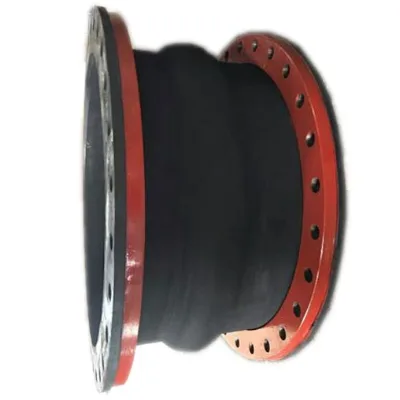
When sourcing double sphere rubber expansion joints, buyers must first distinguish between the specific construction variants available in the market. The core product is defined by its dual-sphere design, which provides superior flexibility and pressure absorption compared to single-sphere models. Based on observed market data, these units are typically constructed using high-performance elastomers such as EPDM, NBR, NR, Neoprene, or CR. The choice of rubber material is critical, as it dictates the joint's resistance to specific media including air, water, oil, weak acids, alkalis, and juice.
The structural integrity of the joint relies heavily on the carcass material, which is frequently identified as nylon cord fabric. This reinforcement layer is essential for containing internal pressure and preventing expansion beyond design limits. The flange material, which connects the joint to the piping system, varies significantly. Common specifications include carbon steel, often zinc-plated for corrosion resistance, or stainless steel grades 304 and 316. The selection between carbon steel and stainless steel flanges should be driven by the operating environment and the nature of the fluid being transported.
Pressure ratings are a primary technical constraint. Observed data indicates working pressures ranging from 1.0 MPa to 2.5 MPa, with specific test pressures reaching up to 2.5 MPa. Buyers must verify that the selected unit's working pressure aligns with the system's maximum operating pressure, ensuring a safety margin is maintained. The overall length of these joints is not uniform; specifications observed range from 95 mm to 500 mm depending on the nominal diameter. The standard nominal diameters (DN) span a wide spectrum, from DN15 up to DN600, allowing for application in both small-bore instrumentation lines and large industrial process pipes.
Compliance, Certification, and Standard Verification
In the industrial procurement landscape, verifying compliance with international standards is non-negotiable. The Double Sphere Rubber Expansion Joint market is characterized by adherence to major flange and dimensional standards. Buyers should expect to find products conforming to DIN, ANSI, JIS, BS, ISO, and EN 1092 standards for flange drilling and dimensions. These standards ensure that the expansion joints will mate correctly with existing piping infrastructure without requiring custom adapters or modification.
Quality management systems are equally vital. The supply chain for these components often cites ISO 9001 certification, with specific references to the ISO 9001:2008 and ISO 9001 standards. While these certifications indicate a manufacturer's commitment to quality control processes, buyers must treat them as observations of the supplier's current status rather than guarantees of every individual batch's performance. Additionally, some listings reference CE marking and specific JIS connections, suggesting a focus on export markets and diverse regulatory requirements.
It is crucial to distinguish between the product's material standards and its manufacturing certifications. While the rubber compounds must meet specific chemical resistance profiles, the flange drilling must strictly adhere to the dimensional tolerances of the chosen standard (e.g., DIN or ANSI). Buyers should request mill test certificates for the steel flanges and material safety data sheets for the rubber compounds to validate these claims. The origin of the product, often cited as Henan or Qingdao in China, should be cross-referenced with the supplier's ability to provide traceable documentation for the raw materials used.
Cost Drivers and Pricing Dynamics
The pricing of double sphere rubber expansion joints is influenced by a complex interplay of material costs, manufacturing complexity, and order volume. The observed price range in the market is extensive, spanning from $0.05 to $800 USD. This wide variance is not indicative of quality differences alone but reflects the significant impact of nominal diameter and flange material. A small DN15 joint with a carbon steel flange will naturally be at the lower end of the spectrum, while a large DN300 or DN600 unit with stainless steel 316 flanges will command a premium price.
Material composition is the second major cost driver. The choice between EPDM, NBR, and specialized compounds like CR (Chloroprene) directly affects the unit cost. EPDM is generally cost-effective for water and steam applications, whereas NBR is preferred for oil resistance. If the application requires resistance to harsh chemicals or extreme temperatures, more expensive rubber blends may be necessary. Furthermore, the carcass material, typically nylon cord fabric, adds to the manufacturing cost, but its quality is paramount for safety.
Order volume plays a decisive role in the final unit price. The minimum order quantity (MOQ) observed ranges from 1 to 1000 units. Suppliers often offer tiered pricing structures where the cost per unit decreases significantly as the order volume increases. For buyers requiring custom specifications, such as unique flange drilling patterns or specific rubber compounds, the MOQ may be higher, and the lead time will extend due to the specialized production requirements. Customization is a key feature of this product category, allowing for tailored solutions but inevitably impacting the cost structure.
Typical Applications and Operational Environments
Double sphere rubber expansion joints are engineered to handle a diverse array of industrial applications. Their primary function is to absorb thermal expansion, contraction, and vibration in piping systems. The observed applications include air handling systems, water distribution networks, oil transport lines, and processes involving weak acids, alkalis, and juice. The versatility of the rubber materials allows these joints to operate effectively in environments ranging from -15°C to +80°C, with specialized compounds extending the range to -30°C to +150°C.
In the water and wastewater industry, these joints are frequently used to mitigate the effects of water hammer and thermal cycling in large diameter pipes. The double sphere design provides enhanced flexibility, making it ideal for systems with significant misalignment or settlement potential. In the oil and gas sector, the choice of NBR or CR rubber ensures compatibility with hydrocarbons, while the robust flange connections maintain integrity under pressure.
The industrial processing sector also relies heavily on these components for handling various chemical fluids. The ability to resist weak acids and alkalis makes them suitable for food and beverage processing, where hygiene and chemical resistance are paramount. The working pressure of 1.6 MPa to 2.5 MPa covers a broad range of industrial needs, from low-pressure ventilation systems to high-pressure hydraulic lines. Buyers must ensure that the selected joint's temperature and pressure ratings exceed the maximum expected operating conditions of their specific application to prevent premature failure.
Supplier Evaluation and Quality Control Protocols
Evaluating a supplier for double sphere rubber expansion joints requires a rigorous assessment of their manufacturing capabilities and quality control infrastructure. Buyers should prioritize suppliers who demonstrate transparency regarding their production techniques. Common methods observed include forging for metal components and vulcanized forming for the rubber elements. These processes ensure the structural integrity and dimensional accuracy of the final product.
Quality control should be a continuous process rather than a final inspection step. Suppliers with ISO 9001 certification typically have documented procedures for material inspection, in-process testing, and final product verification. Buyers should inquire about the specific testing protocols used, such as hydrostatic pressure testing to verify the 2.5 MPa test pressure rating. The warranty period, often cited as one year, serves as a baseline indicator of the supplier's confidence in their product, but it should not be the sole metric for evaluation.
Packaging is another critical aspect of supplier evaluation. The observed packaging standards include wooden cases, plywood cases, and standard carton packing. Proper packaging is essential to prevent damage during transit, especially for large diameter joints with fragile rubber components. Buyers should verify that the supplier uses appropriate protective measures, such as corner guards and moisture barriers, to ensure the product arrives in pristine condition. Additionally, the supplier's ability to provide detailed packing lists and handling instructions is a sign of professional service.
Long-Term Procurement and Lifecycle Management
Sourcing double sphere rubber expansion joints is not merely a transactional activity but a long-term strategic decision. The lifecycle of these components is influenced by the operating environment, maintenance schedules, and the quality of the initial installation. Buyers should consider the total cost of ownership, which includes not only the purchase price but also the costs associated with installation, maintenance, and potential replacement.
The availability of spare parts and the lead time for replacement units are critical factors for long-term procurement. Suppliers with a robust inventory of standard sizes (DN15-DN600) can offer faster delivery times, reducing downtime in critical systems. For custom orders, the lead time may vary, and buyers should establish clear expectations regarding production schedules. The observed lead times and MOQs should be factored into the procurement planning to ensure a steady supply chain.
Warranty and after-sales support are also key considerations. A one-year warranty is standard, but buyers should clarify the terms of coverage, including what constitutes a defect versus normal wear and tear. Suppliers who offer technical support for installation and troubleshooting add significant value to the procurement process. Furthermore, the ability to customize the product for future needs ensures that the procurement strategy remains flexible and adaptable to changing operational requirements.
Comparative Analysis of Product Variants
To assist buyers in making informed decisions, the following table compares key attributes of common Double Sphere Rubber Expansion Joint variants based on observed market data.
| Attribute | Variant A (Standard Carbon Steel) | Variant B (Stainless Steel Flange) | Variant C (Custom/High Pressure) |
|---|---|---|---|
| Flange Material | Carbon Steel, Zinc Plated | Stainless Steel 304/316 | Carbon Steel / Stainless Steel |
| Rubber Material | EPDM, NBR, NR | EPDM, NBR, CR | EPDM, NBR, CR, Neoprene |
| Working Pressure | 1.0 ~ 2.5 MPa | 1.0 ~ 2.5 MPa | Up to 2.5 MPa (Test) |
| Nominal Diameter | DN15 - DN600 | DN50 - DN300 | DN32 - DN600 |
| Flange Standard | DIN, ANSI, JIS | DIN, ANSI, BS, ISO, JIS | DIN, ANSI, JIS, EN 1092 |
| Typical Application | Water, Air, Weak Acid | Oil, Corrosive Media | High Temp, Harsh Chemicals |
| Packing | Wooden Case / Plywood | Wooden Case | Custom Packing |
| Origin | Henan, China | Qingdao, China | China |
This comparison highlights that while the core functionality remains consistent, the specific material choices and standards vary to meet different application requirements. Buyers should use this matrix as a starting point for discussions with suppliers, ensuring that the selected variant aligns with their specific operational needs and environmental constraints. By focusing on these technical and commercial factors, procurement professionals can secure reliable, high-performance expansion joints that enhance the longevity and safety of their piping systems.
FAQs
What materials are used for the rubber and flanges?
Rubber materials include EPDM, NBR, NR, Neoprene, and CR, while flanges are made from carbon steel or stainless steel 304 and 316. The specific selection depends on the fluid being transported and the required corrosion resistance for the application environment.
Which flange standards are supported for these joints?
These joints support DIN, ANSI, JIS, BS, ISO, and EN 1092 flange standards. This ensures compatibility with existing piping infrastructure without requiring custom adapters or modifications during installation.
Can the product be customized for specific needs?
Yes, customization is available for specific requirements like unique flange drilling or rubber compounds. Buyers should note that custom orders may involve different minimum order quantities and extended lead times compared to standard items.
What is the working pressure range for these joints?
The working pressure ranges from 1.0 to 2.5 MPa depending on the specific model. Test pressures can reach up to 2.5 MPa, ensuring safety margins are maintained for various industrial applications.
How are these products packaged for shipping?
Products are typically packed in wooden cases, plywood cases, or standard cartons. Proper packaging is essential to prevent damage to the rubber components and flanges during transit to the destination.
What certifications do the manufacturers hold?
Manufacturers often hold ISO 9001 and ISO 9001:2008 certifications for quality management. Some listings also reference CE marking and specific JIS connections to meet diverse regulatory requirements for export markets.
Which industries can use these expansion joints?
These joints are suitable for air, water, oil, weak acid, alkali, and juice applications. They are widely used in water distribution, oil transport, and industrial processing sectors requiring vibration absorption and thermal expansion compensation.