Source Forged Round Tube Clamp for Pipe, Glass, and Heavy Duty Use
Find and compare 30 Forged Round Tube Clamp options for pipe, glass, and heavy-duty applications. These stainless steel clamps feature CNC machining, galvanized surfaces, and OEM customization to meet diverse industrial standards and installation needs; compare the available evidence and request quotations based on your requirements.
Key considerations
Products List

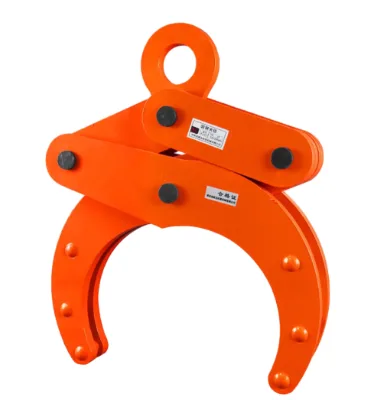


Precision Forging Stainless Steel Pipe Clamp Hydraulic Pipe Clamp Split Pipe Clamp
$5.00 - $100.00
MOQ: 100 Pieces


Comprehensive Sourcing Guide
Forged Round Tube Clamp Sourcing Guide
Buyers evaluating forged round tube clamps must first distinguish between general pipe clamping solutions and specialized heavy-duty variants designed for structural integrity. The observed market data indicates a diverse range of products, including specific models like the "Round Steel Nail Pipe Clamp" and "tube clamp," which serve distinct roles in building decoration and heavy-duty applications. Understanding these nuances is critical, as the "Key" attribute often defines the specific fastening mechanism, such as the "Round Nail" configuration, which dictates compatibility with various tube diameters and wall thicknesses.
Procurement decisions should also account for the structural variations observed in listings, such as "Box Joint" versus "G Clamp" designs, which influence load distribution and installation flexibility. While some products are marketed with features like "Easy Installation" and "Sercurity," the actual performance relies heavily on the underlying material composition, typically "Stainless Steel," and the precision of the "CNC Machining" process. Buyers must verify that the selected clamp type aligns with the specific "Use Place" requirements, ensuring the chosen hardware meets the mechanical demands of the intended construction or decorative project.
Product Scope and Observed Listing Signals
The current market landscape for forged round tube clamps presents a wide spectrum of specifications, ranging from standard "Common" sizes to fully "Customized" dimensions and "Custom Sizes." Listings frequently highlight "Stainless Steel" as the primary material, often paired with "Galvanized" surface treatments to enhance corrosion resistance for outdoor or high-moisture environments. Buyers should note that while some products are described with "Pure" handle colors or specific "Shaft Styles" like "Crooked," these aesthetic or ergonomic details are secondary to the core functional requirements of the clamp's load-bearing capacity and structural stability.
Commercial signals in the listings reveal significant variability in packaging and delivery expectations, with options ranging from "Steel Pallet" and "Carton" to "PP Bag+Carton" configurations. The "Selling Units" are predominantly listed as "Single item," suggesting flexibility for small-scale procurement, yet the "MOQ" range observed spans from 1 to 10,000 units, indicating that bulk pricing strategies may be available for larger orders. Additionally, the presence of "OEM" and "ODM" services, along with "Logo Print" capabilities, suggests that many suppliers are prepared to customize branding and specific design elements to meet unique project specifications.
Technical Specifications to Verify
When assessing technical compliance, buyers must rigorously verify the load capacity ratings, as observed data includes specific lifting and load capacities such as "2 t," "3 Ton," and "5T." These figures are critical for ensuring the clamp can safely support the intended structural loads without failure. The "prod_standard" field often lists specific tonnage ratings like "25T" through "315T," which may refer to the testing pressure or the maximum force the forging process can withstand, rather than the static load capacity of the finished clamp. Clarifying the distinction between these metrics is essential to prevent under-specification in high-stress applications.
Material integrity and manufacturing precision are equally vital, with "Stainless Steel" and "Galvanized" finishes being common but requiring verification against specific environmental conditions. The "Process" attribute frequently cites "CNC Machining," which implies a high degree of dimensional accuracy, yet buyers should confirm that the "Eye Length" and other critical dimensions meet the project's tolerance requirements. Furthermore, the "Structure" type, whether "Box Joint" or "G Clamp," must be matched to the specific "Usage" scenario, such as "Pipe Clamp," "Glass Clamp," or "Heavy Duty Clamp," to ensure the mechanical design supports the intended application without compromising safety.
Compliance and Safety Documentation
Safety and compliance in the forging industry rely heavily on the availability of recognized quality management certifications, with "ISO9001:2018" and "Ts16949" appearing as key credentials in the observed data. These certifications indicate that the supplier maintains a documented quality system, which is crucial for verifying that the manufacturing process consistently produces clamps that meet safety standards. Buyers should request current copies of these certificates and verify their validity, as the presence of such documentation is a primary indicator of a supplier's commitment to maintaining product reliability and traceability throughout the production lifecycle.
Beyond general quality certifications, specific product testing and condition verification are necessary to ensure the clamps are fit for their intended "Use Place." The "Quality" attribute often mentions "100% Testing," which suggests a comprehensive inspection regime, but buyers must clarify the specific parameters of this testing, such as tensile strength or load failure points. Additionally, the "Condition" of the product is typically listed as "New," but this should be confirmed through visual inspection or third-party verification to ensure there are no defects from the "Surface Treatment" process or shipping that could compromise the structural integrity of the forged components.
Cost Drivers and Commercial Terms
The pricing structure for forged round tube clamps is influenced by several factors, including the complexity of the "Customization" options, the specific "Material" grade, and the volume of the order. While the observed price range spans from 0 to 2000 USD, this wide variance likely reflects differences in tonnage ratings, material thickness, and the extent of "OEM" customization required. Buyers should be aware that higher load capacities, such as those exceeding 5T, or specialized "Custom Sizes" will inherently command a premium, and the final cost must be negotiated based on the specific technical requirements rather than a generic unit price.
Commercial terms also play a significant role in the total cost of ownership, with payment structures like "30% Deposite" being common in the observed listings. Lead times vary considerably, with some suppliers offering "5-20 Days" delivery while others require "30-35days," depending on the complexity of the order and the availability of raw materials. Buyers must factor these delivery windows into their project schedules and consider the implications of "Standard Package" versus specialized "Steel Pallet" shipping, as logistics costs and packaging requirements can significantly impact the overall budget and timeline of the procurement.
Supplier Qualification and Quality Control
Supplier qualification should extend beyond basic certifications to include an assessment of their manufacturing capabilities, particularly regarding "CNC Machining" and "Surface Treatment" processes. The ability to produce "Customized" products with "Logo Print" and specific "prod_model" variations indicates a flexible production line, but buyers must verify the supplier's capacity to maintain consistency across large batches. The "Service" attribute often highlights "OEM ODM" acceptance, which is a positive sign, yet it is essential to confirm that the supplier has the technical expertise to execute complex customizations without compromising the structural integrity of the forged clamps.
Quality control protocols must be robust, with a focus on the "100% Testing" claims observed in the market data. Buyers should request detailed quality control reports that outline the specific tests performed, such as load testing or material composition analysis, to ensure the clamps meet the required "Standard" specifications. The "prod_origin" is frequently listed as "China" or "Shenzhen," regions known for manufacturing prowess, but buyers must ensure that the specific factory has a proven track record of delivering high-quality forged products that adhere to international safety and performance standards.
Long-Term Procurement Checks
Establishing a long-term procurement relationship requires regular audits of the supplier's ability to maintain consistent quality and delivery performance over time. Buyers should implement a schedule for periodic re-verification of certifications like "ISO9001:2018" and "Ts16949" to ensure they remain current and valid. Additionally, monitoring the supplier's adherence to agreed-upon lead times and their responsiveness to any quality issues is crucial for maintaining supply chain stability, especially when dealing with critical components like "Heavy Duty Clamp" systems that are essential for structural safety.
Performance tracking should also include a review of the product's durability and field performance after installation. Buyers must gather feedback on how the "Stainless Steel" and "Galvanized" finishes hold up in the specific "Use Place" environments, checking for signs of corrosion or wear that were not apparent during the initial inspection. By maintaining a detailed record of product performance and supplier reliability, buyers can make informed decisions about future orders, ensuring that the "Forged Round Tube Clamp" continues to meet the rigorous demands of their projects over the long term.
FAQs
What materials are used for forged round tube clamps?
Forged round tube clamps are typically manufactured from stainless steel to ensure durability and corrosion resistance. The product attributes indicate that stainless steel is the primary material used for these components. This material choice supports the requirement for security and high efficiency in building decoration applications. The surface treatment is often galvanized to further enhance longevity and performance in various environmental conditions.
Can I customize the logo on these pipe clamps?
Yes, logo printing is available for these pipe clamps. The product details confirm that OEM services are accepted, allowing buyers to add their branding. This customization option is suitable for businesses looking to maintain brand visibility. The clamps are sold as single items, making it easy to integrate custom logos into your specific procurement requirements without needing large bulk orders for branding purposes.
What is the typical delivery time for these clamps?
The typical delivery time for these clamps ranges from 5 to 35 days depending on the specific order and configuration. Some listings indicate a delivery window of 5-20 days, while others suggest 30-35 days. This variation depends on the production schedule and the specific standard or size requested. Buyers should confirm the exact lead time with the supplier to ensure it aligns with their project timeline and installation requirements.
Which certifications do these tube clamps hold?
These tube clamps hold ISO9001:2018 and Ts16949 certifications. These standards ensure that the manufacturing process meets rigorous quality management requirements. The products undergo 100% testing to guarantee quality before shipment. This certification background provides assurance regarding the reliability and consistency of the forged round tube clamps, making them suitable for professional building decoration and heavy-duty clamp applications.
What is the minimum order quantity for these clamps?
The minimum order quantity for these clamps ranges from 1 to 10,000 units. This wide range allows for flexibility, accommodating both small sample orders and large bulk purchases. The selling unit is listed as a single item, which simplifies the ordering process. Buyers can choose a quantity that best fits their project needs, whether they require a few units for testing or thousands for a large-scale construction project.
How are these pipe clamps packaged for shipping?
These pipe clamps are packaged in various ways, including steel pallets, standard packages, cartons, and PP bags with cartons. The packaging method depends on the specific product model and order size. This variety ensures that the clamps are protected during transit from China to the destination. Proper packaging helps maintain the integrity of the galvanized surface and prevents damage to the forged components during handling and shipping.