Source Dual Purpose Oil Spray Bottle for Cosmetics, Food, and Personal Care
Find 30 dual purpose oil spray bottle options for cosmetics, food, and personal care. Compare materials like plastic and glass, sealing types, and customization services to select the right packaging for your brand; compare the available evidence and request quotations based on your requirements.
Key considerations
Products List


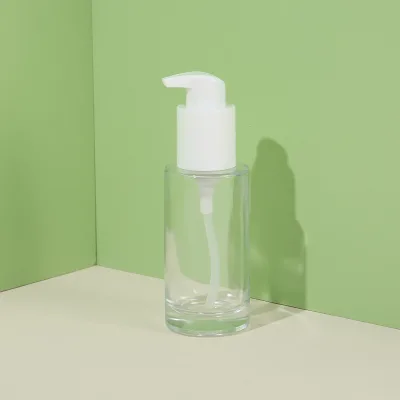
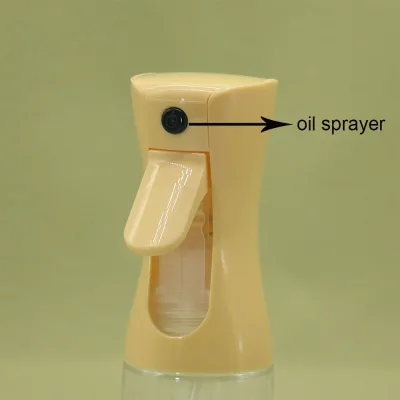


Comprehensive Sourcing Guide
Dual Purpose Oil Spray Bottle Sourcing Guide
Procuring dual-purpose oil spray bottles requires balancing versatile functionality with strict material compatibility, as these containers must safely hold both cosmetic oils and personal care liquids without degrading. Buyers should prioritize suppliers who explicitly list "Personal Care" and "Cosmetics" as primary applications, ensuring the internal surface treatment prevents chemical reactions with essential oils or fragrance compounds. The observed market data indicates a strong presence of plastic and glass options, each offering distinct advantages for different oil viscosities and branding requirements.
When evaluating listings, verify that the sealing mechanism matches the intended dual use, as pump sprayers and screw caps offer different levels of protection against leakage and evaporation. The available data highlights specific sealing types like pump sprayers and screw caps, which are critical for maintaining product integrity during transport and storage. Buyers must confirm that the selected bottle model supports the specific volume range required, noting that observed listings include capacities from under 100ml up to 500ml, allowing for flexible packaging strategies across various product lines.
Product Scope and Observed Listing Signals
The current market for dual-purpose oil spray bottles presents a wide spectrum of material choices, primarily featuring plastic and glass constructions that cater to diverse aesthetic and functional needs. Plastic options often emphasize recyclability and lightweight shipping, while glass variants provide a premium feel suitable for high-end cosmetic branding. Listings frequently specify shapes such as oval or high bottle profiles, which influence shelf presence and ergonomic handling for the end consumer.
Commercial signals in the supply chain reveal significant variability in minimum order quantities, ranging from single units for sampling to bulk orders of 50,000 units for mass production. This flexibility allows buyers to test market response with low-risk initial orders before committing to large-scale manufacturing runs. Additionally, the availability of customization services and various packing methods, including bulk, PVC, and gift boxes, enables suppliers to tailor packaging solutions to specific brand identities and retail requirements.
Technical Specifications to Verify
Buyers must rigorously verify the bottle dimensions and diameter to ensure compatibility with existing filling machinery and packaging automation lines. Observed specifications include bottle heights ranging from 95mm to 155mm and diameters between 26mm and 33mm, which directly impact the fit of caps and the efficiency of automated filling processes. Confirming these exact measurements prevents costly production delays and ensures that the final packaged product meets the intended design specifications for retail display.
Surface handling and decoration capabilities are equally critical, as the chosen method must adhere to the chemical resistance required for oil-based products. The market offers surface treatments like decal application, which can be enhanced with decorative elements such as polymer clay or ceramic accents for premium positioning. It is essential to validate that the chosen surface treatment does not compromise the structural integrity of the bottle or interfere with the sealing mechanism, particularly when the bottle is subjected to repeated use or transport stress.
Compliance and Safety Documentation
Ensuring that dual-purpose oil spray bottles meet international safety standards is a non-negotiable step for global procurement, especially when products are intended for personal care and cosmetic applications. While specific certification statuses like ISO 9001 or REACH are noted in background data, buyers must request current, verifiable documentation from the supplier to confirm that the materials used are free from harmful substances. This due diligence protects the brand from regulatory penalties and ensures consumer safety across different international markets.
Documentation should also cover the specific standards applicable to the bottle's intended use, such as ROHS compliance for electronic components if applicable, or general material safety standards for food and beverage contact if the bottle is repurposed. Buyers should verify that the supplier provides test reports confirming the bottle's ability to withstand the specific chemical properties of the oils being packaged. Without these verified documents, the risk of product failure or regulatory non-compliance increases significantly, potentially leading to costly recalls or market restrictions.
Cost Drivers and Commercial Terms
The total cost of ownership for dual-purpose oil spray bottles is heavily influenced by material selection, customization levels, and the complexity of the sealing mechanism. Plastic bottles generally offer a lower unit cost compared to glass, but the price differential narrows when considering high-end finishes or specialized surface treatments like decal printing. Buyers must analyze the trade-off between material costs and the perceived value added by premium packaging features to optimize their overall product margin.
Commercial terms such as lead times and sample availability play a crucial role in supply chain planning, with observed production times ranging from 15 to 30 days after deposit receipt. The availability of free samples and a sample lead time of 4-6 days allows buyers to validate product quality before committing to large orders, reducing the financial risk associated with bulk procurement. Understanding these timelines is essential for aligning production schedules with marketing launches and inventory management strategies.
Supplier Qualification and Quality Control
Selecting a qualified supplier requires a thorough assessment of their production capabilities, specifically their ability to maintain consistent quality across large order volumes. The observed market data indicates that many suppliers offer 24-hour online services and customization options, which suggests a responsive supply chain capable of adapting to changing buyer needs. However, buyers must verify the supplier's track record for meeting strict quality standards, particularly regarding the consistency of sealing performance and the durability of the bottle under various conditions.
Quality control protocols should be explicitly defined in the procurement agreement, covering aspects such as visual inspection, leak testing, and dimensional accuracy. Suppliers with a history of providing customized packing solutions, such as inner trays and PE bags, demonstrate a commitment to protecting the product during transit. Buyers should request detailed quality control reports and consider third-party inspections to ensure that the final delivered goods meet the specified requirements for material, shape, and functionality.
Long-Term Procurement Checks
Establishing a long-term partnership with a supplier involves regular performance reviews to ensure consistent adherence to quality standards and delivery schedules. Buyers should monitor key performance indicators such as defect rates, lead time reliability, and responsiveness to customization requests to identify any potential issues early. Maintaining open communication channels and conducting periodic audits helps build a resilient supply chain capable of adapting to market fluctuations and evolving product requirements.
Sustainability and environmental impact are becoming increasingly important factors in long-term procurement strategies, with many suppliers now offering recyclable options and eco-friendly packaging solutions. Buyers should evaluate the supplier's commitment to sustainable practices, such as the use of recyclable materials and efficient production processes, to align with corporate social responsibility goals. Regularly reviewing these aspects ensures that the procurement strategy remains competitive and compliant with emerging environmental regulations and consumer expectations.
FAQs
Can I customize the dual purpose oil spray bottle design?
Yes, customization is available for these bottles. You can select from various shapes like oval or high bottle styles. The surface handling includes decal options. This allows you to tailor the appearance for your specific brand identity and packaging requirements effectively.
What materials are used for these spray bottles?
These bottles are manufactured using plastic and glass materials. The choice depends on the specific model and application needs. Both materials offer durability and suitability for personal care products. The design ensures secure sealing with pump sprayers or screw caps for different usage scenarios.
What is the minimum order quantity for these bottles?
The minimum order quantity is typically 10,000 units. This standard MOQ applies to most custom orders. Buyers should confirm specific requirements with suppliers as variations may exist. Bulk ordering helps achieve better pricing and ensures efficient production scheduling for large-scale packaging needs.
How long does production take for these bottles?
Production lead time ranges from 15 to 30 days. This period begins after receiving the deposit. Sample preparation takes approximately 4 to 6 days. These timelines ensure quality control and proper manufacturing processes are followed for each batch of packaging materials.
What packaging options are available for these bottles?
Standard packing includes inner trays, PE bags, and cartons. Bulk, PVC, and gift box options are also available. Customized packing solutions can be arranged upon request. These methods protect the bottles during transit and storage, ensuring they arrive in perfect condition for your filling operations.
Are these bottles suitable for cosmetic applications?
Yes, these bottles are designed for cosmetics and personal care. They feature narrow mouth bottles with pump sprayers or screw caps. The volume ranges from small sizes up to 500ml. This versatility makes them ideal for storing oils, lotions, and other liquid cosmetic products securely.