Source Refillable Cosmetic Perfume Bottle for skincare, fragrance, and travel
Explore 30 options for the Refillable Cosmetic Perfume Bottle, featuring materials like PET and glass with capacities from 5ml to 200ml. Buyers can compare customization, sealing types, and certifications to find suitable suppliers for cosmetic packing needs; compare the available evidence and request quotations based on your requirements.
Key considerations
Products List


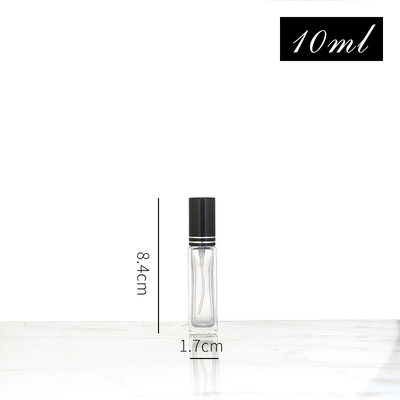
Portable 10ml 15ml 20ml Cosmetic Spray Bottles Refillable Perfume Bottle
$0.05 - $0.35
MOQ: 10000 Pieces


New Design Custom Crimp Thick Bottom Refillable Fragrance Perfume Bottle
$0.32 - $0.37
MOQ: 10000 Pieces




Comprehensive Sourcing Guide
Refillable Cosmetic Perfume Bottle Sourcing Guide
Procuring refillable cosmetic perfume bottles requires a strategic approach that balances aesthetic appeal with functional durability. Buyers must prioritize suppliers who offer robust customization options, as the market heavily favors tailored branding solutions. The observed data indicates that customization is widely available, allowing for specific adjustments in surface handling and color printing. This flexibility is critical for brands seeking to distinguish their products in a competitive retail environment.
When evaluating potential partners, focus on the material composition and structural integrity of the containers. Listings frequently highlight both plastic and glass options, each with distinct advantages for different product types. Plastic bottles, often made from PET, offer lightweight durability and shatter resistance, while glass provides a premium tactile experience. Understanding these material differences helps align the packaging choice with the specific viscosity and chemical properties of the perfume or cosmetic formulation being housed.
Product Scope and Observed Listing Signals
The current market landscape for refillable cosmetic perfume bottles presents a diverse range of shapes and capacities. Observed listings include square, round, and oval shapes, catering to various brand identities and shelf display requirements. Capacity ranges are broad, with specific observations noting sizes from 5 ml to 100 ml, as well as larger formats like 90 ml, 180 ml, and 200 ml. This variety allows buyers to select containers that match their specific product volume needs, whether for travel-sized samples or full-size retail units.
Closure types are another critical signal in the product scope, with screw caps and pump sprayers being common configurations. The presence of pump sprayers suggests suitability for liquid perfumes and fine mists, while screw caps are often used for thicker creams or oils. Buyers should note that some listings specify "Single Open" features, which may refer to specific opening mechanisms or design elements. Verifying the exact closure mechanism is essential to ensure compatibility with the product's dispensing requirements and user experience expectations.
Technical Specifications to Verify
Technical verification begins with confirming the precise dimensions and capacity of the bottle. While standard specifications exist, many suppliers offer customized sizes, such as 11.57.53.6 cm or 8x2 cm. Buyers must ensure that the internal volume matches the labeled capacity to avoid underfilling or overfilling issues. Additionally, the hardness of the material should be assessed; "Partial Hard" is a noted attribute, which may impact the bottle's resistance to deformation under pressure or during transport.
Surface treatment and printing capabilities are also key technical specifications to verify. Options such as hot stamping, printing, and frosting are commonly available, allowing for high-quality brand application. Buyers should request samples to test the durability of these finishes, ensuring that the branding does not peel or fade with repeated use. Furthermore, the sealing type must be rigorously tested to guarantee leak-proof performance, especially for products with high alcohol content or volatile ingredients.
Compliance and Safety Documentation
Compliance documentation is a non-negotiable aspect of sourcing cosmetic packaging. Suppliers should provide evidence of adherence to recognized safety standards, such as ISO 22716, which covers good manufacturing practices for cosmetics. Other relevant certifications include GMPC, FDA, and MSDS, which attest to the safety and quality of the materials used. TUV Sud certification may also be relevant for specific market requirements. Buyers must request copies of these certificates to verify their validity and scope.
Material safety is another critical compliance area. For plastic bottles, ensure that the PET or other plastics are food-grade or cosmetic-grade, free from harmful chemicals like BPA. Glass bottles should be verified for heavy metal content and thermal shock resistance. Additionally, suppliers should provide material safety data sheets (MSDS) for all components, including caps and sprayers. This documentation helps buyers ensure that the packaging meets regulatory requirements in their target markets, reducing the risk of product recalls or legal issues.
Cost Drivers and Commercial Terms
Cost drivers for refillable cosmetic perfume bottles are influenced by material choice, customization complexity, and order volume. Glass bottles generally command a higher price point than plastic due to material costs and fragility. Customization features, such as intricate printing or special surface treatments, also add to the unit cost. Buyers should request detailed quotations that break down these costs to understand the impact of each customization option on the final price.
Commercial terms, including minimum order quantities (MOQ) and lead times, significantly affect procurement planning. Observed MOQs range from 100 to 50,000 pieces, with 10,000 pieces being a common threshold. Lead times are often dependent on order quantity and customization level, so buyers should clarify these terms upfront. Negotiating favorable payment terms and shipping options can also help manage cash flow and logistics costs. Understanding these commercial aspects allows buyers to optimize their procurement strategy and maintain a stable supply chain.
Supplier Qualification and Quality Control
Supplier qualification involves assessing the manufacturer's production capabilities, quality control processes, and track record. Buyers should request factory audits or third-party inspection reports to verify the supplier's compliance with quality standards. Look for evidence of consistent production quality, such as low defect rates and reliable delivery performance. Suppliers with a strong reputation for quality and reliability are more likely to meet the buyer's expectations and reduce the risk of supply disruptions.
Quality control measures should be implemented at every stage of the production process, from raw material inspection to final product testing. Buyers should agree on specific quality control checkpoints and acceptance criteria with the supplier. This may include visual inspections for defects, functional tests for closures and sprayers, and chemical tests for material safety. Establishing a clear quality control protocol ensures that only products meeting the specified standards are shipped, protecting the buyer's brand reputation and customer satisfaction.
Long-Term Procurement Checks
Long-term procurement success depends on maintaining a stable and reliable supply relationship with the supplier. Buyers should regularly review the supplier's performance metrics, such as on-time delivery rates, quality consistency, and responsiveness to issues. Conducting periodic audits and inspections helps ensure that the supplier continues to meet the required standards. Building a strong partnership with the supplier can lead to better pricing, priority production slots, and collaborative product development opportunities.
Sustainability and environmental considerations are increasingly important in long-term procurement strategies. Buyers should evaluate the supplier's commitment to sustainable practices, such as using recycled materials, reducing waste, and minimizing carbon emissions. Certifications like FSC, if applicable, can indicate a commitment to responsible sourcing. Aligning with suppliers who share your sustainability goals not only enhances your brand's image but also ensures compliance with evolving environmental regulations. Regularly reviewing and updating your procurement strategy based on market trends and supplier performance is essential for long-term success.
FAQs
Can I customize the size and shape of the bottle?
Yes, you can customize the size and shape as the product supports customized specifications. The available shapes include square, oval, and round options. You may also select from various capacities ranging from 5ml to 200ml depending on your specific packaging needs.
What certifications do these cosmetic bottles hold?
These bottles hold multiple recognized certifications including TUV Sud, ISO22716, GMPC, MSDS, and FDA. These credentials ensure the materials meet international safety and quality standards for cosmetic packaging applications. Always verify specific batch compliance with your local regulations before large orders.
What is the minimum order quantity for these bottles?
The minimum order quantity varies by supplier but typically ranges from 100 to 50,000 pieces. Some specific listings indicate an MOQ of 10,000 pieces for certain models. You should confirm the exact MOQ with the manufacturer based on your chosen customization level and capacity.
How are the bottles packaged for export?
The bottles are packaged in standard export cartons or according to your specific advice. Packaging options include individual cartons or bulk cartons designed for safe transport. This ensures the cosmetic containers arrive without damage during international shipping to your destination.
What materials are used to make these bottles?
These bottles are primarily made from PET plastic or glass materials depending on the specific model. The plastic options offer durability and reusability, while glass options provide a premium feel. Both materials are suitable for various cosmetic packing applications and feature screw caps or spray pumps.
Is color printing available on the bottles?
Yes, color printing is fully customizable to match your brand identity. Surface handling options include hot stamping, printing, and frosting techniques. You can choose from woody scents or custom scents, ensuring the final product aligns perfectly with your cosmetic brand requirements.
Where are these cosmetic bottles manufactured?
These bottles are manufactured in China, specifically originating from the Zhejiang region. This location is a major hub for plastic and glass cosmetic container production. The proximity to manufacturing facilities helps maintain competitive pricing and efficient lead times for international buyers.