Source Ductile Iron Seated Gate Valve for Water, HVAC, and Industrial Flow Control
Find and compare 30 Ductile Iron Seated Gate Valve options for water systems, HVAC networks, and industrial flow control. Evaluate manual and self-operated models with flange connections, varying nominal pressures, and customizable sizes to match your specific project requirements.
Key considerations
Products List


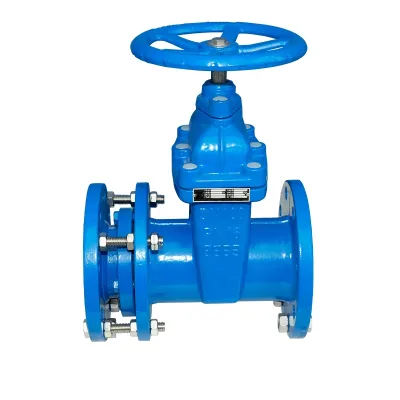


Ductile Iron Manual Rising Stem Resilient Seated Gate Valve for Water Supply
$22.00 - $26.00
MOQ: 10 Pieces


Resilient Seated Ductile Iron Flanged Gate Valve with Rising Stem Design
$5.00 - $15.00
MOQ: 10 Pieces
Comprehensive Sourcing Guide
Ductile Iron Seated Gate Valve Sourcing Guide
Procuring ductile iron seated gate valves requires a disciplined approach to balancing mechanical durability with precise flow control capabilities. These valves are engineered to handle a variety of media, including water, oil, gas, and acidic substances, making them versatile components in both industrial and municipal infrastructure. The core material, typically ductile iron or cast iron, provides the necessary tensile strength and impact resistance to withstand high-pressure environments, while the seating mechanism ensures tight shutoff and reliable operation over extended service life. Buyers must navigate a complex landscape of specifications, from nominal diameters ranging from DN15 to DN1000, to pressure ratings such as PN16 and PN25, to ensure the selected valve aligns with the specific hydraulic demands of their system.
The sourcing process is further complicated by the diversity of valve types available, which include manual operated gate valves, self-operated dynamic balancing valves, and direct-acting control valves. Each type serves a distinct function, whether it is simple isolation, safety-critical flow control, or automatic system balancing without manual adjustment. For instance, manual valves often feature outside rising stems and handwheel operators, suitable for straightforward on/off applications, while self-operated models may utilize hydraulic power and internal stainless steel components to maintain flow accuracy within ±5%. Understanding these operational distinctions is critical for procurement teams to avoid specifying a valve that lacks the necessary automation or precision for complex HVAC or industrial heating systems.
Product Scope and Observed Listing Signals
The current market landscape for ductile iron gate valves exhibits a wide variance in pricing and minimum order quantities, reflecting the heterogeneity of product configurations. Observed listing prices span from approximately $5 to $14,500 USD, a range that correlates directly with the valve’s nominal diameter, material grade, and functional complexity. Smaller, standard manual gate valves in cast iron or basic ductile iron constructions tend to occupy the lower end of this spectrum, while larger diameter valves, those with specialized coatings like epoxy surfaces, or those integrated with automatic flow balancing mechanisms command significantly higher price points. Buyers should interpret this price dispersion as an indicator of the need for precise specification matching rather than a general market average.
Minimum order quantities (MOQs) generally range from 1 to 10 units, suggesting that suppliers are flexible enough to accommodate both pilot projects and bulk industrial contracts. This flexibility is particularly relevant for customizations, which are frequently available in the market. Many suppliers offer the ability to tailor valve dimensions, connection forms, and internal components to meet specific project requirements. For example, while standard models might adhere to a DN50-DN1000 range, certain dynamic series valves may be customized for DN50-DN150 applications. Procurement teams should leverage this MOQ flexibility to test smaller batches of customized units before committing to large-scale deployments, thereby mitigating the risk of specification mismatches in critical infrastructure projects.
Technical Specifications to Verify
Verifying the technical specifications of ductile iron gate valves is paramount to ensuring compatibility with existing piping systems and operational requirements. Key attributes to confirm include the valve body material, which may be specified as Ggg50, ductile iron, or cast steel, and the internal components, which often feature stainless steel seats and discs for enhanced corrosion resistance. The connection mode is typically flange-based, adhering to standard dimensions, but buyers must verify the exact flange standards to ensure seamless integration. Additionally, the thread position of the valve rod—whether inside or outside rising—dictates the maintenance accessibility and spatial requirements for installation, with outside rising stems being common in industrial settings for visual position indication.
Pressure and temperature ratings are critical technical parameters that must align with the system’s operating conditions. While many valves are rated for ordinary temperatures, specific applications involving high-temperature media require valves capable of withstanding conditions up to 150℃ or higher. The nominal pressure rating, often PN16 or PN25, must be matched to the system’s peak operating pressure to prevent failure. Furthermore, for valves intended for flow control or balancing, buyers should verify the flow accuracy and control range. Self-operated dynamic valves, for instance, may offer automatic flow balancing with a specified accuracy of ±5%, which is essential for maintaining efficiency in HVAC and cooling systems. Confirming these details prevents operational inefficiencies and potential safety hazards.
Compliance and Safety Documentation
Compliance with international standards and certifications is a non-negotiable aspect of sourcing industrial valves. Buyers should request documentation confirming adherence to recognized quality management systems, such as ISO certifications, and safety standards like CE and GS marks, which indicate conformity with European health, safety, and environmental protection requirements. These certifications serve as a baseline assurance of the manufacturer’s commitment to quality and regulatory compliance. However, buyers must also verify if specific industry standards, such as EN1092-2 for flange dimensions, are met, as these technical standards ensure mechanical compatibility and safety in high-pressure applications.
Safety documentation should also include material test reports and pressure test certificates, which validate the integrity of the ductile iron body and the sealing surfaces. For valves handling hazardous media like acids or gases, additional documentation regarding material compatibility and leak testing is essential. Buyers should ensure that the supplier provides clear evidence of surface treatment processes, such as epoxy coatings, which enhance corrosion resistance and extend the valve’s lifespan in aggressive environments. Without comprehensive compliance documentation, the risk of regulatory non-compliance and operational failure increases significantly, potentially leading to costly project delays and safety incidents.
Cost Drivers and Commercial Terms
Several factors influence the total cost of ownership for ductile iron gate valves, beyond the initial purchase price. The choice of material, such as upgrading from cast iron to ductile iron or stainless steel internal components, directly impacts the unit cost. Similarly, the complexity of the valve’s operation, whether manual or self-operated with hydraulic power, adds to the price. Buyers should also consider the cost of customization, as tailored dimensions or specialized coatings may incur additional fees. Understanding these cost drivers allows procurement teams to make informed trade-offs between initial investment and long-term performance.
Commercial terms, including packaging and shipping logistics, also play a significant role in the overall procurement cost. Valves are typically packed in wooden cases to protect them during transit, which adds to the packaging cost but is necessary to prevent damage. Buyers should negotiate clear terms regarding shipping responsibilities, insurance, and delivery timelines. Given that lead times can vary based on customization needs and production schedules, establishing realistic delivery expectations is crucial for project planning. Additionally, buyers should clarify warranty terms and after-sales support policies, as these factors contribute to the long-term value and reliability of the procurement investment.
Supplier Qualification and Quality Control
Selecting a qualified supplier is critical to ensuring the consistent quality and reliability of ductile iron gate valves. Buyers should conduct thorough due diligence on potential suppliers, verifying their manufacturing capabilities, quality control processes, and track record in the industry. Suppliers with established quality management systems and relevant certifications are more likely to deliver products that meet specified technical requirements. It is also advisable to request samples or conduct factory audits to assess the supplier’s production standards and attention to detail. This proactive approach helps mitigate the risk of receiving substandard products that could compromise system integrity.
Quality control measures should extend beyond the supplier’s internal checks to include independent verification upon delivery. Buyers should implement incoming inspection protocols to verify that the received valves match the ordered specifications in terms of material, dimensions, and functionality. This includes checking for proper labeling, packaging integrity, and compliance with agreed-upon standards. For critical applications, third-party inspection services can provide an additional layer of assurance. By maintaining rigorous quality control practices, procurement teams can ensure that the ductile iron gate valves perform as expected, reducing the likelihood of failures and maintenance issues in the field.
Long-Term Procurement Checks
Long-term procurement success depends on establishing ongoing relationships with suppliers and continuously monitoring performance. Buyers should implement a feedback loop to track the performance of installed valves, noting any issues related to leakage, flow control accuracy, or material degradation. This data can be used to refine future specifications and negotiate better terms with suppliers. Regular reviews of supplier performance, including delivery reliability and responsiveness to issues, help maintain a high standard of supply chain management. By staying engaged with suppliers and monitoring product performance, buyers can ensure that their procurement strategies remain aligned with evolving project needs and industry standards.
Additionally, buyers should stay informed about advancements in valve technology and materials that could offer improved performance or cost savings. This includes keeping abreast of new coatings, internal component materials, or automation features that enhance valve efficiency and durability. Engaging with industry forums and technical publications can provide valuable insights into best practices and emerging trends. By adopting a proactive and informed approach to long-term procurement, buyers can optimize their valve sourcing strategies, ensuring reliable operation and cost-effectiveness over the lifecycle of their industrial and municipal infrastructure projects.
FAQs
What materials are used for ductile iron seated gate valves?
The valve body is constructed from ductile iron or cast iron, while internal components often use stainless steel. Some models feature brass valve seats and discs to ensure durability and resistance against corrosion in various industrial applications.
How is the actuation performed for these gate valves?
Actuation is primarily manual using a cap nut or handwheel for direct operation. Certain dynamic series models utilize hydraulic power for self-operated functions, allowing for automatic flow balancing without manual adjustment in complex systems.
Which connection modes are available for these valves?
Flange connection is the standard mode provided for these gate valves. The nominal diameter ranges from DN50 to DN1000, with specific models offering customizable sizes like DN50 to DN150 to fit diverse piping requirements.
Can these valves handle high temperature and acidic media?
Standard models operate at ordinary temperatures for water, while specific dynamic series handle high temperatures up to 150 degrees Celsius. They are also designed to manage media including acid, oil, and gas within HVAC and industrial heating systems.
What certifications do these valves typically hold?
These valves commonly hold CE, GS, and ISO certifications to ensure compliance with international safety and quality standards. The products originate from China and are packed in wooden cases for secure transportation during global distribution.
How is the flow accuracy controlled in dynamic series valves?
Flow accuracy is maintained within a ±5% margin through automatic flow balancing mechanisms. These valves allow for adjustable flow rates, improving system efficiency in heating, cooling, and water applications without requiring constant manual intervention.