Source TPED Soda Maker CO2 Valve for Beverage, Medical, and Industrial Uses
Compare 30 verified listings for the TPED Soda Maker CO2 Valve suitable for beverage carbonation, medical applications, and industrial gas systems. Buyers can evaluate specifications like pressure levels, material grades, and customization options from suppliers in China; compare the available evidence and request quotations based on your requirements.
Key considerations
Products List


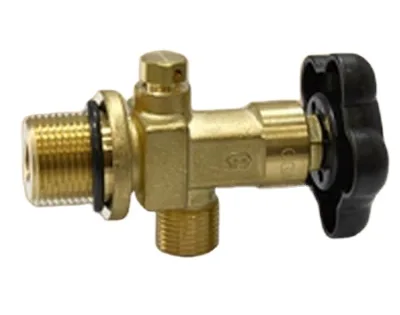
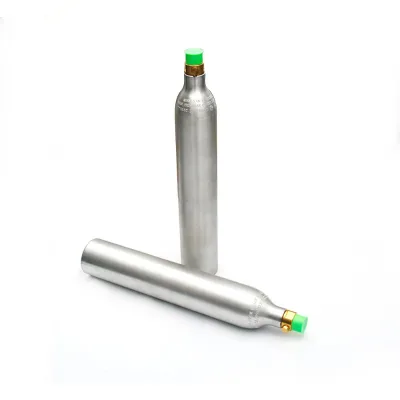

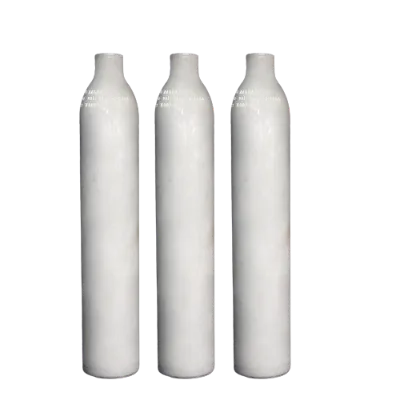
425g 0.6L High Pressure Carbon Dioxide Cylinder Soda Maker Co2 tank Without Valve
$10.10 - $11.00
MOQ: 5 pieces
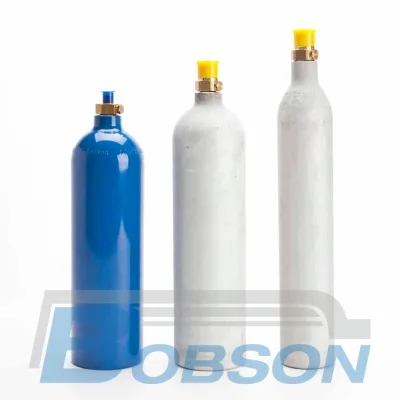
Comprehensive Sourcing Guide
TPED Soda Maker CO2 Valve Sourcing Guide
Sourcing high-quality TPED soda maker CO2 valves requires a nuanced understanding of both the mechanical components and the gas systems they regulate. These valves are critical for maintaining pressure integrity in carbonation devices, ensuring that carbon dioxide is dispensed safely and efficiently. Buyers must recognize that the valve is not an isolated part but a key interface between the CO2 cylinder and the beverage dispensing mechanism. The reliability of this connection directly impacts the user experience, affecting everything from carbonation levels to the longevity of the soda maker itself.
The market for these components is diverse, ranging from small-scale artisanal producers to large industrial manufacturers. Procurement teams need to evaluate suppliers based on their ability to provide consistent quality and compliance with international safety standards. Since the valve operates under high pressure, any failure can lead to significant safety hazards. Therefore, the sourcing strategy must prioritize suppliers who demonstrate rigorous quality control processes and transparent supply chain practices. This guide outlines the essential steps for identifying reliable sources and verifying product specifications.
Product Scope and Observed Listing Signals
The observed product listings reveal a wide range of specifications, indicating a fragmented market with varying levels of standardization. Buyers should note that products are often described with specific attributes such as "High Purity Material" and "Industrial Grade," which suggest a focus on durability and performance. However, the presence of terms like "Food Grade" alongside "Industrial Grade" highlights the need for careful verification of the intended application. It is crucial to distinguish between valves designed for general industrial use and those certified for direct contact with consumable products.
Listing signals also indicate variations in packaging and shipping methods, with options ranging from individual cylinders to bulk container loads. The observed MOQ ranges from small quantities suitable for prototyping to large volumes for mass production. Buyers must align their order quantities with their production needs to avoid excessive inventory costs or supply chain disruptions. Additionally, the mention of customization options suggests that many suppliers are willing to tailor products to specific client requirements, which can be advantageous for unique design needs.
Technical Specifications to Verify
Verifying technical specifications is paramount when sourcing TPED soda maker CO2 valves. Key parameters include the working pressure, which should align with the operational requirements of the soda maker. Listings indicate pressure levels such as 10.0MPa to 100.0MPa, but buyers must confirm the exact rating for their specific application. The valve material, often brass or alloy, must be corrosion-resistant and capable of withstanding repeated pressure cycles. Ensuring compatibility with standard outlet and inlet threads, such as W21.8-14, is essential for seamless integration into existing systems.
Purity levels and gas compatibility are also critical technical factors. The CO2 used in soda makers typically requires high purity to prevent contamination of the beverage. Buyers should verify that the valve components do not introduce impurities or react with the CO2. Additionally, the valve's sealing mechanism must be robust to prevent leaks, which can compromise carbonation efficiency and pose safety risks. Detailed technical datasheets from suppliers should be reviewed to confirm these specifications and ensure they meet the performance standards of the final product.
Compliance and Safety Documentation
Compliance with safety standards is non-negotiable for CO2 valves used in consumer and industrial applications. Buyers must request documentation proving that the valves meet relevant international safety regulations, such as CE certification. This certification indicates that the product conforms to health, safety, and environmental protection standards for products sold within the European Economic Area. Without proper certification, the valves may not be legally marketable in certain regions, exposing buyers to regulatory risks and potential liabilities.
In addition to product certification, buyers should inquire about the supplier's management system certifications, such as ISO 9001 and ISO 14001. These certifications demonstrate a commitment to quality management and environmental responsibility, which can be indicative of the supplier's overall operational maturity. Documentation should also include test reports verifying the valve's performance under high-pressure conditions. Ensuring that all safety documentation is up-to-date and verifiable is a critical step in mitigating risk and ensuring product reliability.
Cost Drivers and Commercial Terms
Understanding the cost drivers associated with TPED soda maker CO2 valves is essential for effective budgeting. Factors such as material quality, manufacturing complexity, and certification requirements significantly influence the final price. Buyers should expect price variations based on the valve's specifications and the volume of the order. While lower prices may be attractive, they often come with compromises in quality or compliance. It is important to balance cost considerations with the need for reliable, high-performance components.
Commercial terms, including MOQ, lead times, and shipping methods, also impact the total cost of ownership. Listings indicate lead times of 7-15 days, but buyers should confirm these estimates with their chosen supplier. Shipping costs can vary significantly depending on the weight and volume of the order, as well as the chosen method, whether by sea or air. Negotiating favorable payment terms and clear delivery schedules can help manage cash flow and ensure timely production. Buyers should also consider the potential costs associated with returns or replacements in case of quality issues.
Supplier Qualification and Quality Control
Supplier qualification is a critical step in the sourcing process, requiring a thorough evaluation of the supplier's capabilities and reputation. Buyers should assess the supplier's production facilities, quality control processes, and track record in the industry. Visiting the factory or conducting virtual audits can provide valuable insights into the supplier's operational standards. Suppliers located in industrial hubs, such as Chongqing, China, may offer competitive advantages in terms of supply chain efficiency and cost.
Quality control measures implemented by the supplier directly impact the consistency and reliability of the valves. Buyers should inquire about the supplier's testing protocols, including pressure testing and leak detection. Documentation of these tests should be available for review. Additionally, suppliers should have a robust system for handling defects and customer complaints. Establishing a clear communication channel with the supplier can facilitate quick resolution of any issues that arise during production or delivery.
Long-Term Procurement Checks
Long-term procurement success depends on establishing a sustainable relationship with the supplier. Buyers should regularly review supplier performance metrics, such as on-time delivery rates and product quality consistency. Continuous monitoring helps identify potential issues early and allows for proactive management of the supply chain. Building a partnership based on mutual trust and transparency can lead to better pricing, priority service, and collaborative innovation.
It is also important to stay informed about changes in industry standards and regulations that may affect the sourcing of CO2 valves. Buyers should periodically re-evaluate their supplier base to ensure they remain competitive and compliant. Exploring alternative suppliers can provide leverage in negotiations and reduce dependency on a single source. By maintaining a strategic approach to procurement, buyers can ensure a stable supply of high-quality TPED soda maker CO2 valves, supporting the long-term success of their products.
FAQs
What is the purity level of the carbon dioxide gas?
The carbon dioxide gas has a purity level of 99.999 percent. This high purity makes it suitable for industrial, scientific research, and health applications. It is classified as an inorganic reagent and meets industrial grade standards for various professional uses.
Can I customize the packaging and logo for this product?
Yes, customization is available for both the logo and packaging specifications. You can choose from options like 40L or 50L cylinders, or request specific box quantities. The supplier supports custom printing and packing sizes to meet your unique branding requirements.
What is the minimum order quantity for these cylinders?
The minimum order quantity is typically 20 cylinders for standard orders. However, larger bulk orders may start at one 20-foot container depending on the specific supplier agreement. This flexibility allows buyers to scale their procurement based on their operational needs.
How long does it take to deliver the carbon dioxide cylinders?
The delivery time ranges from seven to fifteen days after order confirmation. Shipping is available via sea or air depending on your urgency and location. This lead time ensures timely supply for your industrial or medical gas requirements.
Which certifications do the manufacturers hold for this gas?
Manufacturers hold CE certification and ISO 9001 and ISO 14001 management system certifications. These standards ensure quality control and environmental compliance in production. Such certifications are essential for sourcing reliable high-purity gas from verified industrial facilities in China.
What is the working pressure of the carbon dioxide cylinder?
The working pressure is 167 bar, which falls within the high-pressure range of 10.0 to 100.0 MPa. The cylinder body is made of alloy and brass materials to safely contain the gas. This pressure rating ensures safe storage and transport for industrial applications.
Where is the factory location for this carbon dioxide product?
The factory is located in the Tongnan District of Chongqing, China. This location supports an annual output of up to 100,000 tons of carbon dioxide. Buyers can source directly from this established manufacturing hub for consistent supply and quality.