Source Durable Railway Spring Bar for Track Fastening and Maintenance
Find 30 listings for Durable Railway Spring Bar products with varying specifications like diameter and material. Buyers can compare options from manufacturers in China for applications including rail turn bars and track fastening systems.
Key considerations
Products List


Wholsale Railway Fish Plate Joint Bar for Rail Track Connection and Stability
$3.00 - $5.00
MOQ: 200 Pieces


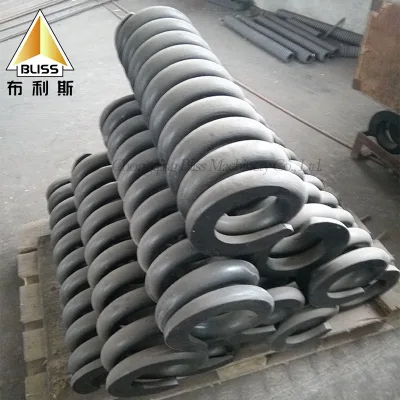

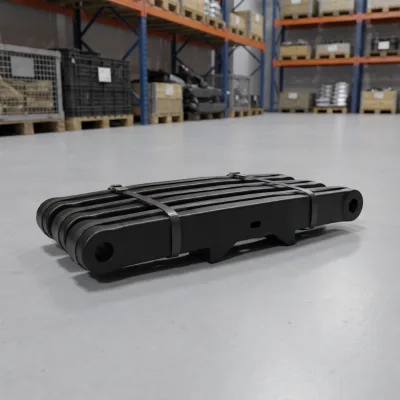
Reasonable Price Corrosion Resistance Railway Parts Good Toughness Joint Bars
$10.00 - $15.00
MOQ: 100 Pieces
Comprehensive Sourcing Guide
Strategic Sourcing Guide for Durable Railway Spring Bars
Procuring durable railway spring bars requires a rigorous approach that balances technical precision with supply chain reliability. These components are critical for maintaining track integrity, ensuring that rail joints remain secure under dynamic loads and thermal expansion. The market offers a variety of configurations, from specific clip types to fishplate assemblies, each with distinct manufacturing requirements. Buyers must navigate a complex landscape of material grades, certification standards, and customization options to secure products that meet the demanding operational conditions of railway infrastructure. This guide outlines the essential factors for evaluating suppliers and specifications, ensuring that procurement decisions are grounded in verifiable data rather than marketing assertions.
Technical Specifications and Material Composition
The performance of a railway spring bar is fundamentally dictated by its material composition and geometric specifications. In the current market, the primary material observed for these components is spring steel, often specified as Q235B or Carbon Steel. These materials are selected for their high elasticity and ability to withstand repeated stress cycles without permanent deformation. The specific grade of steel must be verified against the intended application, as different railway environments impose varying loads and corrosion risks.
Dimensions play a pivotal role in compatibility. Sourcing data indicates that standard models often adhere to specific dimensional profiles, such as 180030120mm for certain bar types, while clip variants may feature diameters ranging from φ16 to φ20. The "E Type Bar-Spring Clip" and similar models demonstrate that geometry is often standardized to fit specific rail profiles. Buyers should verify that the supplier's model numbers, such as "JTTF-E Type Clip" or "YF-CS-127," align precisely with the existing track infrastructure. Furthermore, the tolerance grade is a critical technical parameter; a tolerance grade of 8 is noted in available specifications, indicating a high level of precision required for the fit and function of the component. Any deviation from these tolerances can lead to installation difficulties or premature failure in the field.
Compliance and Certification Verification
In the railway sector, compliance is not merely a formality but a safety imperative. When evaluating potential suppliers, the presence of recognized quality management certifications is a primary indicator of a manufacturer's capability. The most frequently observed certification in the sector is ISO9001, which validates the supplier's quality management system. Some listings also reference ISO standards in conjunction with specific product attributes, suggesting a broader commitment to international quality benchmarks.
Beyond general quality management, specific product certifications are essential. The CE mark is a critical requirement for products intended for the European market, signifying conformity with health, safety, and environmental protection standards. Additionally, suppliers may adhere to a wide array of international standards including GB, ASTM, DIN, BS, EN, and JIS. The specific standard applicable to a purchase depends heavily on the region of installation and the regulatory framework of the railway operator. Buyers must explicitly request documentation proving that the specific batch of spring bars meets the relevant standard, rather than relying on a general claim that the factory is "compliant." The absence of a specific standard reference in a product listing should trigger a request for clarification, as railway components often require adherence to a specific national or international code.
Cost Drivers and Pricing Dynamics
Understanding the cost structure of railway spring bars is essential for budgeting and negotiation. The price range observed in the market spans from 0.1 to 100 USD, a wide variance that reflects differences in material quality, manufacturing complexity, and order volume. Several key factors drive these costs. First, the raw material cost of spring steel or alloy steel fluctuates with global commodity markets. Second, the manufacturing process significantly impacts the final price. Products utilizing CNC machining or precision die casting, particularly those with horizontal pressure chamber structures, often command higher prices due to the increased capital and operational expenses involved.
Order volume is another major determinant. The minimum order quantity (MOQ) typically ranges from 1 to 500 units. Suppliers often offer tiered pricing structures where the unit cost decreases as the order volume increases. Customization is a significant cost driver; while many suppliers offer "Customized" options, these bespoke requirements—such as unique dimensions, specific hole configurations (e.g., 4 or 6 holes), or specialized surface treatments like sand blasting and polishing—will invariably increase the unit price and potentially extend the lead time. Buyers should be prepared for a trade-off between standard off-the-shelf components and custom-engineered solutions, ensuring that the added cost of customization is justified by the specific operational needs of the project.
Typical Applications and Operational Context
Railway spring bars serve diverse functions within the broader railway ecosystem. The primary application is in the securing of rail joints, where the component acts as a fastener to maintain the alignment and continuity of the track. Specific product names such as "Rail Turn Bar" and "Rail Fishplate" highlight their specialized roles in connecting rail segments. These components are vital for "Railway Track" applications, where they must absorb vibrations and accommodate thermal expansion and contraction of the rails.
The industrial application extends beyond simple track laying to include maintenance and heavy-duty construction machinery. Components designed for "Construction Machinery" applications may require enhanced durability to withstand the harsh conditions of track maintenance vehicles. The "Shoulder" type designation suggests specific mounting points or load-bearing surfaces designed to interface with the rail web or base. Understanding the specific operational context is crucial; a spring bar designed for a high-speed passenger line will have different stress requirements compared to one used in a low-speed industrial siding. Buyers must ensure that the selected product's application rating matches the intensity and frequency of the expected traffic.
Supplier Evaluation and Geographic Considerations
Selecting the right supplier involves more than just comparing prices; it requires a deep dive into the supplier's geographic location and manufacturing capabilities. The sourcing data indicates that manufacturers are located in key industrial hubs in China, including Handan in Hebei Province, Ningbo, Hubei, and Henan Province. Each of these regions has its own industrial specialization, which can influence the quality and type of products available. For instance, Handan is known for its heavy industry and metal processing capabilities, which may be advantageous for sourcing high-strength steel components.
When evaluating a supplier, buyers should verify the origin of the product to ensure it aligns with the project's logistics and regulatory requirements. The "prod_origin" field in supplier data is a critical piece of information. Furthermore, the supplier's production capacity and process capabilities should be scrutinized. Evidence of "CNC Machining," "Die Casting," and specific surface preparation techniques like "Polishing" and "Sand Blasting" indicates a mature manufacturing facility. Buyers should request proof of these capabilities, such as equipment lists or process flow diagrams, to confirm that the supplier can consistently produce the required specifications. The availability of "Export Wooden Box" or "Carton Packing" also indicates a supplier's experience with international logistics and product protection.
Quality Control and Long-Term Procurement
Quality control is the backbone of a successful procurement strategy for railway components. The warranty period is a tangible metric of a supplier's confidence in their product; a standard warranty of 1 year is observed in the market, though this can vary based on the contract terms. Buyers should also look for explicit quality control measures, such as adherence to ISO standards for quality management. The "Quality Control: ISO" attribute suggests a systematic approach to defect prevention and detection.
Long-term procurement considerations extend beyond the initial purchase. Lead times are a critical factor in supply chain planning, with observed delivery times ranging from 15 to 30 days. This window allows for the production, quality inspection, and packaging of the components. Buyers must account for this lead time in their project schedules to avoid delays. Additionally, the packaging method, whether "Wooden Package," "Wooden Crates," or "Pallets," is essential for preventing damage during transit. For long-term partnerships, buyers should establish clear communication channels regarding customization requests, quality assurance protocols, and after-sales support. The ability of a supplier to provide "Customized" solutions and adhere to specific "prod_standard" requirements ensures that the supply chain remains flexible and responsive to changing project needs.
Comparative Analysis of Product Attributes
To facilitate decision-making, it is helpful to compare the key attributes of different product types available in the market. The following table summarizes the observed variations in specifications, materials, and certifications.
| Attribute | Product Type A (Spring Clip) | Product Type B (Fishplate/Bar) | Product Type C (Custom Alloy) |
|---|---|---|---|
| Primary Material | Spring Steel | Q235B, Carbon Steel | Alloy, Steel |
| Standard Model | JTTF-E Type Clip | Railway Fishplate | YF-CS-127 |
| Key Dimensions | Diameter φ16-φ20 | 180030120mm | Customizable |
| Certification | ISO9001 | CE, ISO | ISO9001 |
| Packing | Export Wooden Box | Wooden Crates/Pallets | Wooden Package |
| Origin | Handan, Hebei | Ningbo, China | Hubei, China |
| Application | Rail Turn Bar | Railway Track | Construction Machinery |
This comparison highlights that while there is significant overlap in materials and certifications, the specific application and dimensional requirements often dictate the choice of product. Buyers should use this framework to filter suppliers based on their specific project needs, ensuring that the selected component meets the rigorous demands of railway infrastructure.
Conclusion
Sourcing durable railway spring bars is a multifaceted process that demands attention to technical details, regulatory compliance, and supplier reliability. By focusing on verified material grades like spring steel and Q235B, confirming certifications such as ISO9001 and CE, and understanding the cost drivers associated with customization and volume, buyers can make informed decisions. The geographic diversity of suppliers in China offers a wide range of options, but the key to success lies in rigorous due diligence. Buyers must verify that every claim regarding dimensions, tolerances, and quality control is backed by documentation. Ultimately, the goal is to secure a supply chain that delivers components capable of withstanding the rigors of railway operations, ensuring safety and longevity for the infrastructure.
FAQs
What materials are used for durable railway spring bars?
The primary materials observed are spring steel, Q235B, and carbon steel. These materials are selected for their high elasticity and ability to withstand repeated stress cycles without permanent deformation in railway track applications.
Which certifications should I verify for railway components?
ISO9001 is the most frequently observed quality management certification. Buyers should also look for CE marks for European compliance and verify adherence to standards like GB, ASTM, DIN, or JIS for specific regional requirements.
Can I request custom dimensions for these spring bars?
Yes, customization is available for many products including specific dimensions and hole configurations. Customized options may increase the unit price and extend lead times compared to standard off-the-shelf models like the E Type Bar-Spring Clip.
What is the typical delivery time for these components?
The observed delivery time ranges from 15 to 30 days. This window accounts for production, quality inspection, and packaging, which often includes export wooden boxes or wooden crates to prevent transit damage.
How does the minimum order quantity affect pricing?
The minimum order quantity typically ranges from 1 to 500 units. Suppliers often offer tiered pricing where the unit cost decreases as the order volume increases, balancing standard components with custom-engineered solutions.
Which locations host manufacturers of these railway parts?
Manufacturers are located in key industrial hubs in China, including Handan, Ningbo, Hubei, and Henan Province. These regions have specialized capabilities in metal processing and heavy industry suitable for producing high-strength steel components.
What warranty is typically provided for these products?
A standard warranty of 1 year is observed in the market. This warranty reflects the supplier's confidence in the product's durability and serves as a tangible metric for quality assurance in long-term procurement.