Find Durable Shipping Container Ramp for Loading, Unloading, and Access
Explore 30 Durable Shipping Container Ramp options to compare steel construction, load capacities, and surface treatments. This guide helps buyers evaluate specifications for container loading and unloading applications to ensure safe and efficient material handling; compare the available evidence and request quotations based on your requirements.
Key considerations
Products List


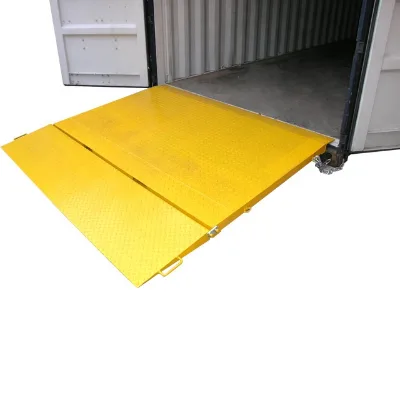


Ramps 8 Tonne Vehicle Loading Ramps for Sale with CE Certified Loading
$2700.00 - $2800.00
MOQ: 1 Pieces
Comprehensive Sourcing Guide
Durable Shipping Container Ramp Sourcing Guide
Procuring a Durable Shipping Container Ramp requires a clear understanding of the specific mechanical and structural demands placed on the equipment during daily logistics operations. These ramps serve as critical interfaces between ground-level transport and elevated container floors, facilitating the efficient loading and unloading of goods. Buyers must recognize that the term "ramp" in this context often overlaps with specialized lifting mechanisms, such as hydraulic lift tables or mobile loading bridges, which are designed to handle significant weights and frequent movement. The selection process hinges on matching the ramp’s load capacity and operational mode to the specific workflow, whether it involves manual handling, workshop cranes, or shipboard operations.
The market offers a variety of configurations, ranging from fixed installations to movable units that can be repositioned as needed. Key attributes to evaluate include the driven type, such as hydraulic systems that provide smooth and controlled elevation, and the lift mechanism, which may involve chains or other robust components. Additionally, the surface treatment of the ramp, whether painted or galvanized, plays a crucial role in its longevity, especially in outdoor or harsh industrial environments. Understanding these technical distinctions allows procurement teams to specify equipment that not only meets immediate operational needs but also withstands the rigors of continuous use in demanding supply chain environments.
Product Scope and Observed Listing Signals
Current market listings for container loading equipment reveal a diverse range of product models and specifications that buyers must navigate carefully. Observed data indicates a price range from approximately $8 to $5,500 USD, reflecting the wide variance in complexity, material quality, and load-bearing capabilities. Minimum order quantities (MOQs) typically start at just one unit, allowing for flexible procurement strategies, though larger orders may benefit from economies of scale. The observed gross weights of listed items, such as a 295kg unit, suggest that many products are substantial steel structures designed for heavy-duty industrial use rather than lightweight portable solutions.
Product models like ESEN and DYMG appear in listings, often associated with specific dimensions and standards. For instance, some units are described with standard sizes like 2000220075mm or larger configurations such as 1114021001100mm, indicating that customization is a common requirement. The application scope extends beyond simple container loading to include building cranes, warehouse cranes, and workshop cranes, highlighting the versatility of these machines. Buyers should note that while some listings specify "Dry Container" types, others are geared towards general material handling, necessitating a precise alignment of product features with the intended operational environment to avoid mismatches in performance or compatibility.
Technical Specifications to Verify
When evaluating technical specifications, the load capacity is a paramount consideration, with observed ranges indicating capabilities from 6 to 15 tons for certain hydraulic models. Buyers must verify that the selected ramp can safely handle the maximum weight of their heaviest cargo, including the weight of the handling equipment itself. The driven type, often hydraulic, ensures reliable operation, but the control model—whether manual, AC, or DC—must align with the facility’s power infrastructure and operator preference. Additionally, the adjustable height range, such as 1200-1800mm, is critical for ensuring compatibility with various container types and truck bed heights, minimizing the need for manual adjustments during loading cycles.
Material composition and surface finish are equally important for durability. Most listed products are constructed from steel, providing the necessary strength for heavy loads, and feature surface treatments like painting or galvanization to resist corrosion. The finish, often a shop primer, suggests that final coating may be required or that the product is ready for immediate industrial use. Buyers should also confirm the running mode, whether moving or fixed, and the lift mechanism, such as lift chains, which must be inspected for wear and tear. Verifying these details ensures that the ramp will perform reliably under stress and maintain structural integrity over its expected lifespan, which is often cited as exceeding 25 years for high-quality units.
Compliance and Safety Documentation
Safety and regulatory compliance are non-negotiable aspects of sourcing industrial lifting equipment. Buyers should insist on certifications such as ISO 9001 and CE, which indicate adherence to international quality management and European safety standards. Some listings also mention GS certification, which further validates the product’s safety features for the German and broader European markets. These certifications are essential for ensuring that the ramp meets rigorous engineering and manufacturing standards, reducing the risk of mechanical failure or accidents during operation. Procurement teams must request valid certification documents from suppliers to verify that the specific model being purchased has undergone the necessary testing and approval processes.
In addition to formal certifications, buyers should verify that the product includes comprehensive safety features, such as explosion-proof designs if used in hazardous environments. The warranty period, typically one year for many listed items, provides a baseline for manufacturer support, but buyers should clarify the scope of coverage, including parts and labor. After-sales service options, such as online technical support, are valuable for troubleshooting issues without requiring immediate on-site visits. Ensuring that all safety documentation is complete and up-to-date helps mitigate liability risks and ensures that the equipment can be legally and safely deployed in various international markets, particularly where strict occupational health and safety regulations apply.
Cost Drivers and Commercial Terms
The cost of a Durable Shipping Container Ramp is influenced by several key factors, including material costs, manufacturing complexity, and customization requirements. Steel is the primary material, and fluctuations in steel prices can directly impact the final cost. Customization options, such as specific dimensions, colors, or load capacities, often incur additional charges, as they require tailored manufacturing processes. The producing period, which can range from 7 to 20 days depending on the complexity and order size, also affects pricing, with expedited orders potentially carrying a premium. Buyers should request detailed quotes that break down these costs to understand the true value proposition of each supplier.
Commercial terms, including payment methods, shipping arrangements, and packaging, are critical components of the procurement agreement. Products are typically packed in carton boxes, pallets, or fixed within 40GP containers, depending on the size and nature of the ramp. Buyers should clarify who is responsible for shipping and insurance costs, as well as the lead times for production and delivery. Understanding the total cost of ownership, including maintenance and potential downtime, is essential for making informed purchasing decisions. Negotiating favorable terms, such as extended warranties or bulk discounts, can significantly reduce the overall expenditure and enhance the long-term value of the investment.
Supplier Qualification and Quality Control
Selecting a reliable supplier is crucial for ensuring the quality and longevity of the shipping container ramp. Buyers should prioritize suppliers with extensive experience, such as those with over 10 years in the industry, as this often correlates with refined manufacturing processes and better customer support. Verifying the supplier’s production capabilities, including their facility location in regions like Shanghai or Qingdao, can provide insights into their logistical efficiency and supply chain stability. Additionally, checking for consistent quality control measures, such as rigorous testing of hydraulic systems and structural integrity, is essential to prevent defects and ensure safe operation.
Quality control should extend beyond the initial purchase to include ongoing performance monitoring. Buyers should establish clear communication channels with suppliers for technical support and maintenance guidance. It is advisable to request sample reports or test results for critical components, such as lift chains and hydraulic pumps, to verify their durability and performance. Furthermore, understanding the supplier’s after-sales service structure, including response times and availability of spare parts, is vital for minimizing downtime in case of repairs. By thoroughly vetting suppliers and establishing robust quality control protocols, buyers can mitigate risks and ensure a reliable supply of high-quality container loading equipment.
Long-Term Procurement Checks
Long-term procurement success depends on regular maintenance and periodic re-evaluation of the equipment’s performance. Buyers should implement a scheduled maintenance plan that includes inspecting hydraulic systems, checking for wear on lift chains, and verifying the integrity of surface treatments like paint or galvanization. Regular maintenance not only extends the lifespan of the ramp but also ensures consistent performance and safety. Keeping detailed records of maintenance activities and any repairs performed can help identify recurring issues and inform future purchasing decisions, allowing for proactive rather than reactive management of the equipment fleet.
As operational needs evolve, buyers should periodically reassess the suitability of their current ramps against new requirements, such as increased load capacities or different container types. Engaging with suppliers for periodic reviews can provide insights into new technologies or improved models that may offer better efficiency or safety features. Additionally, staying informed about changes in industry standards and regulations ensures continued compliance and operational safety. By maintaining a strategic approach to procurement and equipment management, buyers can optimize their logistics operations, reduce total cost of ownership, and ensure that their container loading infrastructure remains robust and reliable over the long term.
FAQs
What certifications are available for durable shipping container ramps?
Available certifications include ISO9001, CE, and GS. These standards ensure the product meets international quality and safety requirements for industrial use. Buyers can verify these credentials to confirm compliance with global regulatory frameworks for container handling equipment.
Can the ramp be customized for specific container types?
Yes, customization is available for various container types, including dry containers. The length and color can be tailored to customer requirements. This flexibility allows for precise integration into different logistics workflows and loading bay configurations.
What is the typical production lead time for these ramps?
The producing period ranges from 7 to 20 days depending on the order specifics. Standard models may take 7-10 days, while customized orders can require up to 20 days. This timeframe ensures quality control and proper manufacturing processes.
How is the ramp packed for shipping?
Packing options include carton boxes, standard packing, pallets, or fixed placement in 40gp containers. The method can also be adjusted according to customer requirements. This ensures safe transit and minimizes damage during international shipping logistics.
What after-sales support is provided for these ramps?
Online technical support is provided for after-sales service. This ensures buyers receive assistance with installation, operation, or maintenance queries remotely. The support helps maintain operational efficiency and addresses technical issues without requiring immediate on-site visits.
What is the warranty period for the durable ramp?
The warranty period is 1 year. This coverage protects against manufacturing defects and ensures product reliability during initial use. Buyers benefit from this assurance, which supports long-term operational stability and reduces early-stage maintenance concerns.