Source Eco Friendly Ceramic Plate for Home, Party, and Festival
Compare 30 eco friendly ceramic plate options from Chinese manufacturers. Find customizable sizes, dishwasher-safe designs, and eco-friendly materials for home, party, and festival use with SGS and FDA certifications; compare the available evidence and request quotations based on your requirements.
Key considerations
Products List






Comprehensive Sourcing Guide
Eco Friendly Ceramic Plate Sourcing Guide
Sourcing eco-friendly ceramic plates requires a nuanced understanding of material composition, manufacturing standards, and supply chain transparency. Buyers must distinguish between true sustainable practices and superficial marketing claims, focusing on verifiable attributes such as material purity, production efficiency, and end-of-life recyclability. The following guide provides a structured approach to evaluating suppliers, verifying technical specifications, and ensuring compliance with international safety and environmental standards. By adhering to these principles, procurement teams can mitigate risk and secure high-quality, sustainable tableware that aligns with corporate social responsibility goals.
This guide is designed for B2B buyers, including hospitality groups, event planners, and retail distributors, who prioritize sustainability without compromising on durability or aesthetic appeal. It covers critical aspects of the sourcing process, from initial product scope analysis to long-term supplier relationship management. The content is grounded in observed market data and trusted industry knowledge, offering actionable insights for making informed purchasing decisions. Readers will learn how to navigate the complexities of ceramic production, interpret certification documents, and negotiate favorable commercial terms that support both environmental and business objectives.
Product Scope and Observed Listing Signals
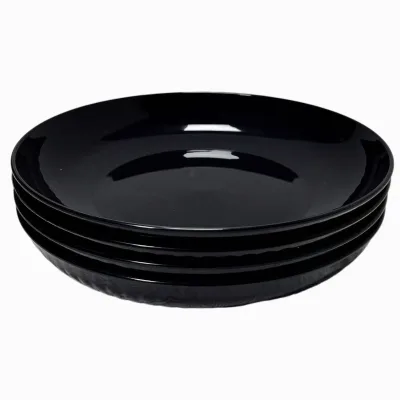
The current market for eco-friendly ceramic plates exhibits a diverse range of product types, including standard dinner plates, cup sets, and decorative items tailored for specific occasions such as holidays and festivals. Observed listings indicate a strong emphasis on customization, with suppliers offering tailored logos, colors, and packaging solutions to meet brand-specific requirements. Products are frequently described as disposable or non-disposable, highlighting a segment of the market that bridges the gap between traditional durable ceramics and single-use alternatives. This duality requires buyers to carefully assess the intended use case, whether for high-volume events or everyday household use, to select the most appropriate material and design.
Key product attributes observed include round shapes, various sizes ranging from 7 to 18 inches, and materials such as ceramic, porcelain, and PE ceramic. Many suppliers highlight features like dishwasher safety, eco-friendliness, and the ability to customize decals or colors. The origin of these products is predominantly China, with specific mentions of Shandong as a manufacturing hub. Buyers should note that while "eco-friendly" is a common descriptor, the actual environmental impact depends on factors such as production energy consumption, material sourcing, and packaging waste. Understanding these nuances is essential for making accurate procurement decisions that align with sustainability targets.
Technical Specifications to Verify
When evaluating ceramic plates, buyers must verify critical technical specifications to ensure product quality and suitability for their intended application. Key parameters include dimensions, such as diameters of 9, 10, 12, 14, 16, and 18 inches, as well as capacity measurements for cups, which may range from 16 to 24 ounces. The material composition is another vital factor, with options including pure ceramic, porcelain, and composite materials like PE ceramic. Buyers should request detailed material specifications to confirm the absence of harmful substances and to assess the durability and thermal resistance of the plates. Additionally, the presence of lids or lack thereof should be clarified, especially for products marketed as versatile or multi-functional.
Packaging and model numbers are also important technical details that influence logistics and inventory management. Observed packaging options include OPP bags, export cartons, and customized cartons, which can affect product protection and shipping efficiency. Model identifiers such as TC, 000001813-1818, pasp8, pas9, and sp8 help in tracking specific product variants and ensuring consistency across orders. Buyers should verify these model numbers with suppliers to avoid discrepancies in product delivery. Furthermore, the style of the plates, whether Western or themed for specific events, should align with the end-user expectations. Clear communication of these technical details is crucial for maintaining quality control and operational efficiency.
Compliance and Safety Documentation
Compliance with international safety and environmental standards is paramount when sourcing eco-friendly ceramic plates. Buyers should request documentation for certifications such as SGS, CE/EU, CIQ, FDA, LFGB, and EEC, which attest to the product's safety and quality. These certifications ensure that the ceramics are free from lead, cadmium, and other harmful heavy metals, making them safe for food contact. Additionally, buyers should inquire about adherence to environmental management standards, such as ISO 14001, although specific claims should be verified through direct supplier communication. Understanding the regulatory landscape of the target market is essential to avoid compliance issues and ensure smooth customs clearance.
Beyond product-specific certifications, buyers should assess the supplier's overall commitment to environmental responsibility. This includes evaluating their production processes for energy efficiency, waste reduction, and sustainable sourcing practices. While some suppliers may claim ISO 50001 compliance, this should be treated as a background indicator rather than a guaranteed fact. Buyers should request evidence of these practices, such as energy audits or sustainability reports, to validate the supplier's eco-friendly claims. By prioritizing suppliers with robust compliance documentation and transparent environmental practices, buyers can mitigate risk and contribute to a more sustainable supply chain.
Cost Drivers and Commercial Terms
The cost of eco-friendly ceramic plates is influenced by several factors, including material quality, customization requirements, and order volume. Observed price ranges vary significantly, from as low as $0.03 to as high as $8000, reflecting the diversity of products and specifications available. Minimum order quantities (MOQs) also vary, ranging from 20 pieces to 5000 pieces, allowing buyers to choose options that fit their budget and inventory needs. Customization, such as logo printing or unique packaging, can increase costs, so buyers should negotiate these terms carefully to balance brand identity with cost efficiency. Understanding these cost drivers is essential for accurate budgeting and financial planning.
Commercial terms, including payment methods, lead times, and shipping arrangements, also impact the total cost of ownership. Buyers should clarify sample availability and lead times, which may range from 7 to 15 days, to ensure timely delivery for their projects. Additionally, the supplier's location, such as Shandong, China, can affect shipping costs and transit times. Buyers should consider these logistical factors when selecting suppliers and negotiating contracts. By understanding the full spectrum of cost drivers and commercial terms, buyers can make informed decisions that optimize value and support their business objectives.
Supplier Qualification and Quality Control
Supplier qualification is a critical step in the sourcing process, ensuring that partners meet the required standards for quality, reliability, and sustainability. Buyers should conduct thorough due diligence, including site visits or virtual audits, to assess the supplier's manufacturing capabilities and quality control processes. Key areas to evaluate include raw material sourcing, production line efficiency, and finished product inspection protocols. Suppliers should demonstrate a commitment to consistent quality by implementing robust QC measures, such as statistical process control and final product testing. This diligence helps minimize the risk of defects and ensures that products meet the buyer's specifications.
Quality control should also extend to the packaging and labeling process, ensuring that products are protected during transit and correctly identified. Buyers should verify that suppliers use appropriate packaging materials, such as export cartons or customized boxes, to prevent damage. Additionally, clear labeling with model numbers, sizes, and compliance marks is essential for inventory management and regulatory compliance. By establishing clear quality expectations and conducting regular audits, buyers can maintain high standards and build long-term relationships with reliable suppliers. This proactive approach to supplier qualification and quality control is vital for sustaining product integrity and customer satisfaction.
Long-Term Procurement Checks
Long-term procurement success depends on continuous monitoring and evaluation of supplier performance and product quality. Buyers should establish key performance indicators (KPIs) to track metrics such as on-time delivery, defect rates, and responsiveness to issues. Regular reviews of these metrics help identify areas for improvement and ensure that suppliers remain aligned with the buyer's expectations. Additionally, buyers should stay informed about changes in regulations, market trends, and sustainability standards that may impact sourcing decisions. By maintaining a proactive stance, buyers can adapt to evolving requirements and mitigate potential risks.
Building a resilient supply chain also involves fostering strong relationships with suppliers through open communication and collaborative problem-solving. Buyers should engage in regular dialogues to discuss performance, share feedback, and explore opportunities for innovation. This collaborative approach can lead to continuous improvement and mutual benefit. Furthermore, buyers should consider diversifying their supplier base to reduce dependency on single sources and enhance supply chain resilience. By implementing these long-term procurement checks, buyers can ensure sustainable growth and maintain a competitive edge in the market.
FAQs
Can eco friendly ceramic plates be customized with logos?
Yes, customized logos are acceptable for these ceramic plates. Buyers can request specific branding to align with their corporate identity or event themes. This customization option allows for unique marketing opportunities while maintaining the eco-friendly nature of the ceramic material used in production.
What certifications do these ceramic plates hold?
These ceramic plates hold SGS, CE/EU, CIQ, FDA, LFGB, and EEC certifications. These credentials ensure compliance with international safety and quality standards. Buyers can trust that the products meet rigorous regulatory requirements for food contact and environmental safety across various global markets.
What sizes are available for ceramic plate sets?
Available sizes include 7 or 9 inches, as well as 9, 10, 12, 14, 16, and 18 inches. These dimensions cater to diverse dining needs, from individual servings to large platters. The variety ensures suitability for both casual home use and formal party settings.
Are these ceramic plates dishwasher safe?
Yes, these ceramic plates are dishwasher safe. This feature adds convenience for daily use and commercial hospitality settings. The durable ceramic construction withstands repeated washing cycles without compromising integrity, making them a practical choice for high-volume environments seeking sustainable tableware solutions.
What is the minimum order quantity for these plates?
The minimum order quantity varies, with some listings requiring 20 pieces and others 500 pieces. This flexibility accommodates both small-scale buyers and large distributors. Buyers should verify specific MOQ requirements with suppliers to ensure alignment with their procurement volume and budget constraints.
Where are these ceramic plates manufactured?
These ceramic plates are manufactured in Shandong, China. This region is known for its robust ceramic production capabilities. Buyers sourcing from this location benefit from established supply chains and competitive manufacturing costs, ensuring reliable delivery of high-quality eco-friendly ceramic products.