Source Stackable Metal Kitchen Bowl for Home, Hotel, and Restaurant
Compare 30 options for a Stackable Metal Kitchen Bowl designed for durability and eco-friendly use. These stainless steel and enamel bowls support OEM/ODM customization, featuring polished finishes and fall-resistant properties suitable for home, hotel, and restaurant settings; compare the available evidence and request quotations based on your requirements.
Key considerations
Products List

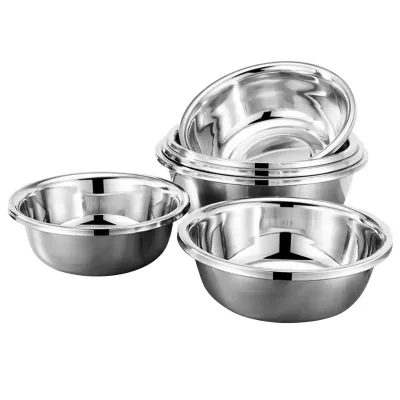
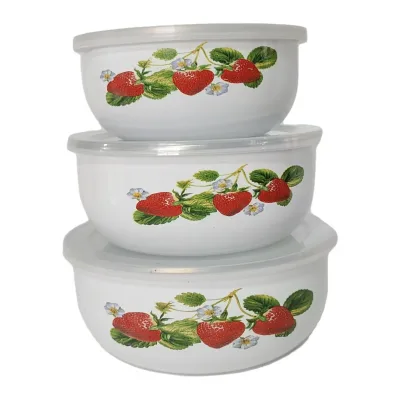
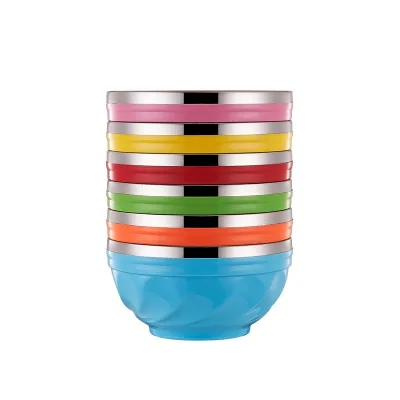


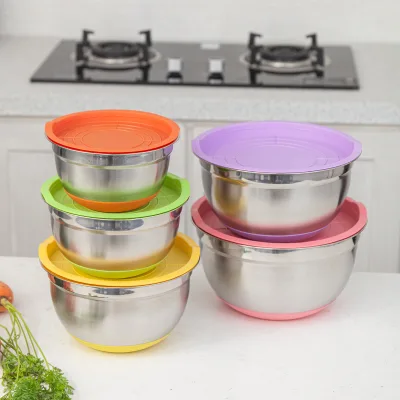


Comprehensive Sourcing Guide
Stackable Metal Kitchen Bowl Sourcing Guide
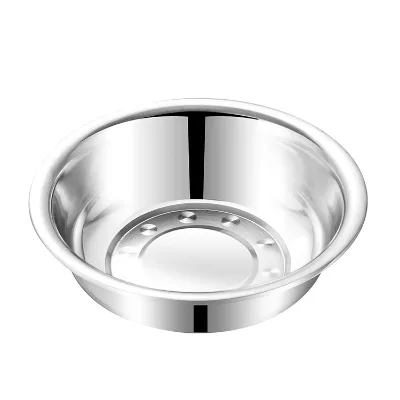
Procuring stackable metal kitchen bowls requires a clear understanding of the specific material grades and structural designs that ensure durability in high-volume environments. The observed market data indicates a strong preference for stainless steel construction, specifically grade 201, which offers a balance of cost-efficiency and corrosion resistance suitable for commercial and residential use. Buyers must distinguish between polished finishes and other surface treatments, as the technique directly impacts the bowl's ability to resist scratching and maintain hygiene standards over time.
The sourcing landscape reveals a diverse range of product configurations, from classic styles to American-inspired designs, often customized with specific logos or branding. While some listings highlight eco-friendly attributes and stock availability, others emphasize OEM and ODM capabilities for tailored production runs. It is critical to verify whether the "stackable" feature is inherent to the design or a result of specific dimensional tolerances, as this affects storage efficiency and logistics planning for both suppliers and end-users.
Product Scope and Observed Listing Signals
The product scope for stackable metal kitchen bowls encompasses a wide variety of applications, including home kitchens, hotels, restaurants, and even outdoor camping scenarios. Listings frequently describe these items as non-disposable and fall-resistant, indicating a focus on long-term utility rather than single-use convenience. The observed product names range from general "stainless steel wash basins" to specific "enamel mix bowls," suggesting that buyers must carefully align their search terms with the intended function, whether for food preparation, storage, or serving.
Listing signals often include specific size ranges, such as diameters from 12 to 16 cm or lengths up to 32 cm, which dictate the bowl's capacity and stacking compatibility. Buyers should note that while some products are marketed as "stocked" for immediate delivery, others require custom manufacturing with lead times that depend on the complexity of the design. The presence of multicolor options and custom logo services adds a layer of complexity to the procurement process, requiring clear communication regarding branding requirements and color consistency across batches.
Technical Specifications to Verify
Technical verification must begin with the material composition, specifically confirming the stainless steel grade and the thickness of the metal used in construction. The observed data points to stainless steel 201 as a common material, but buyers should request mill certificates to ensure the alloy meets the necessary standards for food contact and durability. Additionally, the polishing technique applied to the surface is a critical factor, as it influences the bowl's resistance to staining and its ease of cleaning in high-traffic commercial kitchens.
Dimensional accuracy is equally vital for ensuring that bowls stack securely without tipping or damaging the rims of the units below. Specifications such as single package sizes and gross weights provide insight into the physical footprint and shipping costs, but buyers must also verify the internal diameter and depth to ensure they meet the intended volume requirements. The presence of features like plastic lids or specific packing configurations, such as 18 pieces per carton, should be cross-referenced with the supplier's actual production capabilities to avoid discrepancies in the final delivery.
Compliance and Safety Documentation
Compliance documentation is a non-negotiable aspect of sourcing metal kitchenware, particularly when the products are intended for food contact in regulated markets. The observed listings mention certifications such as CE, FDA, LFGB, and EEC, which are essential for demonstrating that the materials do not leach harmful substances into food. Buyers must request valid test reports and certificates of conformity for each batch, ensuring that the specific product model, such as JSMB-F0002 or P-005, has been tested against the relevant safety standards for the target export region.
Beyond material safety, the manufacturing process must adhere to strict hygiene and quality control protocols to prevent contamination during production. Documentation should also cover the origin of the raw materials and the traceability of the finished goods, which is crucial for liability management and brand protection. While some suppliers claim "high-quality" advantages, these assertions must be backed by third-party audit reports or factory inspection records that verify the consistency of the production environment and the adherence to international food safety management systems.
Cost Drivers and Commercial Terms
Cost drivers for stackable metal kitchen bowls are primarily influenced by the raw material prices of stainless steel, the complexity of the finishing processes, and the volume of the order. The observed MOQ ranges from 1,200 pieces to 10,000 pieces, indicating that smaller buyers may face higher per-unit costs or need to consolidate orders with other products to meet minimum thresholds. Customization features, such as logo printing or unique color finishes, add additional layers of cost that must be factored into the total landed price calculation.
Commercial terms regarding payment and logistics play a significant role in the overall procurement strategy, with options like L/C, T/T, and Western Union commonly observed. Buyers should negotiate clear terms for shipping ports, such as Ningbo, Shanghai, or Qingdao, and understand how packaging configurations, like carton sizes and gross weights, impact freight charges. It is essential to clarify whether the quoted price includes all necessary certifications and packaging materials, as hidden costs can significantly erode the profit margin if not accounted for during the initial negotiation phase.
Supplier Qualification and Quality Control
Supplier qualification requires a rigorous assessment of the manufacturer's production capacity, quality control systems, and track record in the metal kitchenware sector. Buyers should verify the supplier's location, such as Guangdong or Zhejiang in China, and confirm their ability to handle both OEM and ODM requests with the required precision. The presence of "customized" design services suggests flexibility, but this must be balanced against the supplier's ability to maintain consistent quality across large production runs without compromising the structural integrity of the bowls.
Quality control protocols must be established before production begins, including pre-production samples and in-line inspections to catch defects early. Buyers should insist on a clear definition of acceptable quality limits for surface imperfections, dimensional variations, and packaging integrity. Regular third-party inspections during the production process can help mitigate risks associated with batch inconsistencies, ensuring that the final shipment meets the agreed-upon specifications for durability, finish, and safety compliance.
Long-Term Procurement Checks
Long-term procurement success depends on establishing a robust relationship with suppliers that prioritizes continuous improvement and adaptability to market changes. Buyers should implement a system for periodic performance reviews, assessing the supplier's ability to meet delivery schedules, maintain quality standards, and respond to any issues that arise post-delivery. This proactive approach helps in identifying potential supply chain disruptions early and allows for the adjustment of sourcing strategies to maintain a steady flow of high-quality products.
Sustainability and environmental considerations are becoming increasingly important in the metal kitchenware industry, with many buyers seeking eco-friendly options and responsible sourcing practices. Procurement teams should evaluate the supplier's commitment to reducing waste, using recyclable materials, and adhering to environmental standards throughout the production lifecycle. By integrating these long-term checks into the sourcing strategy, buyers can ensure that their supply chain remains resilient, compliant, and aligned with evolving consumer expectations and regulatory requirements.
FAQs
What certifications are available for these stainless steel bowls?
These stainless steel bowls are available with CE/EU, FDA, LFGB, and EEC certifications. These credentials ensure compliance with international safety and quality standards for food contact materials. Buyers can verify specific documentation from suppliers to meet regional regulatory requirements for home, hotel, or restaurant usage.
Can I customize the logo and design on the bowls?
Yes, OEM and ODM services are available for logo customization and design adjustments. Buyers can request custom branding to align with their corporate identity or retail packaging needs. This customization option allows for unique product differentiation while maintaining the durable and eco-friendly properties of the stainless steel material.
What is the typical MOQ for ordering these metal bowls?
The typical minimum order quantity is 1200 pieces, though observed ranges extend from 10 to 10000 units depending on the supplier. Buyers should confirm specific MOQ requirements with manufacturers, as some may offer lower quantities for stock items or higher volumes for custom designs. Pricing often varies based on order size.
Which sizes are available for the stainless steel wash basins?
Available sizes include 18, 20, 22, 24, 26, 28, 30, and 32 cm diameters. These dimensions cater to various kitchen and commercial needs, from small household tasks to larger restaurant preparations. Buyers can select specific models like JSMB-F0002 or P-005 to match their functional requirements and storage constraints.
Are these bowls suitable for commercial hotel and restaurant use?
Yes, these bowls are designed for home, hotel, and restaurant usage. They are fall-resistant, durable, and made from stainless steel 201, ensuring longevity in high-traffic environments. The polished finish and eco-friendly attributes make them suitable for professional kitchens where hygiene and durability are critical for daily operational efficiency.
How are the bowls packaged for shipping and storage?
The bowls are typically packed in cartons, with some items using pp bags plus cartons for individual protection. Standard packaging dimensions vary, such as 26x26x26 cm for single items or larger batches. Buyers should verify packing details like 18 pcs per carton to optimize logistics and ensure safe delivery to global destinations.