Source Eco Friendly Cork Wood Coaster for Home, Hotel, Restaurant
Find 30 eco friendly cork wood coaster options from verified suppliers. Compare materials like beech and natural cork, check MOQs, and review customization features for your business needs. Evaluate sizes, shapes, and logo acceptance to select the best fit for your catering or hospitality requirements.
Key considerations
Products List
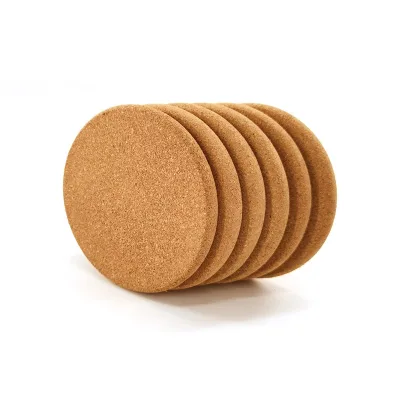
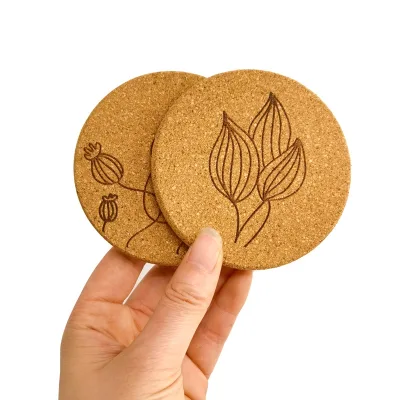
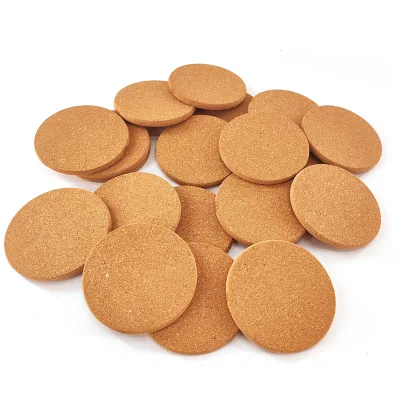
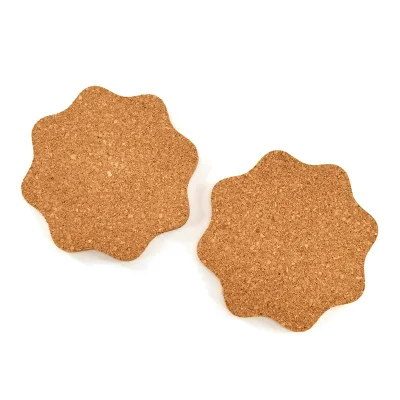
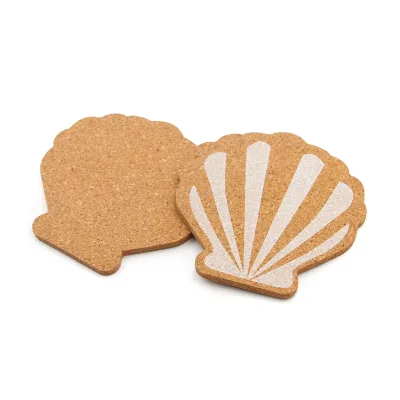
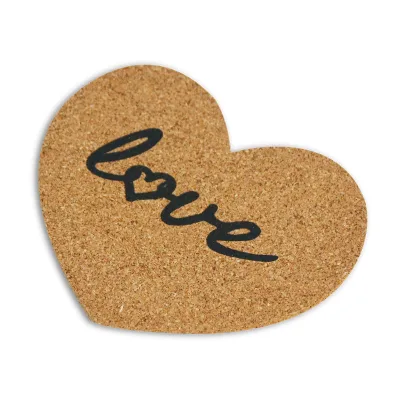
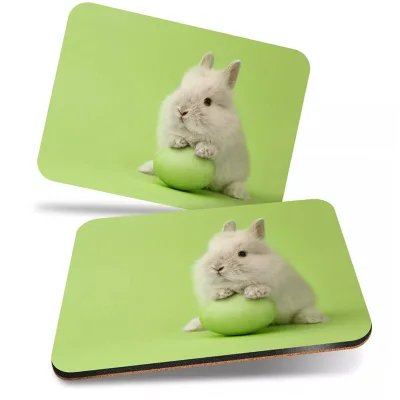
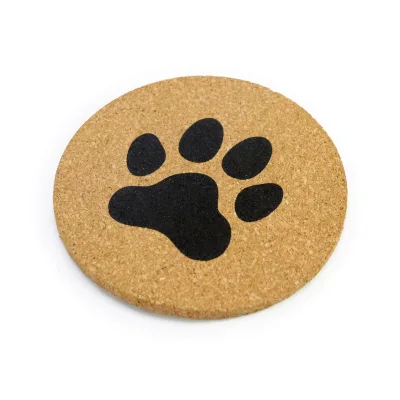
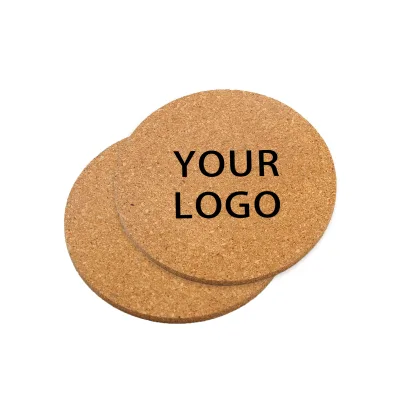
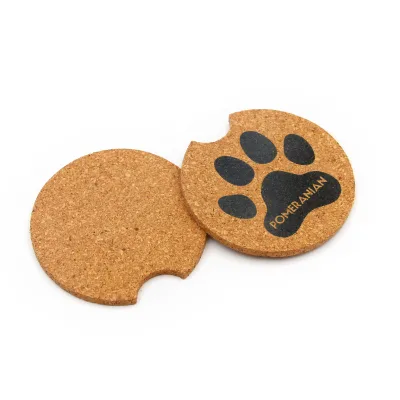
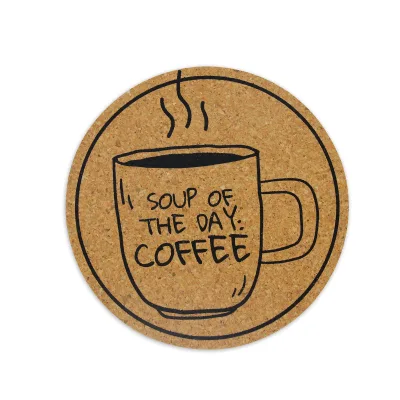
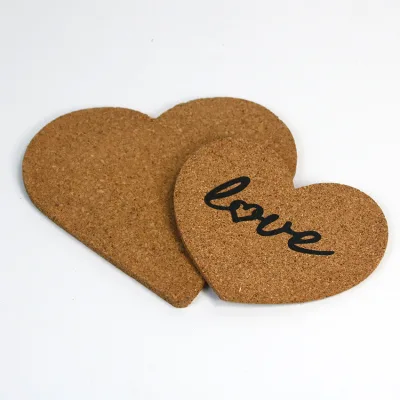


Comprehensive Sourcing Guide
Eco Friendly Cork Wood Coaster Sourcing Guide
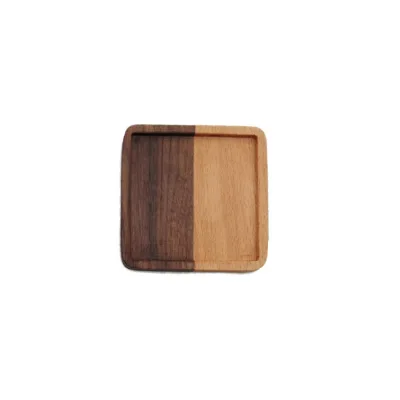
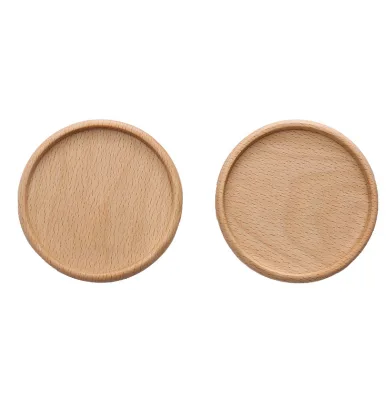
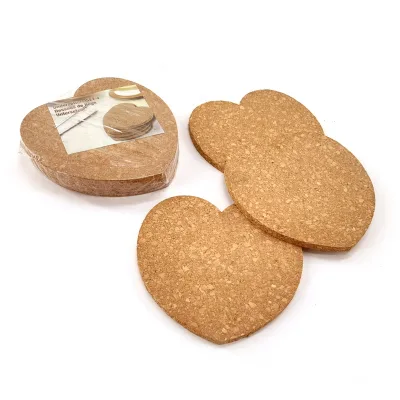
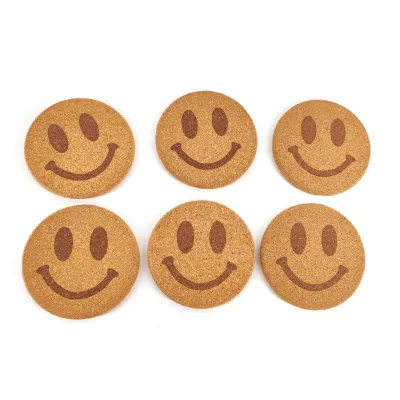
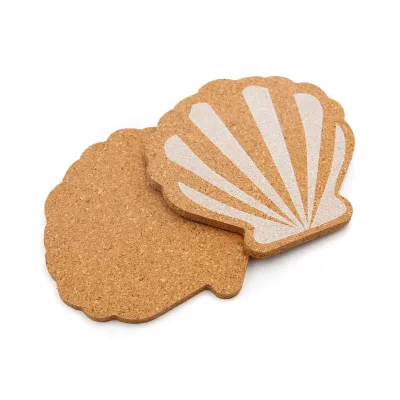
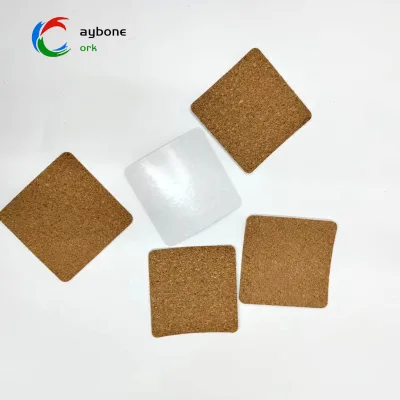
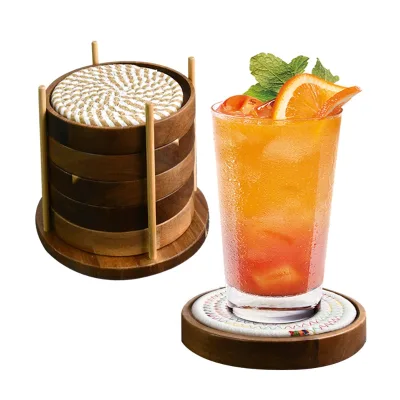
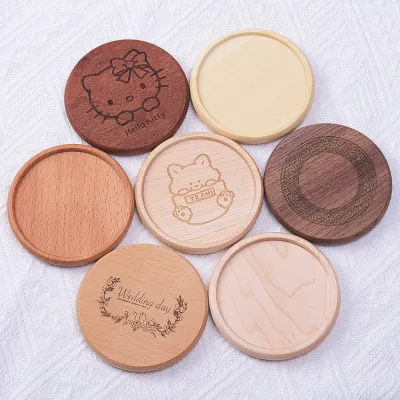
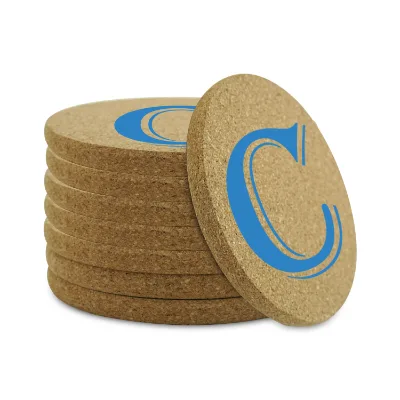
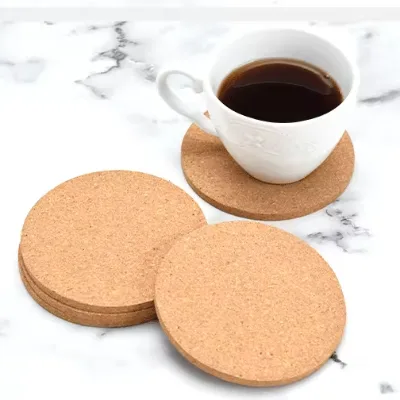
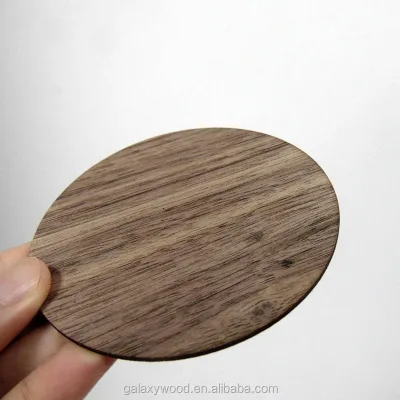
Procurement teams must first distinguish between the distinct material profiles available in the current market, as the core keyword often masks significant product variations. The observed listings reveal a split between solid wood options made from beech and walnut, and natural cork products designed for heat resistance. Buyers should verify whether the specific unit required is a square wooden coaster or an irregularly shaped cork piece, as these materials dictate different handling and application protocols.
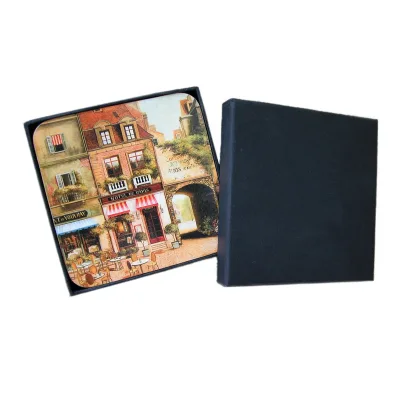
Commercial buyers, particularly those in the catering and canteen sectors, need to align their selection with the intended usage environment. While some listings specify usage for cups in home or hotel settings, others target restaurant applications with specific design styles ranging from classic to modern. Understanding these distinctions ensures that the selected product meets the functional demands of the end-user, whether the priority is aesthetic table decoration or practical liquid absorption.
Product Scope and Observed Listing Signals
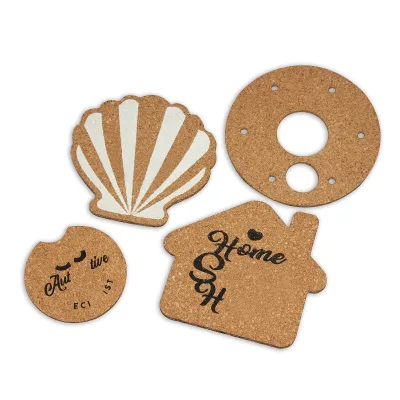
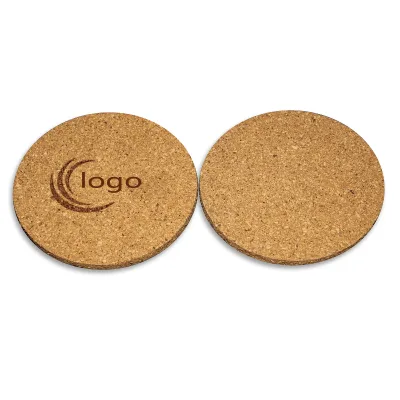
The current market signals indicate a diverse range of product attributes that buyers must navigate to find the correct specification. Listings show products with specific dimensions such as 8.8x8.8x0.9 cm for wooden variants and 11x11 cm with 6mm thickness for cork options. The shape varies significantly, with square designs available alongside irregular forms, and colors ranging from natural wood tones to yellow finishes. These physical characteristics directly influence the visual impact on a table setting and the compatibility with different glassware sizes.
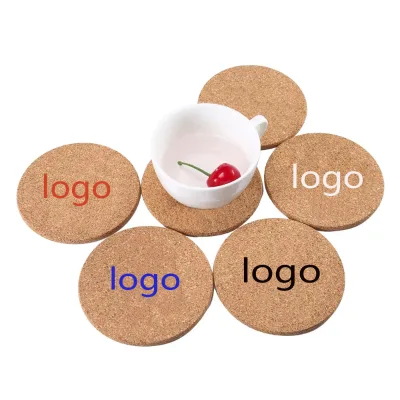
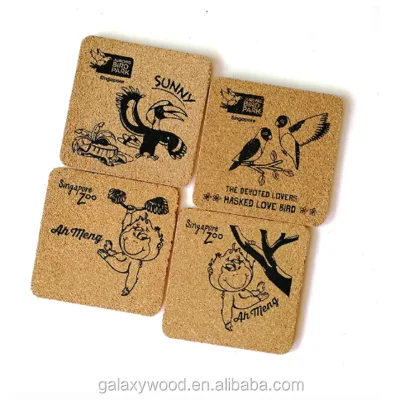
Branding and customization capabilities are also critical signals observed in the supply chain, with options for customized logos and OEM services widely available. Some suppliers offer single-item selling units with specific packaging like shrink wrap, while others operate with bulk MOQs starting at 100 pieces or 500 sets. The presence of eco-friendly features is a consistent attribute across both wood and cork categories, but buyers must confirm if stock availability is guaranteed or if production is made-to-order based on the specific model number provided.
Technical Specifications to Verify
Dimensional accuracy is a primary technical requirement, as the single package sizes and gross weights vary considerably between product types. Wooden coasters are listed with a single gross weight of 0.350 kg and specific dimensions, whereas cork variants may weigh as little as 0.07 kg with different package sizes. Buyers must verify the exact thickness and diameter or side length to ensure the coaster fits the intended drinkware without tipping or leaving excessive gaps on the table surface.
Material composition and structural integrity must be confirmed against the specific model numbers and design styles listed. The supply data indicates the use of beech, walnut, and natural cork, each offering different durability and moisture resistance profiles. It is essential to validate that the stated material matches the physical sample, especially since some listings mention traditional or American design styles that may require specific finishing techniques to maintain the natural look while ensuring longevity in high-traffic commercial environments.
Compliance and Safety Documentation
Safety compliance for food-contact surfaces is a non-negotiable requirement for any coaster intended for beverage use, particularly in commercial hospitality settings. While the provided facts highlight eco-friendly attributes, buyers must independently verify that the wood or cork materials have been treated with food-safe finishes and sealants. The absence of explicit certification data in the listing signals necessitates a direct request for test reports confirming the product meets relevant food safety standards for the destination market.
Environmental claims regarding the eco-friendly nature of the product require substantiation through verified supply chain documentation. Buyers should request evidence that the beech, walnut, or cork materials are sourced from sustainable forests or recycled sources, as this claim is central to the product's value proposition. Without specific certification details in the initial listing, the procurement team must ensure the supplier can provide third-party verification to support any sustainability marketing claims made to end consumers.
Cost Drivers and Commercial Terms
Pricing and minimum order quantities are significant variables that fluctuate based on material type, customization level, and order volume. The observed data shows a wide price range and MOQs varying from 100 pieces to 1000 units, with some suppliers requiring orders in sets rather than single items. Buyers must calculate the total landed cost by factoring in these MOQ thresholds, as ordering below the minimum may result in higher per-unit costs or require a consolidated shipment from a different supplier.
Logistics and shipping terms further influence the final cost structure, with specific sea ports like Ningbo and Shanghai identified as key departure points. The single package dimensions and gross weights provided in the listings are critical for calculating freight charges and container utilization efficiency. Procurement teams should negotiate terms that account for the specific packing methods, such as shrink wrap, to minimize damage during transit while optimizing the volume-to-weight ratio for cost-effective international shipping.
Supplier Qualification and Quality Control
Supplier qualification should focus on verifying the consistency of material sourcing and the reliability of their manufacturing processes. The presence of multiple model numbers and design styles suggests a supplier capable of handling diverse orders, but buyers must confirm their capacity to maintain quality across different batches. It is vital to assess whether the supplier can consistently deliver the specified dimensions and material composition, such as the exact beech or cork quality, without deviation.
Quality control protocols must be established to ensure that the final product matches the approved samples and listing descriptions. Buyers should implement a pre-shipment inspection process that checks for defects in the wood grain or cork texture, as well as verifying the accuracy of any customized logos or branding. Given the variation in styles from classic to modern, visual inspections are necessary to ensure the aesthetic standards meet the expectations of the target market before the goods are shipped from the place of origin.
Long-Term Procurement Checks
Sustainability and supply chain resilience are critical factors for maintaining a long-term partnership with a coaster supplier. Buyers should regularly audit the supplier's sourcing practices to ensure that the eco-friendly claims remain valid as production scales up or material sources change. Continuous verification of the material origin, whether it is beech, walnut, or natural cork, helps mitigate the risk of supply disruptions or reputational damage associated with unsustainable practices.
Performance monitoring of the product in the field is essential to validate the initial selection and identify any potential issues with durability or functionality. Procurement teams should gather feedback from end-users regarding the coaster's ability to protect surfaces and its resistance to moisture over time. This data will inform future purchasing decisions, allowing for adjustments in specifications or supplier selection to ensure the product continues to meet the evolving needs of the commercial buyer.
FAQs
What materials are used for these coasters?
The coasters are crafted from natural wood and cork. Specific options include beech and walnut wood, as well as natural cork. These materials provide durability and an eco-friendly appeal for home or commercial use.
Can I customize the logo on the coasters?
Yes, customized logos are acceptable for these products. Suppliers offer OEM services to allow branding on the coasters. This customization supports marketing efforts for hotels, restaurants, or corporate gifts while maintaining the classic or modern design style.
What is the minimum order quantity for these items?
The minimum order quantity varies by product type. Some items require 100 pieces, while others have a minimum of 500 pieces or sets. Buyers should check specific model numbers like B014 or CN-D-090 for exact MOQ requirements.
Are these coasters suitable for commercial buyers?
Yes, these coasters are suitable for commercial buyers such as caterers and canteens. They are designed for use in homes, hotels, and restaurants. The eco-friendly features and durable materials make them ideal for high-traffic hospitality environments.
Where are these coasters manufactured?
These coasters are manufactured in Zhejiang, China. The products are shipped via major sea ports like Ningbo and Shanghai. This location supports efficient logistics for international buyers seeking wood and cork accessories.