Source Eco Friendly Drip Coffee Pot for Kitchen Restaurant Home
Compare 30 eco friendly drip coffee pot options from verified suppliers. Buyers can evaluate models with custom features, varying capacities, and materials like metal and glass for kitchen, restaurant, and home applications; compare the available evidence and request quotations based on your requirements.
Key considerations
Products List


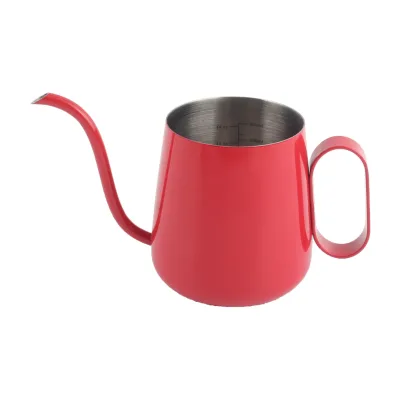


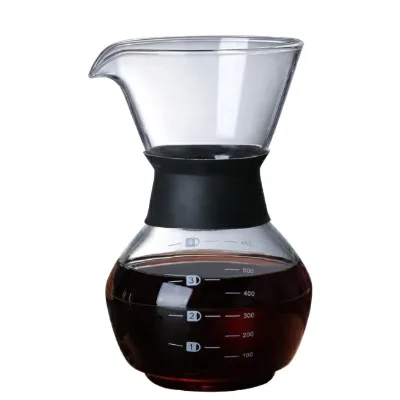
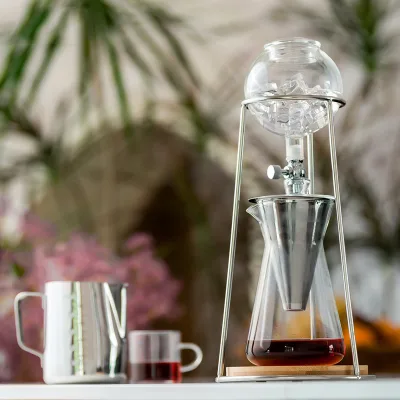


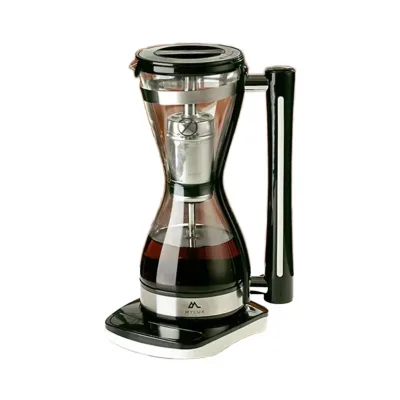


Comprehensive Sourcing Guide
Eco Friendly Drip Coffee Pot Sourcing Guide
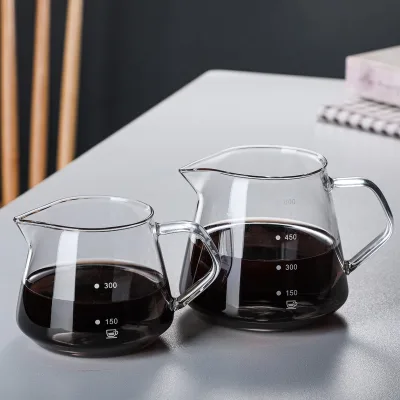
Sourcing eco-friendly drip coffee pots requires a nuanced understanding of material sustainability and functional design. Buyers must distinguish between products marketed as environmentally friendly based on material composition, such as glass or specific metals, and those emphasizing energy-efficient brewing methods. The observed market includes items ranging from simple pour-over kettles to cold brew makers, each with distinct environmental implications. Understanding these differences is critical for aligning procurement with corporate sustainability goals.
Procurement teams should prioritize suppliers who provide transparent data on material sourcing and manufacturing processes. The presence of certifications like CE or EU compliance indicates adherence to regional safety and environmental standards, which is a baseline requirement for many international markets. However, buyers must verify that these certifications extend to the specific eco-friendly claims made by the supplier, ensuring that the product’s lifecycle impact is genuinely minimized rather than merely marketed as such.
Product Scope and Observed Listing Signals
The current market landscape for drip coffee equipment reveals a diverse array of product types, including pour-over kettles, cold brew makers, and general coffee servers. Listings frequently highlight features such as "eco-friendly" attributes, modern luxury styles, and specific capacities ranging from 400ml to 580ml. These signals suggest a market segment focused on both aesthetic appeal and functional efficiency, catering to home, hotel, and restaurant applications. Buyers should note that "eco-friendly" is often paired with durability and safety claims, indicating a focus on long-term usability.
Observed product attributes include materials like glass and metal, with packaging options ranging from flatpacks to export cartons. The presence of customization options, such as logo printing and color variations, suggests that many suppliers offer OEM and ODM services. This flexibility allows buyers to tailor products to specific brand identities while maintaining the core eco-friendly value proposition. However, the variability in product models and specifications necessitates careful verification of each item’s actual environmental impact and functional performance.
Technical Specifications to Verify
Technical verification begins with confirming the material composition and structural integrity of the coffee pots. Buyers should request detailed specifications regarding the type of glass or metal used, ensuring it is food-grade and free from harmful leaching agents. The single package size and gross weight, such as 30x20x20 cm and 1.500 kg respectively, are critical for logistics planning and cost estimation. These dimensions directly impact shipping efficiency and storage requirements, making them essential data points for supply chain optimization.
Functional specifications, such as the capacity and brewing method, must align with the intended use case. For instance, pour-over kettles require precise spout design for controlled water flow, while cold brew makers need specific filtration mechanisms. Buyers should verify that the product’s design supports efficient brewing without excessive energy or water waste. Additionally, checking the compatibility of the product with various heat sources or brewing setups ensures that it meets the operational needs of the end-user, whether in a home or commercial setting.
Compliance and Safety Documentation
Compliance with regional safety standards is non-negotiable for imported coffee equipment. Buyers must ensure that all products carry valid CE or EU certification, which verifies adherence to health, safety, and environmental protection standards. These certifications are particularly important for products that involve heating elements or direct food contact. Verification should include checking the validity of the certificates and ensuring they cover the specific models being procured, as certifications can vary by product type and manufacturing batch.
Beyond regulatory compliance, buyers should assess the supplier’s commitment to sustainable manufacturing practices. This includes verifying that the production process minimizes waste and energy consumption. Documentation regarding material sourcing, such as recycled content percentages or sustainable forestry certifications for any wooden components, should be requested. Transparent supply chain documentation not only mitigates legal risks but also enhances the brand’s credibility in the growing market for genuinely sustainable products.
Cost Drivers and Commercial Terms
Cost structures for eco-friendly drip coffee pots are influenced by material quality, customization levels, and order volume. The observed price range of 0.95 to 41 USD reflects significant variation based on these factors. Buyers should analyze the cost breakdown to understand how much of the price is attributed to sustainable materials versus standard components. Higher prices may correlate with superior durability or more complex eco-friendly features, which can offer better long-term value despite higher initial costs.
Minimum order quantities (MOQs) typically range from 2 to 2000 units, offering flexibility for both small-scale and large-scale procurement. Buyers should negotiate terms that align with their inventory management strategies, considering the trade-offs between lower unit prices at higher volumes and the risks of overstocking. Payment terms, such as T/T, should be structured to protect cash flow while ensuring supplier commitment. Clear commercial terms help in predicting total landed costs and avoiding unexpected expenses during the procurement process.
Supplier Qualification and Quality Control
Supplier qualification involves assessing their manufacturing capabilities and quality assurance processes. Buyers should verify that the supplier has a robust quality control system in place, including regular inspections of raw materials and finished products. The ability to provide customization, such as logo printing and color variations, indicates a mature production line capable of meeting specific brand requirements. However, buyers must ensure that customization does not compromise the product’s structural integrity or eco-friendly attributes.
Quality control checks should include testing for durability, leak resistance, and ease of cleaning. Buyers should request sample units to perform independent evaluations before committing to large orders. Establishing clear quality standards and acceptance criteria in the purchase agreement helps mitigate the risk of receiving substandard products. Regular audits and performance reviews of suppliers ensure that quality remains consistent over time, protecting the buyer’s brand reputation and customer satisfaction.
Long-Term Procurement Checks
Long-term procurement success depends on continuous monitoring of supplier performance and market trends. Buyers should establish key performance indicators (KPIs) related to delivery times, product quality, and responsiveness to issues. Regular communication with suppliers helps in identifying potential problems early and fostering a collaborative relationship. Staying informed about advancements in sustainable materials and manufacturing technologies allows buyers to make informed decisions about future product selections.
Additionally, buyers should periodically review the environmental impact of their procurement choices. This includes assessing the lifecycle of the products, from manufacturing to disposal, and identifying opportunities for further sustainability improvements. Engaging with suppliers who are committed to innovation in eco-friendly design ensures that the procurement strategy remains aligned with evolving consumer preferences and regulatory requirements. Continuous improvement in sourcing practices contributes to long-term business resilience and competitive advantage.
FAQs
What certifications do eco friendly drip coffee pots have?
Many eco friendly drip coffee pots carry CE and EU certifications to ensure safety and compliance. These products often feature durable metal or glass materials designed for kitchen and restaurant use. Buyers should verify specific model numbers like 600702 or CEEB-CK14 when checking for these documented standards.
Can I customize the logo on these coffee pots?
Yes, customization is available for many models including those with ODM and OEM branding options. Buyers can request logo customization on products originating from Guangdong, China. This service applies to various styles such as modern luxury or simple designs, allowing for tailored branding on single items.
What is the typical capacity of these coffee makers?
Typical capacities range from 400ml to 580ml depending on the specific model selected. Some units are designed for single serving while others support larger volumes for hotel or office use. Buyers should check the product specifications for exact volume details before placing an order.
How are these products packaged for shipping?
Products are typically packed in flatpacks, export cartons, or color boxes to ensure safe transport. Some items come in white boxes while others use custom packaging solutions. The single package size often measures around 30x20x20 cm with a gross weight of 1.5 kg per unit.
Which materials are used for eco friendly coffee pots?
Common materials include metal and glass, selected for their durability and eco-friendly properties. These materials support functions like perfect hand drip coffee making and cold brew preparation. The products are designed to be safe, durable, and suitable for various applications including home and restaurant settings.
What is the minimum order quantity for these items?
Minimum order quantities vary significantly, ranging from 2 units up to 2000 units depending on the supplier. Buyers can often find single item options or bulk orders based on their specific needs. The exact MOQ depends on the customization level and specific product model selected.
Where are these coffee pots manufactured?
Most eco friendly drip coffee pots are manufactured in China, specifically in the Guangdong region. This location supports the production of various styles including modern simple and luxury designs. Buyers should confirm the place of origin when sourcing specific models for their business needs.