Source eco-friendly pvc pipe broomstick for Home, Garden, and Hotel Cleaning
Find 30 eco-friendly pvc pipe broomstick options from Chinese manufacturers. Compare extensible handles, microfiber mop heads, and various screw types for home, garden, and outdoor cleaning applications.
Key considerations
Products List


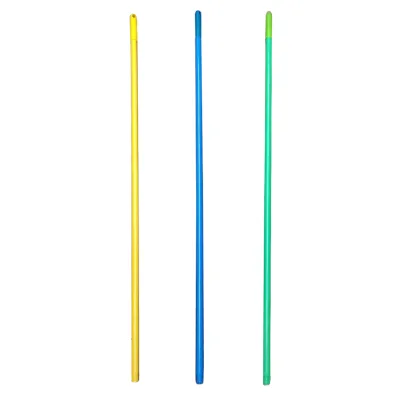
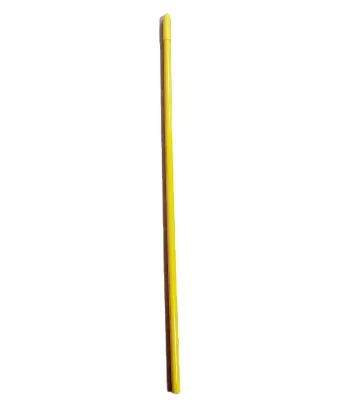
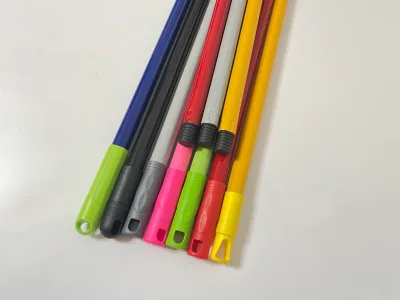
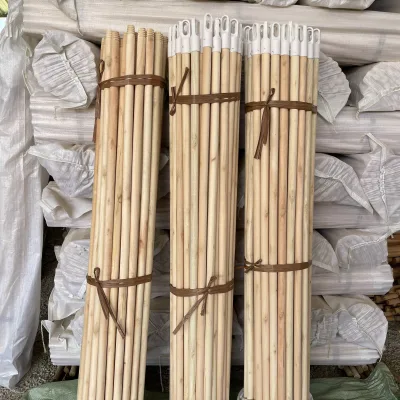
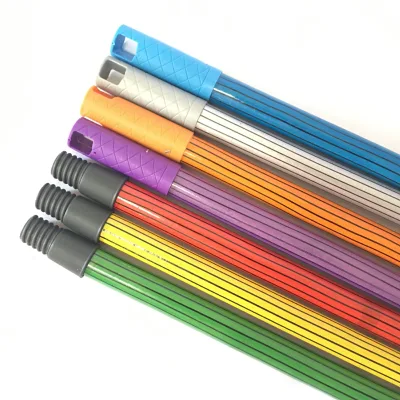
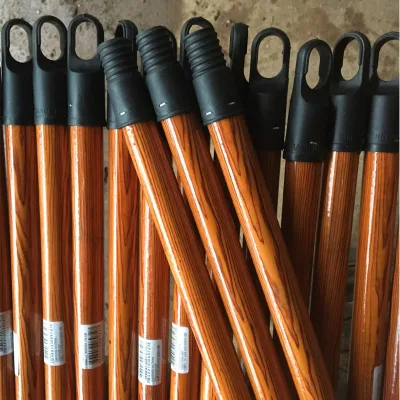
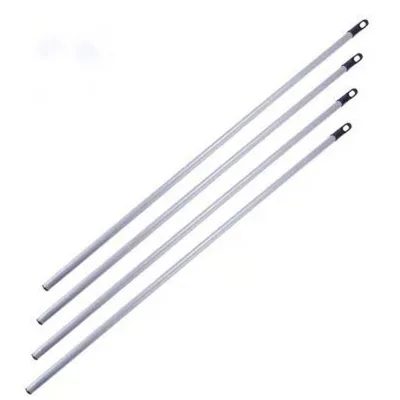
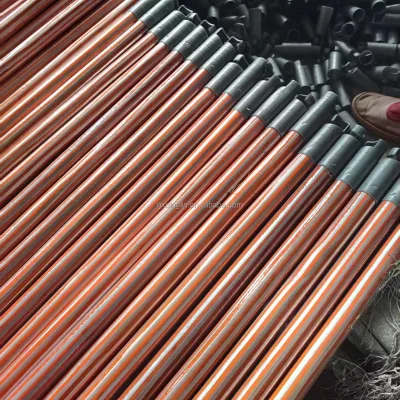
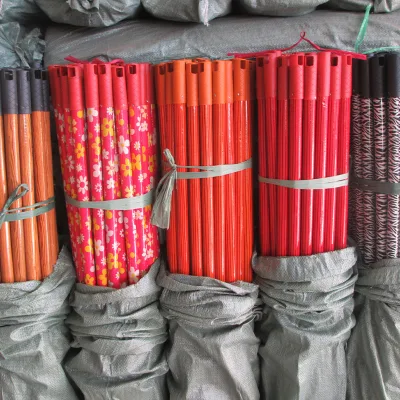
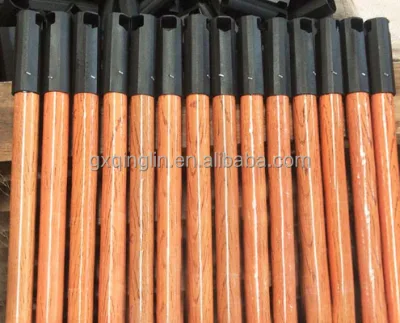
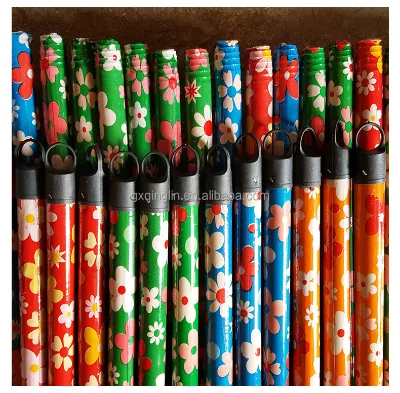
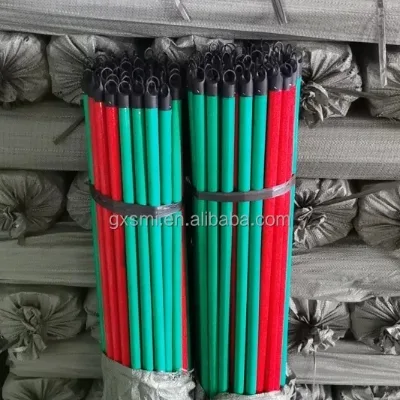
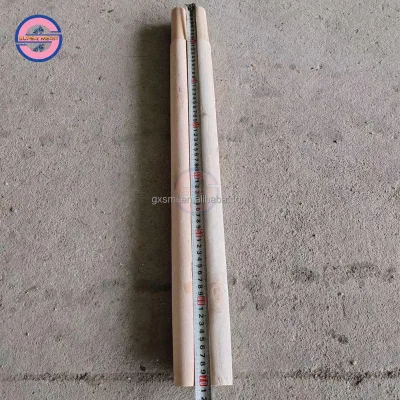
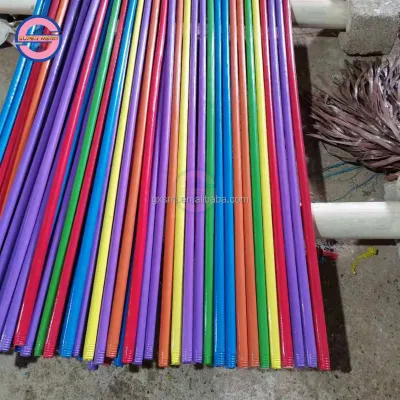
PVC Coated Wooden Broom Handle Broomstick for Cleaning Broom Cotton Mop
$0.11 - $0.13
MOQ: 50000 Pieces


PVC Coated Wooden Broomstick Dustpan and Brush Soft Broom Handle Broom Stick
$0.11 - $0.13
MOQ: 50000 Pieces


Comprehensive Sourcing Guide
Eco-Friendly PVC Pipe Broomstick Sourcing Guide
Sourcing cleaning tool components requires a nuanced understanding of material properties, manufacturing processes, and commercial terms that vary significantly across suppliers. The market for broomsticks and mop poles is fragmented, with offerings ranging from traditional wood to modern synthetic polymers. Buyers must navigate this landscape by distinguishing between generic commodity listings and specialized OEM/ODM capabilities. This guide provides a structured approach to evaluating suppliers, verifying technical specifications, and managing commercial risks associated with these essential household and industrial cleaning accessories.
The following sections detail the critical evaluation criteria for sourcing eco-friendly PVC pipe broomsticks and related cleaning tool components. By focusing on observed market signals, technical verification steps, and compliance requirements, procurement professionals can build a resilient supply chain. The guidance emphasizes evidence-based decision-making, ensuring that every sourcing action is grounded in verifiable data rather than marketing claims. This disciplined approach minimizes the risk of quality failures, regulatory non-compliance, and unexpected cost overruns.
Product Scope and Observed Listing Signals
The current market landscape for broomsticks and mop poles reveals a diverse array of materials and configurations, with significant variation in product attributes and supplier capabilities. Observed listings indicate a strong presence of microfiber mop heads paired with extensible handles, suggesting a trend toward modular cleaning systems. Suppliers frequently highlight customization options, including customized sizes and smooth surface finishes, which cater to specific brand requirements. The presence of multiple product models, such as PVC01 and F01, alongside specific dimensions like 120*2.2cm, demonstrates the importance of precise specification matching in this category.
Material composition is a critical differentiator, with listings showing a mix of wood, plastic, and PET materials. While some suppliers emphasize eucalyptus wood and eco-friendly features, others focus on plastic extrusion processes for durability and cost-efficiency. The observed price range of 0.09 to 2 USD reflects this diversity, with lower prices often associated with basic plastic components and higher prices linked to specialized materials or larger order volumes. Minimum Order Quantities (MOQs) vary widely from 5 to 50,000 pieces, indicating that suppliers cater to both small-scale testers and large-volume distributors. Buyers must carefully align their volume requirements with supplier capabilities to avoid excessive inventory costs or production delays.
Technical Specifications to Verify
Technical verification is paramount when sourcing broomsticks, as dimensional accuracy and material integrity directly impact product performance and assembly compatibility. Buyers should prioritize suppliers who provide detailed specifications for length, diameter, and wall thickness, as these parameters determine the structural strength and ergonomic feel of the final product. For instance, observed listings specify lengths ranging from 100 to 120 cm and diameters around 22-23 mm, which are standard for many broom handles. Verifying these dimensions against actual samples is essential to ensure that the components fit seamlessly with broom heads and dustpan attachments.
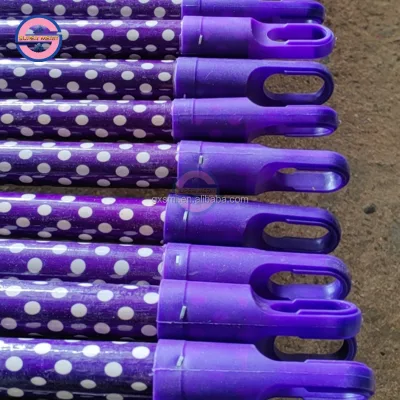
The manufacturing process also plays a crucial role in product quality, with extrusion being a common method for plastic broomsticks. Buyers should inquire about the specific extrusion techniques used, as well as the quality control measures in place to ensure consistent wall thickness and surface smoothness. Additionally, the type of screw connection, such as Italian, Mexican, or Greek screws, must be verified to ensure compatibility with existing broom head designs. Suppliers who offer OEM/ODM services and accept customized sizes provide greater flexibility, but buyers must ensure that these customizations do not compromise the structural integrity of the product.
Compliance and Safety Documentation
Compliance with safety and environmental standards is a non-negotiable aspect of sourcing cleaning tool components, particularly when marketing products as eco-friendly. Buyers must request documentation that verifies the material composition and manufacturing processes used by suppliers. While some listings mention eco-friendly features, buyers should seek specific certifications or test reports that substantiate these claims. For example, if a supplier claims their plastic broomsticks are made from recycled materials or are free from harmful chemicals, buyers should request relevant test data or certification documents to validate these assertions.
In addition to environmental compliance, safety standards related to mechanical strength and durability must be addressed. Buyers should ensure that suppliers adhere to relevant industry standards for broomsticks, which may include tests for tensile strength, impact resistance, and fatigue testing. Although specific standards were not explicitly listed in the observed data, buyers should proactively ask suppliers about their compliance with international safety regulations. This due diligence helps mitigate the risk of product failures in the field, which can lead to customer complaints, returns, and potential liability issues.
Cost Drivers and Commercial Terms
Understanding the cost drivers and commercial terms is essential for effective budgeting and negotiation in the sourcing of broomsticks. The observed price range of 0.09 to 2 USD is influenced by factors such as material costs, manufacturing complexity, and order volume. Plastic broomsticks, for instance, may have lower material costs compared to wood, but the extrusion process and quality control measures can add to the overall expense. Buyers should analyze the cost structure of different suppliers to identify opportunities for cost savings without compromising quality.
Commercial terms, including MOQs, payment terms, and lead times, also significantly impact the total cost of ownership. Suppliers with lower MOQs may charge higher unit prices, while those with higher MOQs may offer more competitive pricing. Buyers should negotiate terms that align with their inventory management strategies and cash flow requirements. Additionally, packaging options, such as woven bags or carton boxes, can affect shipping costs and storage efficiency. Understanding these variables allows buyers to make informed decisions that optimize both cost and operational efficiency.
Supplier Qualification and Quality Control
Supplier qualification is a critical step in ensuring a reliable and consistent supply of broomsticks and mop poles. Buyers should conduct thorough due diligence on potential suppliers, including site visits, audits, and assessments of their manufacturing capabilities. Suppliers who offer customization services and have experience with OEM/ODM projects are often better equipped to meet specific buyer requirements. However, buyers must verify that these suppliers have robust quality control systems in place to maintain consistency across production batches.
Quality control measures should include incoming material inspections, in-process checks, and final product testing. Buyers should request samples from different production batches to verify consistency in dimensions, color, and finish. Additionally, suppliers should provide clear documentation of their quality control processes, including any testing protocols and corrective action procedures. By establishing a strong partnership with qualified suppliers, buyers can minimize the risk of quality issues and ensure a steady supply of high-quality broomsticks.
Long-Term Procurement Checks
Long-term procurement success depends on continuous monitoring and evaluation of supplier performance and market trends. Buyers should establish key performance indicators (KPIs) to track supplier reliability, quality, and responsiveness. Regular reviews of supplier performance can help identify potential issues early and facilitate timely corrective actions. Additionally, buyers should stay informed about market trends, such as changes in material costs, regulatory requirements, and consumer preferences, to adapt their sourcing strategies accordingly.
Building a diversified supplier base can also mitigate risks associated with single-source dependencies. By engaging with multiple suppliers, buyers can ensure continuity of supply and leverage competition to secure better terms. Furthermore, fostering collaborative relationships with suppliers can lead to innovation and continuous improvement in product quality and cost efficiency. By implementing these long-term procurement checks, buyers can build a resilient and agile supply chain that supports their business objectives and adapts to changing market conditions.
FAQs
What materials are used for the broom stick poles?
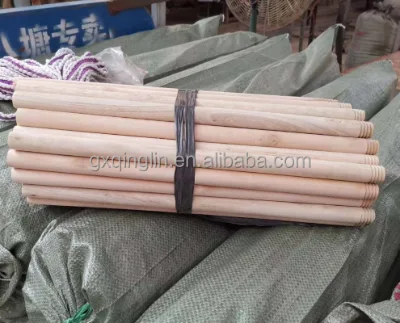
The broom stick poles are primarily made from wood, specifically eucalyptus wood, or plastic materials like PET. Some models feature microfiber mop heads attached to these poles. The specific material depends on the selected model and customization requirements.
Can I customize the size and dimensions of the broom?
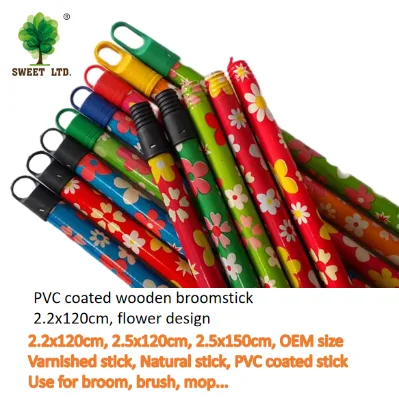
Yes, customization is available for the broom poles and sets. Standard sizes include 120 by 2.2 cm or 110 by 2.2 cm, but OEM sizes are accepted. You can request specific dimensions to meet your unique product standards and requirements.
What is the minimum order quantity for these products?
The minimum order quantity varies by product type, ranging from 5 units to 5000 units. Some specific models require a minimum of 2000 pieces, while others may start at 5000 pieces. The exact MOQ depends on the specific model and customization level.
How are the broom sets packed for shipment?
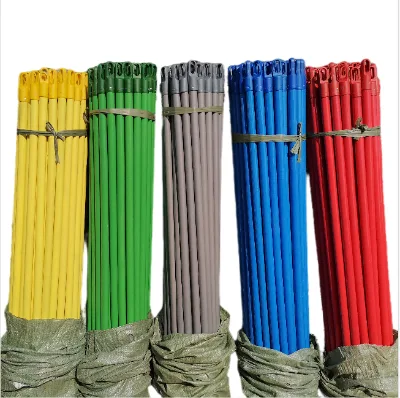
The products are packed in various configurations such as 36, 48, or 50 pieces per bag. Some items are packed in woven bags or carton boxes. The packing method is often customizable to suit your logistics and storage needs.
Are these broom sticks suitable for outdoor and hotel use?
Yes, these broom sticks are designed for usage in homes, gardens, outdoors, roads, and hotels. They are built to be durable and eco-friendly, making them versatile for various cleaning environments and heavy-duty applications.
What screw types are compatible with these broom handles?
The broom handles support various screw types including Italian, Mexico, and Greece screws. The specific screw type can be selected based on your regional standards or customer preferences. This ensures compatibility with different brush head designs.
Is the product origin and manufacturing location specified?
The products originate from China, specifically from the Guangdong region. The manufacturing process includes molding and extruding services. This location allows for efficient production and customization of the broom sticks and related cleaning tools.