Source Eco Friendly PVC Focal Beads for jewelry pen making crafts
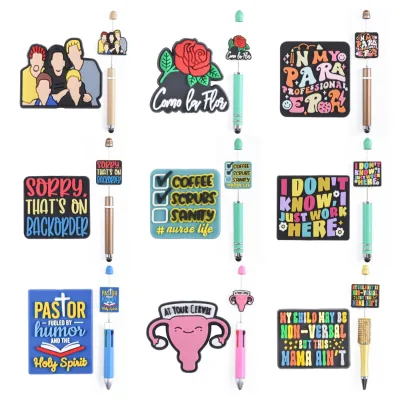
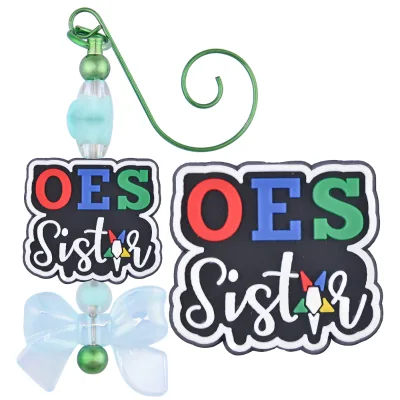
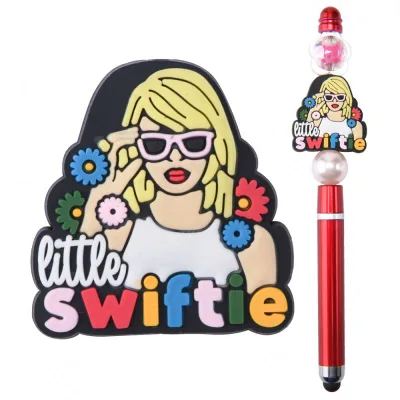
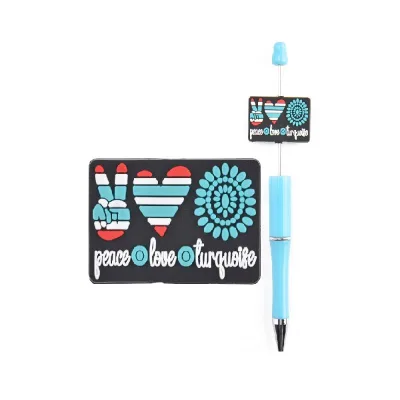
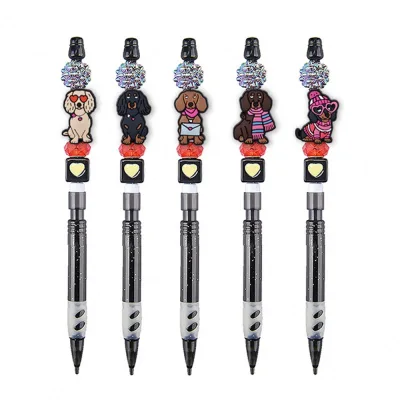
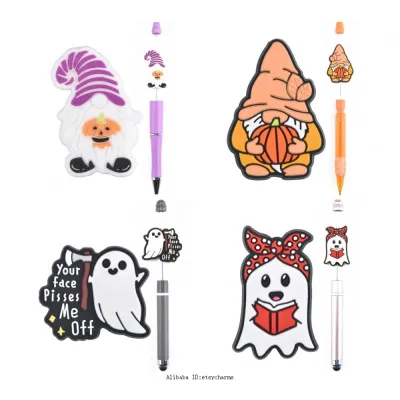
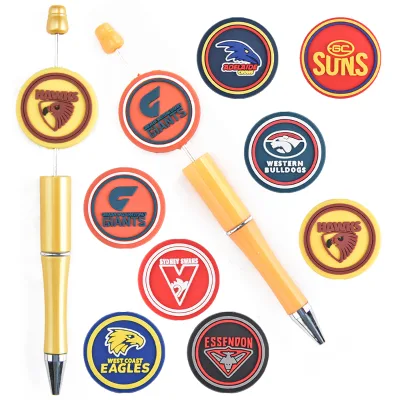
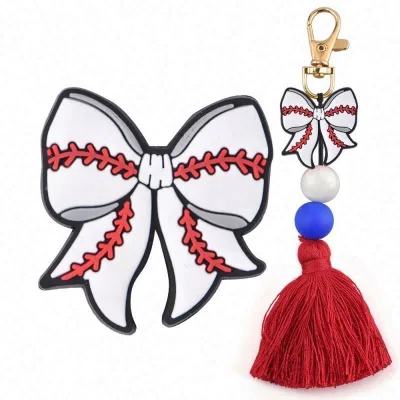
Compare 30 listings of Eco Friendly PVC Focal Beads suitable for jewelry making, pen charms, and DIY craft decorations. Buyers can review specifications like size, shape, and material options from suppliers in China.
Key considerations
Products List
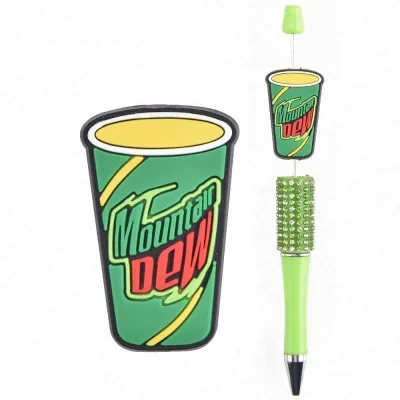
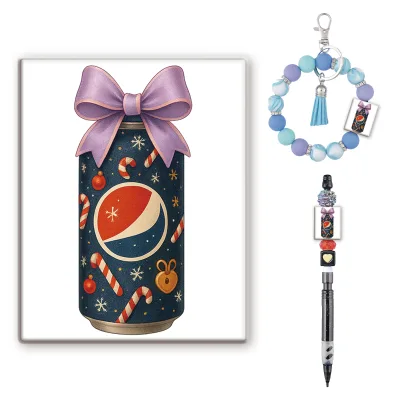


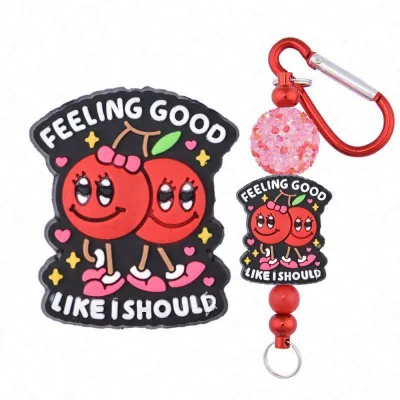
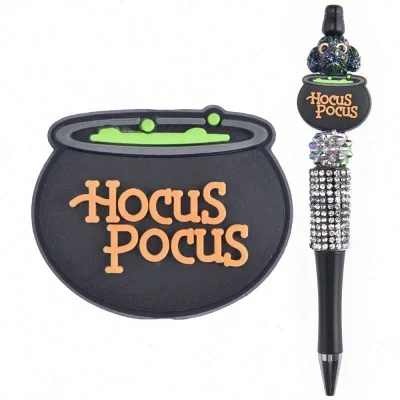
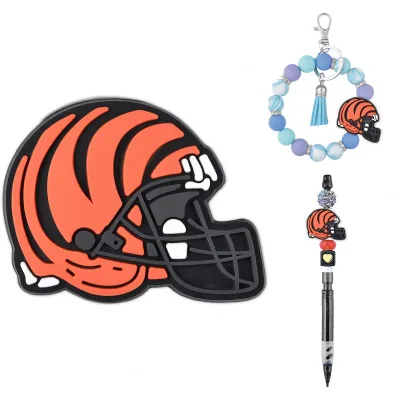
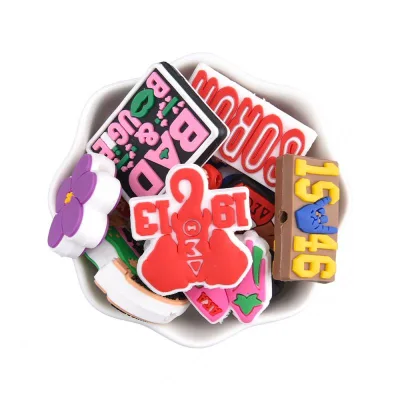
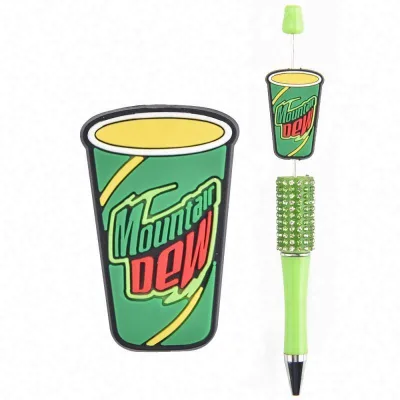


Comprehensive Sourcing Guide
Eco Friendly PVC Focal Beads Sourcing Guide
Sourcing eco-friendly PVC focal beads requires a nuanced understanding of material science, regulatory compliance, and supply chain transparency. These decorative components serve as central visual elements in jewelry making, pen customization, and various DIY craft projects. Buyers must navigate the distinction between standard PVC formulations and those marketed as environmentally friendly or food-grade, ensuring that marketing claims align with verifiable material safety data. The procurement process involves balancing aesthetic versatility with strict adherence to international safety standards, particularly when the end product involves direct skin contact or use by children.
This guide provides a structured approach to evaluating suppliers, verifying technical specifications, and managing commercial risks. By focusing on observable listing signals, precise technical verification, and robust quality control measures, procurement teams can mitigate the risks associated with non-compliant materials. The following sections detail the critical steps for sourcing high-quality, safe, and reliable focal beads, ensuring that the final products meet both functional requirements and regulatory obligations in target markets.
Product Scope and Observed Listing Signals
The market for PVC focal beads presents a wide array of options, ranging from simple round shapes to irregular, custom-designed forms. Observed listings indicate a diverse product scope, including items labeled as "pvc focal bead," "uv focal bead," and "silicone pvc focal bead." These variations suggest that suppliers may offer different material compositions or curing processes, such as UV-curable options, which can impact durability and finish. The presence of both PVC and silicone materials in the same category highlights the need for buyers to clearly specify their material requirements, as the properties and regulatory implications of each differ significantly.
Listing signals also reveal significant variability in customization capabilities and packaging standards. Suppliers frequently offer OEM and ODM services, allowing for custom logos, packaging, and colors, which is essential for brand differentiation. However, the observed data shows inconsistencies in packaging descriptions, with some items listed in polybags and cartons, while others mention OPP bags or specific batch packaging sizes. Buyers should treat these observations as indicators of supplier flexibility rather than standardized offerings, requiring explicit confirmation of packaging details to ensure product protection and logistical efficiency during transit.
Technical Specifications to Verify
Verifying technical specifications is critical to ensuring that the focal beads meet the functional requirements of the end product. Key attributes to confirm include material composition, size, weight, and shape. While some listings claim "food grade" or "eco-friendly" properties, these terms must be backed by specific material certifications and test reports. Buyers should request detailed specifications for each batch, including exact dimensions (e.g., 1.2 cm, 1.5 cm, or 1.9 cm) and weight variations, as these factors influence the final product's balance and aesthetic appeal. Inconsistent sizing can lead to assembly issues in jewelry or pen making, so tight tolerances should be a priority.
Shape and structural integrity are also vital technical considerations. Listings show a mix of round and irregular shapes, with some items described as having a "free" diameter, which implies variability. Buyers must establish clear acceptance criteria for shape consistency and surface finish. Additionally, the use of UV-curable materials may offer specific advantages in terms of curing time and durability, but this requires verification of the curing process and equipment compatibility. Confirming the single package weight and gross weight per batch is essential for accurate freight cost calculations and inventory management, ensuring that logistical planning aligns with actual product density.
Compliance and Safety Documentation
Compliance with safety regulations is non-negotiable when sourcing PVC-based products, especially those intended for jewelry or children's toys. Buyers must request comprehensive documentation, including Material Safety Data Sheets (MSDS) and test reports from accredited laboratories. These documents should verify the absence of harmful substances such as phthalates, heavy metals, and other restricted chemicals. The term "eco-friendly" is often used in marketing but lacks a universal legal definition; therefore, buyers should seek specific certifications or compliance statements that align with the regulations of their target markets, such as REACH in Europe or CPSIA in the United States.
Food-grade claims, if present, require rigorous verification. While some listings mention "food grade" properties, this designation typically applies to materials that come into direct contact with food, which may not be relevant for all jewelry applications. However, if the focal beads are intended for use in items that may be mouthed by children, such as certain pen charms or toys, food-grade compliance becomes critical. Buyers should clarify the intended use with the supplier and request specific test results for migration limits and toxicological safety. Relying on generic "eco-friendly" labels without supporting documentation poses significant legal and reputational risks.
Cost Drivers and Commercial Terms
Understanding the cost drivers for PVC focal beads involves analyzing material costs, customization requirements, and order volumes. The observed price range is broad, reflecting differences in material quality, design complexity, and supplier location. Customization, such as logo printing or unique packaging, typically incurs additional setup fees and may increase the minimum order quantity (MOQ). Buyers should evaluate the total cost of ownership, including shipping, duties, and potential rework costs due to quality issues, rather than focusing solely on the unit price.
Commercial terms, including MOQ and lead times, vary significantly among suppliers. Some listings indicate an MOQ of just one piece, catering to small-scale buyers, while others require orders of 1000 pieces or more. Lead times are often listed as "confirmed," but this should be interpreted as a variable rather than a fixed duration. Buyers must negotiate clear delivery schedules and penalty clauses for delays. Additionally, payment terms and return policies should be explicitly defined in the contract to protect against non-conforming goods. Understanding these commercial dynamics allows for better budgeting and risk management.
Supplier Qualification and Quality Control
Supplier qualification is a multi-step process that begins with verifying the company's legal status and manufacturing capabilities. Buyers should conduct due diligence on the supplier's background, including their place of origin, brand history, and production capacity. The observed data indicates that many suppliers are located in China, particularly in Fujian, which is a known hub for plastic and craft product manufacturing. However, location alone does not guarantee quality; buyers must assess the supplier's quality management systems and their ability to maintain consistent production standards.
Quality control measures should be established before placing large orders. This includes defining clear acceptance criteria for color, shape, and material integrity. Buyers should request pre-production samples and conduct thorough inspections upon receipt. Implementing a third-party inspection service for initial orders can help identify potential quality issues early. Additionally, establishing a clear communication channel for addressing defects and returns is essential. Regular audits and performance reviews of suppliers can help maintain high standards and foster long-term partnerships with reliable manufacturers.
Long-Term Procurement Checks
Long-term procurement success depends on continuous monitoring of supplier performance and market trends. Buyers should regularly review supplier compliance with safety regulations, as standards evolve over time. Keeping abreast of changes in environmental regulations and material science can help identify new opportunities for more sustainable or innovative products. Building a diversified supplier base can mitigate risks associated with single-source dependencies, ensuring continuity of supply even if one supplier faces disruptions.
Feedback loops with end-users and internal stakeholders are crucial for refining procurement strategies. Collecting data on product performance, customer satisfaction, and any safety incidents can inform future purchasing decisions. Regularly updating the supplier qualification criteria and quality control protocols ensures that the procurement process remains robust and responsive to changing market conditions. By maintaining a proactive approach to supplier management and compliance, buyers can secure a steady supply of high-quality, eco-friendly PVC focal beads that meet their business and regulatory needs.
FAQs
What materials are used for these focal beads?
The focal beads are primarily made from PVC and silicone materials. Some listings specify loose beads material as silicone and PVC, ensuring they are suitable for various crafting applications like pen making and jewelry.
Can I customize the logo and packaging for these beads?
Yes, customization is available for logos, packaging, and colors. The product attributes indicate that OEM and ODM services are welcome, allowing buyers to request specific branding on the pen charms or focal beads.
What is the minimum order quantity for these beads?
The minimum order quantity varies by supplier, ranging from 1 piece to 1000 pieces. Some listings show an MOQ of 10 pieces or 1000 pieces, so buyers should check specific vendor requirements before placing an order.
Where are these Eco Friendly PVC Focal Beads manufactured?
These beads are manufactured in China, with specific origins noted in Fujian. The product facts confirm the place of origin as China, indicating the regional source for these DIY craft decoration items.
What sizes are available for the PVC focal beads?
Available sizes include 1.2 cm, 1.5 cm, 1.9 cm, and 22 mm diameters. Specific model numbers like focal beads and uv focal bead list dimensions such as 3X3X1 cm or 2X2X1 cm for single packages.
Are these beads suitable for making pen charms?
Yes, these beads are explicitly designed for use as pen charms and pen beads. The product usage section confirms they are intended for jewelry making and pen making, serving as focal points for DIY projects.