Source Electric Cargo Ice Cream Tricycle for Vending
Find 30 Electric Cargo Ice Cream Tricycle options for mobile food vending. Compare stainless steel carts with CE and DOT certifications. These semi-automatic units support popcorn, candy, and fast food sales with customizable designs and online support; compare the available evidence and request quotations based on your requirements.
Key considerations
Products List


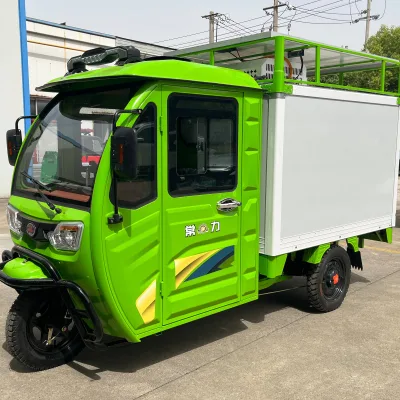


Multi-Function Ice Cream Carts Food BBQ Electric Food Cart Tricycle for Sale
$2400.00 - $2650.00
MOQ: 1 Pieces


Comprehensive Sourcing Guide
Electric Cargo Ice Cream Tricycle Sourcing Guide
Sourcing an Electric Cargo Ice Cream Tricycle requires balancing mobility, storage capacity, and regulatory compliance for street-level vending. These vehicles serve as mobile kitchens, combining a three-wheeled chassis with specialized food preparation and display units. Buyers must evaluate the integration of refrigeration systems, power management, and structural durability to ensure operational efficiency in high-traffic urban environments. The choice between manual and semi-automatic configurations significantly impacts labor requirements and throughput, making it a critical initial decision point for procurement teams.
The market offers diverse configurations, ranging from compact units for narrow sidewalks to larger models capable of handling high-volume sales of ice cream, snacks, and beverages. Key attributes such as wheelbase width, overall dimensions, and material composition directly influence maneuverability and customer accessibility. Procurement specialists should prioritize vehicles that offer customization options for branding and functional layout, ensuring the final product aligns with specific business models and local zoning regulations. Understanding these variables is essential for selecting a unit that maximizes revenue potential while minimizing operational friction.
Product Scope and Observed Listing Signals
Market listings for electric cargo ice cream tricycles reveal a wide spectrum of specifications, with observed prices ranging from $320 to $5,255 USD. This variance reflects differences in material quality, automation levels, and included features such as refrigeration or cooking equipment. The minimum order quantity (MOQ) typically spans from 1 to 30 units, indicating flexibility for both individual vendors and small fleet operators. Buyers should carefully correlate price points with the listed weight and dimensions, as heavier units often imply more robust construction and higher capacity, which may justify higher initial investment for long-term durability.
Observed product names include "Street Food Vending Cart," "Bike Food Cart," and "Food on Wheels Bike," highlighting the versatile nature of these assets. Applications extend beyond ice cream to include popcorn, chocolate, candy, donuts, biscuits, chips, and fast food items. Listings frequently emphasize high productivity and portability, with some models described as "Portable Bike Kitchens." The presence of customization options for logos and colors suggests that branding is a significant value driver. Procurement teams should verify that the specific model selected supports the intended product mix, as some units are optimized for cold storage while others accommodate hot food preparation.
Technical Specifications to Verify
Technical verification begins with assessing the physical dimensions and weight of the tricycle, which directly impact storage and transportation logistics. Observed standard sizes include 2400x750x2100mm, 2500x750x2100mm, and 2300x850x2100mm, with package sizes varying accordingly. Weights range from 120kg to 340kg, indicating substantial structural mass that may require specific handling equipment for delivery. Buyers must confirm the wheel distance, with 800mm being a common specification, as this affects stability and turning radius. Ensuring the machine size matches the intended operational space is crucial for avoiding logistical bottlenecks during deployment.
The automation grade is another critical technical factor, with options ranging from manual to semi-automatic systems. Manual units may offer greater simplicity and lower maintenance costs, while semi-automatic models can enhance throughput for high-demand locations. Material composition is predominantly stainless steel plate or cold metal plate, providing durability and hygiene standards essential for food service. Buyers should also verify the packaging dimensions, such as 2700x980x1040mm or 2800x1050x1160mm, to ensure compatibility with shipping containers and warehouse storage. Confirming these specifications prevents unexpected costs related to oversized freight or inadequate storage solutions.
Compliance and Safety Documentation
Regulatory compliance is paramount for electric cargo tricycles, particularly regarding roadworthiness and electrical safety. Listings frequently cite certifications such as CE, DOT, CCC, and ISO standards, including ISO/Ts16949. Buyers must verify which certifications apply to their specific target market, as CE is essential for European Union compliance, while DOT and CCC are relevant for other regions. The presence of these certifications indicates that the manufacturer has undergone testing for electrical safety, structural integrity, and emissions. Procurement teams should request valid certification documents to ensure that the imported units meet local legal requirements for operation on public streets.
Safety documentation should also include detailed operational manuals and maintenance guidelines, particularly for semi-automatic components. Video outgoing inspections are provided by some suppliers, offering a visual verification of the unit’s condition before shipment. This service helps mitigate the risk of receiving damaged or non-conforming goods. Buyers should ensure that the supplier provides comprehensive documentation for all electrical systems, including battery specifications and charging protocols. Proper documentation not only aids in regulatory compliance but also facilitates smoother customs clearance and reduces the risk of shipment delays due to missing paperwork.
Cost Drivers and Commercial Terms
Cost drivers for electric cargo ice cream tricycles include material quality, automation level, and customization requirements. Stainless steel construction and semi-automatic features typically command higher prices, reflecting increased manufacturing complexity and durability. The observed price range of $320 to $5,255 USD underscores the importance of aligning budget with functional needs. Buyers should consider the total cost of ownership, including maintenance, energy consumption, and potential repairs, rather than focusing solely on the initial purchase price. Customization options, such as logo printing and color selection, may incur additional fees but can enhance brand visibility and customer engagement.
Commercial terms should be clearly defined, including payment methods, shipping responsibilities, and warranty coverage. The use of wooden case packaging suggests careful handling is required to prevent damage during transit. Buyers should negotiate terms that include after-sales support, such as online assistance, to address technical issues promptly. Lead times and production schedules should be confirmed to ensure timely delivery, especially for seasonal businesses. Understanding the full scope of commercial terms helps avoid hidden costs and ensures a smooth procurement process, from order placement to final deployment.
Supplier Qualification and Quality Control
Supplier qualification involves assessing the manufacturer’s reputation, production capacity, and quality control processes. Buyers should prioritize suppliers who provide video outgoing inspections, as this demonstrates a commitment to transparency and product integrity. The origin of the products, often China, should be verified for consistency in manufacturing standards. Suppliers with established track records in producing food vending carts are more likely to deliver reliable products that meet hygiene and durability requirements. Due diligence in supplier selection reduces the risk of receiving substandard equipment that could compromise business operations.
Quality control measures should include rigorous testing of electrical systems, structural components, and refrigeration units. Buyers should request detailed inspection reports or third-party verification if available. The availability of online support services indicates that the supplier is prepared to assist with post-purchase issues, which is crucial for maintaining operational continuity. Establishing a clear communication channel with the supplier ensures that any discrepancies or defects are addressed promptly. A robust quality control framework not only protects the buyer’s investment but also enhances the long-term reliability of the electric cargo tricycle in daily use.
Long-Term Procurement Checks
Long-term procurement success depends on establishing a framework for ongoing supplier evaluation and product performance monitoring. Buyers should regularly review supplier responsiveness, delivery consistency, and after-sales support quality. Tracking the performance of deployed units, including maintenance frequency and repair costs, provides valuable data for future purchasing decisions. This data-driven approach helps identify reliable suppliers and optimal product configurations for specific market conditions. Continuous feedback loops between operations and procurement teams ensure that the fleet remains aligned with evolving business needs and customer expectations.
Additionally, buyers should stay informed about regulatory changes and technological advancements in the electric vehicle and food vending sectors. Adapting to new standards or features can provide a competitive advantage and ensure compliance with emerging laws. Building strong relationships with suppliers can lead to better pricing, priority production, and access to new product lines. Regular audits of the supply chain and product quality help maintain high standards and mitigate risks. By focusing on long-term partnerships and strategic procurement practices, businesses can maximize the value and longevity of their Electric Cargo Ice Cream Tricycle fleets.
FAQs
What certifications do Electric Cargo Ice Cream Tricycle models typically carry?
Listed models carry CE certification, and many also carry DOT, CCC, ISO, or ISO/Ts16949 certification depending on the configuration. Certification varies by model, so buyers should confirm which certificates apply to the specific unit they intend to order. Requesting certificate copies before placing an order helps verify that the documentation matches the tricycle specification being quoted.
Can the tricycle body and branding be customized for my business?
Yes, customization is available on listed models. Buyers can typically adjust color, logo, and body layout, and stainless steel plate or cold plate material options are offered. Because each build is configured to order, customization can affect pricing and lead time, so it is best to share your branding and equipment requirements with the supplier before requesting a final quotation.
What sizes and weights do these food vending tricycles come in?
Listed models span several sizes, including 2300*850*2100mm, 2400*750*2100mm, 2500*750*2100mm, and 2700*950*2100mm. Weight also varies, with documented units ranging from about 120kg to 340kg. Larger and heavier builds generally offer more counter and storage space, so choose dimensions based on your vending menu and the cargo capacity you need for daily operation.
Which food and beverage applications are these tricycles suited for?
Listed applications include ice cream, drinks, candy, fast food, pizza, popcorn, chocolate, donuts, biscuits, and chips. Units are described as semi-automatic or manual, and usage ranges from passenger to cargo configurations. Before ordering, match the interior layout and equipment to your product type, since an ice cream setup differs from a hot snack vending arrangement.
How are the tricycles packed and shipped after purchase?
Listed products are packed in wooden cases, with documented package sizes such as 2800*1050*1160mm and 2580*1050*1250mm. Packaging dimensions exceed the assembled body size, so confirm the package dimensions against your shipping plan and unloading facilities. Buyers should also clarify whether online support is included after delivery and confirm inspection arrangements, as video outgoing-inspection is provided on listed units.
What should I confirm about MOQ and pricing before ordering?
Observed listings show MOQ starting from a single unit and going up to around 30 units, with prices ranging from roughly 320 to 5255 US dollars. The wide range reflects differences in size, weight, equipment, and customization level. Request a quotation tied to your exact specification and quantity, since custom logos, colors, and layouts change the final unit price and order terms.