Source Electric Catamaran with Bimini Top for Runabout, Sport Fisherman, and Lakes
Find an Electric Catamaran with Bimini Top from 30 verified listings. Compare aluminum hull specs, motor sizes, and customization options for runabouts, sport fishing, and lake use.
Key considerations
Products List


21FT 6.4m CE Certified Recreational Electric Speed Catamaran for Lake / River
$13900.00 - $14900.00
MOQ: 1 Pieces

China New Best Luxury 5.2m 17FT Electric Catamaran Pontoon Yacht Boat for Sale
$8000.00 - $9000.00
MOQ: 1 Pieces
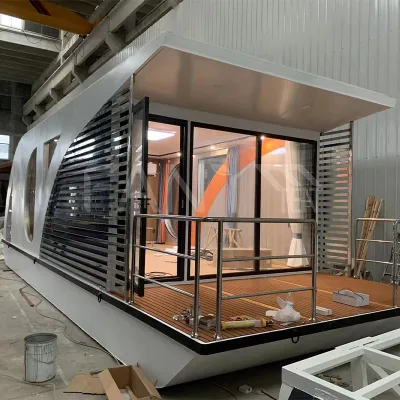


China New Best Luxury Electric Catamaran Pontoon Yacht Boat for Sale
$13280.00 - $14280.00
MOQ: 1 Pieces


Allhouse 5.8m Luxury Electric Motor Catamaran Pontoon Boat for Sale
$11880.00 - $12880.00
MOQ: 1 Pieces


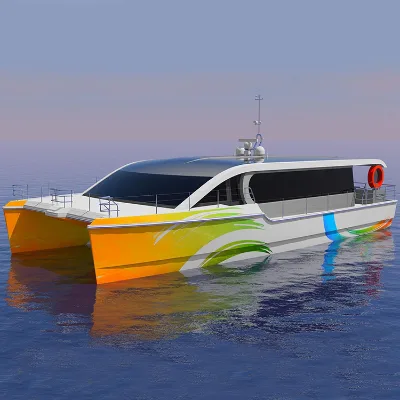

120FT Sail Catamaran Superyacht Mega-Yacht Mega-Catamaran Aluminum Sail Catamaran
$11990000.00 - $13990000.00
MOQ: 1 Pieces

$12000000.00 - $14000000.00
MOQ: 1 Pieces

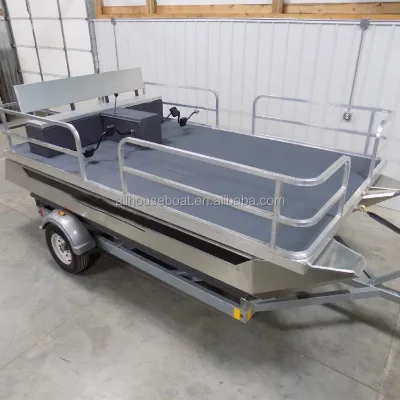


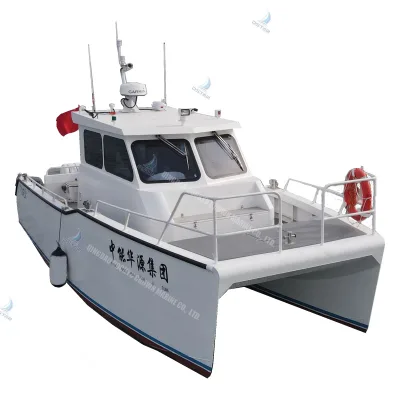
Comprehensive Sourcing Guide
Electric Catamaran with Bimini Top Sourcing Guide
Sourcing a specialized watercraft such as an electric catamaran equipped with a bimini top requires a nuanced understanding of both marine engineering and commercial procurement dynamics. While the supplied product data highlights a diverse range of aluminum and alloy steel vessels, including runabouts, sport fishermen, and luxury yachts, buyers must carefully distinguish between general aluminum boat listings and specific electric propulsion configurations. The presence of bimini tops is noted in the attribute data for certain models, indicating a market segment focused on sun protection and open-air comfort, yet the explicit mention of "electric" propulsion is not directly confirmed in the provided specifications, which list gasoline as a fuel type for some units. Therefore, the primary challenge for the buyer is to verify the powertrain configuration independently, ensuring that the vessel meets the specific environmental and operational requirements of electric drive systems rather than assuming all listed catamarans are electric.
The procurement process for these vessels involves navigating a wide spectrum of sizes and configurations, from compact 15-foot models to larger 30-foot and even 19-meter luxury yachts. The observed product range includes models with varying hull materials, such as 5052 and 5083 aluminum alloys, which are critical for corrosion resistance and structural integrity in marine environments. Buyers must recognize that the term "catamaran" in the keyword may refer to different structural designs, including rigid hulls or inflatable tube configurations, as indicated by attributes like "Two Tubes / Three Tubes" and "Not Inflatable." This distinction is vital for determining stability, draft, and suitability for specific water bodies, such as lakes, rivers, or coastal areas, which are mentioned as common occasions for use.
Product Scope and Observed Listing Signals
The market signals indicate a broad inventory of aluminum boats with customizable features, including length, color, and layout. Listings show lengths ranging from 6-10.5 meters up to 19 meters, with specific models like the DS9.8 and DS19 highlighting dimensions that suggest versatility for both recreational and commercial use. The presence of "Customized" attributes and "Available" customization options suggests that suppliers are flexible in tailoring vessels to specific buyer needs, such as adjusting the bimini top configuration or modifying the deck layout. However, buyers should be cautious when interpreting these signals, as the data also includes models with gasoline engines, meaning that not every listing with a bimini top or catamaran design will support electric propulsion without significant modification or separate verification.
Observed price ranges vary significantly, from approximately $35.75 to $14,000,000, reflecting the disparity between small, simple inflatable-style catamarans and large, luxury yacht-class vessels. This wide range underscores the importance of defining precise requirements before engaging with suppliers, as the cost implications of electric motor integration, battery capacity, and hull construction materials can drastically alter the final price. The minimum order quantity (MOQ) is consistently listed as 1, indicating that suppliers are willing to accommodate single-unit purchases, which is beneficial for small operators or individual buyers. Nevertheless, the variability in product models, such as the PB and P21 series, suggests that buyers must clearly specify their desired size and configuration to avoid receiving quotes for unrelated vessel types.
Technical Specifications to Verify
When evaluating technical specifications, the hull material is a critical factor, with 5052 and 5083 aluminum alloys being prominent in the data. These alloys are known for their high strength-to-weight ratio and excellent corrosion resistance, making them suitable for marine applications. Buyers should verify the specific alloy grade and thickness to ensure durability, especially for vessels intended for frequent use in saltwater environments. Additionally, the breadth and depth molded dimensions, such as 3.25m breadth and 1.10m depth for certain models, provide insight into the vessel's stability and interior space. For electric catamarans, the weight of the battery system must be carefully considered in relation to these dimensions to maintain optimal draft and performance.
The propulsion system requires explicit confirmation, as the supplied data lists gasoline as a fuel type for some models. Buyers must specifically inquire about electric motor options, including horsepower ratings, battery capacity, and charging infrastructure compatibility. The bimini top, mentioned as a single or double configuration, should be evaluated for its material durability and ease of installation, particularly if the vessel is intended for extended periods in direct sunlight. Furthermore, the deck material, which can be plywood or aluminum, and the floor options, such as seagrass or EVA, impact the overall weight and maintenance requirements. Buyers should request detailed technical drawings to verify the integration of electric components within the hull structure, ensuring that there is adequate space for batteries and that weight distribution is balanced for safe operation.
Compliance and Safety Documentation
Compliance with marine safety standards is paramount, and the CE certification is noted in the product attributes, indicating that certain vessels meet European safety and environmental requirements. Buyers should verify that the CE marking applies specifically to the electric propulsion system and the overall vessel construction, as certifications can sometimes be limited to specific components. For vessels intended for international trade or operation in different jurisdictions, additional certifications such as ISO standards or local maritime authority approvals may be necessary. The warranty period of 3 years for some models provides a level of assurance regarding build quality, but buyers should clarify whether this warranty covers electric components, such as motors and batteries, which often have different warranty terms than the hull.
Safety documentation should include detailed manuals for the bimini top installation and maintenance, as well as guidelines for the safe operation of electric systems. Buyers must ensure that the supplier provides comprehensive documentation on electrical safety, including wiring diagrams, circuit protection specifications, and emergency shutdown procedures. The passenger capacity, listed as greater than 30 people for some models, suggests that larger vessels are designed for commercial or group use, which may require additional safety equipment and compliance with passenger vessel regulations. It is essential to verify that the vessel's design, including the bimini top's structural integrity, does not compromise stability or safety margins, especially in rough water conditions.
Cost Drivers and Commercial Terms
The cost of an electric catamaran with a bimini top is influenced by several factors, including hull material, size, and the complexity of the electric propulsion system. Aluminum alloys like 5052 and 5083 are more expensive than standard steel but offer superior longevity and reduced maintenance costs. The size of the vessel, ranging from 15 to 30 feet or larger, directly impacts material costs and manufacturing time. Buyers should also consider the cost of customization, as options for layout, logo, and brand customization may incur additional fees. The bimini top itself, whether single or double, adds to the overall cost, and the quality of materials used for the canopy and frame will affect both price and durability.
Commercial terms, such as payment methods and shipping arrangements, vary among suppliers. The observed packing method of "by Container" suggests that smaller vessels may be shipped in containers, which can reduce shipping costs and protect the vessel during transit. For larger vessels, roll-on/roll-off (RoRo) shipping might be more appropriate. Buyers should negotiate clear terms regarding delivery times, as lead times can vary based on customization requirements and production schedules. It is also important to clarify who is responsible for import duties, taxes, and insurance, as these costs can significantly impact the total landed cost of the vessel.
Supplier Qualification and Quality Control
Supplier qualification is a critical step in the procurement process, requiring verification of manufacturing capabilities and quality control procedures. Buyers should assess the supplier's experience in producing aluminum catamarans and their ability to integrate electric propulsion systems. The presence of welding workmanship as a specified attribute indicates that the hulls are constructed using welding techniques, which require skilled labor and precise quality control to ensure structural integrity. Buyers should request evidence of past projects, including photos or videos of completed vessels, to verify the supplier's craftsmanship and attention to detail.
Quality control measures should include inspections at various stages of production, from raw material receipt to final assembly. Buyers should inquire about the testing procedures for the bimini top, ensuring that it is securely attached and resistant to wind and water damage. For electric components, suppliers should provide test reports for motors, batteries, and electrical systems to verify performance and safety. It is advisable to conduct a pre-shipment inspection to ensure that the vessel meets all specified requirements, including dimensions, materials, and equipment installation. Establishing a clear communication channel with the supplier for addressing any issues during production can help prevent delays and ensure a satisfactory outcome.
Long-Term Procurement Checks
Long-term procurement success depends on establishing a reliable supply chain and maintaining ongoing relationships with suppliers. Buyers should monitor supplier performance over time, tracking metrics such as delivery times, product quality, and responsiveness to issues. Regular communication with the supplier can help identify potential problems early and ensure that any changes in regulations or standards are addressed promptly. For electric catamarans, staying informed about advancements in battery technology and electric motor efficiency can help buyers make informed decisions about future purchases or upgrades.
Maintenance and support are also critical for long-term satisfaction. Buyers should ensure that the supplier provides adequate after-sales support, including access to spare parts and technical assistance. The bimini top, being an exposed component, may require periodic replacement or repair, so having a clear process for obtaining these services is essential. Additionally, buyers should consider the lifecycle costs of the vessel, including energy consumption, battery replacement, and routine maintenance, to ensure that the total cost of ownership remains competitive. By focusing on these long-term factors, buyers can maximize the value and utility of their electric catamaran with a bimini top.
FAQs
Can I get a customized Electric Catamaran with Bimini Top?
Yes, customization is available for this product line. Buyers can request specific layouts, logos, and branding options to match their operational needs while maintaining the standard aluminum hull construction.
What is the maximum length available for these boats?
The maximum length observed is 19 meters for the ds19 model. Other models range from 6 to 10.5 meters, offering flexibility for different water conditions and passenger capacities up to over 30 people.
Which certifications do these aluminum boats hold?
These vessels hold CE certification, ensuring compliance with relevant safety standards. This certification applies to the aluminum hull construction and general manufacturing processes used in the production of these runabout and sport fisherman boats.
How is the floor constructed on these catamarans?
The floor options include seagrass or EVA materials depending on the specific model configuration. Some units feature plywood or aluminum decks, providing durable surfaces suitable for lakes, rivers, and sport fishing activities.
What warranty is provided for the new aluminum boats?
A three-year warranty is provided for these new condition vessels. This coverage applies to the manufacturing quality and structural integrity of the aluminum alloy steel hulls and associated components like the bimini tops.
Can the boat be shipped in a container?
Yes, the product packing method involves shipping by container for standard models. This ensures safe transport of the aluminum boats, which are designed to be unfolded and ready for immediate use upon arrival.