Source Electric Motorcycle Housing for Scooters, E-bikes, and Bikes
Find and compare 30 Electric Motorcycle Housing options for scooters, e-bikes, and motorcycles. Review specifications like 12V voltage and standard sizes to identify suitable components for your assembly needs.
Key considerations
Products List






Comprehensive Sourcing Guide
Electric Motorcycle Housing Sourcing Guide
Sourcing components for electric motorcycles requires a disciplined approach to verifying supplier capabilities, technical specifications, and compliance documentation. While the provided product data highlights specific items such as motorcycle clutches, transmissions, and electrical components like 12V motors, the core keyword "Electric Motorcycle Housing" refers to the structural enclosures that protect internal systems. Buyers must distinguish between the specific parts listed in supplier catalogs and the broader category of housing units, ensuring that procurement strategies address both the visible component listings and the underlying structural requirements of the vehicle.
This guide provides evidence-based procurement advice for sourcing electric motorcycle components, with a specific focus on the structural and electrical integration points relevant to housing assemblies. By analyzing observed listing signals, technical verification steps, and commercial terms, buyers can mitigate risks associated with mismatched specifications, inadequate quality control, and non-compliant materials. The following sections detail how to navigate the complexities of sourcing these critical vehicle parts from manufacturers, primarily located in China, while maintaining strict adherence to safety and performance standards.
Product Scope and Observed Listing Signals
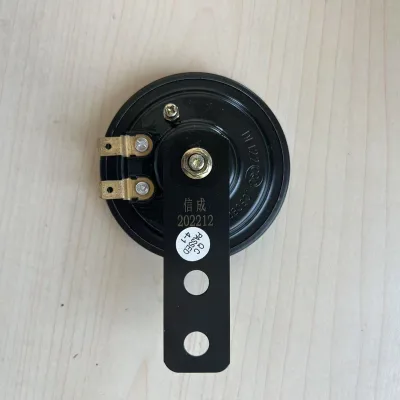
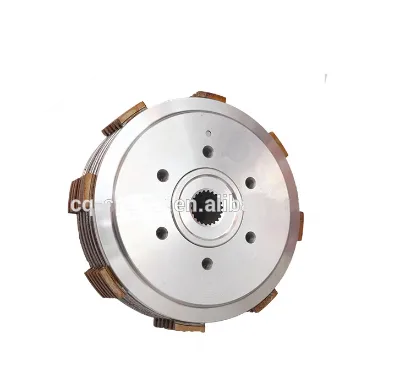
The observed product listings reveal a diverse range of motorcycle components, including clutch systems, transmissions, and electrical motors, which are integral to the overall assembly of an electric motorcycle. Specific models such as the HZX-SP-009, KLN-SP-005, and various engine displacement models like CG200, LF175, and CBF150 indicate a supplier capability in manufacturing internal mechanical and electrical systems. For Electric Motorcycle Housing, buyers should look for suppliers who demonstrate expertise in these adjacent components, as the housing must seamlessly integrate with clutches, transmissions, and 12V electrical systems. The presence of items fitting e-bikes, electric bicycles, and scooters suggests that some suppliers may offer modular housing solutions suitable for smaller electric two-wheelers.
Observed listing signals also highlight the importance of customization and OEM services in the current market. Attributes such as "Customization: Available" and "OEM: Custom Service" indicate that suppliers are willing to tailor products to specific design requirements, which is crucial for housing units that must fit unique chassis geometries. Additionally, the variety of packing methods, from standard cartons to kraft paper cartons with color inner boxes, suggests that suppliers are attentive to product protection during transit. Buyers should verify if these packaging standards apply to fragile housing components, ensuring that the structural integrity of the housing is maintained from the factory to the final destination.
Technical Specifications to Verify
When evaluating Electric Motorcycle Housing, buyers must verify the material composition, dimensional accuracy, and compatibility with internal components. The provided data mentions specific standards such as EM50, EM80, EM100, and EM150, which may relate to mounting interfaces or electrical enclosures. Buyers should confirm whether these standards apply to the housing's mounting points or if they refer to internal component specifications. Furthermore, the mention of "Standard Size" for certain electrical components implies that housing designs must accommodate standardized internal parts, requiring precise internal cavity dimensions to ensure proper fitment of motors, batteries, and control units.
Electrical integration is another critical technical specification for Electric Motorcycle Housing. The listing of a 12V voltage component and its fitment for e-bikes and scooters highlights the need for housing units that provide adequate electrical isolation and protection. Buyers should verify the ingress protection (IP) ratings of the housing to ensure it can withstand environmental factors such as dust and water, which is essential for the longevity of the internal electrical systems. Additionally, thermal management capabilities should be assessed, as the housing must dissipate heat generated by the motor and battery pack to prevent overheating and ensure optimal performance.
Compliance and Safety Documentation
Compliance with international safety and quality standards is non-negotiable for electric motorcycle components. The provided data references ISO9001 certification and SGS testing, which are critical indicators of a supplier's commitment to quality management systems. Buyers should request valid ISO9001 certificates for the specific manufacturing facilities producing the housing units, ensuring that the quality management processes are up-to-date and relevant to the product category. Additionally, SGS reports can provide independent verification of material safety and performance, offering buyers confidence in the supplier's ability to deliver consistent, high-quality products.
Electrical safety standards, such as UL 2849 for electric powertrain systems, are particularly relevant for housing units that enclose high-voltage components. While the provided data mentions UL 2849 as a background standard, buyers must verify if the housing design supports compliance with such standards by providing adequate separation between high-voltage and low-voltage systems. Furthermore, buyers should ensure that the housing materials are flame-retardant and meet relevant fire safety regulations, reducing the risk of fire hazards in the event of a thermal runaway in the battery pack.
Cost Drivers and Commercial Terms
The cost of Electric Motorcycle Housing is influenced by several factors, including material selection, manufacturing complexity, and order volume. The observed price range of $0.1 to $2000 USD reflects the diversity of components available, with housing units likely falling within the higher end of this spectrum due to their structural importance and material requirements. Buyers should analyze the cost breakdown to understand the impact of material choices, such as aluminum versus plastic, on the final price. Additionally, the complexity of the housing design, including integrated mounting points and cooling channels, will significantly affect manufacturing costs.
Commercial terms also play a crucial role in the total cost of ownership. The provided data indicates a minimum order quantity (MOQ) of 50 pieces for some items and 300 pieces for others, suggesting that buyers need to plan their inventory carefully to meet MOQ requirements without overstocking. Payment terms, such as 30% deposits and 70% balance before shipment, are standard but require careful cash flow management. Buyers should also consider lead times, which are listed as 7 days for some items and 30 days for others, to ensure that production schedules align with their overall manufacturing timeline.
Supplier Qualification and Quality Control
Supplier qualification is a critical step in ensuring the reliability of Electric Motorcycle Housing components. Buyers should verify the supplier's production capabilities, including their ability to handle mass production and offer custom services. The provided data mentions "Mass Production" and "Custom Service" as attributes, indicating that the supplier can handle both high-volume orders and specialized requirements. Buyers should also assess the supplier's quality control processes, such as the "100% Tested Before Shipping" attribute, to ensure that every unit meets the specified quality standards.
Quality control extends beyond final testing to include raw material inspection and in-process quality checks. Buyers should request detailed quality control plans that outline the steps taken to ensure consistency and reliability. Additionally, the mention of "a Class" quality suggests a high standard of product performance, but buyers should clarify what this classification entails in terms of specific performance metrics. Establishing a strong relationship with the supplier through regular communication and site audits can further enhance quality assurance and mitigate risks associated with supply chain disruptions.
Long-Term Procurement Checks
Long-term procurement success depends on continuous monitoring of supplier performance and market trends. Buyers should establish key performance indicators (KPIs) to track supplier reliability, including on-time delivery rates, defect rates, and responsiveness to issues. The provided data mentions a delivery time of 7 days for some items, which is a positive indicator of supplier efficiency, but buyers should monitor this metric over time to ensure consistency. Additionally, buyers should stay informed about changes in industry standards and regulations, such as updates to UL 2849 or ISO9001, to ensure that their sourcing strategies remain compliant.
Sustainability and environmental considerations are increasingly important in the electric vehicle industry. Buyers should evaluate suppliers' environmental practices, including their use of recyclable materials and energy-efficient manufacturing processes. The provided data mentions packaging options like kraft paper cartons, which may indicate a commitment to sustainable packaging solutions. By prioritizing suppliers with strong environmental credentials, buyers can enhance their brand reputation and meet the growing demand for eco-friendly products in the electric motorcycle market.
FAQs
What customization options are available for Electric Motorcycle Housing?
Customization services are available for this product line. Buyers can request specific modifications to meet their unique design requirements while maintaining the standard quality class and testing protocols.
Which certifications do the manufacturers hold for these products?
The products hold ISO9001 certification verified by SGS in 2024. This ensures that the manufacturing processes meet international quality standards for motorcycle components and related electric vehicle parts.
How long is the delivery time for a detailed order?
The delivery time is typically 7 days according to the detailed order specifications. This lead time applies to standard production runs and may vary based on specific customization requests or order volume.
What is the minimum order quantity for these motorcycle parts?
The minimum order quantity is 50 pieces for certain models. Other product lines may require a minimum of 300 pieces, depending on the specific type and customization level requested by the buyer.
Can these products be used for electric bicycles and scooters?
Yes, the products are designed to fit electric bicycles, scooters, and motorcycles. They are compatible with standard sizes and operate at 12 volts, making them versatile for various two-wheeled electric vehicles.
What payment terms are required for placing an order?
The payment terms require a 30 percent deposit with the remaining 70 percent balance due before shipment. This standard policy ensures secure transactions for both buyers and suppliers during the manufacturing process.
How are the products packed for shipping?
Products are packed in cartons, often with kraft paper and color inner boxes. Some items use individual bags or paper box cartons to ensure safe transport and protection during international shipping.