Source Electric Motorcycle Number Plate for Registration, Decoration, and Promotion
Compare 30 Electric Motorcycle Number Plate options from verified suppliers. Buyers can evaluate materials like aluminum, thickness ranging from 0.5mm to 2mm, and customization features for vehicle registration, personal decorations, and promotional gifts.
Key considerations
Products List


Customered Number Plate, Personal Car Plate, License Plate, Motorcycle Plate
$1.00 - $1.80
MOQ: 500 Pieces


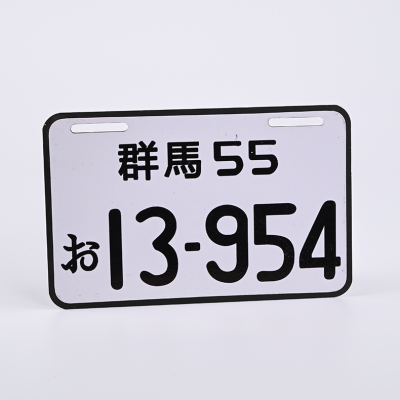
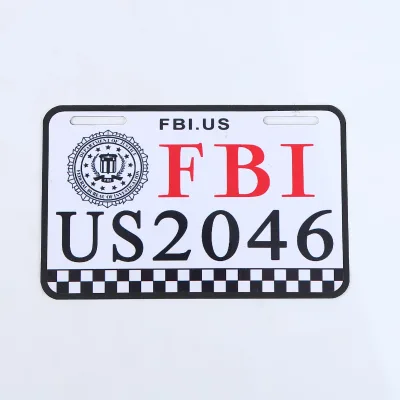
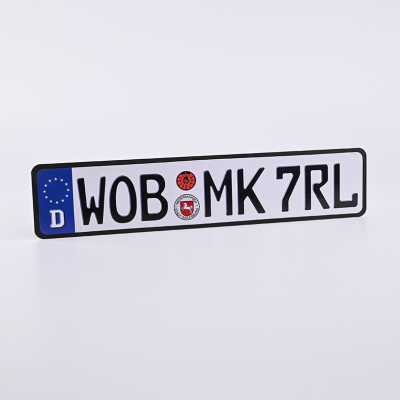
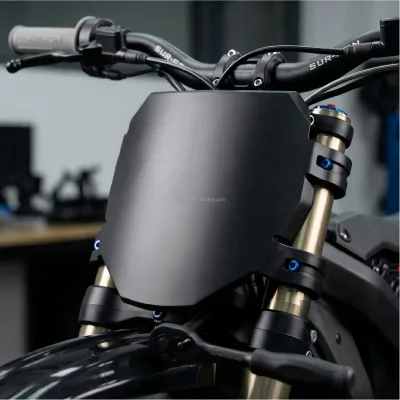
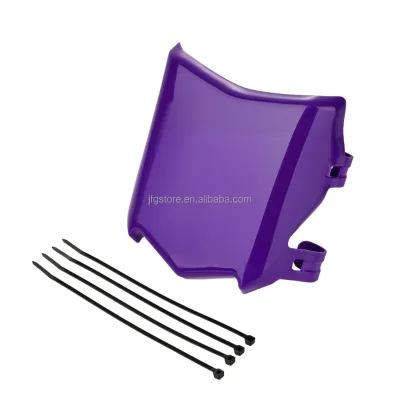
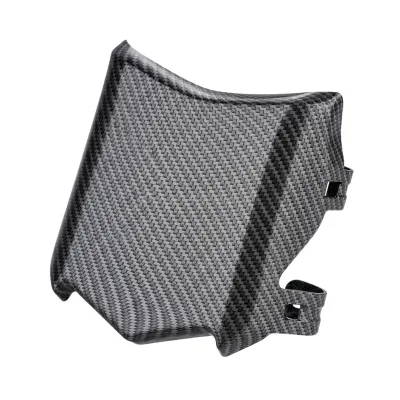


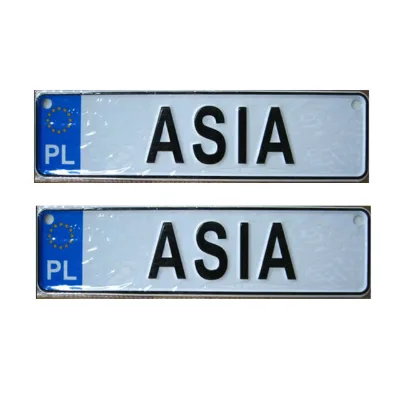
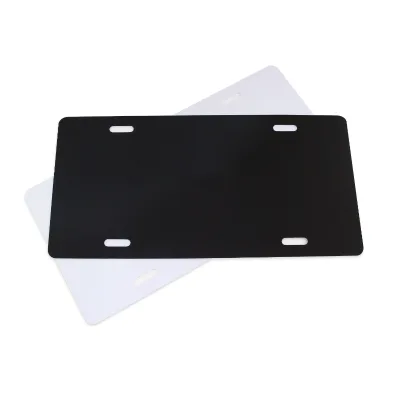


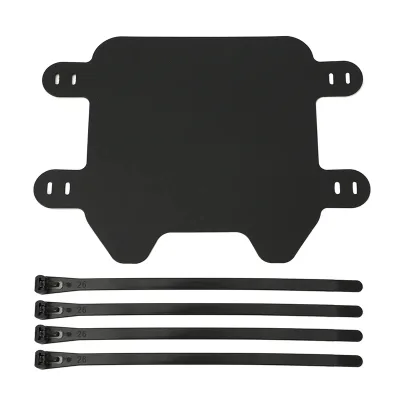

China Custom Manual Aluminium Blank Motorcycle Car License Number Plate
$0.42 - $0.79
MOQ: 1000 Pieces

Premium Multi Function Us Standard Number Plate Holder Motorcycle License Plate Frame
$17.90 - $20.01
MOQ: 50 Pieces
Comprehensive Sourcing Guide
Strategic Sourcing Guide for Electric Motorcycle Number Plates
Understanding Material Composition and Structural Integrity
When sourcing electric motorcycle number plates, the primary consideration is the material selection, which dictates the durability, weight, and aesthetic finish of the final product. The market offers a diverse range of materials, with aluminum being a dominant choice due to its favorable strength-to-weight ratio. Aluminum plates are frequently specified with thicknesses ranging from 0.5mm to 2.0mm, allowing buyers to select a gauge that balances rigidity with the lightweight requirements of electric vehicles. Specific listings indicate common thickness options of 0.6mm, 0.8mm, 1.0mm, 1.5mm, and 2.0mm, providing flexibility for different regulatory environments and mounting requirements.
The structural integrity of the plate is further influenced by the edge treatment and surface finishing processes. High-quality suppliers often employ machinery to ensure precise cutting, followed by edge treatments such as rounded polished edges to prevent injury during handling or installation. Surface processes are equally critical; options include digital printing, etch and fill, silkscreen printing, embossing, and laser marking. These processes determine how the registration data and branding are applied. For instance, a brushed printing finish or a metallic finish may be required to match the specific aesthetic of the electric motorcycle. The choice of material also impacts the application of reflective films, which are essential for visibility. Some specifications call for license-grade retroreflective film to ensure compliance with road safety standards, while others may utilize custom inner print patterns for decorative or promotional purposes.
Technical Specifications and Customization Capabilities
Technical specifications for electric motorcycle number plates vary significantly based on the intended application, whether for vehicle registration, personal decoration, or promotional gifts. Standard dimensions are often cited, such as 34x18cm, though many suppliers offer customized sizes to meet specific design requirements. The thickness of the plate is a critical specification, with some products offering a range from 0.6mm to 1mm, while others provide a broader spectrum up to 2mm. Buyers must verify the exact thickness required for their target market, as thinner plates may be more prone to warping in high-temperature environments, while thicker plates offer superior resistance to impact.
Customization is a key driver in this sector. Suppliers frequently offer customization for color, size, and design. Color options are extensive, ranging from standard white, black, yellow, and red to silver and green. The ability to match Pantone (PMS), RGB, or CMYK color profiles ensures brand consistency for corporate clients or specific aesthetic preferences for individual buyers. The production process supports various finishing techniques, including corrosion processing and metallic finishes, which enhance longevity. Additionally, the installation method is a vital technical detail; screw mounting is a common requirement, necessitating precise hole placement and edge preparation. The production time for these customized items typically ranges from 5 to 10 working days, a factor that should be integrated into the procurement timeline.
Compliance, Certification, and Regulatory Standards
Navigating the regulatory landscape for electric motorcycle number plates requires careful attention to certifications and standards. While specific national standards may vary, buyers should verify that products meet relevant safety and environmental regulations. One notable certification observed in the market is RoHS (Restriction of Hazardous Substances), which ensures that the materials used do not contain specific hazardous substances like lead or mercury. This is particularly relevant for electric vehicles, where environmental compliance is often a priority.
Regarding physical standards, the dimensions and reflectivity of the plate are subject to local laws. Some listings reference specific standards such as "34x18cm" or "11," though these may represent internal catalog codes rather than universal regulatory standards. Buyers must confirm that the plate dimensions and reflective film types comply with the regulations of the destination country. For instance, the use of license-grade retroreflective film is often mandatory for official vehicle registration plates to ensure visibility at night. The production standard may also be listed as "customized size as per your design," which implies that the supplier can adapt to specific regulatory requirements, but the buyer must provide the exact specifications. It is essential to request documentation proving that the reflective film and material composition meet the specific legal requirements of the target market before placing a large order.
Cost Drivers and Pricing Dynamics
The cost of electric motorcycle number plates is influenced by several variables, including material type, thickness, customization level, and order volume. The observed price range in the market spans from approximately $0.31 to $20.01 per unit, reflecting the vast difference between basic, mass-produced plates and highly customized, premium-finish products. The minimum order quantity (MOQ) also plays a significant role in pricing, with observed ranges from 1 to 1000 units. Lower MOQs are suitable for prototyping or small-scale promotional campaigns, while higher volumes typically unlock better unit pricing.
Material costs are a primary driver, with aluminum being a standard but potentially variable cost depending on market fluctuations. The thickness of the plate directly impacts material usage; a 2mm plate will cost more than a 0.5mm plate due to the increased volume of aluminum required. Furthermore, the complexity of the finishing process affects the final price. Processes such as laser marking, embossing, and multi-color silkscreen printing require additional labor and equipment time compared to simple digital printing. The choice of packaging also contributes to the overall cost; options range from individual poly bags to shockproof packages and corrugated cartons, each with different material and labor costs. Buyers should request detailed breakdowns of costs to understand the value proposition of each option, ensuring that the chosen configuration aligns with their budget constraints without compromising essential quality standards.
Supplier Evaluation and Production Capabilities
Evaluating suppliers for electric motorcycle number plates requires a focus on their production capabilities, location, and ability to meet customization demands. The majority of suppliers in this sector are located in China (Mainland), leveraging established manufacturing ecosystems for aluminum processing and printing. When assessing a potential supplier, buyers should verify their processing methods, such as machinery-based cutting and various surface processes like etching, filling, and polishing. The ability to handle complex designs, such as European and American styles or specific decorative applications, is a strong indicator of a supplier's technical proficiency.
Production time is another critical factor in supplier evaluation. A typical lead time of 5 to 10 working days suggests a streamlined production process, but buyers must confirm if this timeline includes quality control checks and packaging. The origin of the product, specifically "China(Mainland)," should be transparently disclosed, and buyers should ensure that the supplier has the capacity to scale production if demand increases. Additionally, the supplier's approach to quality control, such as the use of shockproof packaging to prevent damage during transit, is indicative of their commitment to product integrity. Buyers should also inquire about the supplier's experience with specific applications, such as vehicle registration plates versus personal decorations, to ensure they have the relevant expertise for the intended use.
Quality Control and Long-Term Procurement Considerations
Implementing a robust quality control (QC) strategy is essential for ensuring the longevity and performance of electric motorcycle number plates. Key QC checkpoints should include verifying the thickness of the aluminum, the accuracy of the dimensions, and the adhesion of the reflective film or printed graphics. The surface finish, whether brushed, metallic, or polished, must be consistent across all units to maintain a professional appearance. Suppliers often offer various packing methods, such as corrugated cartons or individual PVC bags, which should be evaluated for their ability to protect the plates during shipping.
Long-term procurement considerations involve building a relationship with suppliers who can maintain consistent quality over time. Buyers should establish clear specifications for thickness, color matching (PMS/RGB/CMYK), and finishing processes to minimize variability. The customization aspect allows for unique designs, but it also introduces complexity; therefore, clear communication of design requirements is vital. For applications involving vehicle registration, the durability of the plate against corrosion and environmental factors is paramount. Buyers should request samples to test the plate's resistance to weathering and its ability to maintain reflectivity over time. Additionally, understanding the supplier's capacity for handling custom orders and their flexibility in adjusting to design changes will ensure a smooth procurement process. By focusing on these quality and operational factors, buyers can secure a reliable supply chain for their Electric Motorcycle Number Plate needs.
Typical Applications and Market Segmentation
The market for electric motorcycle number plates is segmented by application, ranging from official vehicle registration to personal decoration and promotional gifts. For official use, plates must meet strict regulatory standards regarding dimensions, reflectivity, and material durability. These plates often utilize license-grade retroreflective film and specific thicknesses to ensure visibility and longevity. In contrast, plates intended for personal decoration or home decor may prioritize aesthetic customization, offering a wider range of colors, styles, and finishes. The "European & American" style mentioned in some listings suggests a market segment focused on aesthetic appeal rather than strict regulatory compliance.
Promotional gifts and souvenirs represent another significant application area. These plates often feature custom logos, branding, or unique designs, utilizing processes like digital printing or laser marking. The versatility of aluminum allows for these plates to be used in various settings, including office decorations, religious crafts, and commercial gifts. The ability to customize the inner print pattern and color makes these products highly adaptable for marketing campaigns. Buyers in this segment should prioritize suppliers who can handle small to medium order volumes with high customization capabilities. Understanding the specific application is crucial for selecting the right product specifications, as a plate designed for a promotional gift may not meet the durability requirements for a vehicle registration plate.
Final Procurement Recommendations
To conclude, sourcing electric motorcycle number plates requires a balanced approach that considers material quality, technical specifications, regulatory compliance, and cost efficiency. Buyers should prioritize suppliers who offer transparent information about their production processes, certifications, and quality control measures. By verifying the thickness, finish, and reflective properties of the plates, buyers can ensure that the products meet their specific needs. Whether for official registration, personal decoration, or promotional use, the ability to customize the plate's design and dimensions is a key advantage of the current market.
Buyers are advised to conduct thorough due diligence on potential suppliers, focusing on their production capacity, lead times, and packaging standards. Establishing clear communication channels and requesting samples before committing to large orders will help mitigate risks associated with quality inconsistencies. By adhering to these guidelines and leveraging the diverse options available in the market, buyers can successfully procure high-quality electric motorcycle number plates that align with their strategic objectives and regulatory requirements.
FAQs
What materials are used for electric motorcycle number plates?
Aluminum is the primary material used for these plates due to its strength and lightweight properties. Suppliers offer thickness options ranging from 0.5mm to 2mm to balance rigidity with weight requirements for electric vehicles.
Can I customize the color and size of the plate?
Yes, customization is available for color, size, and design to meet specific requirements. Buyers can select from white, black, yellow, red, green, or silver, and request sizes matching Pantone, RGB, or CMYK profiles.
What is the typical production time for custom orders?
The production time for custom orders typically ranges from 5 to 10 working days. This timeline covers the machining, surface finishing, and packaging processes required to deliver the finished plates.
Which certifications ensure the plates meet safety standards?
RoHS certification is observed in the market, ensuring the materials do not contain hazardous substances. This is critical for electric vehicles where environmental compliance is a priority for buyers.
How are the plates packaged for shipping?
Plates are packed individually in PVC bags, poly bags, or corrugated cartons depending on the order. Shockproof packaging is also available to prevent damage during transit and ensure product integrity.
What surface finishing processes are available for the plates?
Available processes include digital printing, etch and fill, silkscreen printing, embossing, and laser marking. Finishes can be brushed, metallic, or polished to match specific aesthetic or regulatory needs.