Source Electro Tin Plated Copper Lug for Power Transmission
Find 30 Electro Tin Plated Copper Lug options for electrical signal transmission and power conduction. Compare specifications including crimp type connections, moistureproof characteristics, and customizable packaging to select the right fittings for your appliance or substation needs; compare the available evidence and request quotations based on your requirements.
Key considerations
Products List




Comprehensive Sourcing Guide
Electro Tin Plated Copper Lug Sourcing Guide
Electro tin plated copper lugs serve as critical connection points in electrical systems, ensuring reliable conductivity and corrosion resistance for transmission and distribution networks. These components are primarily designed to securely hold and connect cables, facilitating the efficient transfer of electrical signals and power across various appliances and substation fittings. The tin plating process enhances the copper base material, providing a moisture-proof barrier that protects against oxidation in harsh environmental conditions.
Buyers must distinguish between different manufacturing techniques, as the supply chain offers both cold-pressed and precision-machined variants alongside welding processes. While some listings highlight injection molding for specific fitting types, the core lug products typically rely on mechanical forming or machining to achieve the required structural integrity. Understanding these production nuances is essential for selecting the right component for high-temperature resistance or general line fitting applications.
Product Scope and Observed Listing Signals
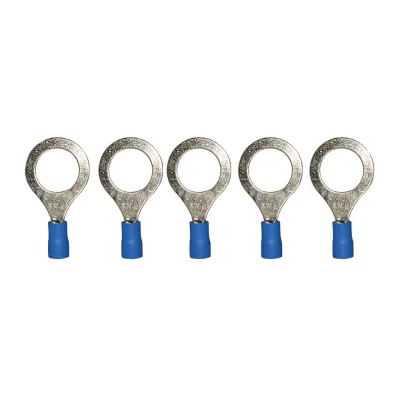
The market presents a diverse range of specifications, with observed models including SC and WCJB-10, which cater to specific cross-sectional areas like 300mm². These products appear in various shapes such as U, round, and spade configurations, often available in copper or tin colors to match specific aesthetic or functional requirements. The listings indicate that dimensions and weights are model-dependent, requiring buyers to cross-reference technical drawings with their specific project needs rather than assuming standard sizing.
Customization is a dominant feature in this category, with suppliers offering tailored packaging, standard specifications, and unique production standards to meet client demands. The observed product range includes single-hole terminals and protection fittings, suggesting versatility in usage from general electrical appliances to specialized line and substation applications. Buyers should verify that the "customized" claims align with their exact technical drawings, as the default offerings may vary significantly in terms of connection types and finish quality.
Technical Specifications to Verify
Verifying the connection method is paramount, as the supply chain features crimp-type connections alongside other mechanical joining strategies. The material composition is consistently noted as copper, sometimes combined with aluminum, which directly impacts conductivity and weight. Buyers must confirm whether the product utilizes precision machining or cold pressing, as these processes influence the surface smoothness and the final mechanical strength of the lug under load.
Surface finish and color are critical indicators of quality, with hot-dip galvanization and smooth surfaces being common attributes observed in the listings. The tin plating provides a specific protective layer, but buyers should ensure the finish matches the required environmental resistance, such as high-temperature tolerance or moisture-proofing capabilities. Additionally, the specific model number and standard specifications must be validated against the intended application to ensure the lug can handle the electrical load without failure.
Compliance and Safety Documentation
Certification status is a key differentiator, with CE and ISO marks frequently appearing in the product data to indicate adherence to international safety and quality benchmarks. While some background data mentions ASTM B545, buyers should prioritize the explicit certifications listed in the supplier's documentation to ensure the product meets the regulatory requirements of their target market. Relying on these verified marks helps mitigate the risk of non-compliance during customs clearance or final system inspection.
Safety documentation must also address the specific usage scenarios, such as line fittings or substation applications, where failure could lead to significant operational hazards. The warranty period of 12 months observed in some listings provides a baseline for accountability, but buyers should seek detailed test reports that validate the high conductivity and structural reliability of the specific batch. Ensuring that the product standard aligns with GB or other recognized national standards is essential for maintaining system integrity.
Cost Drivers and Commercial Terms
Pricing in this sector is highly variable, with observed ranges spanning from nominal values to significant costs depending on the complexity of the customization and material volume. The minimum order quantity (MOQ) fluctuates widely, ranging from single units to 100,000 pieces, which significantly impacts the unit economics for small versus large procurement projects. Buyers must calculate the total cost of ownership, factoring in the MOQ requirements and the potential for bulk discounts when negotiating with suppliers.
Commercial terms often include flexible packaging options, from standard export cases to wooden crates and customer-branded OEM boxes, which can influence logistics costs. The availability of free samples allows buyers to validate quality before committing to large orders, though this may come with specific shipping or handling fees. Understanding the lead times and the supplier's capacity for OEM/ODM support is crucial for aligning procurement schedules with project timelines and budget constraints.
Supplier Qualification and Quality Control
Supplier location data points to manufacturing hubs in Zhejiang and Yangzhou City, China, which are known for their specialized electrical component industries. Buyers should verify the supplier's ability to support both OEM and ODM requests, as this indicates a mature production line capable of adapting to specific design requirements. The presence of a 12-month warranty suggests a level of confidence in the product's durability, but independent quality audits are recommended to validate these claims.
Quality control processes should be scrutinized, particularly regarding the surface finish and the consistency of the tin plating thickness. Suppliers offering customized standards and production processes demonstrate flexibility, but buyers must ensure that these customizations do not compromise the core material properties like high conductivity. Requesting detailed inspection reports for the specific batch, including moisture-proofing and high-temperature resistance tests, is a necessary step to confirm that the product meets the rigorous demands of electrical infrastructure.
Long-Term Procurement Checks
Establishing a reliable supply chain requires ongoing verification of the supplier's ability to maintain consistent quality over time. Buyers should monitor the consistency of the "customized" attributes, ensuring that subsequent orders match the initial sample specifications regarding dimensions, weight, and finish. Regular audits of the production process, whether it involves cold pressing or precision machining, help ensure that the long-term performance of the lugs remains stable under varying operational conditions.
Future procurement strategies should account for the evolving standards and certifications required by the electrical industry. As regulations tighten, maintaining a relationship with suppliers who can quickly adapt to new standards, such as updated GB specifications or international safety marks, will be vital. Buyers should also plan for the scalability of their orders, leveraging the supplier's capacity to handle large MOQs while maintaining the flexibility to adjust specifications as project requirements change.
FAQs
What is an Electro Tin Plated Copper Lug used for?
An Electro Tin Plated Copper Lug is a crimp-type terminal used to connect copper conductors to equipment, busbars, or other cables. The tin plating improves corrosion resistance and maintains good conductivity, while the copper body carries the current. Typical applications include electrical appliances, power distribution, and transmission of electrical signals.
Which materials and finishes are available for these lugs?
These lugs are made from copper or aluminum, with copper being the standard choice for this type. Finishes include electro tin plating and hot dip galvanizing, and colors are offered in copper or tin tones. Availability of a specific finish depends on the model, so confirm the finish and color for the part number you need.
How is the lug installed onto a cable?
Installation uses cold pressing, a crimp method where the lug barrel is compressed onto the stripped conductor with a crimping tool. The connection types offered are crimp style, and shapes include U, round, and spade forms. Select the lug size to match your conductor cross-section and use tooling suited to the barrel dimensions.
Can I order custom sizes or specifications?
Yes, customization is available, including custom dimensions, standards, and packing. Products follow standard specifications or customer-defined requirements, with OEM and ODM services supported. Some models are listed under standards like GB or a 300mm² specification, so provide your drawing or required model such as SC or WCJB-10 when requesting a quote.
What is the minimum order quantity and are samples offered?
Minimum order quantities vary by listing, with observed values ranging from 1 piece up to 100,000 pieces, and one model lists an MOQ of 1,000 pieces. Free samples are offered by some listings, which lets you verify plating quality and crimp performance before committing. Confirm the MOQ and sample policy for the specific model with the supplier.
What certifications and quality guarantees come with these lugs?
Listed products carry CE and ISO certification, and many listings state a 12-month warranty. Product characteristics include moistureproof performance and high temperature resistance, with high conductivity noted for copper models. Verify certificates and warranty terms directly with the supplier for the exact model, since terms can differ between listings.
Where are these lugs manufactured and how are they packed?
The lugs originate from China, with listings located in Zhejiang and Yangzhou City. Packing options include standard packaging, wooden cases, normal export cases, or customer-branded OEM packing boxes, and packing can be customized. Production techniques include injection molding, welding, and precision machining depending on the product type.
Which shapes and connection types should I choose?
Choose based on your termination point: U, round, and spade shapes suit different stud and terminal arrangements, while single-hole terminals fit simple stud connections. All use crimp-type connections for the conductor side. Check the dimensions and weight for the selected model, since both are defined according to the model rather than a universal size.