Source Electroplated Simple Brass Ring for Gift, Wedding, Decoration
Source electroplated simple brass ring options from 30 verified listings. Compare customization, plating finishes, and MOQs for female and universal styles. Evaluate casting and electroplating processes to find the right fit for your decoration and gift needs; compare the available evidence and request quotations based on your requirements.
Key considerations
Products List






Comprehensive Sourcing Guide
Electroplated Simple Brass Ring Sourcing Guide
Buyers seeking electroplated simple brass rings must first distinguish between base metal alloys and precious metal alternatives, as the supplied data reveals a mix of copper, alloy, and sterling silver options. While the core keyword specifies brass, observed listings include copper and alloy rings with similar electroplating processes, requiring careful verification of the base material before finalizing orders. This distinction is critical because the plating adhesion and longevity differ significantly between copper-based substrates and other metals, directly impacting the final product's durability and appearance.
Procurement teams should also scrutinize the specific plating finishes listed, such as rhodium, rose gold, yellow gold, and black, to ensure they align with the desired aesthetic for the target market. The observed data indicates that some products offer customizable stamping, including 925 purity marks, which suggests a potential overlap with silver jewelry lines that may confuse buyers expecting pure brass items. Clarifying the exact material composition and plating thickness with the supplier is essential to avoid receiving products that deviate from the intended "simple brass" specification.
Product Scope and Observed Listing Signals
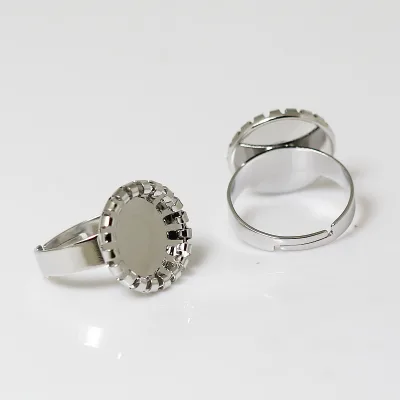
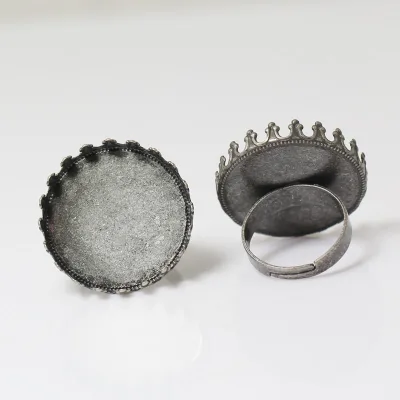
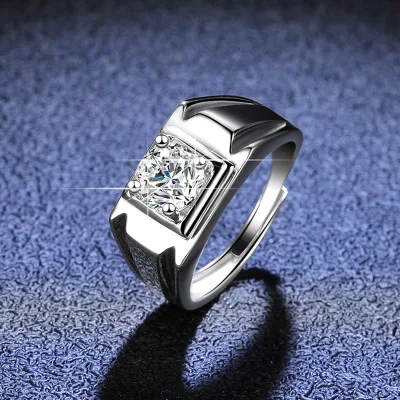
The observed product range demonstrates a wide variety of shapes, including round, square, and geometric designs, which indicates that the term "simple" often refers to the stylistic minimalism rather than a lack of structural complexity. Buyers should expect to find rings in sizes ranging from standard 7# to fully customized dimensions, allowing for flexibility in inventory planning for different demographic segments. The presence of both female-specific and universal gender options further expands the potential market reach, enabling buyers to source versatile stock that appeals to diverse consumer preferences.
Listing signals also highlight specific usage contexts such as decoration, gifts, weddings, and collections, which helps buyers categorize inventory for targeted marketing campaigns. The packaging methods vary from simple OPP bags to strong cartons, suggesting that suppliers are prepared for both small-scale direct shipping and bulk distribution requirements. Understanding these variations in shape, size, and intended use allows procurement professionals to build a comprehensive catalog that meets the varied demands of retail partners and end consumers without overstocking niche items.
Technical Specifications to Verify
Verification of the fabrication process is paramount, as the data confirms the use of both electroplating and casting techniques, each offering distinct advantages for different design requirements. Buyers must confirm whether the specific ring model relies on casting for intricate details or electroplating for surface finish, as this affects the production timeline and the structural integrity of the final piece. The observed delivery times of 5-10 days for some items versus 20-30 days for others suggest that process complexity and customization levels significantly influence the manufacturing schedule.
Material purity and stamping requirements also demand rigorous attention, particularly when listings mention 92.5% purity or customer-required stamps alongside alloy and copper bases. Procurement teams should verify that the "925" stamping is accurate for silver items and that the electroplating layer is sufficient to prevent tarnishing on copper or alloy substrates. Ensuring that the setting method, such as wax setting, matches the stone type, like mother of pearl, is crucial for maintaining the structural soundness of the jewelry during daily wear.
Compliance and Safety Documentation
Safety compliance is a critical consideration, with observed listings citing SGS certification as a standard verification method for product quality and material safety. Buyers should request current SGS reports to confirm that the electroplating chemicals and base metals meet international safety standards, particularly regarding heavy metal content and skin sensitivity. While the provided data does not explicitly list RoHS or REACH compliance, the presence of SGS suggests a baseline commitment to safety that should be validated through direct documentation review.
Documentation verification must also extend to the origin of the goods, with Guangzhou, China, identified as a primary production hub for these items. Buyers should ensure that the supplier can provide traceability for the raw materials used, especially when mixing different metals like copper, alloy, and sterling silver in a single order. Confirming that the packaging and labeling comply with the destination market's regulations is equally important to prevent customs delays and ensure that the products reach the consumer without legal complications.
Cost Drivers and Commercial Terms
The commercial landscape for these rings is influenced by varying minimum order quantities, with observed ranges spanning from 20 to 3000 pieces, which dictates the scalability of the procurement strategy. Buyers with smaller budgets may need to negotiate with suppliers offering lower MOQs, such as the 20-piece or 30-piece thresholds, while larger retailers can leverage higher volumes to secure better unit pricing. Understanding these thresholds is essential for balancing inventory costs with cash flow requirements, especially when introducing new designs to the market.
Lead times and customization options further drive the overall cost structure, as the data shows delivery windows ranging from 5 to 30 days depending on the complexity of the order. Customized sizes, specific plating colors, and unique stamping requirements often extend the production timeline and may incur additional fees. Procurement teams should factor these variables into their total landed cost calculations, ensuring that the final retail price remains competitive while maintaining healthy profit margins for the business.
Supplier Qualification and Quality Control
Supplier qualification should prioritize those offering OEM and ODM services, as the observed data indicates a strong capacity for customization and private labeling. Buyers must assess the supplier's ability to handle specific requests, such as custom packing or unique product models, to ensure they can meet the brand's specific identity and market positioning. The availability of services like wax setting and various plating options suggests a versatile manufacturing base that can adapt to changing design trends and consumer demands.
Quality control protocols must be established to verify the consistency of the electroplating finish and the accuracy of the product models listed. Buyers should implement a sampling strategy that tests for plating adhesion, color consistency, and dimensional accuracy against the provided specifications, such as the 7# size or customized dimensions. Regular audits of the production line and review of the SGS certification status will help maintain high standards and prevent the receipt of substandard goods that could damage the brand's reputation.
Long-Term Procurement Checks
Sustaining a successful supply chain requires regular re-evaluation of supplier performance against the initial quality and delivery benchmarks established during the onboarding phase. Buyers should track the consistency of lead times, noting the variance between the 5-10 day and 20-30 day windows, to identify potential bottlenecks in the production process. Continuous monitoring ensures that the supplier can maintain the required output levels without compromising on the quality of the electroplating or the structural integrity of the rings.
Long-term partnerships should also focus on the supplier's ability to innovate and adapt to new market trends, such as the shift towards universal gender designs or new plating finishes. Buyers should maintain open communication channels to discuss upcoming design changes and ensure that the supplier remains agile in meeting new requirements. By fostering a collaborative relationship, procurement teams can secure a reliable source for electroplated simple brass rings that supports the brand's growth and adapts to the evolving jewelry market.
FAQs
Can electroplated simple brass rings be customized for buyers?
Yes, customization is available for these rings. Buyers can request specific shapes, styles, and plating options such as rhodium, rose gold, or black. The supplier supports OEM and ODM services, allowing for tailored designs that meet unique branding or aesthetic requirements for decoration and gift purposes.
What materials are used in these electroplated rings?
The rings are primarily made from copper and alloy materials. Some variants feature 925 sterling silver with a purity of 92.5%. Additional materials include gemstones and mother of pearl for inlaid designs. The base metal is electroplated to achieve finishes like silver, gold, or black for decorative appeal.
What is the typical lead time for these rings?
Delivery times vary by product specification. Some items have a lead time of 5-10 days, while others require 20-30 days. This difference depends on the manufacturing process, such as casting or wax setting, and the specific customization requirements requested by the buyer for the final decorative product.
What certifications do these rings hold?
The products hold SGS certification, ensuring quality and safety standards are met. This certification applies to the manufacturing process and material compliance. Buyers can rely on this standard for verifying the quality of the electroplated rings, which are suitable for gifts, weddings, and general decoration purposes.
What is the minimum order quantity for these rings?
The minimum order quantity varies by product type. Some items require a minimum of 20 pieces, while others have an MOQ of 30 pieces. Buyers should check the specific product model for exact requirements. Custom orders may have different thresholds based on the complexity of the design and plating.
How are these rings packaged for shipment?
Rings are packaged in OPP bags or strong cartons. The packaging can be customized according to customer requirements. This ensures safe transport and presentation for gifts or decorations. The standard packing method protects the electroplated finish and maintains the quality of the ring until it reaches the end user.