Source Simple Zircon Couple Rings for Wedding and Gift
Explore 30 options for Simple Zircon Couple Rings suitable for weddings, engagements, and daily wear. Compare materials like titanium and stainless steel, styles from square to round, and customization services including OEM/ODM to find the right fit for your inventory needs.
Key considerations
Products List

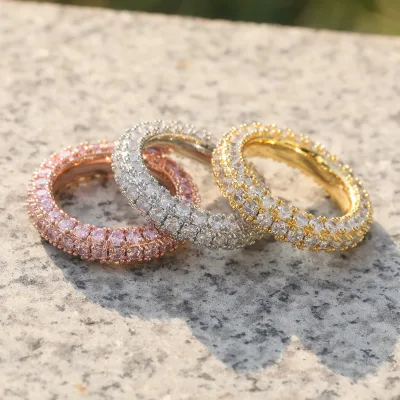
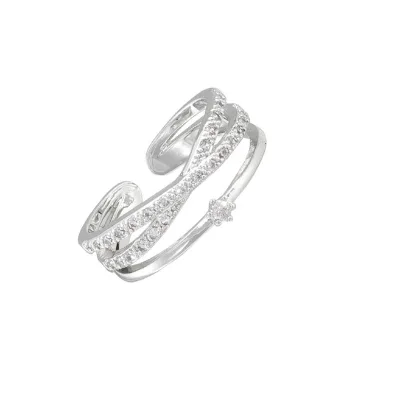
Vintage Style Stackable Ring Set - Three Band Couple Rings with Zircon Accent
$4.30 - $4.50
MOQ: 10 Pieces


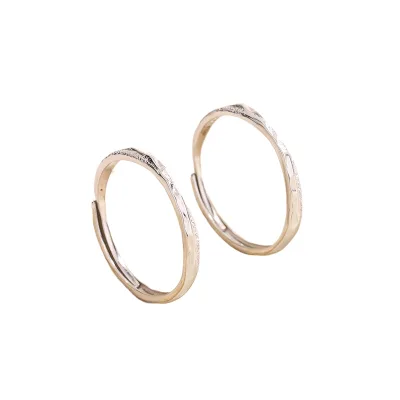
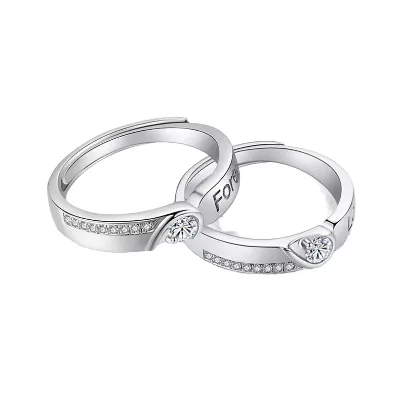
Wholesale New Simple Line Titanium Steel Ring with Diamond Zircon Couple Ring
$0.97 - $1.09
MOQ: 900 Pieces

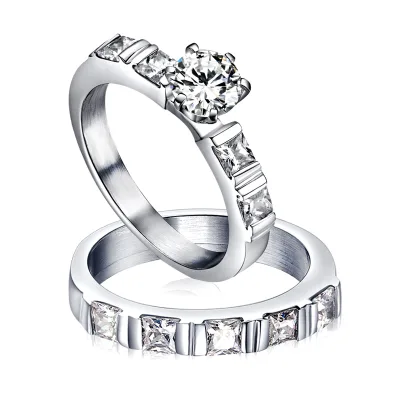
Hot Selling Simulation Diamond Ring Zircon Couple Men's Simple Sterling Silver Ring
$5.71 - $6.42
MOQ: 200 Pieces

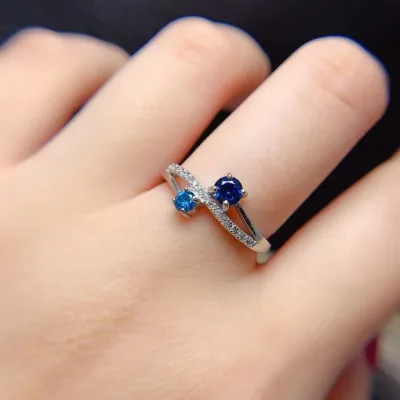
Hot Selling Round Zircon Ring Niche Simple Finger Fashionable Versatile Ring
$1.05 - $1.18
MOQ: 900 Pieces









Comprehensive Sourcing Guide
Simple Zircon Couple Rings Sourcing Guide
Sourcing Simple Zircon Couple Rings requires a strategic balance between aesthetic consistency and material durability, particularly when targeting markets that value understated elegance. Buyers must first define the specific design language, whether it leans toward minimalist bands or subtle stone settings, as this dictates the manufacturing process. The observed market signals indicate a strong preference for versatile styles, including square and round shapes, which cater to diverse consumer tastes. Understanding these visual preferences is the foundational step in creating a product specification that resonates with end-users while remaining feasible for mass production.
Beyond aesthetics, the material composition plays a critical role in the longevity and perceived value of the jewelry. Suppliers in the observed data utilize materials such as titanium, stainless steel, and alloy, each offering distinct advantages in terms of weight, corrosion resistance, and cost. Titanium provides a lightweight and hypoallergenic option, while stainless steel offers robust durability for everyday wear. Buyers should evaluate these material choices against their target demographic’s expectations for quality and comfort, ensuring that the selected metal aligns with the brand’s positioning and the functional requirements of the final product.
Product Scope and Observed Listing Signals
The current market landscape for Simple Zircon Couple Rings reveals a diverse array of product configurations, ranging from plain bands to intricate inlaid designs. Observed listings highlight specific models such as JZ2012, KR86517-K, and KR44312-K, each representing different stylistic approaches from fashion-forward pieces to elegant wedding bands. These products often feature customization options, allowing buyers to tailor designs to specific brand identities. The presence of various shapes, including square and round profiles, indicates a flexible supply chain capable of accommodating niche design requests without significant lead time penalties.
Color and finish variations are another significant signal in the current product scope, with options like gold, silver, rose gold, and black frequently available. These finishes are often achieved through processes such as electroplating or polishing, which enhance the visual appeal of the zircon stones. The observed usage categories, including wedding, gift, and decoration, suggest that these rings are positioned as versatile accessories suitable for multiple occasions. Buyers should leverage these signals to identify suppliers who can consistently deliver high-quality finishes and maintain color consistency across large production runs.
Technical Specifications to Verify
Verifying technical specifications is essential to ensure that the final product meets quality expectations and functional requirements. Buyers must confirm the inlay technology used, such as zircon four-prong settings, which secure the stones and prevent loss during wear. The weight of the rings, observed at approximately 6g for certain models, is a critical factor for comfort and perceived value. Additionally, the production mode, often listed as OEM/ODM, indicates the supplier’s capability to handle custom designs, but buyers must verify the precision of these customizations to avoid discrepancies between samples and bulk orders.
Packaging and dimensional standards are also key technical aspects that require careful verification. Observed packaging methods range from individual OPP bags to carton boxes, depending on the client’s request, which impacts logistics and retail presentation. Dimensional standards, such as ring sizes or specific measurements like 1.8cm/1.7cm for certain components, must be clearly defined to ensure compatibility with sizing charts. Buyers should request detailed technical drawings and sample approvals to validate these specifications before committing to large-scale production, minimizing the risk of costly errors.
Compliance and Safety Documentation
Compliance with international safety standards is non-negotiable when sourcing jewelry that comes into direct contact with skin. Buyers must ensure that suppliers adhere to regulations regarding heavy metal content, such as lead and cadmium, which are strictly controlled in many markets. Although specific certification statuses are not explicitly detailed in the observed data, buyers should proactively request test reports from accredited laboratories to verify compliance with standards like REACH in Europe or CPSIA in the United States. This due diligence protects the brand from legal liabilities and ensures consumer safety.
Additionally, documentation regarding the origin of materials and manufacturing processes is crucial for transparency and ethical sourcing. The observed production origins in China, particularly in Dongguan, suggest a mature supply chain, but buyers should verify that suppliers maintain ethical labor practices and environmental standards. Requesting documentation on the sourcing of zircon stones and metals can help build a narrative of responsibility and quality. Buyers should also confirm that the products meet any specific regional labeling requirements, ensuring that all necessary information is accurately displayed on the final packaging.
Cost Drivers and Commercial Terms
Understanding the cost drivers behind Simple Zircon Couple Rings is vital for accurate budgeting and pricing strategies. The primary cost factors include the choice of material, such as titanium or stainless steel, and the complexity of the fabrication process, including electroplating and polishing. The observed MOQ ranges from 1 to 1400 units, offering flexibility for both small batch testing and large-scale production. Buyers should negotiate terms that align with their inventory needs, considering the trade-offs between lower MOQs and higher per-unit costs versus bulk discounts.
Commercial terms also encompass delivery times and payment structures, which can vary significantly based on the supplier’s capacity and the order size. The observed delivery times are noted as different for different countries, highlighting the importance of logistics planning. Buyers should clarify lead times for both sample production, which typically takes about seven days, and bulk manufacturing. Establishing clear payment terms and understanding the implications of currency fluctuations can help mitigate financial risks and ensure a smooth transaction process from order placement to final delivery.
Supplier Qualification and Quality Control
Supplier qualification is a critical step in ensuring consistent quality and reliable service. Buyers should assess suppliers based on their production capabilities, including their ability to handle OEM/ODM requests and their track record with similar products. The observed high-quality standards and universal product standards suggest a baseline level of professionalism, but buyers must conduct deeper due diligence. This includes verifying the supplier’s quality control processes, such as in-line inspections and final random inspections, to ensure that every ring meets the specified criteria.
Quality control measures should also extend to the packaging and shipping stages, where damage can occur. Buyers should request detailed quality control plans that outline inspection points and acceptance criteria. Establishing a clear communication channel for addressing defects or discrepancies is essential for maintaining product integrity. By prioritizing suppliers with robust quality control systems, buyers can minimize the risk of receiving substandard products and ensure that their brand reputation remains intact in the competitive jewelry market.
Long-Term Procurement Checks
Long-term procurement success depends on continuous monitoring and relationship management with suppliers. Buyers should establish regular performance reviews to assess supplier reliability, quality consistency, and responsiveness to issues. The observed customization availability and flexible production modes suggest that suppliers are adaptable, but buyers must ensure that this adaptability does not compromise quality or delivery times. Building a strong partnership with suppliers can lead to better pricing, priority production slots, and collaborative innovation in design.
Additionally, buyers should stay informed about market trends and consumer preferences to anticipate changes in demand. The observed variety in styles, colors, and materials indicates a dynamic market, and staying ahead of these trends can provide a competitive advantage. Regularly updating product specifications and exploring new supplier options can help mitigate risks associated with single-source dependency. By maintaining a proactive approach to procurement, buyers can ensure a steady supply of high-quality Simple Zircon Couple Rings that meet evolving market demands.
FAQs
What customization options are available for these rings?
Customization is available for these rings to meet specific client needs. You can request OEM or ODM production modes to adjust designs. The supplier accepts requests for specific packing and styles, ensuring the final product matches your requirements for decoration or gifts.
How long does it take to receive a sample?
It takes about 7 days to receive a sample of the rings. This sample time allows buyers to verify quality before placing larger orders. The delivery time for bulk orders varies depending on the specific country and logistics arrangements involved in the shipment.
Which materials are used to make these couple rings?
These rings are crafted from materials including titanium, stainless steel, and alloy. Some models feature zircon inlays using four-prong technology. The choice of material depends on the specific product model, such as those designed for wedding or engagement occasions.
Can I order these rings with different color options?
Yes, you can order these rings in multiple color options like silver, gold, rose gold, and black. The available colors vary by product model, with some offering four distinct choices. This flexibility supports fashion and elegant styles for various decorative or gift purposes.
What is the minimum order quantity for these rings?
The minimum order quantity ranges from 1 to 1400 units depending on the specific product. Buyers can select quantities that fit their budget and inventory needs. This flexible MOQ allows small businesses to test the market while larger buyers can secure bulk stock.
How are the rings packaged for shipment?
The rings are packaged individually in OPP bags or polybags, often placed inside cartons. Packaging can be customized as per client requests to ensure safe transport. This method protects the rings during shipping while maintaining their quality and presentation for the end recipient.
Where are these rings manufactured and shipped from?
These rings are manufactured in China, specifically in locations like Dongguan. The products originate from this region before being shipped to different countries. Delivery times vary based on the destination, ensuring that buyers receive their orders according to local logistics schedules.