Source Elegant Luxury Hotel Buffet Table for Restaurants, Hotels, and Banquets
Compare 30 listings for an Elegant Luxury Hotel Buffet Table designed for diverse dining environments. Buyers can evaluate specifications, materials, and customization options to find the right equipment for restaurants, hotels, and banquet halls.
Key considerations
Products List


Luxury Hotel Buffet Counter Modern White Food Counter Large Size Buffet Bar Counter
$800.00 - $1200.00
MOQ: 1 Meters
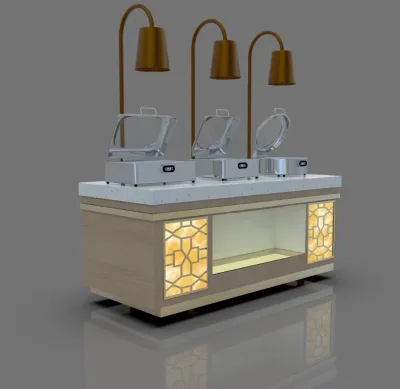
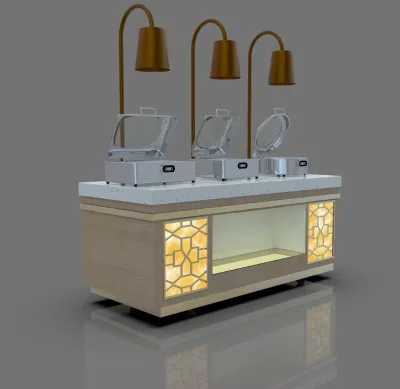

Elegant Premium Marble Dining Table for Upscale Hotels and Restaurants
$380.00 - $450.00
MOQ: 10 Pieces


Luxury Marble Restaurant Dining Table with Elegant Stainless Steel Base
$85.00 - $280.00
MOQ: 10 Pieces


J2s Luxury Restaurant Furniture Set Tables Chairs and Shared Table for Hotel Buffet Area
$120.00 - $280.00
MOQ: 2 Pieces


Elegant Modern Luxury Restaurant Dining Table and Chair Set for Hotels Bar
$100.00 - $215.00
MOQ: 10 Pieces

Gold Luxury Quality Stainless Steel Metal Hotel Restaurant Rectangle Wedding Table
$128.00 - $500.00
MOQ: 10 Pieces

Comprehensive Sourcing Guide
Strategic Sourcing Guide for Elegant Luxury Hotel Buffet Tables
Defining Technical Specifications and Material Integrity
When sourcing an Elegant Luxury Hotel Buffet Table, the primary objective is to balance aesthetic grandeur with functional durability. The market presents a diverse array of configurations, requiring buyers to scrutinize specific technical parameters before making a selection. A critical observation in the current supply landscape is the variation in material composition. While some high-end units are constructed from metal to ensure structural rigidity and a modern industrial aesthetic, others utilize solid wood species such as Red Oak to achieve a handcrafted, antique appeal. The choice between metal and wood often dictates the maintenance protocol and the overall visual tone of the hotel's dining area.
Dimensions are equally paramount in defining the "luxury" classification. Standardized sizing ensures that the furniture integrates seamlessly into existing hotel layouts without obstructing guest flow. Observed specifications in the market include rectangular units with dimensions such as 700700750mm and round variants with a diameter of 1200mm and a height of 750mm. For larger buffet service applications, wider configurations like 600600730mm are also prevalent. Buyers must verify that the selected model's standard dimensions align with their specific floor plans. Furthermore, the distinction between fixed and unfixed units is essential; some luxury tables are designed as permanent fixtures, while others offer the flexibility of being unfolded or reconfigured for different event layouts. The "Handcrafted Solid Wood Coffee Table" category, for instance, often features custom-made colors like black or bespoke finishes, indicating a high degree of customization potential that aligns with luxury branding.
Compliance, Certification, and Safety Standards
In the hospitality sector, compliance is not merely a formality but a prerequisite for operational safety and brand reputation. When evaluating potential suppliers for luxury buffet tables, buyers must rigorously verify certification status. The supply chain contains products that carry specific certifications such as ISO, CE, and ISOColor variants, which indicate adherence to international quality and safety management systems. However, the presence of a certification label does not automatically guarantee that every unit in a supplier's catalog meets the same standard; verification of the specific product model is necessary.
Beyond general certifications, buyers should look for evidence of material safety and environmental responsibility. While specific data on FSC certification or ISO 9001/45001:2018 standards appears in background contexts, these should be treated as verification targets rather than guaranteed attributes. The buyer must request current, valid certificates for the specific batch of furniture being procured. Additionally, the condition of the product is a non-negotiable factor; the market data confirms that "New" condition is the standard expectation for luxury procurement. Any indication of refurbished or used goods should be flagged immediately unless explicitly requested for a specific budget scenario. The "Condition: New" attribute ensures that the furniture meets the pristine aesthetic standards required for a five-star hotel environment, free from wear, scratches, or structural fatigue.
Cost Drivers and Pricing Dynamics
Understanding the cost structure of luxury buffet tables requires an analysis of several variables that influence the final price. The observed price range in the market spans from $15 to $3,000 USD, a wide spectrum that reflects differences in material quality, craftsmanship, and customization levels. The lower end of this range typically corresponds to standard metal or composite units with minimal customization, while the upper end encompasses handcrafted solid wood pieces, such as those made from Red Oak with antique finishes.
Material selection is a primary cost driver. Solid wood species like Red Oak command a premium over metal or engineered wood alternatives due to the sourcing costs and the labor-intensive nature of woodworking. Customization also significantly impacts pricing. Products listed with "Customized" or "Custom-Made" attributes, including specific color requests like black or bespoke logos, often incur higher unit costs. Furthermore, the complexity of the design, such as the transition from a standard rectangular shape to a round or custom geometric form, adds to the manufacturing time and expense.
The Minimum Order Quantity (MOQ) is another critical factor affecting the unit cost. The market shows an MOQ range from 1 to 50 pieces. Suppliers with lower MOQs, such as those accepting single items, may charge a higher per-unit price to cover setup costs. Conversely, bulk orders often benefit from economies of scale. Buyers must calculate the total cost of ownership, including shipping and packaging. The "Single Gross Weight" of certain units can reach 55.000kg, and packaging types vary from "Crate" to "Knocked Down, Sea Worthy Carton Packing." These logistical details directly influence freight costs, which can be substantial for heavy, large-volume items.
Typical Applications and Functional Versatility
Elegant luxury hotel buffet tables are designed to serve multiple functional roles within a hospitality setting. The primary application is for "Restaurant Serving" and "Hotel Buffet Food Equipment," where the table must support heavy serving dishes, chafing dishes, and high-traffic guest interaction. The "Buffet Service" type designation indicates that these units are engineered to withstand the rigors of continuous use in a commercial environment.
Beyond the main dining hall, these tables often find utility in "Leisure Areas" and "Bedrooms," particularly when the design leans towards the "Handcrafted Solid Wood" aesthetic. In these contexts, the table serves as a coffee table or a side table, requiring a different set of design priorities focused on comfort and visual appeal rather than pure utility. The "Shape: Rectangle" and "Shape: Round" options allow designers to tailor the furniture to the specific flow of the room. For instance, round tables in a leisure area can facilitate better conversation among guests, while rectangular tables in a buffet line maximize serving efficiency.
The versatility extends to the "Selling Units" configuration. Some suppliers offer "Single Item" sales, allowing hotels to purchase individual pieces for specific zones, while others may require bulk purchasing for full-floor outfitting. The "Usage" category confirms that these units are suitable for both permanent installation and temporary event setups, provided the "Fixed" or "Unfixed" nature of the unit matches the hotel's operational needs.
Supplier Evaluation and Production Capabilities
Selecting the right supplier involves a deep dive into their production capabilities and geographic origins. The market data highlights key production hubs such as Shanghai and Foshan, Guangdong, China. These regions are known for their manufacturing expertise in furniture, but buyers must verify the specific capabilities of the supplier regarding luxury finishes. A supplier offering "OEM & ODM" services is preferable for hotels seeking unique branding, as this indicates the ability to produce custom logos and designs.
The "Brand Name" and "Product Name" fields provide insight into the supplier's specialization. For example, a supplier offering a "Handcrafted Solid Wood Coffee Table in Antique Tre" suggests a focus on artisanal craftsmanship, whereas a supplier listing "Restaurant Buffet Table" with specific models like "RN030" or "RN0738K4" may focus on functional, high-volume commercial furniture. Buyers should evaluate whether the supplier's portfolio aligns with the specific luxury tier of the hotel.
Lead times are a critical component of supplier evaluation. The observed "Delivery Time" ranges from 15 to 30 days, which is a standard window for custom manufacturing. However, this timeline can fluctuate based on the complexity of the order, the availability of specific wood species, and the extent of customization. Suppliers with a "Customized" standard and "Logo: Customized Logo" options may require the upper end of this range. Buyers must ensure that the lead time aligns with their project schedule, especially for new hotel openings or major renovations.
Quality Control and Long-Term Procurement Considerations
Quality control is the final gatekeeper in the procurement process. Buyers must implement rigorous inspection protocols to ensure that the delivered products match the agreed-upon specifications. This includes verifying the "Material: Metal" or "Material: Wood" integrity, checking for consistent finishes, and ensuring that dimensions like "W600600730H" or "Dia1200*750Hmm" are precise. The "Packing" method is also a quality indicator; "Standard Export Packaging" and "Sea Worthy Carton Packing" are essential to prevent damage during transit, especially for heavy items with a gross weight of 55kg or more.
Long-term procurement considerations extend beyond the initial purchase. The "Condition: New" status at delivery is only the starting point. Buyers should inquire about the warranty terms, the availability of replacement parts, and the ease of maintenance. For wooden tables, the "Wood Species" and finish quality will determine the longevity of the piece in a high-traffic environment. Metal tables may require specific treatments to prevent corrosion.
Furthermore, the "Fixed" or "Unfixed" nature of the table impacts long-term flexibility. If a hotel plans to reconfigure its dining areas frequently, an "Unfolded" or "Unfixed" unit may be more suitable. Conversely, a "Fixed" unit offers stability for permanent installations. The "Single Package Size" and "Single Gross Weight" data provided by suppliers are crucial for logistics planning, ensuring that the furniture can be moved through hotel corridors and elevators without damage.
Comparative Analysis of Product Attributes
To facilitate decision-making, buyers can compare key attributes of available products using the following table. This comparison highlights the diversity in the market and helps identify the best fit for specific hotel requirements.
| Attribute | Product A (Metal/Modern) | Product B (Wood/Antique) | Product C (Buffet Service) |
|---|---|---|---|
| Material | Metal | Red Oak (Solid Wood) | Mixed/Standard |
| Shape | Rectangle | Round | Rectangle |
| Style | Modern | Antique/Handcrafted | Functional |
| Dimensions | 700700750mm | Dia1200*750mm | 600600730mm |
| Customization | Available | Custom-Made | Custom Logo |
| Origin | Shanghai | Guangdong | Foshan, Guangdong |
| Certification | ISOColor:Black | ISOColor:Grey | CE, ISO |
| MOQ | 1-50 | 10 Pieces | 10 Pieces |
| Packing | Crate | Sea Worthy Carton | Standard Export |
| Application | General/Leisure | Bedroom/Leisure | Hotel Buffet |
This table illustrates that while all products fall under the umbrella of "luxury hotel buffet tables," their specific attributes cater to different operational needs. Product A offers a modern, metal-based solution suitable for contemporary designs. Product B provides a classic, handcrafted aesthetic ideal for heritage or luxury boutique hotels. Product C focuses on the functional requirements of high-volume buffet service.
Conclusion
Sourcing an Elegant Luxury Hotel Buffet Table requires a meticulous approach that balances aesthetic desires with technical realities. Buyers must navigate a complex landscape of materials, certifications, and customization options. By carefully verifying specifications, understanding cost drivers, and evaluating supplier capabilities, procurement teams can secure furniture that enhances the guest experience and stands the test of time. The key lies in aligning the specific attributes of the product—such as material, dimensions, and finish—with the unique operational and branding requirements of the hotel. Through rigorous due diligence and a clear understanding of the market data, buyers can make informed decisions that ensure long-term satisfaction and operational efficiency.
FAQs
What materials are used for elegant luxury hotel buffet tables?
These tables are constructed from metal or solid wood species like Red Oak. The choice between metal and wood depends on the desired aesthetic, with metal offering a modern look and wood providing a handcrafted antique appeal.
Which certification standards apply to these luxury buffet tables?
Products often carry ISO, CE, and ISOColor certifications to ensure safety and quality. Buyers must verify the specific certification for each model, as not every unit in a catalog automatically meets the same standard without confirmation.
How can I customize the color and logo of these tables?
Customization is available for colors like black or bespoke finishes and for adding a customized logo. Suppliers offering OEM and ODM services can produce unique branding, though this may extend the delivery time to the upper end of the range.
What are the typical dimensions for round and rectangular models?
Standard dimensions include rectangular units of 700*700*750mm and round variants with a diameter of 1200mm and height of 750mm. Larger buffet configurations may reach 600*600*730mm, so buyers should verify alignment with their specific floor plans.
Can I order a single item or must I meet a minimum quantity?
Some suppliers accept single item orders while others require a minimum order quantity of 10 pieces. The MOQ ranges from 1 to 50, with lower quantities often incurring higher per-unit costs to cover setup expenses.
What is the expected delivery time for custom orders?
The standard delivery time ranges from 15 to 30 days for manufacturing and shipping. Complex customizations or specific wood species availability may require the full duration of this window to ensure quality and timely completion.
How are these tables packaged for safe international shipping?
Packaging options include crates, knocked down sea-worthy cartons, or standard export packaging. Heavy units with a gross weight of 55kg require robust packing to prevent damage during transit through hotel corridors and elevators.