Source Elegant Gold Plated Sunburst Necklace for Gifts, Fashion, and Events
Explore 30 listings for the Elegant Gold Plated Sunburst Necklace, featuring stainless steel construction with round or heart pendant shapes. Compare customization options, plating finishes, and OEM/ODM capabilities from verified manufacturers to find the right fit for your inventory needs.
Key considerations
Products List
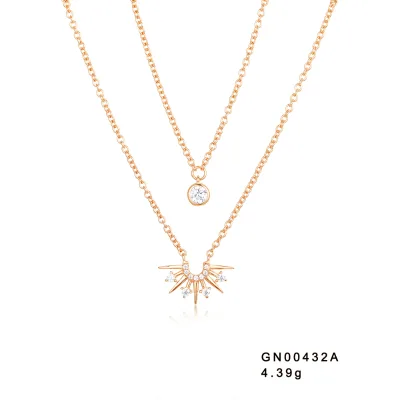
Grace Star Sun Gold Plated 925 Sterling Silver Half Sun Sunburst Necklace
$12.32 - $14.49
MOQ: 15 pieces


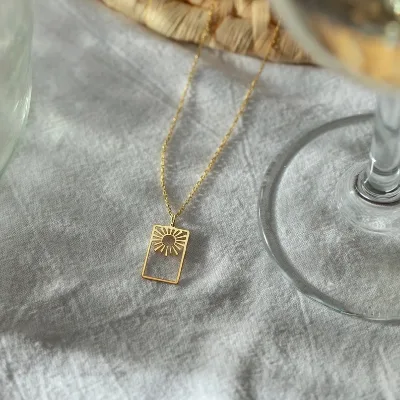


Trendy Pendent Necklace for Women Exquisite Bling Necklaces Popular Necklace
$1.58 - $1.65
MOQ: 59 Pieces






Comprehensive Sourcing Guide
Elegant Gold Plated Sunburst Necklace Sourcing Guide
Sourcing high-quality jewelry requires a disciplined approach to verifying material integrity, surface treatment durability, and supplier reliability. The Elegant Gold Plated Sunburst Necklace represents a specific intersection of aesthetic design and functional manufacturing, where the visual appeal of the sunburst motif must be balanced against the practical demands of plating adhesion and structural stability. Buyers must navigate a market where similar listings may vary significantly in base material composition, plating thickness, and certification status. This guide provides a structured framework for evaluating these products, ensuring that procurement decisions are based on verified data rather than marketing claims. By focusing on observable listing signals and technical specifications, buyers can mitigate the risks associated with counterfeit certifications or substandard materials.
The following sections detail the critical verification steps required for successful procurement. Each section is designed to address a specific aspect of the sourcing process, from initial product identification to long-term supplier management. The guidance is grounded in the observed data from current market listings and established industry standards for jewelry manufacturing. Buyers are encouraged to use this framework as a checklist during supplier negotiations and quality audits. The goal is to ensure that every purchased unit meets the specified requirements for color, plating, and durability, thereby protecting brand reputation and customer satisfaction.
Product Scope and Observed Listing Signals
The observed product landscape for gold plated sunburst necklaces reveals a diverse range of offerings, with prices ranging from $0.53 to $16.80 USD. This wide variance suggests significant differences in material quality, plating thickness, and manufacturing complexity. Listings indicate that the primary material is often stainless steel, which provides a durable base for plating, though buyers must verify this claim through material testing or supplier documentation. The surface treatment is consistently described as gold plated, with some listings also mentioning silver plating options. The pendant shape is frequently identified as round or sunburst, aligning with the core keyword, but variations such as heart or cross shapes are also present in the broader category. Buyers should carefully distinguish between true sunburst designs and generic round pendants to ensure product alignment with marketing expectations.
Customization and branding capabilities are prominent features in the current market, with many suppliers offering OEM and ODM services. The minimum order quantity (MOQ) typically starts at 100 pieces, which is a standard threshold for custom jewelry manufacturing. Delivery times are generally reported as 7-15 days, indicating a relatively fast turnaround for small to medium batch orders. Packaging is often described as individual OPP bags or independent packaging, which is suitable for retail distribution but may require additional protective measures for bulk shipping. Buyers should confirm whether the packaging includes branding elements or if custom packaging is an additional cost. The suitability of these products is often listed for females, with some listings also mentioning elderly demographics, suggesting a broad target market for fashion and decorative jewelry.
Technical Specifications to Verify
Verifying the technical specifications of the necklace is crucial for ensuring product consistency and quality. The length of the necklace is a key specification, with observed listings indicating standard lengths of 45cm and 60cm. Buyers must confirm the exact chain length and pendant size to ensure it meets the intended design requirements. The pendant shape is a critical visual element, with sunburst, round, heart, and cross shapes being common. The plating process is another vital technical aspect, with inseting diamond and plating technologies mentioned in some listings. Buyers should inquire about the plating thickness and the type of gold used, such as 18k or 24k, to assess durability and color accuracy. The base material, often stainless steel, should be verified for corrosion resistance and hypoallergenic properties.
The model numbers and product codes provided by suppliers, such as 2025120401 or HDX20111815, serve as unique identifiers for specific designs. Buyers should request detailed technical drawings or specifications for each model to ensure accurate production. The standard box gauge for packaging is often listed as 15 * 15 * 16 cm, which is important for logistics and storage planning. The origin of the products is frequently cited as China, with specific mentions of Shenzhen as a manufacturing hub. Buyers should verify the manufacturing location to assess supply chain risks and potential tariffs. The style of the necklace is described as fashion or simple, which influences the target audience and marketing strategy. Confirming these technical details early in the sourcing process helps prevent discrepancies between samples and bulk production.
Compliance and Safety Documentation
Compliance with international safety standards is non-negotiable for jewelry imports, particularly when dealing with metals and plating. Listings often cite certifications such as ISO9001, SGS, and BSCI, which indicate adherence to quality management and social responsibility standards. Buyers must request valid, up-to-date certification documents from suppliers to verify their claims. The presence of SGS certification suggests that third-party testing has been conducted, but buyers should confirm the scope of these tests, particularly regarding heavy metal content. The standard for nickel and lead-free products is a critical safety requirement, especially for products marketed to sensitive skin types. Buyers should insist on test reports from accredited laboratories to confirm that the plating and base materials do not exceed regulatory limits for nickel and lead release.
Additional certifications such as CE and REACH may be relevant depending on the target market, particularly for European imports. While some listings mention these standards, buyers should not assume compliance without documented proof. The warranty period for fade-proof plating is often cited as 1-2 years, which provides some assurance of durability. However, buyers should clarify the terms of this warranty, including what constitutes normal wear and tear versus manufacturing defects. The shipping methods listed, such as DHL, UPS, FedEx, and EMS, are standard for international trade, but buyers should ensure that the supplier has experience with customs clearance and documentation for jewelry items. Verifying compliance documentation early in the sourcing process helps avoid legal issues and product recalls.
Cost Drivers and Commercial Terms
The cost of gold plated sunburst necklaces is influenced by several factors, including the base material, plating thickness, and customization requirements. The observed price range of $0.53 to $16.80 USD reflects these variations, with higher prices typically associated with thicker plating and more complex designs. Buyers should request detailed cost breakdowns from suppliers to understand the components of the final price. The MOQ of 100 pieces is a common commercial term, but buyers may negotiate lower quantities for initial samples or trial orders. Delivery times of 7-15 days are standard, but buyers should confirm whether these timelines include production, quality control, and shipping. Payment terms should be clearly defined, with options such as T/T or L/C being common in international trade.
Packaging costs are another significant driver, with individual OPP bags being a standard option. Buyers should inquire about the cost of custom packaging, including logos and branding elements. The origin of the products, often China, may affect shipping costs and lead times due to distance and logistics infrastructure. Buyers should consider the total landed cost, including freight, insurance, and duties, when evaluating supplier quotes. The warranty period for fade-proof plating adds value to the product, but buyers should assess the cost of potential returns or replacements. Clear commercial terms help prevent misunderstandings and ensure a smooth transaction process. Buyers should document all agreed-upon terms in the purchase contract to protect their interests.
Supplier Qualification and Quality Control
Supplier qualification is a critical step in ensuring the reliability and consistency of the supply chain. Buyers should conduct thorough due diligence on potential suppliers, including verifying their business licenses, manufacturing capabilities, and export history. The mention of OEM and ODM services indicates that suppliers have the flexibility to customize products, but buyers should assess their technical expertise and design capabilities. Quality control processes should be clearly defined, with suppliers providing detailed inspection procedures for raw materials, production, and finished goods. Buyers should request samples before placing bulk orders to evaluate the quality of plating, chain strength, and pendant attachment. The origin of the products, often Shenzhen, is a major manufacturing hub with a concentration of experienced suppliers, but buyers should still verify individual supplier credentials.
The use of independent packaging and individual OPP bags suggests a focus on product protection, but buyers should assess the overall quality of packaging materials. Suppliers should provide a quality assurance plan that includes statistical process control and defect rate monitoring. Buyers should consider conducting factory audits or hiring third-party inspection services to verify production conditions and quality control practices. The certification status of the supplier, such as ISO9001, should be verified through official channels. The delivery time of 7-15 days should be monitored to ensure timely shipments. Establishing a strong relationship with qualified suppliers helps mitigate risks and ensures consistent product quality. Buyers should maintain open communication with suppliers to address any issues promptly.
Long-Term Procurement Checks
Long-term procurement success depends on continuous monitoring and evaluation of supplier performance. Buyers should establish key performance indicators (KPIs) for quality, delivery, and communication, and review these metrics regularly. The warranty period for fade-proof plating should be monitored to assess the long-term durability of the products. Buyers should collect feedback from end-users to identify any recurring issues or defects. The market for gold plated jewelry is dynamic, with trends in design and material preferences evolving over time. Buyers should stay informed about industry developments and adjust their sourcing strategies accordingly. The origin of the products, often China, may be subject to changes in trade policies and tariffs, which buyers should monitor closely.
Regular supplier audits and performance reviews help maintain high standards and identify areas for improvement. Buyers should encourage suppliers to invest in new technologies and materials to enhance product quality and competitiveness. The customization options available, such as OEM and ODM, should be leveraged to differentiate products in the market. Buyers should maintain a diversified supplier base to mitigate risks associated with single-source dependencies. The shipping methods used, such as DHL and FedEx, should be evaluated for reliability and cost-effectiveness. Long-term procurement checks ensure that the supply chain remains resilient and responsive to market changes. Buyers should document all lessons learned and best practices to improve future sourcing efforts.
FAQs
How long does production take for a gold plated sunburst necklace order?
Production and delivery typically take 7 to 15 days after order confirmation. The exact timing depends on order quantity, customization requirements, and current factory capacity. Standard models in gold or silver plating can ship faster, while customized sizes or special packaging may need additional production time. Confirm the schedule with the supplier before placing a bulk order.
What materials and finishes are used for this sunburst pendant necklace?
The necklace is made of stainless steel with gold or silver plating, and diamond insetting technology is applied to the sunburst pendant. Stainless steel provides durability for daily wear, while plating gives the elegant gold finish. Some listings also state nickel and lead free standards and a 1 to 2 year fade-proof warranty, so verify these details with each supplier.
Which chain lengths and colors can buyers choose from?
Common chain lengths listed are 45cm and 60cm, and the pendant is round in shape with a fashion style. Available colors include gold and silver, so buyers can select the finish that fits their market. Some listings show lengths as pictured or customized, which means specific length requirements can often be accommodated through OEM or ODM customization services.
Can the necklace be customized with a custom size, logo, or design?
Yes, customization is available and OEM and ODM services are welcomed by listed suppliers. Buyers can request customized sizes, plating choices between gold and silver, and design adjustments to the pendant. Customization usually affects the MOQ, unit price, and delivery date, so discuss specifications and request a sample before confirming a full production order.
What is the MOQ and how are the necklaces packed for shipping?
The listed MOQ is 100 pieces per necklace model, though some suppliers may offer lower trial quantities. Packaging uses OPP bags with each piece individually packed, which keeps items protected during transit. Box gauge is approximately 15 by 15 by 16 centimeters. Confirm packing details and any retail-ready packaging options when negotiating with suppliers.
How are orders shipped and what certifications apply?
Shipping options commonly include DHL, UPS, FedEx, and EMS, allowing buyers to choose speed or cost. Listed certifications include ISO9001, SGS, and BSCI, and some listings reference CE or nickel and lead free standards. Products originate from China, with Shenzhen noted as a production location. Always request current certificates and test reports directly from the supplier.
What does the fade-proof warranty cover on gold plated necklaces?
Listed products offer a 1 to 2 year fade-proof warranty covering color fading of the gold or silver plating under normal wear. It generally does not cover damage from misuse, chemicals, or improper storage. Since warranty terms vary by supplier, confirm the exact coverage period, claim process, and whether replacement or credit is provided before ordering.
Can I get samples before committing to a 100 piece order?
Yes, most suppliers can provide samples for quality evaluation before a bulk order. Sample cost and shipping fees are usually charged separately and may be adjusted against later orders. Evaluate plating quality, chain length, pendant finish, and packaging during sampling. Ask whether the sample matches final production specifications, especially if you require customized sizes or designs.