Source Ethacridine Lactate Monohydrate Powder for Disinfection
Find 30 suppliers offering Ethacridine Lactate Monohydrate Powder suitable for adult medical applications. Buyers can compare purity levels, certifications, and packaging options from verified manufacturers in China.
Key considerations
Products List




Comprehensive Sourcing Guide
Strategic Sourcing Guide for Ethacridine Lactate Monohydrate Powder
Procuring Ethacridine Lactate Monohydrate Powder requires a disciplined approach that balances technical precision with rigorous supply chain verification. As a specialized chemical intermediate often utilized in pharmaceutical and antiseptic formulations, this material demands specific attention to purity, particle size, and regulatory compliance. The following guide outlines the essential factors buyers must evaluate to ensure a secure and compliant supply chain, drawing strictly from observed market data and established industry standards for chemical procurement.
Technical Specifications and Material Characteristics
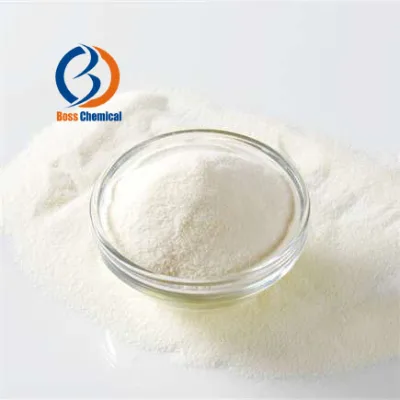
Understanding the physical and chemical profile of Ethacridine Lactate is the first step in defining procurement requirements. The material is characterized as a yellow powder, a distinct visual identifier that differentiates it from other white crystalline powders found in the same market sector. The molecular formula is consistently cited as C18H21N3O4, with a specific molecular weight recorded at 198.171 g/mol for the monohydrate form. Buyers must verify that the supplied product matches this stoichiometry, as variations can indicate impurities or incorrect hydration states.
Purity is a critical performance metric. Market observations indicate that high-grade Ethacridine Lactate typically exceeds 98% purity, with some specifications listing a minimum content of 99%. However, the presence of "Content: 99%Min" alongside "The content of active substances: >90%" in various listings suggests a variance in grade availability. Procurement teams must explicitly define the required purity threshold before requesting quotes, as lower purity grades may be suitable for industrial cleaning but insufficient for pharmaceutical applications. The pH range is another vital parameter, generally observed between 5.5 and 7.0, ensuring the material remains stable within specific formulation environments.
Particle size distribution significantly impacts the dissolution rate and bioavailability of the powder. Specifications often list options such as 80 Mesh or 200 Mesh. The choice between these sizes depends on the intended application; finer meshes (200 Mesh) are typically preferred for high-precision pharmaceutical manufacturing, while coarser grades (80 Mesh) may suffice for broader industrial uses. Additionally, the loss on drying is a key quality indicator, with observed ranges falling between 4.5% and 5.5%. This metric reflects the water content and must be controlled to ensure the stability and shelf life of the final product.
Compliance, Certification, and Regulatory Standards
In the chemical supply chain, documentation is as critical as the physical product. Ethacridine Lactate is subject to various certification requirements depending on the target market and application. Buyers should expect suppliers to provide a Certificate of Analysis (COA) and a Material Safety Data Sheet (MSDS) as standard documentation. These documents verify the batch-specific composition and safety handling instructions. Beyond these basics, high-confidence market data indicates that suppliers often hold certifications such as BP (British Pharmacopoeia), USP (United States Pharmacopeia), ISO, HSE (Health and Safety Executive), and GMP (Good Manufacturing Practice).
For applications requiring specific dietary or religious compliance, additional certifications are available. The market data confirms the availability of Halal and Kosher certificates, which are essential for products destined for specific demographic markets or regions with strict dietary laws. It is imperative for buyers to request proof of these certifications rather than relying on verbal assurances. The absence of these documents can lead to significant compliance risks, particularly if the end product is intended for human consumption or medical use.
The origin of the material is another compliance factor. The majority of observed listings indicate a product origin in China. While this is a common source for chemical intermediates, buyers must ensure that the manufacturing facilities in the origin country adhere to international quality standards. The "Resource" attribute is listed as "Chemosynthesis" for some entries, indicating a synthetic production method, which is standard for this compound. Verifying the production method ensures consistency with the buyer's quality control protocols regarding synthetic versus natural sourcing.
Cost Drivers and Pricing Dynamics
The pricing structure for Ethacridine Lactate is influenced by several variables, including purity, packaging, and order volume. The observed price range in the market is extensive, spanning from $0.80 to $2,800. This wide variance is not indicative of a single product but rather reflects differences in quantity, grade, and packaging formats. A price at the lower end of this spectrum likely corresponds to bulk industrial grades or larger volume orders, while the higher end may reflect small-quantity, high-purity pharmaceutical grades with specialized packaging.
The Minimum Order Quantity (MOQ) is a primary driver of unit cost. Data shows an MOQ range from 1 kg to 1,000 units. Standard packaging often comes in 1 kg bags or 25 kg drums. For buyers requiring small trial quantities, an MOQ of 1 kg is available, though the unit price will be higher. Conversely, purchasing in 25 kg drums or larger bulk quantities can significantly reduce the cost per kilogram. Buyers should calculate the total landed cost, including shipping and handling, rather than focusing solely on the unit price, as logistics can represent a substantial portion of the expense for chemical shipments.
Payment terms also play a role in the financial dynamics of the transaction. Common methods observed include T/T (Telegraphic Transfer), PayPal, and Western Union. While these methods offer flexibility, buyers should be aware that different payment terms may correlate with different risk profiles and pricing structures. Negotiating payment terms that align with the delivery schedule can help manage cash flow and mitigate financial risk during the procurement process.
Typical Applications and Formulation Requirements
Ethacridine Lactate is primarily utilized in the pharmaceutical and antiseptic sectors. Its chemical properties make it effective as a disinfectant and antiseptic agent. The "Suitable for: Adult" attribute suggests that the material is intended for formulations designed for adult use, which may include topical solutions, wound care products, or oral rinses. The specific application dictates the required purity and particle size. For instance, a topical antiseptic solution may require a finer particle size to ensure rapid dissolution and uniform distribution in the final liquid formulation.
The "Nutrient Composition" is listed as "Amino Acid" in some contexts, though this may refer to the broader category of chemical building blocks rather than the specific nutrient profile of Ethacridine Lactate itself. Buyers must clarify the intended use case to ensure the material meets the specific regulatory requirements for that application. If the product is intended for food-grade applications, the "Food Grade" certification and "Nutritional Value" attributes become relevant, requiring strict adherence to purity and safety standards.
Storage requirements are also application-dependent. The material should be stored in a cool, dry area to maintain stability. The "Storage Method" is generally listed as "Normal," but the specific conditions of "Cool Dry Place" or "Cool Dry Area" are critical for preserving the chemical integrity of the powder. Failure to adhere to these storage conditions during transit or warehousing can lead to degradation, affecting the pH and purity of the material.
Supplier Evaluation and Quality Control Protocols
Evaluating a supplier for Ethacridine Lactate requires a multi-faceted approach that goes beyond price comparison. Buyers should verify the supplier's ability to provide consistent quality through rigorous testing methods. The High-Performance Liquid Chromatography (HPLC) method is the standard test method observed for this product. Buyers must ensure that the supplier uses HPLC for batch testing and that the COA reflects these specific results. This verification is crucial for confirming that the purity claims are accurate and that the product meets the specified standards.
Packaging integrity is another critical factor in supplier evaluation. The material is typically supplied in 1 kg bags or 25 kg drums, with options for PP bags with PE liners or paper packaging. The choice of packaging material must protect the powder from moisture and contamination. The "Loss on Dry" specification highlights the importance of moisture control, and the packaging must be robust enough to prevent water ingress during shipping. Buyers should inspect the packaging specifications to ensure they align with the storage requirements of the destination market.
Quality control protocols should include a review of the supplier's production standards. The "prod_standard" is often listed as 98% or 99%, but buyers should request detailed batch testing reports to confirm that the specific lot meets these standards. The "Shelf Life" is a key consideration, with observed ranges of 2 years, 24 months, or >12 months. Buyers must ensure that the remaining shelf life upon delivery is sufficient for their production schedule and that the supplier has a robust inventory management system to prevent the sale of expired goods.
Long-Term Procurement and Supply Chain Resilience
Establishing a long-term relationship with a supplier of Ethacridine Lactate requires a focus on reliability and scalability. The "Customization" attribute is available, indicating that suppliers can tailor the product to specific buyer needs, such as custom particle sizes or packaging formats. This flexibility is valuable for buyers with unique formulation requirements. However, customization often comes with longer lead times and higher MOQs, which must be factored into the supply chain planning.
Lead times and shipping methods are critical for maintaining supply chain continuity. Shipping options include FedEx, UPS, and specialized lines. The choice of shipping method depends on the urgency of the order and the destination. For time-sensitive pharmaceutical applications, expedited shipping may be necessary, while bulk industrial orders can utilize standard freight. Buyers should negotiate clear delivery timelines and penalties for delays to mitigate the risk of production stoppages.
The "Resource" attribute, listed as "Chemosynthesis," suggests a stable supply chain for raw materials, but buyers should still assess the supplier's capacity to scale production. As demand fluctuates, the ability to increase order volumes without compromising quality is essential. The "Product Model" or "Model Number" (e.g., LM-Ethacridine Lactate, Gkl, 22141) serves as a unique identifier for the specific grade and formulation. Buyers should standardize on specific model numbers to ensure consistency across different batches and suppliers.
Summary of Key Procurement Parameters
To facilitate a clear comparison of critical parameters, the following table summarizes the key specifications and requirements for Ethacridine Lactate Monohydrate Powder based on observed market data.
| Parameter | Observed Specification / Range | Verification Requirement |
|---|---|---|
| Appearance | Yellow Powder | Visual inspection against sample |
| Purity | >98% to 99% Min | Review COA for specific batch |
| Molecular Formula | C18H21N3O4 | Confirm with supplier technical data |
| Particle Size | 80 Mesh / 200 Mesh | Verify based on application needs |
| pH Range | 5.5 - 7.0 | Test in-house or request lab report |
| Loss on Drying | 4.5% - 5.5% | Critical for moisture control |
| Certifications | BP, USP, ISO, GMP, Halal, Kosher | Request valid certificates |
| Packaging | 1kg/Bag, 25kg/Drum, PP/PE Liner | Inspect for integrity and labeling |
| Shelf Life | 2 Years / 24 Months / >12 Months | Check expiration date on receipt |
| Origin | China | Verify country of manufacture |
| Test Method | HPLC | Ensure supplier uses this method |
By adhering to these guidelines and maintaining a rigorous focus on technical specifications and compliance, buyers can secure a reliable supply of Ethacridine Lactate Monohydrate Powder that meets the highest standards of quality and safety. The procurement process must remain dynamic, adapting to the specific needs of the buyer's application while leveraging the available market data to make informed decisions.
FAQs
What is the purity level of Ethacridine Lactate Monohydrate Powder?
The product typically exceeds 98% purity, with some grades offering a minimum content of 99%. Buyers must verify specific batch certificates to confirm the exact purity threshold required for their pharmaceutical or industrial applications.
Which certifications are available for this chemical intermediate?
Suppliers often provide BP, USP, ISO, HSE, and GMP certifications alongside COA and MSDS documents. Additional Halal and Kosher certificates are available for products destined for specific dietary or religious compliance markets.
How is the powder packaged for shipping and storage?
The material is commonly supplied in 1 kg bags or 25 kg drums with PP liners or paper packaging. Proper storage in a cool, dry area is essential to maintain stability and prevent moisture ingress during transit.
Can buyers request custom specifications for this product?
Yes, customization is available for specific buyer needs such as particle size or packaging formats. Buyers should note that custom orders may involve longer lead times and different minimum order quantities compared to standard stock items.
What is the shelf life of Ethacridine Lactate Monohydrate Powder?
The product generally has a shelf life of 2 years or 24 months depending on the specific grade. Buyers must ensure the remaining shelf life upon delivery aligns with their production schedule to avoid using expired goods.
Which test method is used to verify product quality?
High-Performance Liquid Chromatography (HPLC) is the standard test method used to verify purity and composition. Buyers should request batch-specific HPLC results on the Certificate of Analysis to ensure the material meets specified standards.
What is the typical minimum order quantity for this chemical?
The minimum order quantity ranges from 1 kg for trial batches up to 1000 units for larger orders. Purchasing in bulk 25 kg drums often reduces the unit cost compared to smaller 1 kg bag quantities.