Source White Crystal Diisopropyl Biphenyl for catalysts, intermediates, and synthesis
Compare 30 listings for White Crystal Diisopropyl Biphenyl from verified Chinese suppliers. Buyers can review specifications, pricing, and delivery terms for industrial grade materials used in organometallic catalysts and chemical synthesis.
Key considerations
Products List


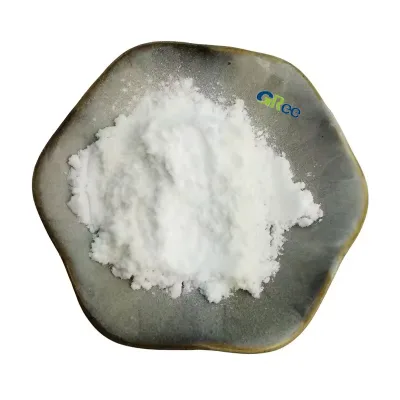
High Quality 1,2-Bis(diphenylphosphino)ethane DPPE CAS 1663-45-2 with Good Price
$1.02 - $6.78
MOQ: 1 Minimum



![2, 2-Bis[4- (4-aminophenoxy) Phenyl]Propane 4, 4'- (4, 4'-Isopropylidenediphenyl-1, 1'-diyldioxy) Dianiline CAS 13080-86-9](https://image.made-in-china.com/221f0j00CvnehbQqLVki/2-2-Bis-4-4-aminophenoxy-Phenyl-Propane-4-4-4-4-Isopropylidenediphenyl-1-1-diyldioxy-Dianiline-CAS-13080-86-9.webp)


Comprehensive Sourcing Guide
White Crystal Diisopropyl Biphenyl Sourcing Guide
Sourcing White Crystal Diisopropyl Biphenyl requires a disciplined approach to verifying chemical identity, purity, and supplier reliability. While the core keyword suggests a specific substituted benzene derivative, the broader market for biphenyl-based intermediates often includes related compounds such as 4,4'-diisopropylbiphenyl or similar alkylated variants used in liquid crystal displays and organic synthesis. Buyers must navigate a landscape where product names may overlap with generic classifications like "substituted benzenes" or "synthesis material intermediates." The visual characteristic of a white crystalline solid is a common trait across many high-purity chemical intermediates, but it is not a definitive identifier of chemical structure. Therefore, procurement teams must rely on precise chemical identifiers, such as CAS numbers and molecular formulas, rather than descriptive names alone to ensure they are acquiring the exact material required for their specific application.
The procurement process for these materials is heavily influenced by the industrial grade standards and customization options available from manufacturers. Most suppliers operate within the industrial grade sector, offering products that meet specific purity thresholds, often exceeding 99% or 99.9% as determined by gas chromatography. However, the presence of customization options indicates that buyers may need to negotiate specific packaging, labeling, or minor formulation adjustments. It is crucial to understand that while the physical appearance may be consistent across listings, the underlying chemical properties, such as melting points and boiling points, can vary significantly between different biphenyl derivatives. Buyers should treat observed product attributes as starting points for verification rather than guaranteed specifications, ensuring that every batch received matches the technical data sheet provided by the supplier.
Product Scope and Observed Listing Signals
The observed market signals for biphenyl-related intermediates reveal a wide range of product models and specifications that buyers must carefully distinguish. Listings often feature products with model numbers such as GR1634 or HSLG-1019, which may correspond to specific grades or internal supplier codes rather than universal chemical standards. Some entries reference complex structures like trans-4-(4-Pentylcyclohexyl)-4’-cyanobiphenyl, which is distinct from simple diisopropyl biphenyl but falls under the same broad category of substituted benzenes used in advanced materials. This diversity highlights the importance of cross-referencing the CAS number and molecular formula with the product name to avoid misidentification. Buyers should be aware that a listing labeled as a "white crystal" could refer to a variety of chemical entities, each with different performance characteristics and safety profiles.
Price and minimum order quantity (MOQ) signals further illustrate the variability in the supply chain for these materials. The observed price range spans from low-cost industrial intermediates to high-value specialty chemicals, reflecting differences in purity, synthesis complexity, and packaging. MOQs typically start at 1 kg, allowing for small-scale testing and prototyping, but scale up to 1000 kg for bulk industrial procurement. Packaging formats vary from paper-plastic composite bags to 25 kg drums or barrels, which impacts handling and storage requirements. Buyers should note that the "white crystal powder" or "white crystalline solid" description is a common visual indicator, but it does not guarantee the chemical identity. It is essential to verify the specific model number and application, such as use in organometallic catalysis or as a chemical intermediate, to ensure the product aligns with the intended manufacturing process.
Technical Specifications to Verify
Verifying technical specifications is the most critical step in sourcing White Crystal Diisopropyl Biphenyl to ensure compatibility with downstream applications. Key parameters to confirm include the melting point, which for certain biphenyl derivatives may range from 137-142 °C to higher values like 224-228 °C depending on the specific isomer and substitution pattern. The boiling point is another vital indicator, with predicted values varying significantly based on molecular weight and structure. Buyers must request detailed technical data sheets that specify the exact melting and boiling points for the product being offered, as these physical constants are unique to each chemical variant. Additionally, the molecular weight, often cited around 154.2 for certain biphenyl compounds, should be cross-checked against the molecular formula provided to confirm the chemical identity.
Purity and chemical properties are equally important factors that require rigorous verification. Most industrial-grade products claim a purity of 99% or higher, as measured by gas chromatography, but buyers should insist on seeing the actual Certificate of Analysis (COA) for each batch. The chemical property of being "chemically neutral" is a general descriptor that may apply to many biphenyls, but it does not replace specific reactivity data. Buyers should also verify the EINECS number, such as 216-769-2, which serves as a regulatory identifier for substances in the European market. Ensuring that the product matches the expected molecular formula, such as C26H24P2 for certain phosphine-containing biphenyls, is essential to avoid contamination or performance issues in sensitive applications like liquid crystal displays or organic synthesis.
Compliance and Safety Documentation
Compliance and safety documentation are non-negotiable requirements for sourcing chemical intermediates, particularly those used in industrial and electronic applications. Buyers must ensure that suppliers provide a comprehensive set of documents, including the Certificate of Analysis (COA), Material Safety Data Sheet (MSD S), and Technical Data Sheet (TDS). These documents provide critical information on handling, storage, and emergency procedures, as well as detailed chemical composition and impurity profiles. The presence of these documents indicates a supplier's commitment to transparency and regulatory compliance, which is essential for maintaining safety standards in the workplace and ensuring product quality. Buyers should review these documents carefully to identify any hazardous components or specific storage requirements, such as keeping the product in a cold, dry place to maintain stability.
Regulatory standards and certifications also play a significant role in the procurement process. Suppliers may adhere to national standards such as the GB standard, which is common for products originating from China, or other international standards depending on the destination market. Buyers should verify that the supplier's certifications are current and relevant to the specific chemical being purchased. Additionally, the shelf life of the product, often cited as 2 years, should be considered when planning inventory and usage schedules. Proper storage conditions are crucial to maintaining the integrity of the white crystal powder or solid, and buyers should ensure that their storage facilities meet the recommended conditions to prevent degradation or contamination. Understanding the regulatory landscape and ensuring full documentation compliance helps mitigate risks associated with chemical handling and disposal.
Cost Drivers and Commercial Terms
Understanding the cost drivers and commercial terms is essential for effective budgeting and negotiation when sourcing White Crystal Diisopropyl Biphenyl. The price of these materials is influenced by factors such as purity level, packaging format, and order volume. Higher purity grades, such as those exceeding 99.9%, typically command a premium price compared to standard industrial grades. Packaging options, ranging from small bags to large drums, also affect the unit cost due to differences in material and handling expenses. Buyers should consider the total cost of ownership, including shipping, insurance, and potential tariffs, when evaluating quotes from different suppliers. The observed price range of 1.02 to 2480 USD reflects the diversity of products available, from basic intermediates to high-value specialty chemicals, so it is important to align the budget with the specific technical requirements of the project.
Commercial terms, including minimum order quantities and delivery lead times, significantly impact procurement planning. Most suppliers accept small orders starting at 1 kg, which is beneficial for testing and initial production runs, but larger orders may be required to achieve better pricing. Delivery times typically range from 7 to 15 days, but this can vary based on stock availability and logistics arrangements. Buyers should negotiate clear terms regarding payment methods, return policies, and liability for damaged or non-conforming goods. The availability of customization options allows buyers to tailor packaging and labeling to their specific needs, but this may incur additional costs or longer lead times. Establishing a strong relationship with the supplier and understanding their operational capabilities can help streamline the procurement process and ensure timely delivery of materials.
Supplier Qualification and Quality Control
Supplier qualification and quality control are paramount to ensuring the reliability and consistency of White Crystal Diisopropyl Biphenyl supplies. Buyers should conduct thorough due diligence on potential suppliers, verifying their business licenses, manufacturing capabilities, and quality management systems. Suppliers with a proven track record in producing industrial-grade chemicals and providing comprehensive documentation are generally more reliable. It is also important to assess the supplier's ability to maintain consistent product quality across batches, as variations in purity or physical appearance can impact downstream processes. Buyers should request samples for testing before committing to large orders, using these samples to verify technical specifications and performance in actual applications.
Quality control measures implemented by the supplier, such as in-process testing and final product inspection, are critical indicators of their commitment to quality. Buyers should inquire about the supplier's testing protocols, including the methods used to determine purity and the frequency of quality checks. The provision of a Certificate of Analysis for each batch is a standard practice that demonstrates the supplier's adherence to quality standards. Additionally, buyers should consider the supplier's response to quality issues, including their willingness to investigate complaints and provide corrective actions. Establishing clear quality expectations and communication channels with the supplier helps build a robust supply chain and minimizes the risk of receiving non-conforming materials. Regular audits and performance reviews can further ensure that the supplier continues to meet the required standards over time.
Long-Term Procurement Checks
Long-term procurement checks are necessary to maintain supply chain resilience and ensure continuous compliance with evolving regulatory and market conditions. Buyers should periodically review their supplier's performance, including delivery reliability, product quality, and responsiveness to issues. Regular audits of the supplier's facilities and quality management systems can help identify potential risks and areas for improvement. It is also important to stay informed about changes in regulatory standards, such as updates to chemical classifications or safety requirements, and ensure that the supplier remains compliant. Buyers should maintain a diversified supplier base to mitigate the risk of supply disruptions and negotiate long-term contracts that offer price stability and volume discounts.
Continuous monitoring of market trends and technological advancements in the chemical industry can help buyers identify new opportunities for cost savings or performance improvements. Engaging with industry associations and participating in trade shows can provide valuable insights into emerging products and suppliers. Buyers should also establish a feedback loop with their internal teams to gather information on product performance and identify any issues that may require supplier intervention. By maintaining a proactive approach to supplier management and quality control, buyers can ensure a stable and efficient supply of White Crystal Diisopropyl Biphenyl, supporting their manufacturing operations and business objectives. Regular communication and collaboration with suppliers foster a partnership that benefits both parties and enhances the overall supply chain efficiency.
FAQs
What is the purity level of the white crystal biphenyl product?
The product purity is at least 99.9% according to gas chromatography analysis. This high-grade material meets industrial standards and is suitable for synthesis intermediates requiring refined quality.
How is the white crystal biphenyl packaged for shipment?
The product is packed in paper plastic composite bags or 25kg drums. This packaging ensures the white crystalline solid remains protected during transit and storage in cold dry places.
Can I order small quantities of the white crystal biphenyl?
Yes, small orders are accepted with a minimum order quantity of 1 kilogram. This flexibility allows buyers to test the product before committing to larger industrial volume purchases.
What is the lead time for delivery of this chemical?
Delivery is typically completed within 7 to 15 days after order confirmation. This timeframe applies to standard shipments originating from the Shandong region in China.
Which certifications are available for the white crystal biphenyl?
Available certifications include Certificate of Analysis, Material Safety Data Sheet, and Technical Data Sheet. These documents verify the product identity and safety for industrial use.
What is the melting point of the white crystal biphenyl?
The melting point ranges from 137 to 142 degrees Celsius. This physical property confirms the identity of the substance as a white crystal solid with high purity.
Where is the white crystal biphenyl manufactured?
The product originates from Shandong, China. This location is the primary place of origin for the industrial grade chemical intermediates supplied.