Source EU Plug Arcade Game Cable for Arcade, Mario, and Gamecube
Compare 30 verified listings for the EU Plug Arcade Game Cable, including models for arcade machines, Mario games, and Gamecube controllers. Buyers can review specifications like voltage, material, and customization options to find the right connecting wire for their needs.
Key considerations
Products List
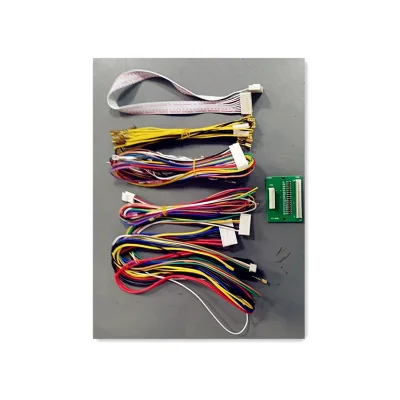
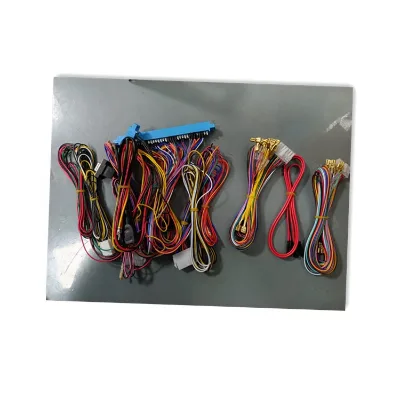
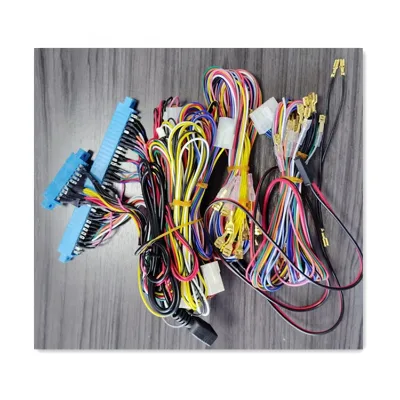
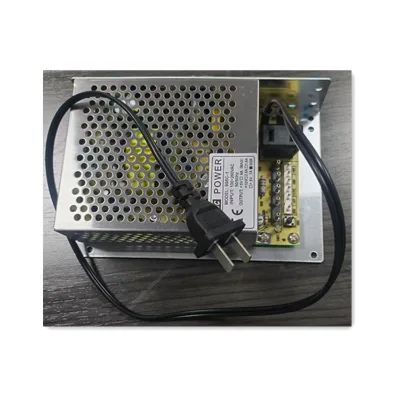


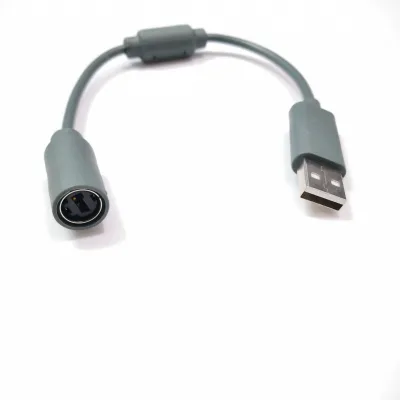
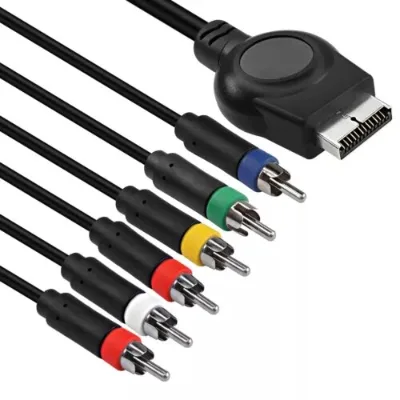
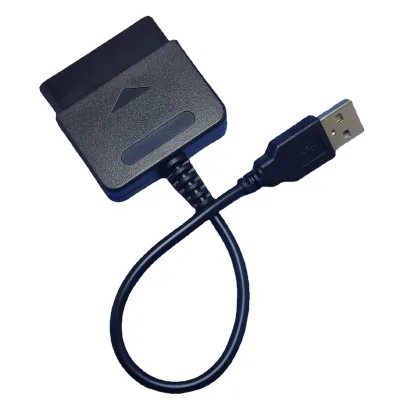


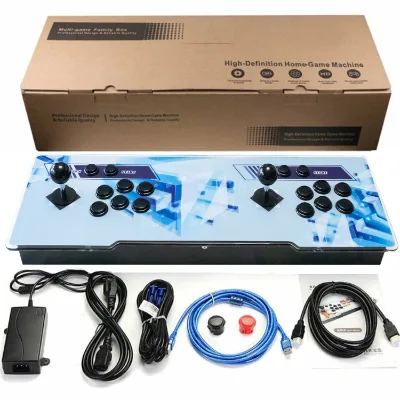


Comprehensive Sourcing Guide
EU Plug Arcade Game Cable Sourcing Guide
Procuring arcade game cables with EU plugs requires a disciplined approach to aligning technical specifications with regional electrical standards. Buyers must prioritize connectors that meet European Union safety norms, ensuring that the plug type matches the local socket infrastructure to prevent compatibility issues. The observed market data indicates a strong presence of products originating from Guangdong, China, which serves as a major manufacturing hub for these specialized gaming accessories. This geographic concentration offers buyers access to a wide variety of models, including those designed for fruit games, coin pushers, and classic arcade consoles. Understanding the specific voltage requirements, such as the common 110/220V range, is essential for ensuring safe operation across different power grids.
The diversity of available products spans from simple connecting wires to complex controller cords for platforms like the Gamecube. Buyers should note that many listings offer customization options, allowing for tailored solutions that fit unique arcade cabinet designs or specific brand requirements. The material composition, often a combination of plastic and copper, plays a critical role in durability and signal integrity. It is vital to verify the exact model numbers, such as dn-263 or dn-272, to ensure that the cable supports the intended game type and player configuration. By focusing on these detailed attributes, procurement teams can select cables that not only fit physically but also perform reliably in high-traffic arcade environments.
Product Scope and Observed Listing Signals
The current market landscape for arcade game cables reveals a broad spectrum of product types, ranging from basic power supply lines to specialized controller cords. Listings frequently highlight compatibility with specific gaming systems, including arcade machines, Mario games, and Nintendo Gamecube consoles. The observed price range is extensive, reflecting the variability in materials, length, and customization levels. Buyers should be aware that the minimum order quantities (MOQ) typically start at 20 to 30 pieces, which is standard for customized electronic accessories. This MOQ structure allows for small-batch testing while encouraging larger orders for cost efficiency. The presence of OEM/ODM acceptance indicates that suppliers are flexible in adapting products to specific buyer needs, including logo customization and packaging adjustments.
Shipping and logistics are significant factors in the procurement process, with major carriers like DHL, FedEx, and UPS commonly used for delivery. The single gross weight of items varies, with some cables weighing as little as 0.6 kg and others up to 1.12 kg, depending on the model and packaging. Package dimensions also differ, with some items packed in compact OPP bags while others require larger boxes measuring up to 65x7x13 cm. These logistical details impact shipping costs and storage requirements, making it essential for buyers to calculate the total landed cost accurately. The availability of customized logos and specific color options, such as black, white, or chroma, adds another layer of complexity that must be managed during the sourcing phase to ensure brand consistency.
Technical Specifications to Verify
Verifying technical specifications is crucial to ensure that the arcade game cables meet the operational requirements of the target gaming systems. Buyers must confirm the voltage compatibility, as most observed products support a wide range of 110V to 220V, which is suitable for global deployment. The plug type is a critical specification, with EU plugs being a common requirement for European markets. It is essential to verify that the plug configuration matches the local socket standards to avoid safety hazards and operational failures. Additionally, the material composition, typically a blend of plastic and copper, should be assessed for durability and conductivity. High-quality copper conductors ensure minimal signal loss, which is vital for maintaining responsive gameplay in arcade environments.
The model number serves as a unique identifier for each cable variant, with examples like dn-263, dn-272, and dn-205 indicating specific design features. Buyers should cross-reference these model numbers with the intended application, such as fruit games, coin pushers, or arcade console connections. The weight and package size are also important technical details that affect shipping and handling. For instance, a cable with a single gross weight of 0.65 kg may require different handling procedures compared to a lighter 0.3 kg variant. Furthermore, the absence of touch screen functionality in some models clarifies their intended use for traditional arcade interfaces. Ensuring that all technical specifications align with the buyer’s requirements prevents costly returns and ensures seamless integration into existing arcade setups.
Compliance and Safety Documentation
Compliance with safety standards is non-negotiable when sourcing electrical components for arcade games. Buyers must ensure that the cables meet relevant European safety regulations, particularly those governing low-voltage equipment and electromagnetic compatibility. The EU plug specification implies adherence to regional safety norms, but buyers should request documentation to verify this compliance. Certifications such as CE marking are essential for demonstrating that the product meets health, safety, and environmental protection standards. Without proper certification, there is a risk of legal liabilities and potential hazards in public gaming environments. It is advisable to ask suppliers for test reports or certificates of conformity to validate the safety claims made in product listings.
In addition to electrical safety, buyers should consider the environmental impact of the materials used in the cables. The plastic and copper composition should be free from harmful substances, aligning with RoHS directives if applicable. Documentation regarding material safety data sheets (MSDS) can provide insights into the chemical composition and handling requirements. Buyers should also verify that the packaging materials are recyclable or meet local waste management regulations. Proper documentation not only ensures regulatory compliance but also enhances the brand’s reputation for responsible sourcing. By prioritizing suppliers who provide comprehensive safety and compliance documentation, buyers can mitigate risks and ensure the long-term viability of their arcade operations.
Cost Drivers and Commercial Terms
Several factors influence the cost of arcade game cables, including material quality, customization levels, and order volume. The use of high-grade copper and durable plastic can increase the unit price but offers better longevity and performance. Customization options, such as logo printing or specific color schemes, often incur additional charges due to the setup and production adjustments required. Buyers should negotiate based on the total order quantity, as larger volumes typically result in lower per-unit costs. The observed MOQ of 20 to 30 pieces provides a baseline for pricing, but buyers can often secure better rates by committing to higher volumes. Understanding these cost drivers helps in budgeting accurately and avoiding unexpected expenses during the procurement process.
Commercial terms, including payment methods and delivery times, also play a significant role in the overall cost structure. The delivery time of 3 to 15 working days indicates a relatively fast turnaround, which is beneficial for maintaining inventory levels. However, expedited shipping options may come at a premium, so buyers should plan their orders accordingly to balance speed and cost. Payment terms should be clearly defined to avoid disputes, with options such as letters of credit or secure online payments offering protection for both parties. Buyers should also consider the total landed cost, including shipping, taxes, and duties, to make informed decisions. By carefully evaluating these commercial terms, buyers can optimize their procurement strategy and achieve better value for their investment.
Supplier Qualification and Quality Control
Selecting a reliable supplier is critical for ensuring the quality and consistency of arcade game cables. Buyers should conduct thorough due diligence to verify the supplier’s manufacturing capabilities and quality control processes. Checking for certifications, such as ISO standards, can provide assurance of the supplier’s commitment to quality management. It is also important to review the supplier’s track record and customer feedback to gauge their reliability and responsiveness. Suppliers that accept OEM/ODM requests often have flexible production lines capable of meeting specific buyer requirements, which is a positive indicator of their adaptability. Engaging with suppliers who have a strong presence in Guangdong, China, can provide access to a robust supply chain and competitive pricing.
Quality control measures should be implemented throughout the production process to ensure that the cables meet the specified standards. Buyers should request samples for testing before placing large orders to verify the product’s performance and durability. Inspections can be conducted at various stages, including raw material intake, production, and final packaging, to identify and rectify any defects early. Clear communication of quality expectations, including tolerance levels and packaging requirements, helps in aligning the supplier’s output with the buyer’s needs. Establishing a strong relationship with the supplier through regular feedback and collaboration can lead to continuous improvement and better product quality. By prioritizing supplier qualification and rigorous quality control, buyers can minimize risks and ensure the success of their arcade projects.
Long-Term Procurement Checks
Long-term procurement success depends on continuous monitoring and evaluation of the supply chain. Buyers should establish key performance indicators (KPIs) to track supplier performance, including delivery times, product quality, and responsiveness to issues. Regular audits and reviews can help identify areas for improvement and ensure that the supplier remains aligned with the buyer’s evolving needs. Building a diversified supplier base can mitigate risks associated with single-source dependencies, providing flexibility in case of supply disruptions. Buyers should also stay informed about market trends and technological advancements in arcade gaming to anticipate future requirements and adjust their sourcing strategies accordingly.
Maintaining open communication with suppliers fosters a collaborative relationship that can lead to better pricing and priority service. Buyers should provide constructive feedback on product performance and suggest improvements based on user experiences. This feedback loop helps suppliers refine their products and services, leading to higher satisfaction levels. Additionally, buyers should monitor regulatory changes and industry standards to ensure ongoing compliance. By implementing these long-term procurement checks, buyers can build a resilient and efficient supply chain that supports the sustained success of their arcade operations. This proactive approach ensures that the sourcing process remains agile and responsive to market dynamics.
FAQs
What voltage options are available for these arcade game cables?
The cables support 110V to 220V input voltage, ensuring compatibility with various regional power standards. This dual-voltage capability allows for flexible deployment in different markets without requiring additional transformers. Buyers can rely on this specification for safe operation in both North American and European electrical systems, reducing the need for multiple product variants.
Can I request a customized logo on the arcade game cable?
Yes, customized logos are available for these arcade game cables. The supplier accepts OEM and ODM requests, allowing buyers to brand the product with their own identity. This customization option helps businesses maintain brand consistency across their arcade equipment. Buyers should confirm specific design requirements and file formats during the initial inquiry to ensure accurate production.
What is the minimum order quantity for these arcade game cables?
The minimum order quantity varies by model, typically ranging from 20 to 30 pieces. Specific models like the dn-250 require a minimum of 20 pieces, while others like the dn-263 require 30 pieces. This flexible MOQ allows small businesses to test the market with lower initial investment. Larger orders may benefit from volume pricing considerations during negotiation.
Which platforms are compatible with the Gamecube controller cord cable?
The controller cord cable is specifically designed for compatibility with the Gamecube and NGC platforms. It functions as a direct replacement or extension for original controller connections. This ensures reliable signal transmission for gaming peripherals. Buyers seeking accessories for these specific consoles can rely on this dedicated compatibility, avoiding issues with generic or mismatched cable types.
How long does delivery take for arcade game cable orders?
Delivery time typically ranges from 3 to 15 working days after order confirmation. This timeframe allows for production, quality checks, and shipping preparation. Buyers should account for this lead time when planning inventory restocking. Expedited shipping options may be available through carriers like DHL, FedEx, or UPS, depending on the final destination and service level selected.
What materials are used in the construction of these arcade cables?
These arcade cables are constructed using a combination of plastic and copper materials. The plastic provides durable insulation and housing, while the copper ensures efficient electrical conductivity. This material selection balances cost-effectiveness with performance reliability. Buyers can expect robust construction suitable for frequent use in arcade environments, maintaining signal integrity over time.