Source Excavator Shock Absorber Rod Guide for Construction
Find 30 verified listings for the Excavator Shock Absorber Rod Guide suitable for excavators, bulldozers, and hydraulic breaker systems. Compare specifications, certifications, and pricing from multiple Chinese manufacturers to identify the right component for your machinery needs.
Key considerations
Products List


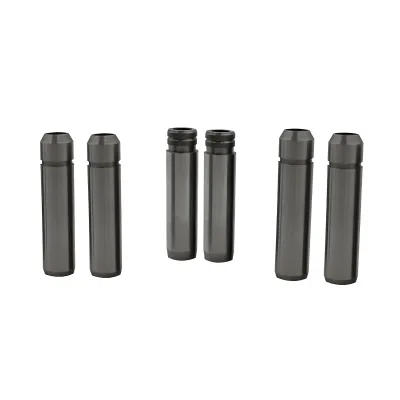
OEM Iron Based Powder Metal Shock Absorber Rod Guide for Excavator Shock
$0.10 - $1.50
MOQ: 5000 Pieces




$15000.00 - $20000.00
MOQ: 1 Pieces


Comprehensive Sourcing Guide
Excavator Shock Absorber Rod Guide Sourcing Guide
Procuring replacement components for heavy machinery requires a disciplined approach to technical verification and supplier qualification. The Excavator Shock Absorber Rod Guide is a critical wear part that influences the stability and longevity of hydraulic systems and structural linkages. Buyers must navigate a market characterized by diverse manufacturing origins and varying quality tiers. This guide provides a structured framework for evaluating listings, verifying technical attributes, and establishing commercial terms that protect operational continuity.
The following sections detail the essential steps for sourcing these components effectively. By focusing on observable listing signals, precise technical specifications, and rigorous compliance checks, procurement teams can mitigate the risks associated with counterfeit or substandard parts. The guidance herein is designed to support informed decision-making, ensuring that every purchase aligns with the specific operational demands of the excavator fleet.
Product Scope and Observed Listing Signals
The market for excavator components includes a wide array of parts, from structural supports to hydraulic actuators. Listings often use generic keywords such as "seat shock absorber" or "excavator thrust rod" to capture search traffic, which can obscure the actual function of the item. Buyers must carefully distinguish between genuine shock absorber guides and related structural elements like rear cover support rods. Misidentification can lead to procurement errors, where a part intended for cabin suspension is mistakenly ordered for a hydraulic cylinder application.
Observed listing data reveals significant variation in product descriptions and packaging methods. Some suppliers list items with minimal detail, while others provide specific model numbers such as TXTR-01 or 819910466. Packaging ranges from simple carton boxes to robust wooden cases, indicating different levels of protection during transit. Buyers should scrutinize these details to ensure the part matches the physical requirements of their machinery. The presence of multiple model numbers in a single listing may indicate a supplier offering a broad catalog rather than a specialized component, requiring further verification of compatibility.
Technical Specifications to Verify
Technical accuracy is paramount when sourcing replacement parts for heavy equipment. The material composition of the rod guide directly impacts its durability and resistance to wear. Listings indicate that many components are ferrous-based or iron-based, which is typical for structural supports. However, buyers must verify the specific alloy and heat treatment processes used. For instance, some vapor-treated parts exhibit hardness values ranging from 65 to 95 Hrb, while non-vapor-treated variants may show hardness between 80 and 150 HB. These variations suggest different performance profiles, and selecting the wrong hardness level can lead to premature failure under load.
Density and dimensional accuracy are also critical verification points. Observed data suggests a density range of 6.4 to 6.8 G/cm³ for certain treated components, which aligns with standard ferrous alloys. Buyers should request detailed engineering drawings or CAD files to confirm critical dimensions, especially when dealing with custom or non-standard parts. The absence of standardized dimensions in some listings, where standards are listed as "per customer's requirement," necessitates direct communication with the supplier to ensure fitment. Relying solely on generic part numbers without verifying specific measurements can result in installation failures and costly downtime.
Compliance and Safety Documentation
Compliance with international standards is a key indicator of supplier reliability. Many listings cite certifications such as CE and ISO9001, which suggest adherence to quality management systems and safety regulations. However, the presence of a certification claim does not guarantee that the specific batch of parts has been tested or approved. Buyers should request valid certification documents and verify their authenticity through the issuing body. This step is crucial for ensuring that the components meet the regulatory requirements of the destination country and the operational safety standards of the mining or construction site.
Condition and origin information also play a role in assessing compliance and risk. Most listed parts are described as "New," but buyers should confirm the manufacturing date and storage conditions to prevent degradation of materials. Origins such as Shandong, Quanzhou, and Xuzhou in China are common sources for these components. While these regions have established manufacturing hubs, buyers should be aware that quality can vary between factories. Requesting video outgoing-inspections, as offered by some suppliers, provides visual evidence of the product's condition before shipment, adding a layer of transparency to the compliance process.
Cost Drivers and Commercial Terms
Pricing for excavator components is influenced by material costs, manufacturing complexity, and order volume. The observed price range spans from $0.1 to $20,000, reflecting the diversity of products from small bushings to large hydraulic pumps. Buyers must analyze the cost structure to understand what drives the price. For example, parts with custom colors or specific packaging requirements may incur additional charges. The minimum order quantity (MOQ) also varies, with some suppliers accepting orders as low as one unit, while others require up to 5,000 pieces. Understanding these thresholds helps in planning inventory and negotiating better terms.
Commercial terms such as packaging and shipping methods affect the total cost of ownership. Listings indicate various packaging options, including wooden boxes, pallets, and carton boxes. Robust packaging is essential for protecting parts during international shipping, especially for heavy or precision components. Buyers should clarify who bears the cost of packaging and insurance. Additionally, the standard of export packing, such as the 301540 dimensions mentioned for some hydraulic pumps, impacts container utilization and freight costs. Negotiating clear terms regarding packaging and logistics can significantly reduce overall procurement expenses.
Supplier Qualification and Quality Control
Supplier qualification is a multi-step process that goes beyond checking certifications. Buyers should assess the supplier's production capabilities and quality control procedures. The mention of "Video outgoing-inspection" in some listings is a positive indicator, suggesting that the supplier is willing to provide real-time evidence of the product's condition. Buyers should request such inspections for high-value orders to verify that the parts match the agreed specifications. This step helps in identifying any visible defects or discrepancies before the goods leave the factory.
Brand and product class information can also provide insights into the supplier's specialization. Some listings specify brands like HD or product classes such as hydraulic pumps, which indicates a focus on specific types of components. However, buyers should be cautious of generic listings that lack brand specificity. Verifying the supplier's history and reputation through trade references or third-party audits can provide additional confidence. For parts like hydraulic breaker dampers or motor components, specialized knowledge and manufacturing expertise are crucial, making supplier qualification a critical step in the sourcing process.
Long-Term Procurement Checks
Establishing a long-term procurement strategy requires ongoing monitoring of part performance and supplier reliability. Buyers should implement a feedback loop to track the lifespan and failure rates of the components in the field. This data can inform future purchasing decisions, helping to identify which suppliers consistently deliver high-quality parts. For instance, parts with specific hardness levels or density ranges may perform better in certain applications, and this knowledge should be documented and shared with the procurement team.
Regular audits and re-verification of supplier credentials are also essential for maintaining quality standards. As regulations and industry standards evolve, suppliers must adapt to remain compliant. Buyers should periodically review the certifications and quality control processes of their suppliers to ensure continued alignment with best practices. Additionally, maintaining a diverse supplier base can mitigate risks associated with supply chain disruptions. By combining technical verification, compliance checks, and performance monitoring, buyers can build a resilient and efficient sourcing strategy for excavator components.
FAQs
What customization options are available for excavator shock absorber rods?
Customization is available for these products to meet specific buyer requirements. The color and part specifications can be adjusted according to the customer's request, ensuring the final component fits the intended excavator application perfectly.
Which certifications do these excavator parts hold for quality assurance?
These products hold CE and ISO9001 certifications to ensure they meet international quality standards. The condition is new, and the manufacturing process adheres to strict quality controls verified by these recognized industry certifications.
How is the hardness of the excavator rod guide measured after treatment?
The hardness varies depending on the treatment process applied to the ferrous-based material. Vapor-treated units range from 65 to 95 Hrb, while non-vapor-treated units achieve a hardness between 80 and 150 HB.
Can I order a single unit of the excavator thrust rod?
Yes, you can order a single unit as the minimum order quantity is one piece. This low MOQ allows buyers to test the product quality before committing to larger bulk orders for their excavator maintenance needs.
What packaging methods are used for shipping these hydraulic parts?
Products are shipped using various secure packaging methods including boxes, wooden cases, and pallets. The specific packaging type, such as a wooden box or carton, depends on the model and customer requirements to ensure safe transit.
Where are these excavator parts manufactured and sourced from?
These parts originate from multiple locations within China, including Shandong, Quanzhou, and Xuzhou. The manufacturing facilities are located in these regions, ensuring a steady supply chain for global excavator component procurement.
What is the density of the vapor-treated excavator rod material?
The density of the vapor-treated ferrous-based material ranges from 6.4 to 6.8 grams per cubic centimeter. This specific density contributes to the structural integrity and performance of the excavator thrust rod under operational stress.